


Terakhir diperbarui: Agustus 2026 · Harga & ketersediaan telah diverifikasi untuk musim 2026/2027
If you’re planning a trip to see wild Komodo dragons and some of the richest reefs on Earth, understanding how Komodo National Park actually operates will save you time, money, and confusion once you land in Flores. The park is a UNESCO World Heritage Site in East Nusa Tenggara, Indonesia, spanning 29 islands and their surrounding seas, and it exists specifically to protect the world’s only wild Komodo dragon populations alongside marine biodiversity that many divers consider just as remarkable as the dragons themselves.
This Komodo National Park guide covers the park as an institution: what it protects, what you’ll pay to enter, the rules that genuinely matter, how zoning shapes your itinerary whether you notice it or not, and the practical formats available for visiting.
Poin-Poin Penting
- Komodo National Park is a UNESCO World Heritage Site protecting 29 islands, including Komodo, Rinca, and Padar, together with extensive marine ecosystems and the world’s only wild Komodo dragon populations.
- Komodo National Park entrance fees in 2026 vary by nationality, with international visitors paying around USD 40 to 50 and Indonesian citizens around USD 20 to 25, while activity fees such as trekking, snorkeling, and diving may be charged separately.
- Park rules directly shape your visit, including mandatory ranger escorts on dragon trails, advance permits for drones, strict wildlife protection, restrictions on single-use plastics, designated anchoring points, and no-touch reef practices.
- The park’s zoning system controls where visitors can go and what activities are allowed, so your route, trekking areas, anchorages, and dive sites must follow designated zones and current park regulations.
- You can experience Komodo National Park from Labuan Bajo by speedboat or liveaboard, with ranger-guided dragon treks at Loh Liang and Loh Buaya, while April through November generally offers the most favorable conditions for trekking, cruising, and marine activities.
What The Komodo National Park Protects
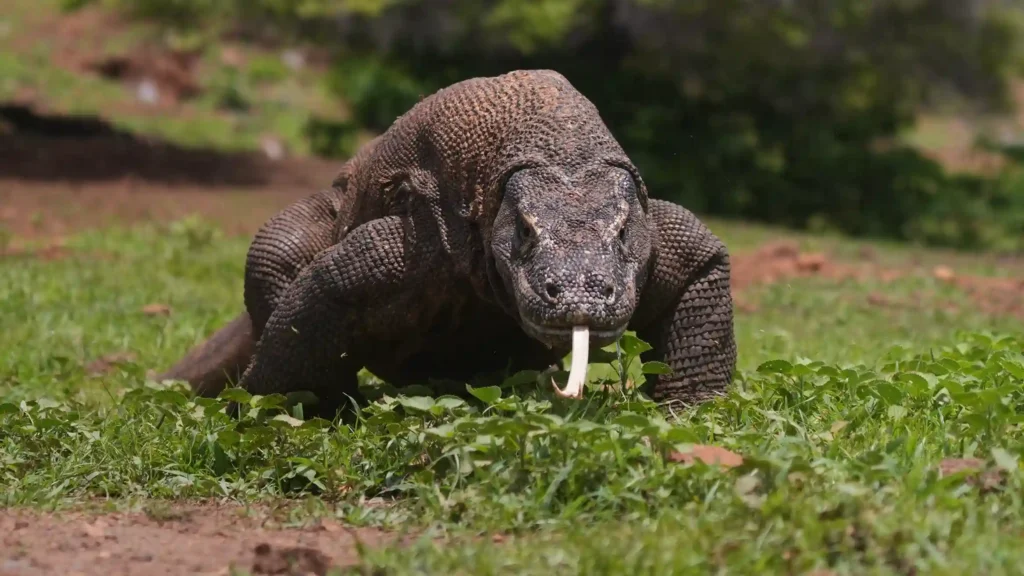
Established in 1980 and inscribed as a UNESCO World Heritage Site in 1991, the park spans the strait between Sumbawa and Flores, encompassing three main islands, Komodo, Rinca and Padar, alongside 26 smaller islands and a marine area shaped by some of the strongest currents in Indonesia. Those currents are precisely what make the underwater half of this park so productive, feeding reefs dense enough to support their own dedicated dive-site guide covering dozens of distinct sites across the park.
The headline species needs little introduction. Komodo dragons, the largest living lizards on Earth, exist in the wild nowhere else on the planet, and the park’s terrestrial zones exist largely to protect their remaining habitat. What surprises many first-time visitors, though, is that the park’s marine half is arguably its equal: manta ray aggregations, whale shark sightings in nearby waters, and coral gardens that draw serious divers from around the world, not just travelers chasing dragon photos.
Komodo National Park Entry Fees in 2026
The park issues dated entry tickets priced differently depending on your nationality: international visitors (WNA) pay from around USD 40 to 50 per person, while Indonesian nationals (WNI) pay considerably less, starting from roughly USD 20 to 25 per person. This isn’t a flat admission fee in the conventional sense. It functions as a conservation instrument operating under an annual visitor cap, and activity components like trekking, snorkeling and diving are itemized separately alongside the base entry fee on official receipts.
A few points worth understanding about how this pricing structure actually works:
- Tickets are tied to your specific visit date, not sold as an open-ended pass, which connects directly to the park’s broader visitor-cap system.
- International and domestic visitors pay different rates, with the USD 40 to 50 range applying to WNA travelers and the lower USD 20 to 25 range reserved for WNI travelers.
- Activity fees stack on top of the base entry cost, so your total park expenditure depends on which activities (trekking, snorkeling, diving) you actually do during your visit.
- The fee structure reflects a conservation-first model, where pricing is deliberately used as one lever to manage visitor volume alongside the physical cap itself.
The full mechanics behind buying these tickets, along with the broader cap context, are covered in more depth in our entry permit guide, and what that cap specifically means for travelers planning is addressed in our 2027 quota outlook.
Baca Selengkapnya: IzinTaman Nasional Komodo 2026 – panduan Lengkap panduan Tiket, Kuota, dan Pemesanan
Komodo National Park Rules That Actually Bind
A handful of rules genuinely shape every visit to this park, and understanding them ahead of time prevents surprises once you’re standing at a trailhead or slipping into the water.
- Ranger escort is mandatory on every dragon trail, with no exceptions whatsoever. This single rule is the primary reason dragon-related incidents remain vanishingly rare inside the park, and rangers carry forked sticks specifically trained for managing dragon encounters safely.
- Drones require a separate park permit arranged in advance. You cannot simply show up with aerial equipment and expect to fly it; approval needs to be secured before your visit date.
- Wildlife is never touched, fed, or baited under any circumstance. This applies to dragons, but it extends to the park’s other terrestrial and marine species as well.
- Single-use plastics are restricted across the park, part of a broader effort to protect both the terrestrial habitat and the marine ecosystem from accumulating waste.
- Vessels anchor only at designated points, rather than dropping anchor wherever convenient, which protects sensitive reef structures from unnecessary damage.
- Reef etiquette applies park-wide underwater, meaning no touching coral and no wearing gloves while snorkeling or diving, standard practice that preserves fragile reef systems for future visitors.
These rules aren’t bureaucratic friction for its own sake. They’re the specific mechanisms that have kept both the dragon population and the surrounding reefs in the condition that made this park worth protecting in the first place.
How the Komodo National Park Is Zoned
The Komodo Natural Park operates under a zoned-use system, dividing its total area into three distinct categories that determine what activity, if any, is permitted in each location.
- Core sanctuary zones are closed to visitors entirely, reserved for the most sensitive habitat areas where human presence would disrupt breeding or feeding patterns.
- Wilderness zones allow guided activity under close supervision, typically the areas where ranger-led treks and controlled access take place.
- Use zones are where the actual visitor infrastructure sits, the treks, the anchorages, and the dive sites that make up a typical itinerary.
In practice, this zoning system reaches you not as a map you need to study, but simply as routing. Your captain and the park rangers already know which bay is open to which type of activity, which is one of several reasons independent boating inside the park isn’t something you can arrange on your own. Every legal visit runs through licensed operators who understand exactly where the zoning lines fall.
Visiting Komodo National Park: the Formats
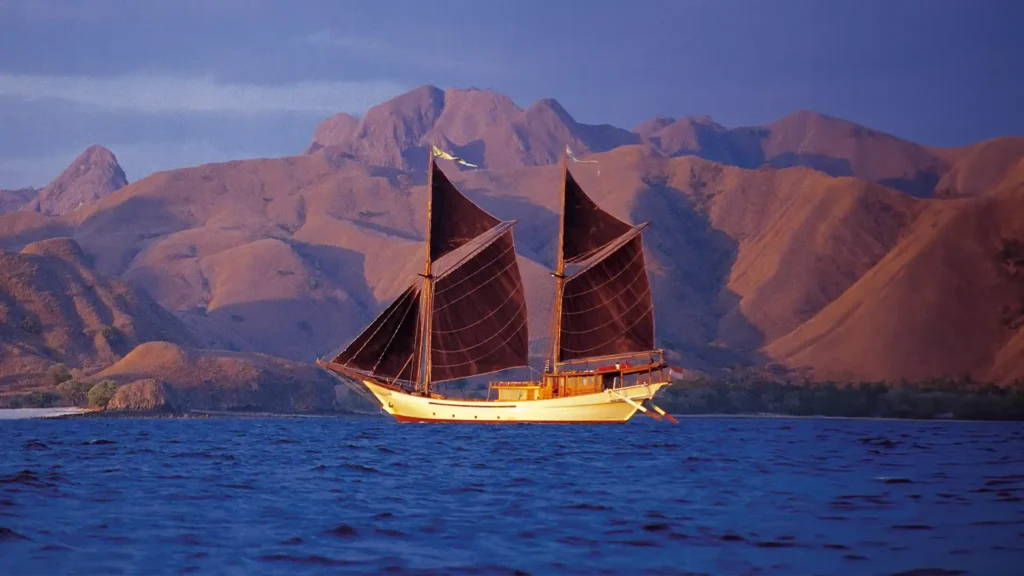
Every legal visit to the park is boat-based, departing out of Labuan Bajo, the gateway town on the western tip of Flores (our how to get to Komodo guide covers that connection in detail). From there, two broad formats cover almost every visitor’s approach to the park.
Speedboat day trips for the highlights
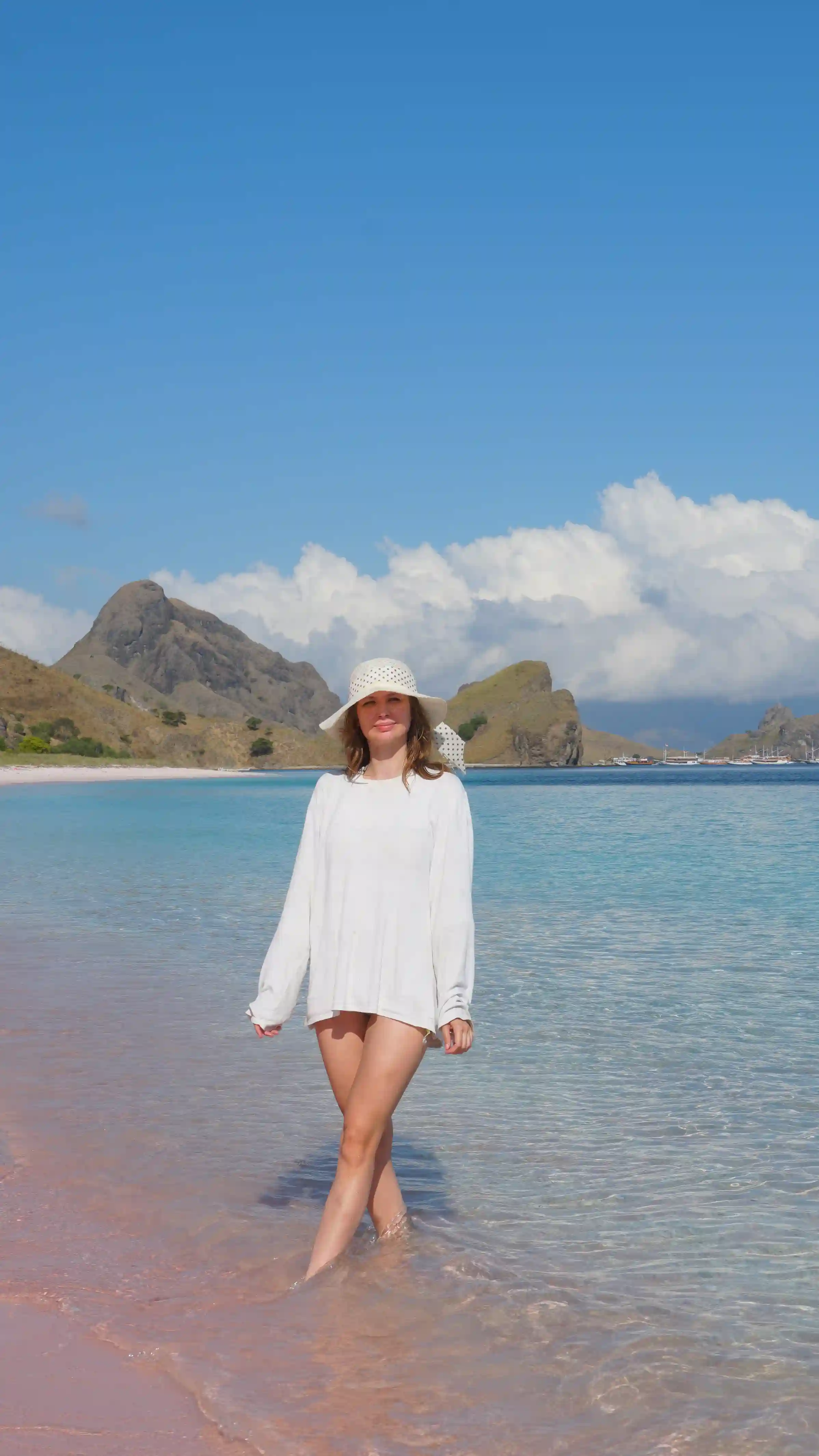
A one-day speedboat trip lets you tick off the park’s core highlights in one outing: climbing Padar Island for its three-bay panorama, snorkeling at Pink Beach, trekking to see dragons on Komodo Island, and a quick swim at Manta Point if timing allows. This format suits travelers with limited time who still want to cover the essentials without committing to multiple nights on the water.
Yacht Liveaboard itineraries that sleep inside the park
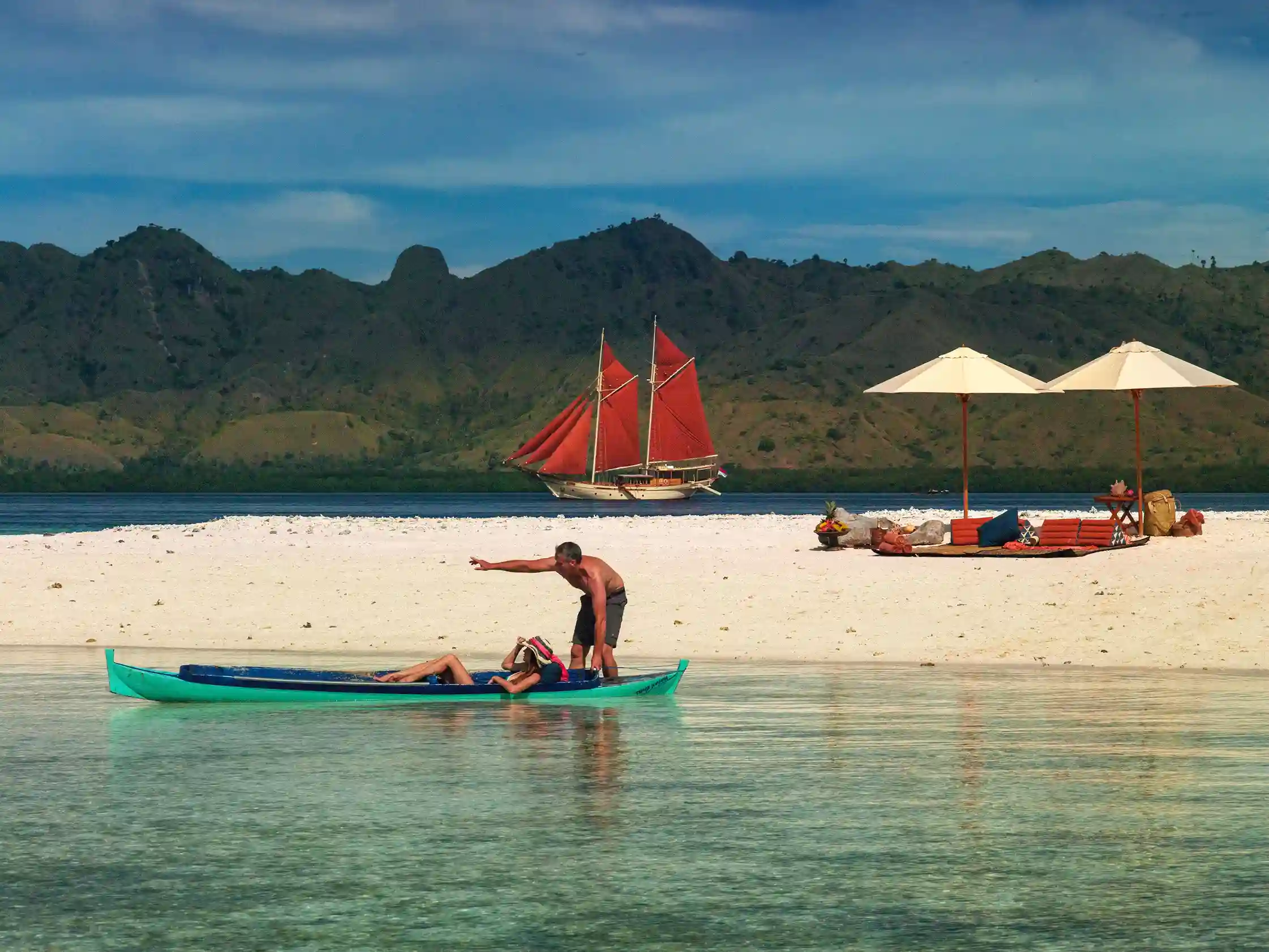
A Komodo liveaboard tour extends your time considerably by sleeping on board inside the park itself, typically running from two nights up through week-long expeditions. This format opens up additional stops beyond the core highlights, quieter anchorages, extra snorkeling sites, and a noticeably less rushed pace between locations. The full format comparison, including pricing and typical durations, lives on our Komodo tour packages hub.
Komodo dragons themselves are seen specifically on ranger-guided treks at two designated locations: Loh Liang on Komodo Island itself, and Loh Buaya on Rinca Island, a short distance away and often included as a secondary dragon-viewing stop on multi-day itineraries.
Baca Selengkapnya: Jenis Perahu Komodo: Perahu Mana yang Paling Cocok untuk berlayar komodo di berlayar komodo?
When to Come to Komodo National Park
The best time to visit is when Komodo National Park’s dry season runs from April through November, and this window generally delivers calmer seas, clearer underwater visibility, and more reliable trekking conditions than the December through March monsoon period.
Within that broad dry season, though, different months suit different priorities:
- April through June tends to offer the most balanced combination of green landscapes, calmer seas, and comparatively fewer crowds than peak summer months.
- July and August bring the driest conditions and the most active dragon behavior, but also the heaviest visitor volume of the year.
- September through November shifts back toward quieter conditions with excellent visibility, often considered a strong shoulder-season alternative to the July-August peak.
- December through March is monsoon season, when rain, chop, and rougher open-water crossings become more likely, though the park technically remains open year-round.
We maintain a dedicated, continuously updated month-by-month breakdown in our best time to visit Komodo guide, which goes deeper into seasonal wildlife patterns and weather specifics than this overview covers.
Plan Your Komodo National Park Journey with Komodo Luxury
Understanding the fees, visitor quota, zoning, ranger system, and conservation rules makes it much easier to plan your Komodo National Park journey with confidence. Once you know how access works, the next step is choosing an itinerary and boat that allow you to experience the park at a comfortable pace, from dragon trekking and Padar’s viewpoints to snorkeling, diving, and quiet moments cruising between the islands.
For a more private way to experience the park, Komodo Luxury is a luxury yacht charter operator that owns and operates its own fleet. Our team can help coordinate your itinerary around your preferred travel dates, park access requirements, and onboard preferences, while our own fleet gives you a more direct and consistent charter experience. Contact our team to plan your journey and book a private luxury yacht charter Komodo for a seamless, comfortable experience across Komodo National Park.