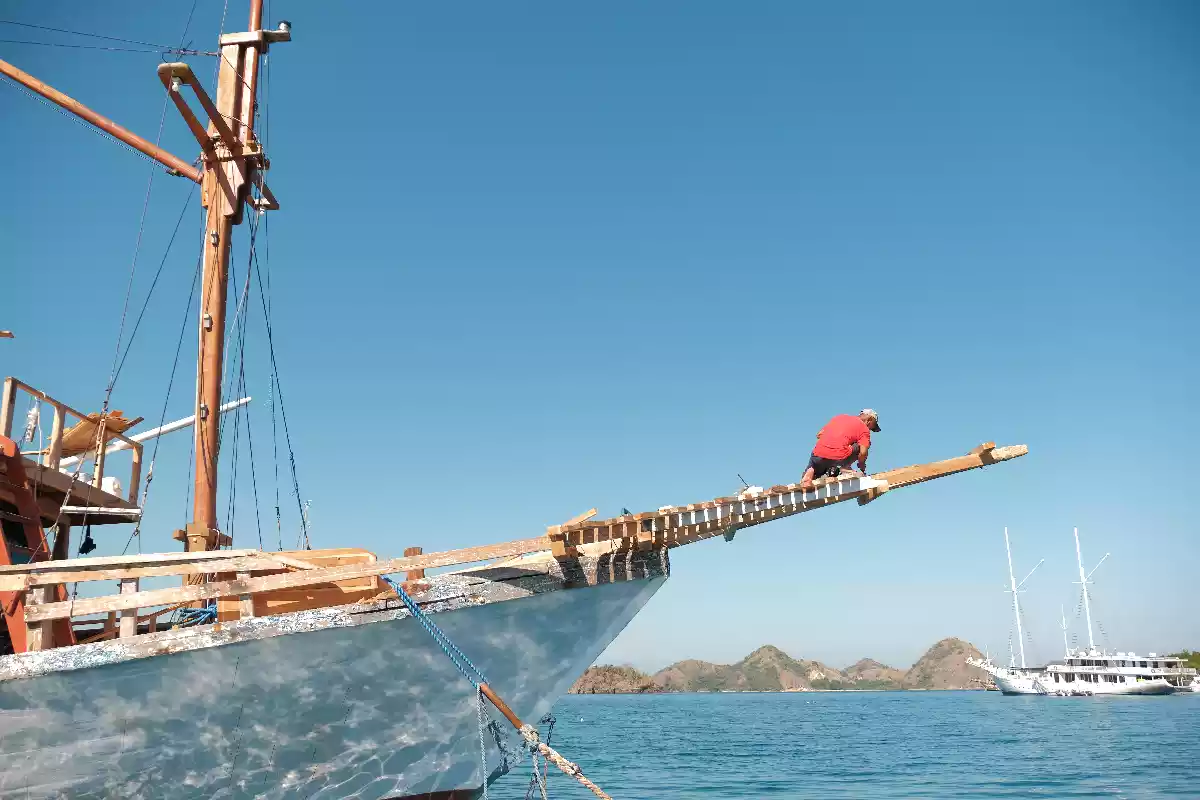


Komodo Luxury is a phinisi boat builder in Indonesia: yachts handcrafted by master shipwrights in Bulukumba, South Sulawesi, and finished with modern engineering and luxury interiors. Each Phinisi is built with meticulous attention to detail, from hull to handover, to charter-ready standard.
Our Phinisi yachts are engineered for long service life. Built with sustainable materials like teak and ironwood, each yacht meets regulatory standards for international charters. From design stages to final delivery, we document every build stage to survey-grade, charter-ready condition.
Komodo Luxury offers custom Phinisi boat construction and luxury yacht builds in Indonesia — supporting owners who intend to place a vessel into charter operation. We combine legendary Indonesian craftsmanship with bespoke boat design, full-service boat management and charter market access across Komodo, Raja Ampat, Bali, and Labuan Bajo. From design to delivery, every detail is crafted for both performance and luxury. Build engagements are quoted per project; as market context, comparable vessels charter for USD 1,800-30,000 per yacht / night.
Yes — Komodo Luxury is a boat builder, and construction is contracted through PT Komodo Galangan Nusantara, the shipbuilding entity of the group. Since 2015 we have designed, built, and operated custom phinisi and liveaboard yachts, constructed with master shipwrights at the phinisi yards of Bira and Tana Beru in Bulukumba, South Sulawesi, and delivered to charter standard with BKI class support. We are also an operator, not only a yard: the group charters the vessels it builds across Komodo and Raja Ampat, and holds TripAdvisor Travelers’ Choice recognition for that fleet — so every hull we lay down is one we are prepared to run ourselves. New builds, completion of unfinished projects, and construction from your own plans are all handled by one accountable team from first drawing to sea trials.

Building a custom phinisi in Indonesia typically costs between USD 300,000 and USD 4,000,000 at published market ranges, with 40 m+ superyacht-class projects reaching USD 10 million or more. The final figure depends on hull length, timber grade, engineering systems, and the level of interior fit-out — which is why every Komodo Luxury build starts with a written specification and a fixed, milestone-based quotation rather than a per-metre estimate.
| Vessel class | Typical configuration | Indicative cost (market range) |
|---|---|---|
| 20–30 m phinisi | Private or boutique liveaboard, 2–4 cabins | USD 300,000 – 1,500,000 |
| 30–40 m luxury phinisi | Charter-standard, 4–6 cabins, full guest systems | USD 700,000 – 4,000,000 |
| 40 m+ superyacht-class | Bespoke flagship, expedition-grade systems | USD 1,800,000 – 10,000,000+ |
How these ranges are set. They are compiled by the Komodo Luxury build desk from published Indonesian yard price guides, then cross-checked against the specification structure this desk quotes against at the Bira and Tana Beru yards in Bulukumba, South Sulawesi. Currency is USD throughout; Indonesian government and classification fees are quoted separately in IDR at the rate of the day. Ranges are for planning, not quotation — your specification sets the final price. Last reviewed by the build desk on 19 August 2026.
The category-by-category breakdown of a real 30–35 m contract — hull and structure, interior fit-out, machinery, systems, design supervision and statutory work — is set out in full further down this page under what a 30–35 m build budget actually covers, together with the method used to allocate it. A wider multi-vessel comparison across speedboats, fibreglass yachts, dive liveaboards and steel hulls is maintained separately at Boat Construction Indonesia.
Does it cost less to build a boat in Indonesia than in Europe? Generally, yes. Published Indonesian phinisi build ranges sit in the hundreds of thousands to low millions of US dollars — a bracket where comparable Western custom builds of similar size and finish typically only begin. The difference comes mainly from skilled labour rates and direct access to certified tropical hardwoods, not from lower build standards: our vessels are finished to the same charter standard we operate ourselves across the Komodo and Raja Ampat fleet. Owners planning to charter their vessel can review the economics on our boat investment page.
A custom phinisi typically takes 10 to 30 months from keel laying to handover, depending on vessel size and interior complexity. Published Indonesian build guides place a 20–25 m vessel at roughly 10–14 months, a mid-size luxury build at 18–24 months, and superyacht-class projects at 24–30+ months. Hull construction is the longest single phase; design, systems installation, and fit-out run before and after it.
| Vessel class | Hull construction | Keel-to-handover (market range) |
|---|---|---|
| 20–25 m | ~8–12 months | 10–14 months |
| 30–40 m | ~12–18 months | 18–24 months |
| 40 m+ | ~18–24+ months | 24–30+ months |
Timelines hold when three things are managed early: the design package is frozen before the keel is laid, timber is sourced and seasoned in advance, and one team supervises the yard continuously. That is how our five-stage process above is structured — naval architecture and interior decisions are completed with our boat design service first, so the yard never waits on drawings. Every build concludes with sea trials and a documented handover, and you can see the results among recently launched phinisi yachts from the wider Komodo Luxury group, alongside our own Ayvara and Vinca portfolio above.
If a multi-season build timeline does not fit your plans, our sale desk lists pre-owned phinisi for sale that can be surveyed, transferred and earning within a single season.
Komodo Luxury completes boat builds that other yards started. If your project has stalled — a yard that closed, a builder who under-delivered, or a hull that outgrew its original team — we take it over and carry it to launch. The process starts with an on-location hull survey and structural audit wherever the vessel stands: our teams travel to yards across Indonesia, from Bira and Tana Beru in Bulukumba to Kendari and beyond. We then issue a written condition report, a revised specification, and a milestone-based completion schedule before any work begins.
Takeover requests are a growing share of our build desk inquiries — a recent example is a 53-metre, 8-cabin charter build at 40% completion, structurally finished but still needing systems, fit-out, and certification to reach delivery. Projects at that stage benefit most from what we already run daily: naval architecture review, yard supervision, BKI class documentation, sea trials, and documented handover. Where the structural audit reveals remedial work, our boat repair team completes it within the same schedule.
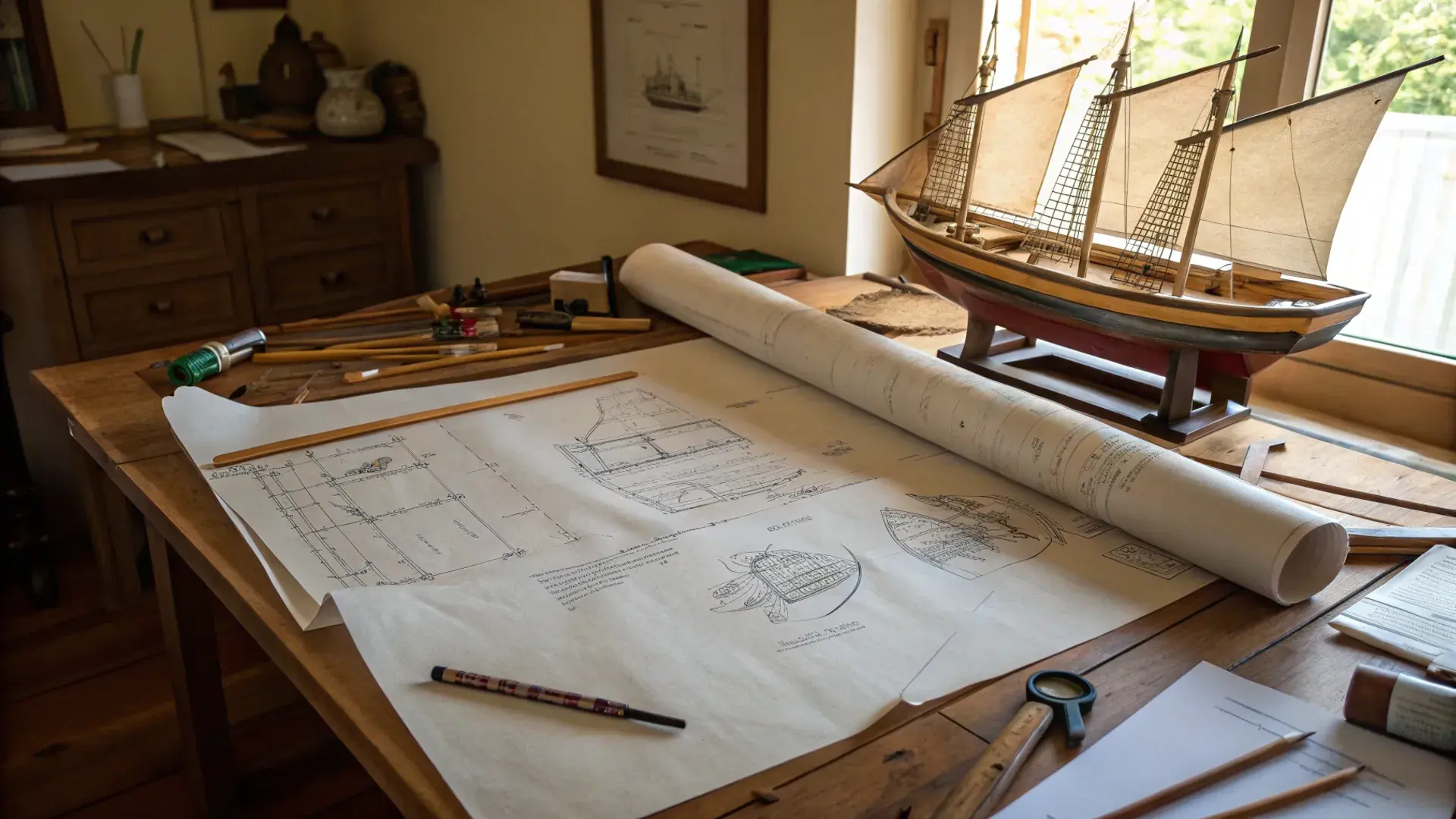
You can bring your own plans — we build them. Alongside traditional wooden phinisi, Komodo Luxury constructs steel, aluminium, and FRP hulls from owner-supplied design packages: internationally published stock plans, CNC-cut kit designs, or a full custom package from your own designer. Every package is reviewed by the naval architects behind our boat design service — stability, scantlings, and buildability at Indonesian yards — before we issue a fixed, milestone-based quotation. CNC-cut steel and aluminium kits are precision-cut to your drawings, welded and faired in-yard, then finished to the same charter standard as our wooden fleet. If your plans are incomplete — hull lines without systems engineering, or a sail plan without an interior — our designers complete the package first, so the yard never waits on drawings.
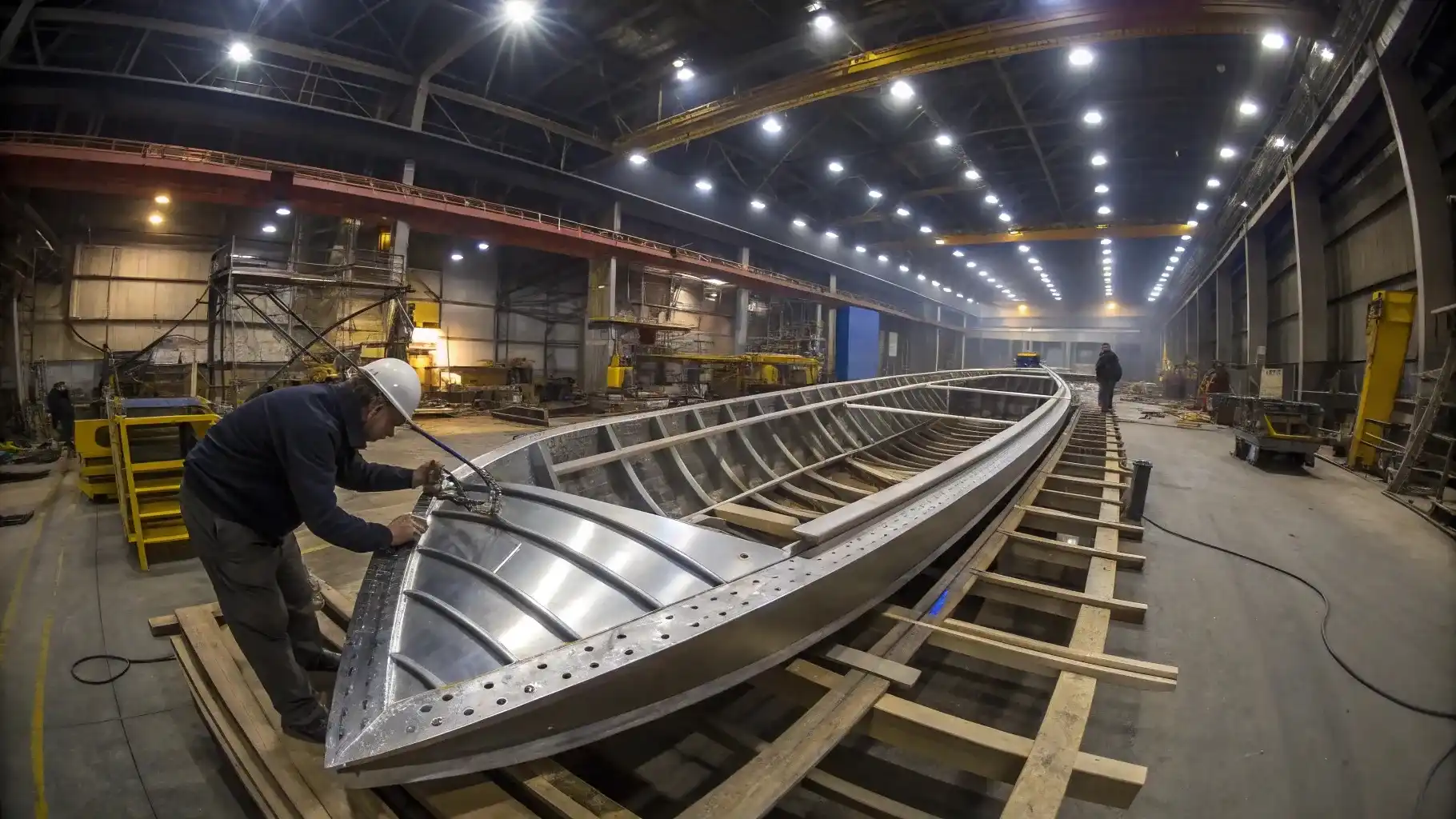
Choose a phinisi shipyard by verifying four things before any deposit: launched vessels you can physically board, a written milestone-based contract, classification support, and continuous build supervision. Price alone is the least reliable signal — the lowest-priced keel in the yard is rarely the lowest-cost boat at sea.
A sound build contract includes a full technical specification annex, general arrangement drawings, a milestone schedule with the payment plan tied to it, the materials specification, a variation-order procedure, sea-trial acceptance criteria, and warranty terms. If any of these is missing, the contract is not ready to sign.
Komodo Luxury builds with master shipwrights in Bulukumba, South Sulawesi — the home of Indonesia's phinisi tradition, centred on the phinisi yards of Bira and Tana Beru — and manages the entire process end-to-end: design, yard supervision, certification, sea trials, and delivery. First-time owners can also read this step-by-step guide to commissioning a phinisi, then start with a private consultation on WhatsApp.
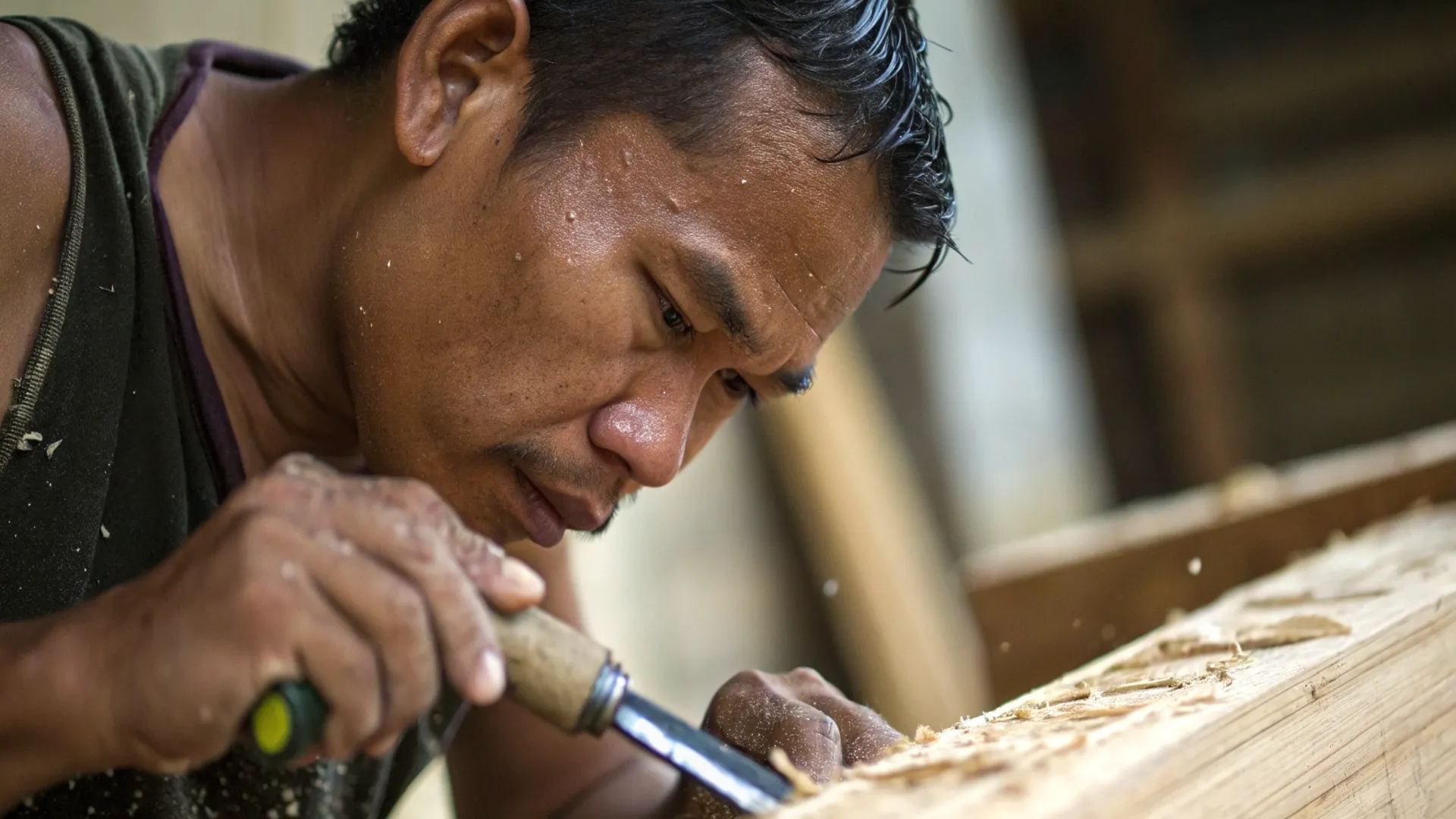
A well-maintained wooden phinisi is commonly cited in published guides to last 15–30 years, and teak-built hulls can exceed 30 years with disciplined annual care. Longevity is decided twice: first at the yard, by timber selection and seasoning, and then every year afterwards, by the maintenance program.
The best wood for a phinisi follows the traditional pairing: ulin (Bornean ironwood) for the keel and frames — exceptionally dense and marine-borer resistant — and teak for planking, decks, and interiors, where its natural oils resist rot and weathering. Yes, teak is genuinely good for boat building; it has been the benchmark marine timber for centuries, which is why we combine both species in our builds, sourced legally and seasoned before a single frame is raised. For a wider comparison of marine timbers, see our guide to the types of wood used for boats.
After launch, lifespan is a maintenance question. Owners who keep their vessel with us move straight into a structured care program under boat management, with refit and dry-dock work handled by our boat repair team — one accountable group from keel laying through every year the vessel sails.

A realistic all-in budget for a 30–35 m charter-standard phinisi splits roughly into eight categories: hull and structure take about a third, interior fit-out is the second-largest line, and machinery, systems, design supervision and statutory work absorb the rest. An owner-held contingency sits outside the yard price. The table below allocates a reference contract value across those categories.
| Budget category | Share of contract value | Indicative USD (30–35 m) | What sits inside the line |
|---|---|---|---|
| Hull & structure | 30–36% | 360,000 – 940,000 | Ulin keel and frames, teak planking, caulking, sealing, yard labour |
| Interior fit-out & joinery | 18–26% | 215,000 – 680,000 | Cabins, saloon, galley, heads, soft goods, finishes — the widest band on the page |
| Propulsion & machinery | 12–17% | 145,000 – 445,000 | Main engines, gearboxes, shafting, steering, generators, tankage |
| Systems & electrical | 10–14% | 120,000 – 365,000 | Electrics, air-conditioning, watermaker, plumbing, bilge and fire systems |
| Design, naval architecture & supervision | 5–8% | 60,000 – 210,000 | General arrangement, stability and scantlings, continuous yard supervision |
| Deck equipment, rigging & tenders | 4–7% | 48,000 – 180,000 | Windlass, davits, rig and sails, tender, dive compressor and water toys |
| Navigation, safety & communications | 4–6% | 48,000 – 155,000 | Bridge electronics, liferafts, EPIRB, firefighting, satellite communications |
| Class, survey, registration & statutory | 1.5–3% | 18,000 – 78,000 | BKI class support, tonnage measurement, registration, safety certification |
| Owner contingency (held outside the yard price) | 8–12% | 96,000 – 310,000 | Variation orders, specification upgrades, currency movement, delivery voyage |
How this table was built. Category shares are the specification structure our build desk quotes against; the USD column applies those shares to a reference contract value of USD 1.2–2.6 million, the part of the published 30–40 m range above that a charter-standard 30–35 m specification usually occupies. Figures are indicative allocations for planning, not a quotation, and exclude owner-supplied equipment, delivery voyage crew, and import duties in a foreign registry. Category shares are stated to sum to roughly 100% at their mid-points; contingency is additional. Prepared by the Komodo Luxury Build Desk, reviewed 19 August 2026.
Two lines move the total more than any other: interior fit-out and machinery. A dive-focused layout with a working deck and a luxury charter interior on the same hull can differ by a seven-figure sum, which is why the specification is frozen with our boat design team before the keel is laid. Owners who intend to charter should read the same numbers alongside the returns modelled on our yacht investment page.
Pay an Indonesian shipyard against verified build milestones, never against calendar dates. Each release should be conditional on a physical stage a surveyor can inspect, with a retention held past delivery. The schedule below is the milestone structure Komodo Luxury writes into its build contracts, issued by PT Komodo Galangan Nusantara.
| Stage | Release condition (verified before payment) | Share of contract |
|---|---|---|
| 1. Contract & design freeze | Signed general arrangement, technical specification annex and milestone schedule | 15% |
| 2. Keel laid, frames erected | Surveyor report plus dated photographic record at the yard | 20% |
| 3. Hull planked, caulked, sealed | Structural sign-off against the scantlings in the specification | 20% |
| 4. Machinery installed and aligned | Main engines, gensets and shafting installed, alignment recorded | 15% |
| 5. Systems complete, interior fitted | Electrical, plumbing, HVAC commissioned; joinery and finishes accepted | 15% |
| 6. Sea trials and documented handover | Trial acceptance criteria met; certificates and document pack delivered | 10% |
| 7. Retention release | Held to the end of the agreed defects-liability period after delivery | 5% |
Provenance. Stage weightings are the standard schedule used in Komodo Luxury build contracts; individual contracts vary with vessel size, material and owner-supplied scope. Shares total 100%. Reviewed 19 August 2026 by the Komodo Luxury Build Desk.
Copy this list into your request for proposal and ask every yard to respond to it line by line. A builder who cannot answer these in writing is telling you something useful.
Ask for the yard’s company deed and business identification number and check the legal entity actually signing; ask for two vessels delivered in the last three years and contact those owners directly; ask who carries the naval architecture and whether class survey reports exist; walk the yard and count hulls in progress against the workforce present. Verify the entity, the references, the engineering and the capacity — in that order. Contracts for construction, repair and vessel sale in our group are issued by PT Komodo Galangan Nusantara; management contracts by PT Komodo Vessel Management; brokerage and charter marketing by PT Komodo Bahari Nusantara. Separate contracts, separate fees, separate ledgers.
A foreign investor building a commercial charter yacht in Indonesia works through four separate approvals: an Indonesian legal entity to own the vessel, classification and tonnage measurement, flag registration, and a sea-transport business licence before the first paying guest boards. Class and registration run in parallel with the build; the licence follows the vessel’s papers.
| What it governs | Body or instrument | Why it matters to the build | Where to verify |
|---|---|---|---|
| Classification and survey | Biro Klasifikasi Indonesia (BKI) | Class notation drives scantlings, machinery approval and the survey cycle from first steel or first frame | bki.co.id |
| Tonnage measurement (GT) | Measurement certificate issued under the Ministry of Transportation | Gross tonnage sets the certification tier, minimum crewing and statutory fees for the vessel’s whole life | dephub.go.id |
| Registration and flag | Directorate General of Sea Transportation | Indonesian flag and the deed of registry establish title and nationality; mortgage registration depends on it | dephub.go.id |
| Seaworthiness and safety certification | Harbourmaster (Syahbandar) | Safety equipment, manning and sailing approval — the practical gate before every departure | dephub.go.id |
| Commercial carriage of passengers | Sea transport business licence held by an Indonesian legal entity | Charter revenue requires the licence to sit with the operating company, not with the vessel | oss.go.id |
| Foreign ownership and company form | Foreign investment company (PT PMA) via the online single submission system | Decides who may hold the vessel and at what shareholding; set this up before the keel, not after launch | oss.go.id |
| Domestic carriage (cabotage) | Law No. 17 of 2008 on Shipping | Domestic commercial voyages are reserved for Indonesian-flagged vessels, which shapes the ownership plan | dephub.go.id |
Provenance and limits. This table maps the approvals a build project touches and points to the issuing bodies; it is a planning map compiled by the Komodo Luxury Build Desk on 19 August 2026, not legal advice, and it states no licence held by us. Requirements, thresholds and fees change — confirm the current position with the issuing authority and Indonesian maritime counsel before signing anything.
Most foreign owners who intend to earn charter income in Komodo and Raja Ampat end up with the same shape: an Indonesian company holding the vessel and the sea-transport licence, the vessel on the Indonesian flag, and a written management agreement covering crew, maintenance and revenue reporting. Private, non-revenue use of a foreign-flagged yacht follows a different route through temporary import and cruising permits. Decide which of the two you are building for before the design is frozen — the answer changes the specification, the certification tier and the crewing plan. Post-delivery operation is handled under boat management, and the revenue side is modelled on our yacht investment page.
Tell us what you want to build — a new phinisi, a takeover completion, or a hull from your own plans — and our build desk replies on WhatsApp within one hour with the next step: a short specification call, then a written, milestone-based quotation in USD. Message +62 811-3823-875 for your free project quote — no obligation.
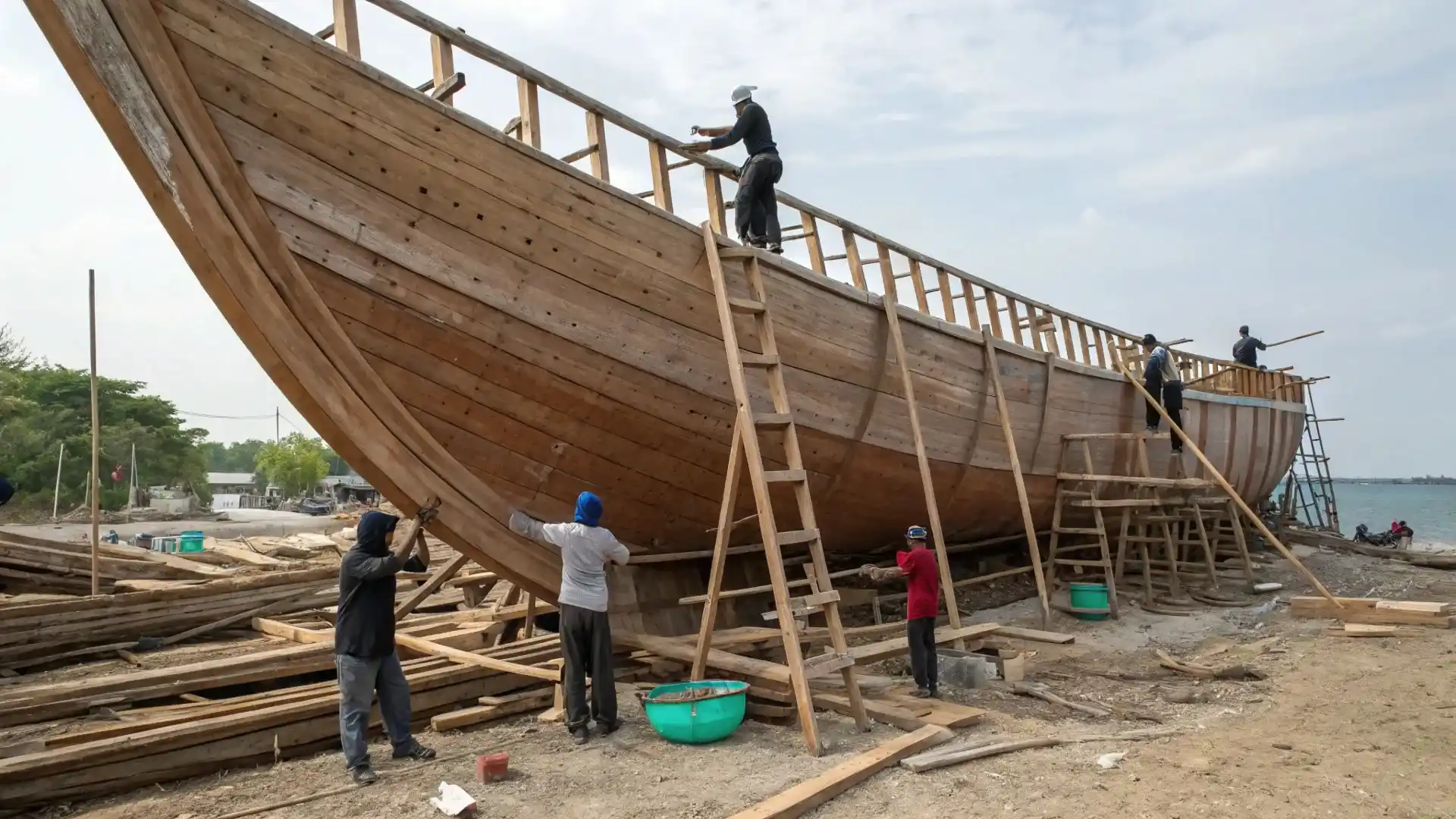
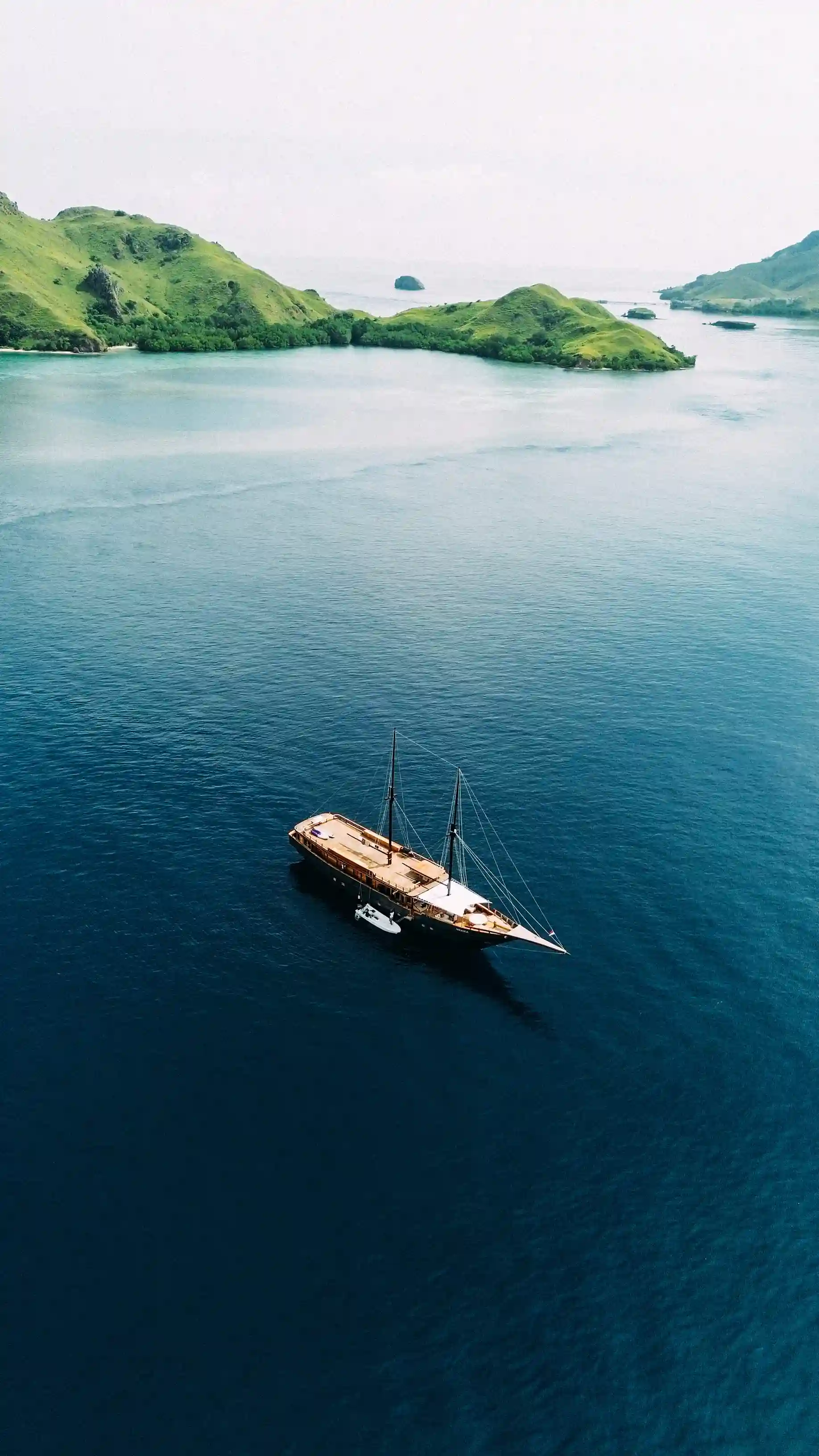
We guide you through every critical stage of custom Phinisi boat construction and luxury yacht building in Indonesia. From idea to open water, our process is tailored for high-end clients seeking a seamless, transparent experience with long-term value.
Every Phinisi boat starts with a vision. Our team of expert designers and naval architects collaborate closely with you to bring your dream yacht to life. Whether you're looking for a traditional wooden aesthetic or a modern, luxurious design, we guide you through every design decision, ensuring that every detail aligns with your expectations.
The strength and beauty of a Phinisi yacht come from its materials. We exclusively source the highest quality teak wood, ironwood, and marine-grade metals for our boats. We prioritize sustainable sourcing to minimize environmental impact while ensuring that every yacht is built to withstand the challenges of the open sea. Learn more about the materials we use in the next section.
Our expert shipwrights in Bulukumba, Sulawesi, use traditional techniques combined with modern construction practices to craft each boat. The hull is built first, followed by the decking, interior finishes, and luxury fittings. Our team ensures that every component meets strict safety and quality standards at every stage.
We conduct comprehensive QA inspections at each build stage to ensure that the yacht is safe, reliable, and ready for use. All our boats are built to comply with international safety regulations and charter certifications. We ensure all classing certifications and regulatory standards are met before delivering your yacht.
Once the yacht is complete, we schedule a final inspection, followed by sea trials to test the boat's performance. After passing all inspections, your boat is officially ready to be delivered to you, complete with all necessary documentation, certifications, and warranties.
We offer turnkey yacht investment opportunities tailored for discerning investors seeking profitable ventures in the luxury yacht market. From custom boat construction for Komodo to luxury yacht management in Bali, our integrated programme covers build, management and charter operations; charter income depends on occupancy, season and cost base.
With our boat management services in Indonesia, you can enjoy stress-free yacht ownership. We handle everything—from crew management to regular maintenance—ensuring your yacht is charter-ready at all times.
Our team of hospitality experts ensures top-tier service and operation, with service standards and procedures refined across our own operating fleet.
Gain immediate exposure in the luxury charter market in Bali, Komodo, Raja Ampat, and Labuan Bajo. Occupancy and revenue vary by season and vessel class; both are reported transparently.
Charter returns depend on vessel class, occupancy, season and operating cost, and we model them per project rather than quoting a blanket figure. We share the assumptions, cost base and downside case in writing before any commitment.


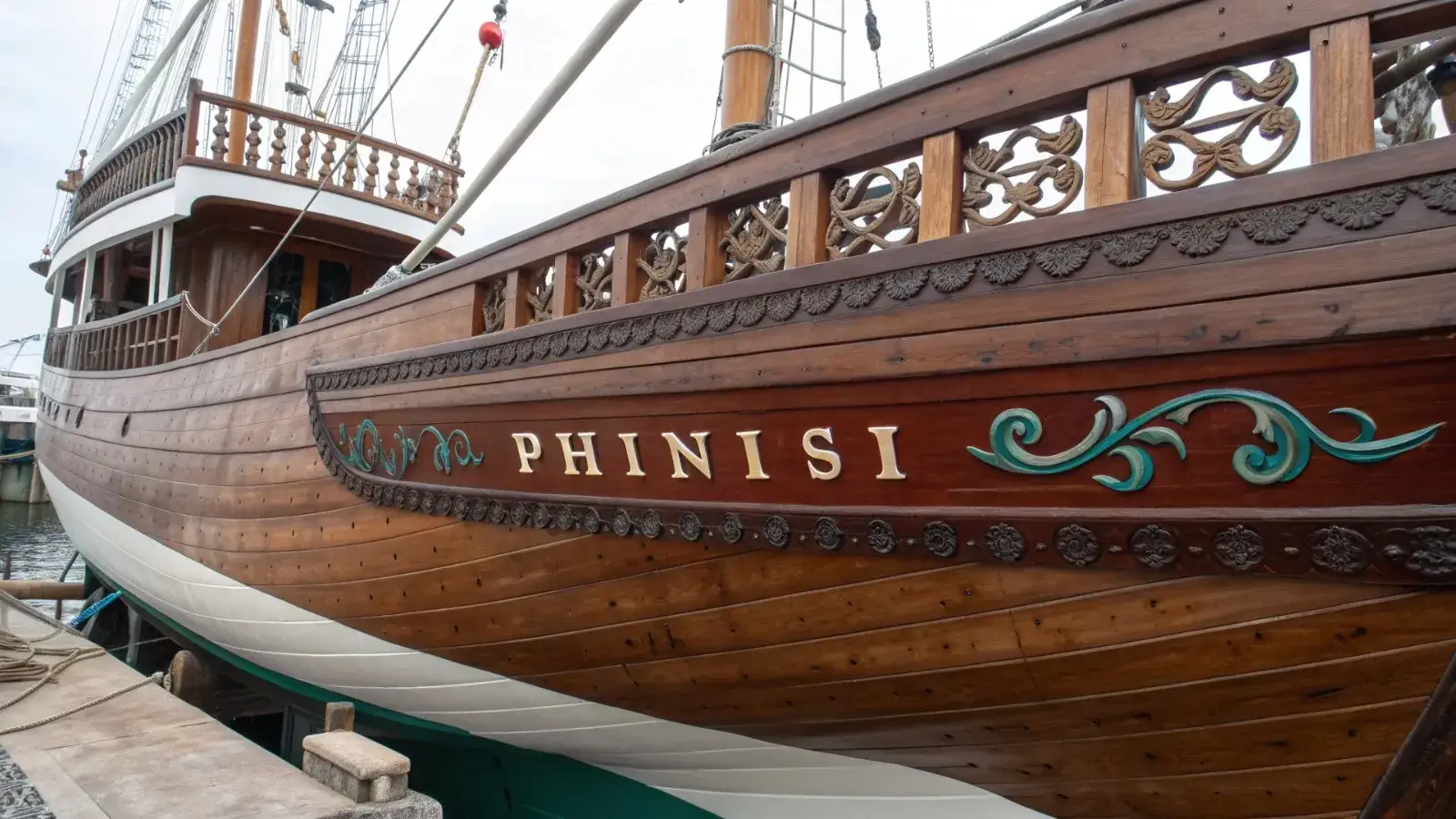


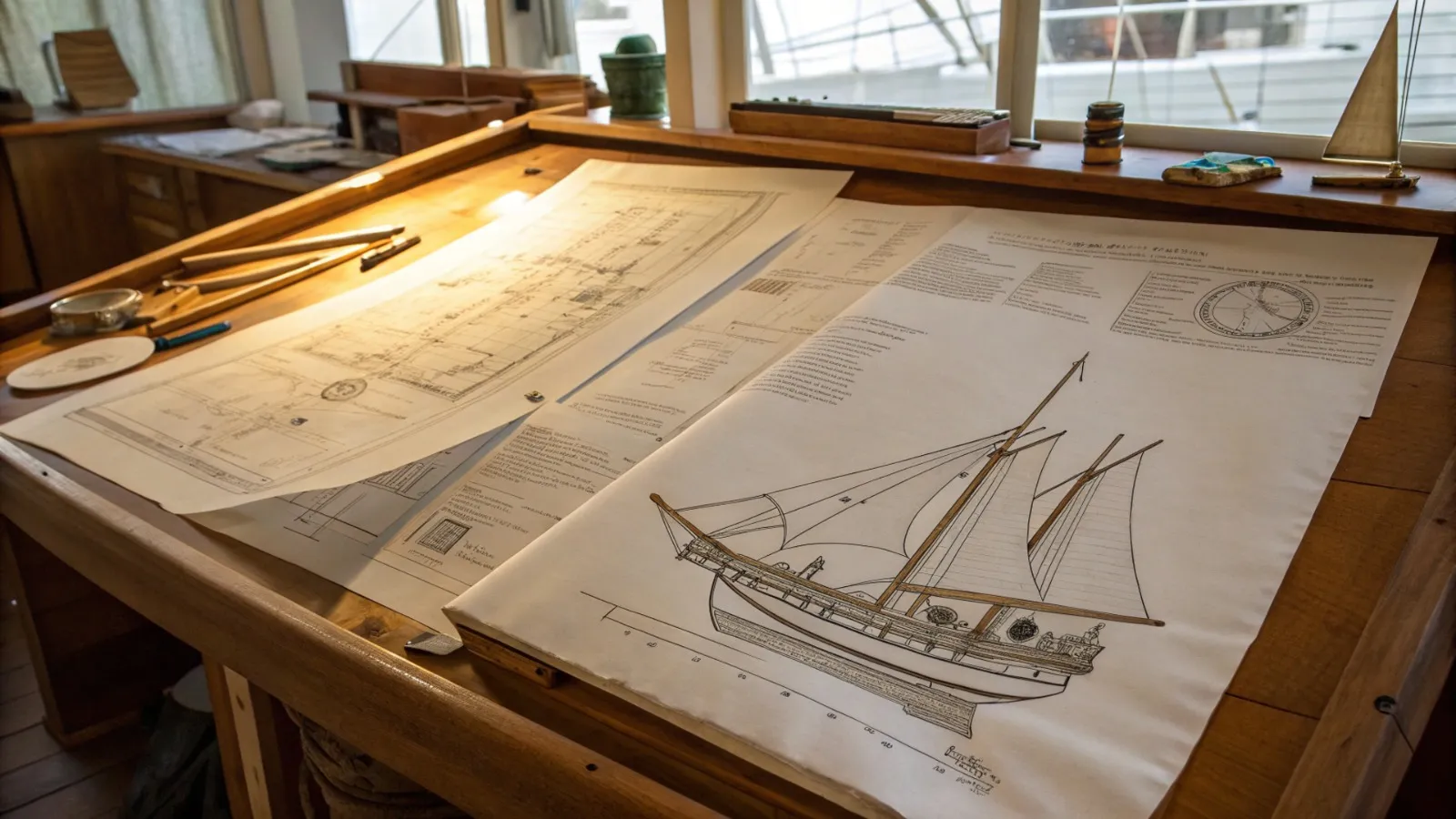
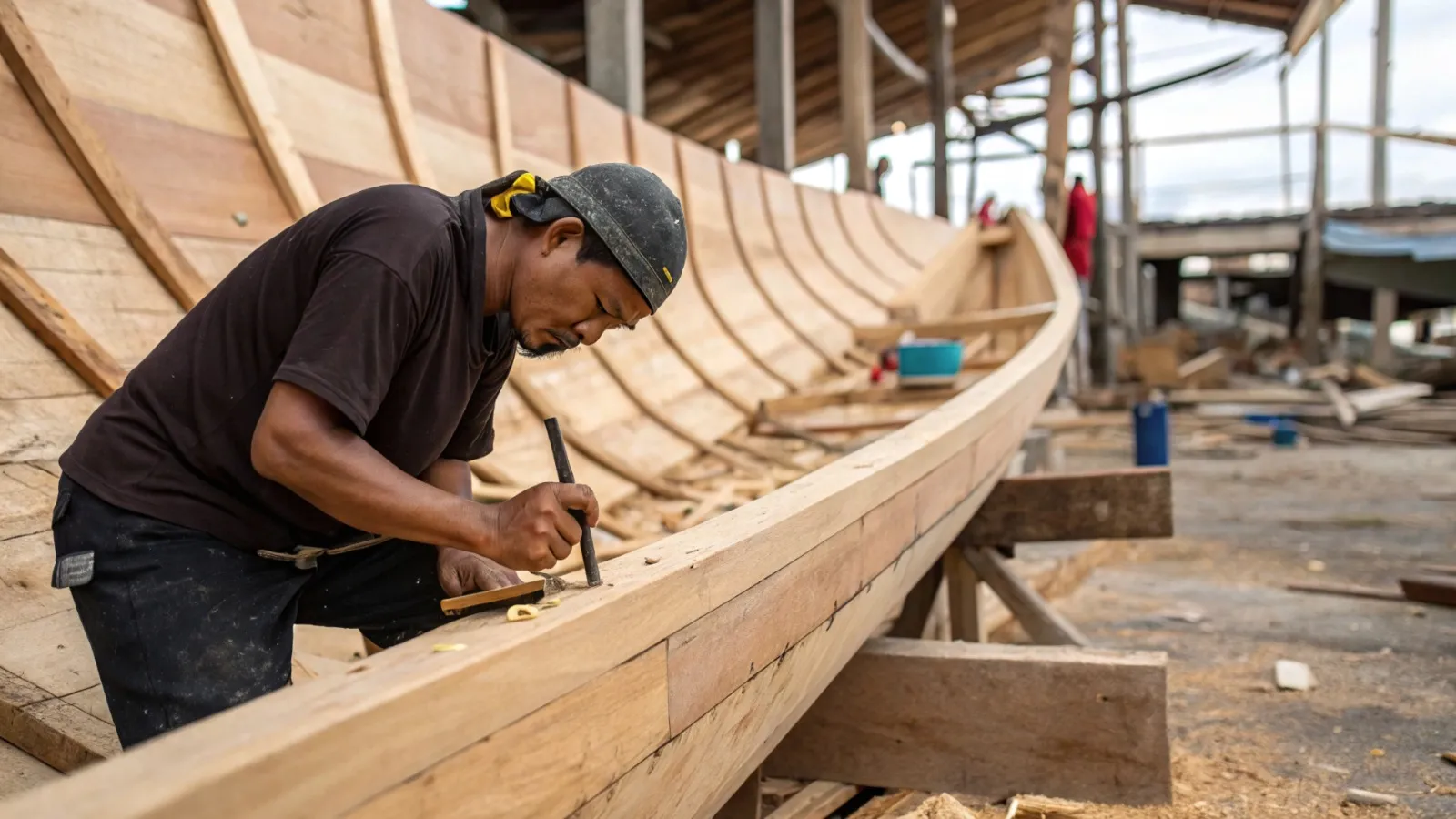
At Komodo Luxury, we combine traditional craftsmanship from the renowned Phinisi boat builders of Sulawesi with modern luxury to create yachts that are both culturally rich and sustainable. Crafted using eco-friendly materials like sustainably sourced teak and ironwood, our yachts reflect a commitment to both heritage and environmental responsibility. Built in Bulukumba by skilled artisans, each yacht blends timeless craftsmanship with sustainable luxury, ensuring a vessel that stands the test of time and delivers long-term value.
We ensure that every boat we construct is fully compliant with international safety standards and meets the rigorous requirements for charter readiness. Each yacht undergoes a detailed certification process, including inspections by classification by BKI (Biro Klasifikasi Indonesia), together with compliance against the applicable requirements of SOLAS (the International Convention for the Safety of Life at Sea) where the vessel type and voyage regime require it, as well as other necessary flag-state approvals.
We also ensure the quality control throughout the build process, and that our boats are ready for international operations from the day they are launched.
Your Trusted Partner in Phinisi Construction & Luxury Chartering

Every yacht is handcrafted by Indonesia's elite Phinisi artisans, delivering unmatched quality in traditional wooden boat building.

Our Bali boat design service collaborates closely with you, crafting yachts tailored precisely to your preferences and investment goals.

From professional crew recruitment to seamless yacht operations and meticulous maintenance, our dedicated team ensures flawless yacht management service across Indonesia.

Gain immediate access to a thriving luxury charter market in Bali, Komodo, Raja Ampat, and beyond, supported by our award-winning luxury tourism platform.
Explore a selection of custom yachts successfully built and now in active charter operation across Indonesia's most desirable locations, including Komodo, Raja Ampat, and Bali.
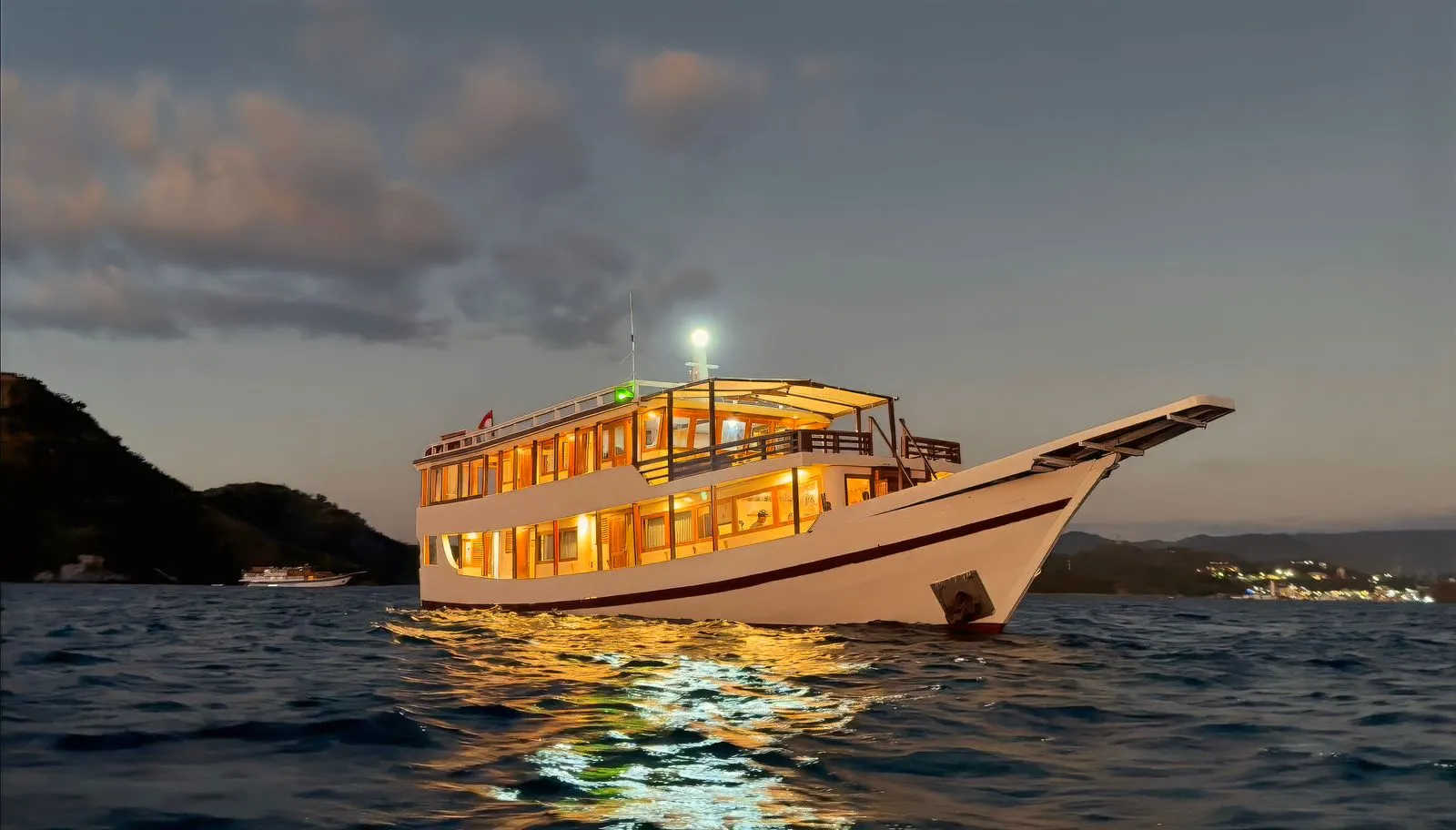
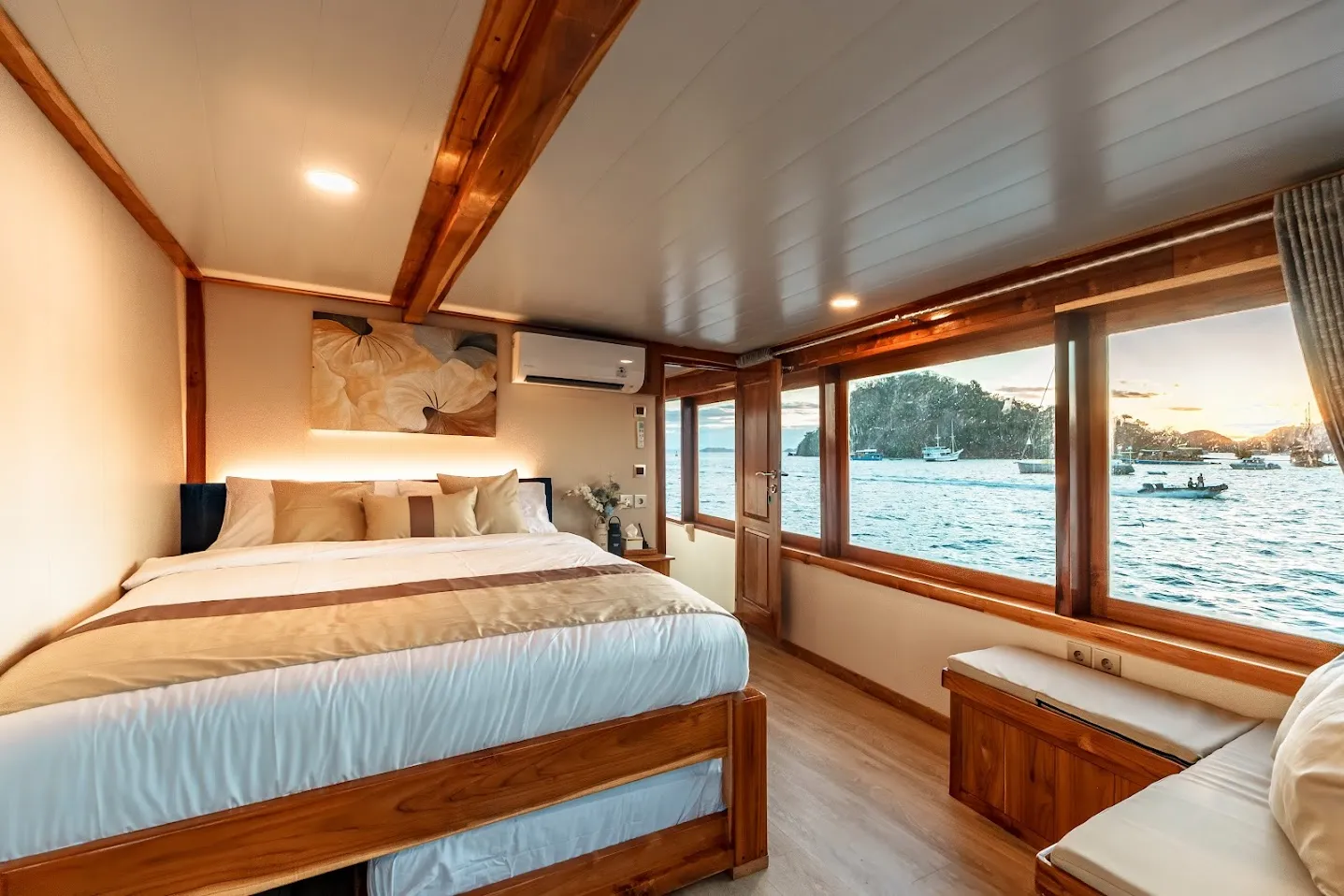
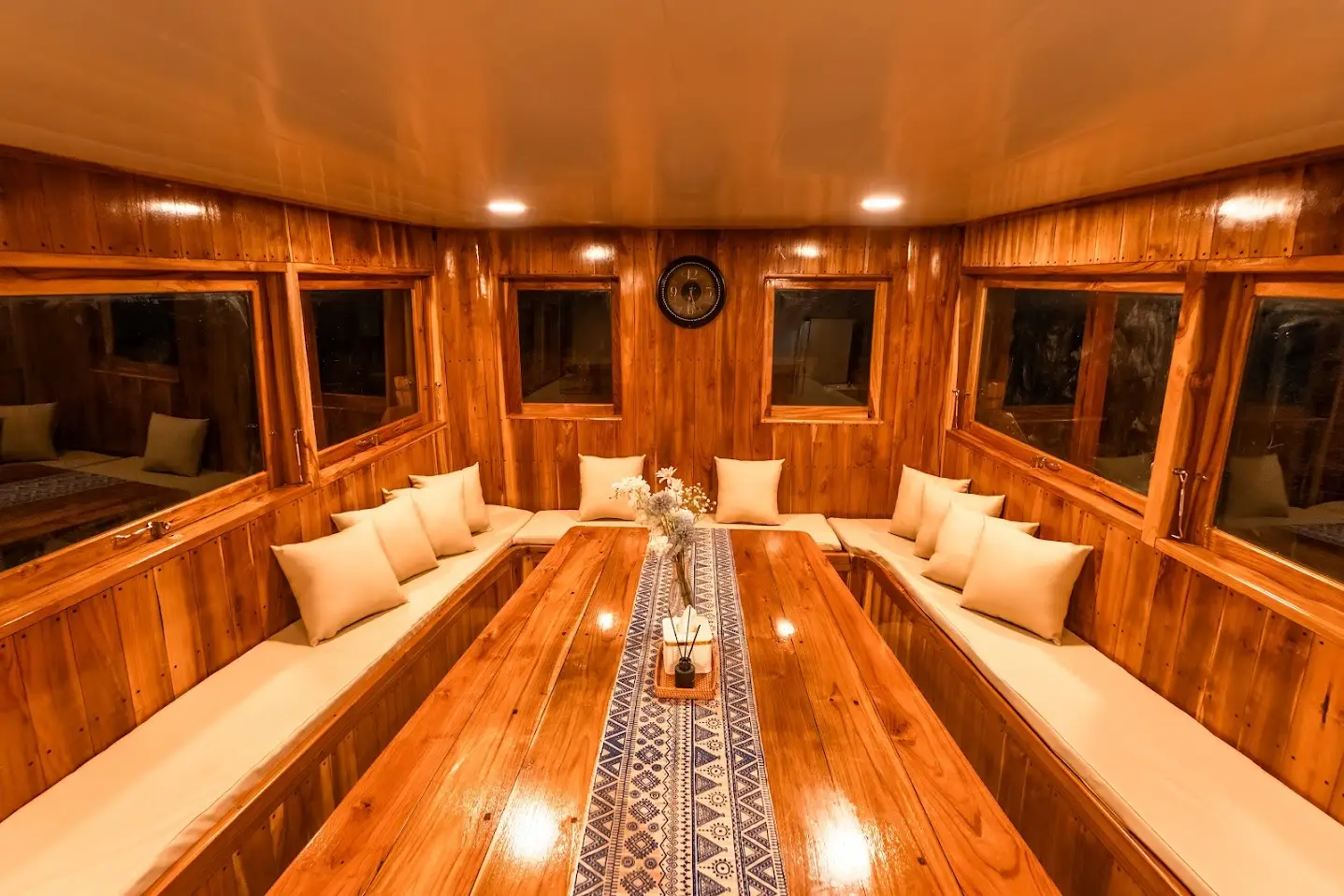


Your yacht is more than a passion project. It's a long-term asset. Let's design, build, and launch a legacy together. Request a Design Consultation or Investment Inquiry.
Ready to start your Phinisi boat journey? Request a consultation today to discuss your custom yacht design or inquire about investment opportunities. Our experts are here to guide you through every step of the process.
Four approvals run in sequence: form an Indonesian company to hold the vessel, build to BKI class with tonnage measurement, register the yacht under the Indonesian flag with the Directorate General of Sea Transportation, then obtain the sea-transport business licence before carrying paying guests. Start the company before the keel is laid.
Pay against verified build stages, never calendar dates. Our contracts release in seven steps: 15% at design freeze, 20% at keel and frames, 20% at planked hull, 15% at machinery alignment, 15% at systems and interior, 10% at sea trials and handover, and 5% retained through the defects period.
Check four things in order: the legal entity actually signing and its company deed; two owners of vessels delivered in the last three years, contacted directly; who carries the naval architecture and whether class survey reports exist; and hulls in progress counted against the workforce present at the yard.
Commercial charter work normally means an Indonesian company owning the vessel and holding the sea-transport licence, with the yacht on the Indonesian flag, because domestic commercial carriage is reserved for Indonesian-flagged vessels. Private, non-revenue use of a foreign-flagged yacht follows a separate temporary-import and cruising-permit route. Decide before the design freeze.
Split builds work when one team supervises both yards and the interface is written into the contract. The hull is laid at the Bulukumba yards, then moved for systems and fit-out. Three risks decide the outcome — transport, schedule handover and split warranty — so assign all three to one accountable party.
Include the general arrangement and hull lines, the scantlings and class notation required, machinery and systems schedules, tank capacities and range, an interior specification by cabin, the milestone payment structure you expect, warranty and delay terms, delivery port, sea-trial acceptance criteria, and a line-by-line response format.
Hull and structure take 30–36% of contract value, interior fit-out 18–26%, propulsion and machinery 12–17%, systems and electrical 10–14%, design and supervision 5–8%, deck gear and tenders 4–7%, navigation and safety 4–6%, and class and registration 1.5–3%. Hold a further 8–12% as owner contingency outside the yard price.
Three contract terms carry the weight: title to timber, machinery and equipment passing to you as each milestone is paid; those materials stored separately and marked with the hull number; and a retention plus liquidated-damages clause with a stated termination threshold. Independent stage verification keeps exposure to a single milestone.
Invest in Maritime Excellence – Own and Manage Your Luxury Yacht
Komodo Luxury offers a seamless ecosystem for luxury yacht investment, covering custom Phinisi construction, professional yacht management, and exclusive boat sales. Maximize your ROI with world-class maritime solutions tailored for high-net-worth individuals.
GLOBAL AUTHORITY
Recognized by leading international media for excellence in luxury maritime experiences · operating since 2015 · 4.9/5 from 1,500+ verified guests · TripAdvisor Travelers' Choice 2025 and 2026














AND OVER 400 PRESTIGIOUS NEWS SITES
Start your custom yacht build in Indonesia with Komodo Luxury. From boat construction to seamless management and charter operations in Komodo, Bali, Labuan Bajo, and Raja Ampat, we keep your yacht maintained, compliant, and charter-ready.