

Last updated: November 2026 · Prices & availability verified for the 2026/2027 season
Booking a private yacht charter in Komodo National Park involves more than choosing a beautiful phinisi, comparing cabin interiors, or finding an itinerary that includes Padar Island and Pink Beach. With several companies offering yacht and phinisi charters, how can you know whether the company you choose is genuinely responsible for the vessel, provides clear booking arrangements, and can deliver the experience you expect? A proper Komodo charter operator check helps you look beyond attractive photos and promotional promises to understand the people, vessels, and arrangements behind your sailing experience.
Before confirming your booking, you should know which company operates the vessel, whether your reservation is tied to a specific yacht, what documentation and safety provisions are available, and how unexpected changes are handled. This article explains the essential questions to ask a Komodo charter operator, what to look for in their answers, and how to evaluate the information before paying, so you can make a more informed decision about your private sailing experience.
Key Takeaways
- A Komodo charter operator check helps you identify the company responsible for selling and operating your chosen vessel, so you understand who manages your booking and voyage.
- Confirm the specific yacht assigned to your reservation, including its cabin configuration and the terms that apply if the vessel needs to be substituted.
- Request details of the vessel’s available documents and certificates, check their scope and validity, and clarify the passenger insurance coverage.
- Review the safety equipment carried onboard, the procedures for handling emergencies, and the responsibilities and experience of the crew.
- Understand how itinerary changes and cancellations are handled, including the inclusions, exclusions, and payment arrangements stated in your booking terms.
- Verify claims about wildlife sightings, sea conditions, and vessel recognition by asking for specific explanations rather than treating promotional statements as guarantees.
Essential Questions to Ask a Komodo Charter Operator Before Booking
The following questions cover the main areas to discuss with a charter company before confirming your sailing arrangements. You can use them during an initial consultation, when comparing quotations, or before paying a deposit.
1. Who Actually Operates the Vessel?
You should identify the seller, vessel operator, and entity responsible for your voyage before comparing charter proposals. Begin by asking how these roles relate, rather than assuming the brand on the website owns and operates every yacht it advertises.
Ownership is only part of the picture. You also want to understand who manages the vessel, employs or engages the crew, handles your payment, and responds if something changes during your trip.
Ask Who Owns, Manages, and Sells the Charter
Your booking conversation should establish each company’s role in plain language. A useful answer names the relevant entities and explains their relationship to your chosen vessel.
Ask:
- “Do you own, manage, or resell this vessel?”
- “If another company operates it, what is that company’s full name?”
- “Who employs or engages the captain and crew?”
- “Which legal entity will appear on my invoice?”
- “Which entity is responsible for the voyage?”
The aim is clarity, not a preference for one business structure without examining the details. If more than one company is involved, ask who handles each part of your booking and where that responsibility appears in the documents.
2. Which Specific Yacht Are You Booking?
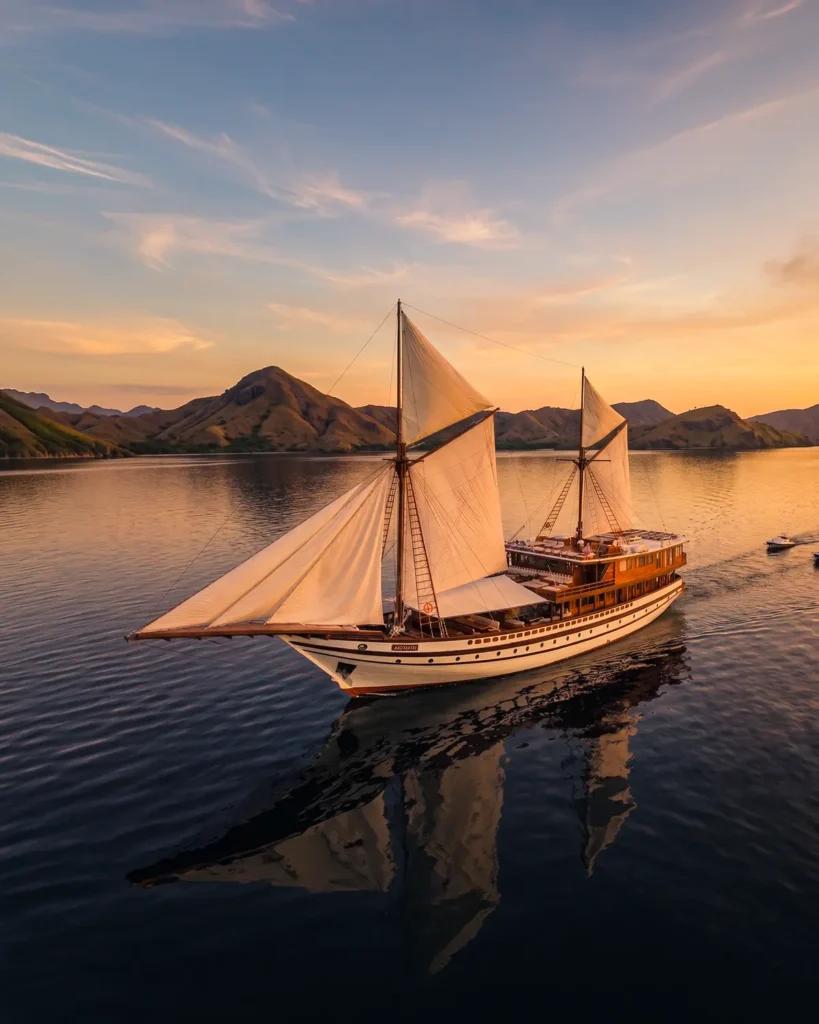
You should confirm whether your booking reserves a named vessel or only a vessel category. Otherwise, you may review one yacht’s photographs and layout without establishing whether that is the yacht your confirmation will name.
For a private yacht charter, connect the vessel identity with the accommodation and spaces your group expects to use. Ask for a current deck plan and cabin details corresponding to that vessel, not simply a representative example. A private charter specification sheet can help you compare these features, but it is not a condition survey or a complete charter agreement.
Questions to copy include:
- “Is this quotation for a named vessel or a category?”
- “Will the vessel name appear on my booking confirmation?”
- “Can you send the current deck plan and cabin-by-cabin layout?”
- “Which beds are fixed, convertible, or additional?”
- “Do the photographs show the vessel in its current configuration?”
- “Is this a whole-vessel booking, or will other paying guests be aboard?”
If cabin access, privacy, or sleeping arrangements matter to your group, describe those needs explicitly. A cabin count alone does not explain bed configuration, deck level, bathroom arrangements, or access.
You should understand what happens if the named yacht becomes unavailable before accepting the booking terms. “A similar vessel” is not sufficiently precise if the original yacht’s layout or facilities influenced your decision. Ask whether a proposed substitute requires your agreement, which characteristics would be compared, and what alternatives apply if you do not accept it. Would you be offered a refund, different dates, or another arrangement?
3. Which Documents Can the Operator Provide?
You should request vessel-specific document details, including the issuer, scope, identifying number, and expiry date where applicable. A general statement that a yacht is “fully certified” does not tell you what documents exist or what they cover. This guide does not prescribe a universal certificate list. The questions below are a starting point for obtaining information, not a determination of the requirements that apply to your proposed charter.
Ask What Each Certificate Covers
Use these questions:
- “What certificates does this vessel currently hold?”
- “Who issued them, and when do they expire?”
- “Under which category or route is the vessel authorised to operate?”
- “Can you send copies or the certificate numbers?”
- “Are any renewals due before our departure?”
Separate Inspection Records From Marketing Descriptions
You should ask who last inspected or surveyed the vessel, when the work occurred, and what it covered. Terms such as “recently checked” leave the date, reviewer, and scope unanswered. Ask whether any findings remained outstanding and whether they have since been addressed. Also distinguish a guest-area walkthrough from an inspection of technical systems, rather than assuming the same phrase describes both.
Clarify Passenger Insurance and Its Limits
You should ask what insurance is in force for passengers and what the stated limits and exclusions are. Avoid treating “insurance included” as a complete explanation.
Ask:
- “Who is the insurer, and what policy information can you provide?”
- “What passenger cover applies to this voyage?”
- “What are the limits, exclusions, and relevant activity restrictions?”
- “What, if anything, does the policy say about medical evacuation?”
Then ask your own insurer how your travel policy relates to the proposed trip and activities. Do not assume one policy replaces another or that a general insurance statement confirms cover for your circumstances.
4. What Safety Arrangements Will Be in Place Aboard?
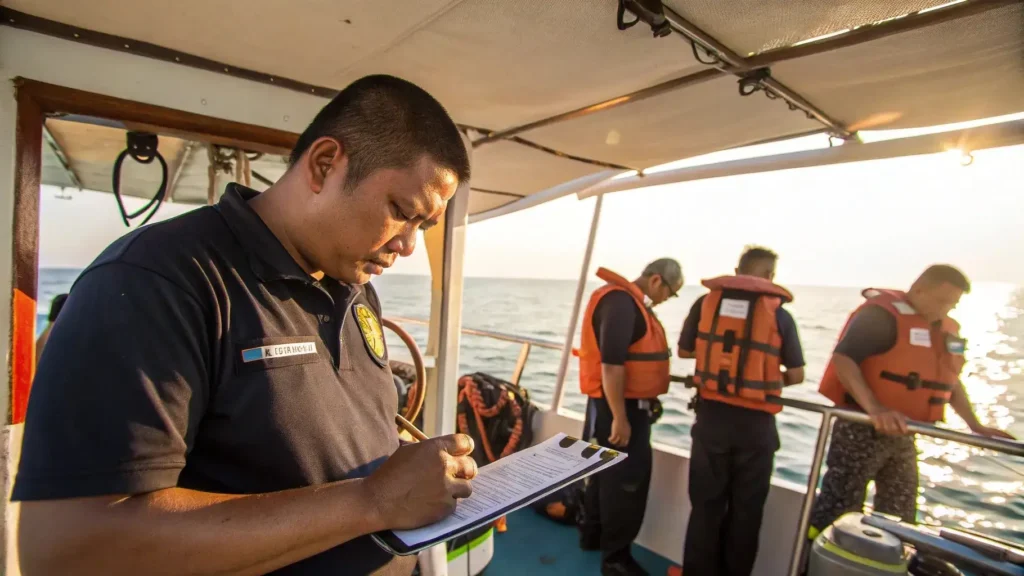
You should ask about safety equipment, emergency communications, crew preparedness, and the departure briefing for your specific voyage. Keep the discussion practical: what is carried, who knows how to use it, and what procedure applies if help is needed? A statement such as “safety is our priority” expresses an intention. Your follow-up questions should establish the arrangements behind it.
Check Equipment Against Everyone Aboard
You should ask how the equipment provision relates to the total number of people aboard, including crew. If you are travelling with children, raise their ages and sizes rather than assuming adult equipment answers the question.
Ask:
- “How many lifejackets are aboard, and in which sizes?”
- “Are suitable child sizes carried for our group?”
- “Where are the lifejackets stored, and how are guests shown their use?”
- “What life rafts are carried?”
- “What is their total capacity relative to everyone aboard?”
- “What servicing information is available for the equipment?”
Ask About Emergency Communications
You should ask what communication equipment is carried and what coverage or limitations the operator expects along your proposed route. A reference to onboard Wi-Fi does not explain the separate arrangements for contacting assistance.
Useful follow-ups include:
- “How does the vessel contact shore-based support?”
- “What happens if the primary communication method is unavailable?”
- “Who monitors or answers emergency communications?”
- “How will guests be told about communication limitations?”
Request the Medical Emergency Procedure
You should request the procedure, contacts, and route to shore-based care for your itinerary. Ask who provides the initial response aboard, how assistance is contacted, and how a transfer would be coordinated. If someone gives you an evacuation-time estimate, ask which assumptions it depends on and what its limitations are. Do not treat an estimate as an assurance.
Read more: How Komodo Luxury Ensures Safe Sailing in Komodo National Park
5. Who Will Be Aboard, and What Are Their Roles?

You should confirm the expected crew number, responsibilities, relevant experience, and briefing language for your departure. This helps you understand both the operating team and the support available to your group. Start with roles rather than a single headline crew count. Ask who serves as captain, who handles guest arrangements, and who is responsible for guiding or any separately agreed activities.
Ask About the Captain and Briefing Language
You should ask about the assigned captain’s experience in the area and whether someone aboard can explain safety procedures in a language you understand well.
Questions include:
- “How long has the captain worked in the Komodo area?”
- “How many crew are expected on this itinerary?”
- “What are their respective roles?”
- “Who delivers the safety briefing, and in which language?”
- “When will the final crew arrangements be confirmed?”
If the assigned captain or crew changes, ask how you will be informed and which details can be reconfirmed. Keep these questions tied to your departure rather than relying solely on a general description of the company’s team.
Clarify Guide and Ranger Arrangements
You should ask who guides each planned landing and what arrangements the provider has made for that location. Do not assume a yacht host, activity guide, and park ranger are interchangeable roles. Ask what qualifications or credentials the guide holds, whether ranger assistance is needed for the planned landings, and who arranges and pays for those services.
For the wider destination context, you can consult the Komodo National Park guide. However, obtain trip-specific guiding answers from the responsible provider before treating the arrangements as confirmed.
6. What Happens if the Itinerary Changes or the Trip Is Cancelled?
You should read the change and cancellation terms before paying, including the position when either you or the provider cannot proceed as planned. Ask the operator to distinguish different causes rather than grouping every disruption under “subject to change.” The practical question is not simply whether an itinerary can change. It is who decides, how you are informed, and what the agreement says about the consequences.
Separate Weather, Mechanical Issues, and Access Changes
You should ask how the booking terms address weather-related changes, mechanical problems, and changes affecting planned park visits. Request a clear explanation of the position for each, without assuming identical treatment.
Ask:
- “Who decides to change or cancel the itinerary, and on what basis?”
- “What applies if departure is delayed?”
- “What happens if the voyage is shortened?”
- “How are missed activities or landings handled?”
- “What alternatives, refunds, or credits are provided under the agreement?”
A hypothetical example can help make the answer concrete. You might ask, “If a mechanical problem prevents us from departing on the booked day, what would the written terms provide?”
Review Cancellation From Both Sides
You should check the consequences of cancellation by you and cancellation by the provider separately. Ask for deadlines, charges, refund provisions, and any stated rescheduling options. If illness is a concern, ask specifically what applies if you cancel for a medical reason. A sympathetic conversation does not establish an exception to written terms.
Your charter cancellation terms should be available for review before payment. If the quotation and terms appear inconsistent, request clarification and an updated document rather than choosing the interpretation you prefer.
7. What Is the Full Cost, and Who Receives Your Payment?
You should request an itemised quotation showing the total payable, exclusions, payment schedule, and named recipient. This allows you to compare the actual proposed arrangements rather than headline prices alone. Start with the vessel, dates, duration, guest number, and agreed itinerary assumptions. Then check which services and charges are included.
Ask for Inclusions and Exclusions by Name
You should ask about individual cost items instead of relying on “all-inclusive.” Specifically, request confirmation of:
- Park entry, activity, guide, and ranger charges.
- Airport, hotel, harbour, and tender transfers.
- Diving services and equipment, if proposed.
- Alcohol and any separately charged beverages.
- Crew gratuities and whether they are discretionary.
- Taxes, payment charges, or other stated supplements.
For park-related costs, use the Komodo National Park entrance fee guide as related reading, then confirm current amounts and inclusions with the responsible provider. Your quotation should state how those charges are treated for your particular booking.
If you are comparing different booking formats, also clarify whether the price reserves the whole yacht or specified accommodation. The private charter vs shared trip guide can support that comparison, but your own confirmation should identify what you have purchased.
Confirm the Payee Before Transferring Funds
You should establish the relationship between the payment recipient and the company named on your invoice before sending money. If the names differ, request a documented explanation and independently confirm the instructions through a trusted contact channel.
Ask:
- “What is the full account-holder or payment-recipient name?”
- “How does this recipient relate to the invoicing company?”
- “What deposit and balance deadlines apply?”
- “Which currency and transaction charges apply?”
- “What receipt and booking confirmation will I receive?”
If payment instructions change, pause to verify the change independently. Your final confirmation should name the vessel, dates, booked arrangement, and relevant terms rather than merely acknowledging receipt of funds.
8. Which Charter Claims Deserve a Follow-Up Question?

You should question claims that replace specific evidence with broad guarantees, impressive labels, or unexplained comparisons. The purpose is to understand what the statement actually means, not to reject every appealing description.
Four claims particularly deserve clarification.
- “Guaranteed Wildlife Sightings”
A wildlife guarantee deserves questions about exactly what is being promised and what happens if the sighting does not occur. Ask whether the statement describes an intended activity, a commercial promise, or a refund provision. For example: “Is the quoted itinerary offering an opportunity to look for wildlife, or does the booking agreement contain a specific guarantee?” Request the wording rather than inferring a commitment from promotional language. - “Guaranteed Calm Seas”
A sea-condition guarantee should prompt you to ask about decision-making and alternatives rather than accept it as a complete answer. Ask how the captain assesses the proposed route and how unsuitable conditions would affect the plan. The useful response is an explanation of the process and terms. Reassuring wording alone does not answer those operational questions. - “UNESCO-Recognised, Therefore Approved”
UNESCO’s inscription of “Pinisi, art of boatbuilding in South Sulawesi” recognises cultural heritage, not the inspection or approval of an individual charter yacht. The inscription concerns the boatbuilding practice and its associated knowledge and traditions. If heritage recognition is presented as a vessel-quality or safety assurance, ask which vessel-specific document supports that separate claim. You can appreciate the craftsmanship while keeping cultural recognition and technical evidence distinct. - “The Same Experience for Much Less”
A substantially lower quotation should prompt a like-for-like comparison, not an automatic conclusion about value or quality. Ask which vessel, accommodation, services, fees, and terms account for the difference. If the proposals are genuinely comparable, request an explanation of the pricing. If they are not, identify the differences before deciding which offer better suits your priorities.
Read more: How to Verify a Komodo Boat Operator Before You Pay (2026-2027 Checklist)
Your Komodo Charter Operator Checklist
Your final checklist should summarise the information you have obtained, rather than replace the documents behind it. Use the following before authorising payment:
- Seller and operating company identified.
- Invoicing entity and voyage responsibility explained.
- Specific vessel named in the booking.
- Current layout and accommodation reviewed.
- Whole-vessel or shared arrangement confirmed.
- Substitution position received in writing.
- Certificate details recorded, including issuer, scope, and expiry.
- Latest inspection or survey details requested and reviewed as appropriate.
- Passenger insurance information and limits clarified.
- Life-saving equipment discussed, including child sizes if relevant.
- Emergency communications and limitations explained.
- Medical emergency procedure, contacts, and route to care discussed.
- Crew roles, local experience, and briefing language clarified.
- Guide and ranger arrangements confirmed.
- Change and cancellation terms received before payment.
- Full inclusions, exclusions, and payment schedule documented.
- Payee identity explained and independently checked.
- Written confirmation names the vessel and dates.
An unchecked item does not, by itself, prove a problem. It identifies a question that remains open. Decide whether you need further information or qualified advice before proceeding.
Discuss Your Komodo Yacht Charter Questions With Komodo Luxury
Choosing a Komodo charter operator involves checking the vessel, its ownership and operating arrangements, onboard safety, crew, itinerary conditions, and booking terms. These details help you understand what to expect before confirming your private sailing experience.
You can use this checklist when speaking with Komodo Luxury, just as you would with any other company you are considering. As a luxury yacht charter operator, Komodo Luxury offers vessels from its own fleet as well as selected partner yachts, so ownership and operating arrangements may differ depending on your preferred vessel. Our vessel quality standard explains this distinction and provides a starting point for further questions, but does not replace your own booking-specific review.
To discuss your plans, contact our team with your travel dates, group size, preferred yacht, and accommodation or activity requirements. Request the relevant vessel details, written quotation, and booking terms before confirming so your decision reflects what has actually been agreed.