






Last updated: October 2026 · Prices & availability verified for the 2026/2027 season
Last updated: October 26, 2026
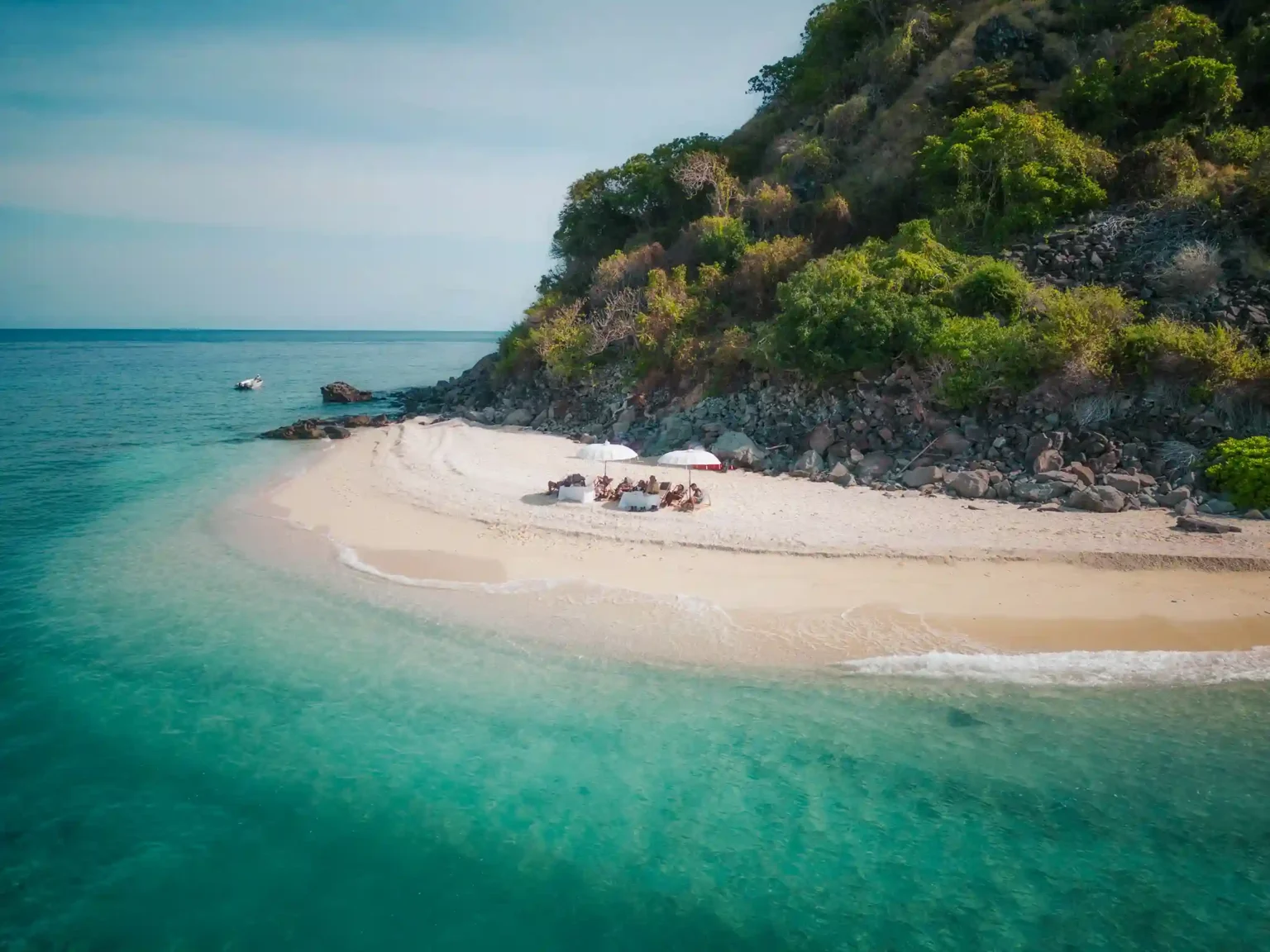
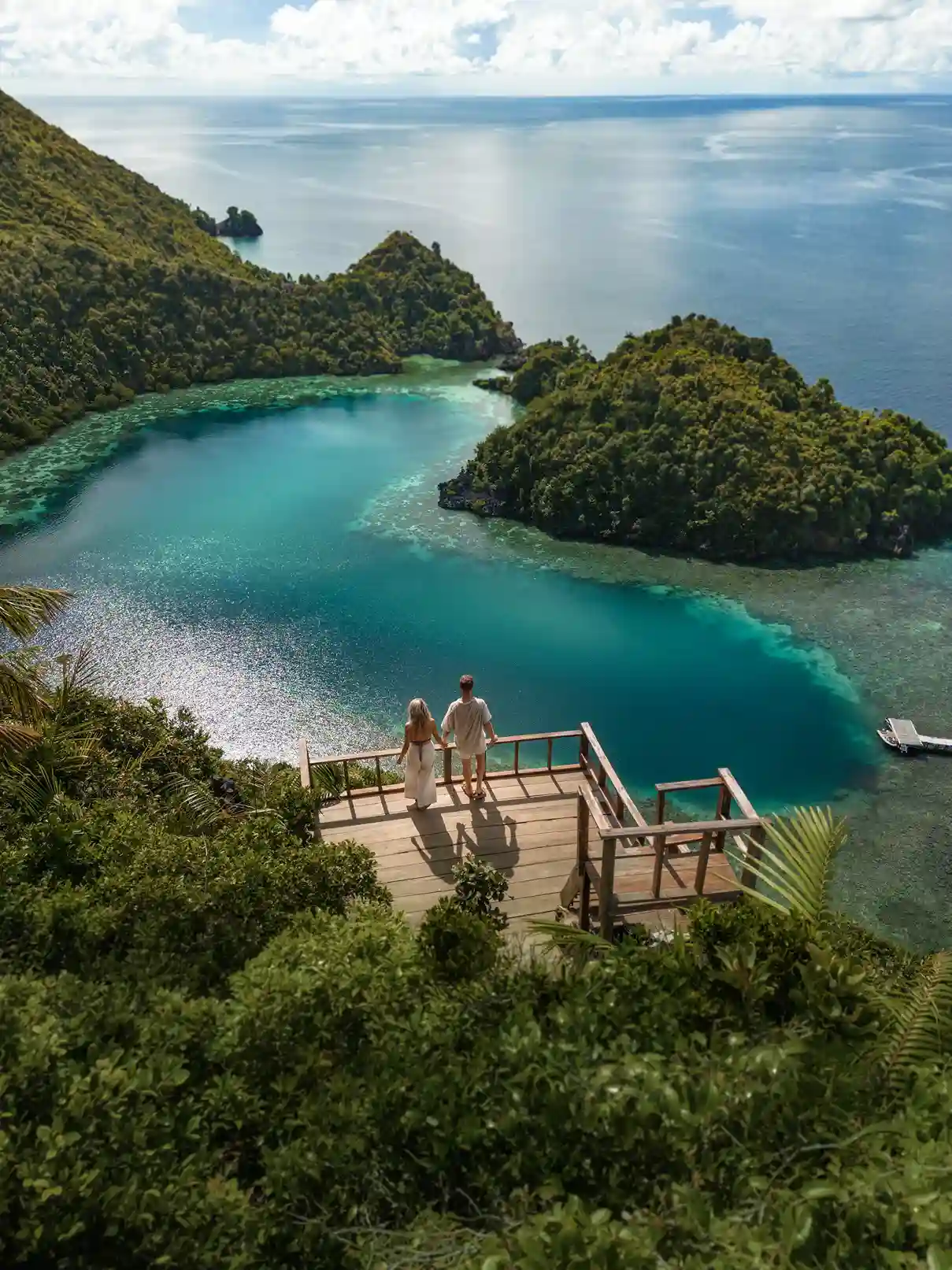
Sumba Island is one of Indonesia’s last hidden gems, raw, untamed, and absolutely breathtaking. Known for its world-class surf spots, traditional villages, untouched beaches, and luxurious eco-resorts like Nihi Sumba, this island is gaining popularity among travelers seeking more than just the usual Bali experience. But here’s the big question: How do you actually get to Sumba Island?
Sumba pairs naturally with our Komodo sailings — many of our guests fly onward from Labuan Bajo after disembarking, a connection our desk sequences weekly alongside Labuan Bajo tours.
Sumba lies just across the Sumba Strait from Komodo Luxury’s home waters — the operator has run private yacht charters in this corner of East Nusa Tenggara since 2015, and many guests pair the two islands in one trip.
Unlike Bali or Jakarta, getting to Sumba requires a bit more planning, but don’t worry, this article covers everything you need to know. From flight options, travel routes, local tips, to booking luxury experiences, we’ll walk you through the most efficient and comfortable ways to reach this paradise.
Key Takeaways
- Sumba has two main air gateways: Tambolaka Airport (TMC) in Southwest Sumba and Umbu Mehang Kunda Airport (WGP) near Waingapu in East Sumba.
- Choose your arrival airport according to your itinerary, with Tambolaka serving western Sumba and Waingapu serving the east.
- Bali is a convenient gateway to Sumba, with published NAM Air schedules showing direct flights to Tambolaka taking approximately one hour.
- Wings Air announced direct Labuan Bajo–Tambolaka flights from July 2026, with a scheduled journey time of approximately 45 minutes.
- Flight schedules, connections, and fares should be checked for your travel date rather than treated as fixed year-round information.
Where is Sumba Island Located?

Sumba Island is located in the eastern part of Indonesia, within the province of East Nusa Tenggara. Sumba lies southeast of Bali and south of Flores, within Indonesia’s East Nusa Tenggara province. If you’re looking at a map, you’ll find it nestled between better-known destinations, but that’s what makes it so special. Its remote location gives you a chance to experience Indonesia’s untouched beauty, far from the crowds.
If you are travelling by air, Sumba’s two main gateways are Tambolaka Airport (TMC), also known as Lede Kalumbang Airport, in Southwest Sumba, and Umbu Mehang Kunda Airport (WGP) near Waingapu in East Sumba. Most travelers choose Tambolaka, especially if you’re heading to iconic sites like Weekuri Lagoon, Southwest Sumba, or luxury resorts like Nihi Sumba. These areas are more developed for tourism and offer better infrastructure for visitors. Whether you’re coming for adventure, culture, or just peace and quiet, knowing where to land is the first step to planning your perfect trip.
How to Get to Sumba Island
Getting to Sumba Island may not be as straightforward as flying into Bali or Jakarta, but that’s exactly what makes it special. Because it’s tucked away in the eastern part of Indonesia, reaching Sumba often involves a combination of international and domestic flights. Let’s break down the best ways to reach Sumba, starting from international gateways.
From Bali to Sumba

One of the easiest ways to reach Sumba is by flying from Bali. From Ngurah Rai International Airport (DPS), there are direct flights to Tambolaka Airport (TMC) operated by Batik Air and Nam Air. The flight takes approximately 1 hour and 10 minutes, making it the shortest and most convenient route. On average, there are 4 to 6 daily flights, mostly departing in the morning or early afternoon. Ticket prices typically start from around USD 70, although this can vary depending on the airline and season. It’s recommended to arrive at the airport at least two hours before departure, especially during high season. This route is ideal if you’re already spending time in Bali or planning a multi-island trip in eastern Indonesia.
Read more: How to Get from Bali to Sumba 2026: Explore the Untouched Beauty
From Jakarta to Sumba

If you’re flying from Soekarno-Hatta International Airport (CGK) Jakarta, you can reach Tambolaka (TMC) with one connection, typically via Bali (DPS) or Surabaya (SUB). Airlines such as Super Air Jet, TransNusa, Citilink, and AirAsia Indonesia serve this route, offering a convenient way to get to West Sumba. The total travel time is usually between 4 to 9 hours, depending on the length of your layover. Prices typically start from about USD 132, depending on season and how early you book. Don’t forget to check connection times carefully and leave buffer time between flights, especially when transitioning from international to domestic terminals.
From Komodo to Sumba
You can travel directly from Labuan Bajo to Sumba with Wings Air’s service between Komodo International Airport (LBJ) and Lede Kalumbang Airport, also known as Tambolaka Airport (TMC). The airline announced the route effective from 23 July 2026, with a scheduled flight time of approximately 45 minutes.
According to the published launch schedule, flight IW-1916 departs Labuan Bajo at 16:05 and arrives in Tambolaka at 16:50 on Mondays, Thursdays, and Saturdays. The return service, IW-1917, departs Tambolaka at 08:10 and arrives in Labuan Bajo at 08:55 on Tuesdays, Fridays, and Sundays.
All times are local WITA. Confirm the current schedule and fare before booking, as the published launch timetable does not guarantee availability on your travel date.
Read more: How to Get From Komodo Island to Sumba 2026
Best Time to Visit Sumba Island

Sumba Island has two distinct seasons: the dry season (May to October) and the rainy season (November to April). If you’re looking for clear skies, sunny days, and easier access to remote destinations, the dry season is the best time to visit. During this period, roads are more accessible, and the island’s iconic landscapes like savannah hills and beaches show their most vibrant colors. Meanwhile, the rainy season can bring lush greenery, but also muddy paths, rougher seas, and limited transportation options.
That said, the rainy season doesn’t always mean constant rain, it often comes in short, heavy bursts. If you enjoy quieter travel and don’t mind occasional showers, this can still be a beautiful time to explore. Photographers, in particular, might appreciate the dramatic skies and misty hills during this season. However, always check the weather forecast in advance and prepare proper gear like raincoats and waterproof shoes.
How to Find the Best Tour Operator for Your Sumba Journey?
Looking for a trustworthy and experienced tour operator to explore Sumba? Here are some key tips to help you choose the best one:
- Choose a Tour Operator with Local Expertise and Proven Experience
When exploring a destination as rich and culturally unique as Sumba, it’s crucial to go with a tour operator that truly knows the land. Prioritize operators with years of experience handling trips in Sumba, preferably those who work directly with local communities. Their deep-rooted knowledge will not only give you access to hidden gems, but also ensure your trip is smooth, safe, and respectful of local traditions. - Do Your Research: Reviews, Value, and Transparency Matter
Don’t just go with the first operator you see on social media. Take time to read Google reviews, TripAdvisor ratings, and testimonials from real travelers. While comparing options, look at what’s included in the price, accommodation standards, meals, entrance fees, guide services, etc. A good tour operator should be transparent about costs and offer value that matches their price point, not just lure you in with discounts. - Evaluate Their Itinerary and Flexibility
A great itinerary strikes the balance between iconic landmarks and meaningful local experiences. Make sure the tour covers top attractions like Weekuri Lagoon or Ratenggaro Village but also allows for authentic cultural moments. Bonus points if they offer flexibility to adjust plans based on your pace, interest, or even unexpected local events that could enrich your journey. - Assess the Overall Tour Quality and On-Ground Experience
The best operators ensure every part of your trip. From airport pickup to daily transportation and accommodation is well organized and reliable. Look for those who offer comfortable, well-located stays and work with professional local guides who know the terrain, language, and customs. These details directly impact your comfort and how deep your experience can go. - Support Operators with Strong Sustainability Values
Sumba is an ecologically and culturally sensitive destination. Choose tour providers who are committed to eco-tourism, respect for indigenous culture, and local empowerment. This might mean they support village-based tourism, limit plastic use, or work with local artisans and farmers. Traveling responsibly ensures that your presence benefits the people and places you visit.
If you’re looking for a well-rounded and responsible travel experience, Sumba Tour with IndonesiaJuara Trip is worth checking out. With a focus on sustainability, authentic exploration, and seamless trip management, IndonesiaJuara Trip collaborates closely with local communities to offer immersive journeys that go beyond the surface. Whether you’re into culture, nature, or photography, their curated Sumba itinerary gives you the best of everything, without the hassle.
Tips for Your Trip to Sumba Island
Planning a trip to Sumba? Here are a few practical tips to make your experience smoother and more enjoyable.
- Currency & Payment Methods
In Sumba, it’s best to carry enough cash in Indonesian Rupiah (IDR) since ATMs are limited to bigger towns like Waingapu and Tambolaka. Most local shops and eateries don’t accept cards or digital payments, so avoid relying on e-wallets. Prepare cash especially when heading to remote areas. - Local Etiquette and Culture
Respect local customs by dressing modestly, especially when visiting traditional villages. Always ask before taking photos and avoid entering sacred spaces without permission. Small gifts like snacks or school supplies are appreciated, but avoid giving money directly to children. - Internet and Connectivity
Internet in Sumba can be slow and unreliable, especially in rural areas. A local SIM card from Telkomsel offers the best coverage, though it’s still patchy in some places. Don’t expect strong Wi-Fi outside of main towns like Waingapu or Tambolaka. - Health and Safety
Bring your own basic medications, as pharmacies are limited outside the main towns. Drink only bottled water and use insect repellent to prevent bites. Facilities are basic, so having travel insurance with emergency coverage is highly recommended.
Read more: Sumba Tour: Discovering One of Forbes’ Must-Visit Destinations
Let’s Explore Sumba Island with IndonesiaJuara Trip!
Sumba Island is a hidden gem that promises stunning landscapes, rich traditions, and authentic travel experiences you won’t find anywhere else. From secluded beaches and dramatic savannas to ancient megalithic villages, every corner of Sumba offers something unique. But planning a trip to a remote destination like this can feel overwhelming, especially if it’s your first time.
That’s where IndonesiaJuara Trip comes in. As the sister company of Komodo Luxury, IndonesiaJuara Trip specializes in organizing seamless, curated journeys across Indonesia, including a well-designed Sumba Tour package. Whether you’re a solo traveler, couple, or group of friends, our team will take care of every detail: transportation, accommodation, local guides, and hidden-gem experiences that aren’t always on Google Maps.
To top it off, IndonesiaJuara Trip has been honored with the prestigious 2025 Tripadvisor Travelers’ Choice Award, placing it among the top 10% of travel services globally. This recognition reflects our commitment to consistently high-quality service and our dedication to sustainable tourism.
So if you’re ready to explore Sumba Island the easy, safe, and unforgettable way, join the Sumba Tour with IndonesiaJuara Trip. Your adventure starts here!

FAQs About How to Get to Sumba Island
Turn the reading into a voyage: see Komodo boat tours or compare Komodo tour packages, all run by our own crew since 2015.
Make Sumba the second act: sail Komodo first on a 3D2N itinerary, then take the short Labuan Bajo-Tambolaka hop — our reservations team books both halves in one thread.
From the Komodo Luxury Expedition Team — running licensed Komodo National Park expeditions daily since 2015. Explore the region: Labuan Bajo tours.