

Last updated: November 2026 · Prices & availability verified for the 2026/2027 season
What does the UNESCO Phinisi heritage context actually tell you about a traditional phinisi yacht, and does recognition mean that a vessel has been inspected or certified? Recognised on UNESCO’s Representative List of the Intangible Cultural Heritage of Humanity in 2017, Pinisi represents the traditional art of boatbuilding in South Sulawesi, Indonesia, and the communities that preserve its knowledge. The recognition acknowledges a living cultural practice involving boatbuilding skills, local shipwrights, and the transmission of knowledge between generations. However, it does not establish the construction quality, safety, certification, or current condition of any individual phinisi yacht.
This article explains what UNESCO’s recognition covers, what it does not prove about a specific vessel, and how to assess heritage claims when researching a traditional Indonesian phinisi for a private charter. Understanding the distinction between cultural recognition and vessel-specific documentation can help you appreciate the heritage behind the craft while knowing what information to verify before choosing a yacht.
Key Takeaways
- UNESCO recognised Pinisi, art of boatbuilding in South Sulawesi as intangible cultural heritage in 2017, acknowledging the traditional knowledge, skills, and communities behind the practice.
- UNESCO recognition does not certify, inspect, or guarantee the safety and condition of an individual phinisi yacht.
- Before booking a phinisi charter, check the vessel’s construction history, specifications, certificates, inspection records, maintenance, and applicable passenger insurance.
What Is the UNESCO Phinisi Heritage Context?
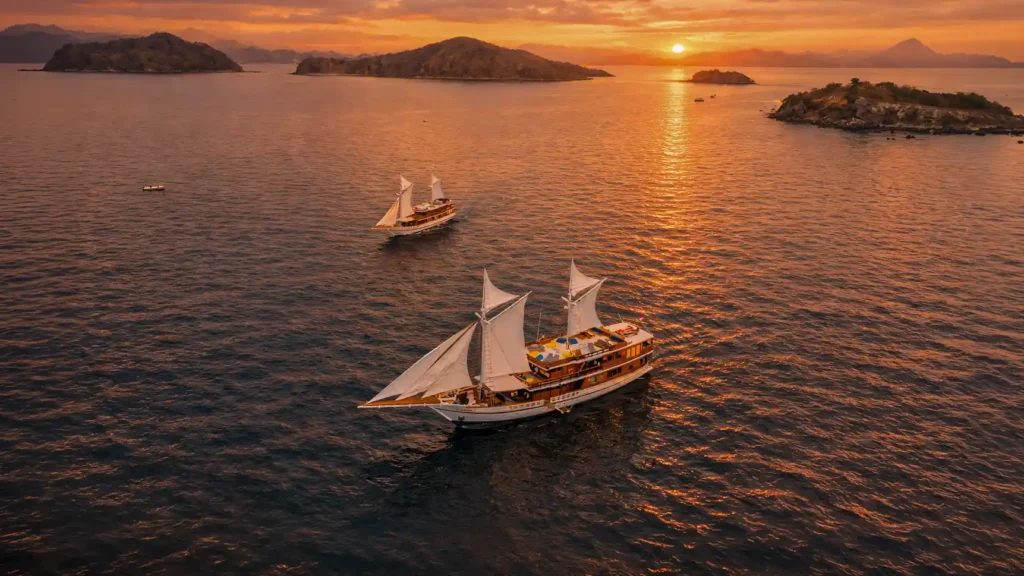
The UNESCO heritage element is officially titled Pinisi, art of boatbuilding in South Sulawesi. It was inscribed in 2017 on the Representative List of the Intangible Cultural Heritage of Humanity under nomination file 01197. The recognition focuses on the traditional knowledge and practices involved in building Pinisi boats, as well as the communities that maintain and pass on these skills.
Unlike recognition of a physical monument or individual object, intangible cultural heritage concerns the knowledge, skills, and practices that communities continue to maintain. In the case of Pinisi, the heritage lies in the traditional boatbuilding knowledge and the people who preserve and transmit it.
The recognition covers several interconnected elements:
- Traditional boatbuilding knowledge: The skills and techniques involved in constructing Pinisi boats.
- Local shipwrights: The people who apply and maintain traditional boatbuilding knowledge.
- Boatbuilding communities: Communities in South Sulawesi associated with the practice, including Tana Beru, Bira, and Batu Licin.
- Generational knowledge transfer: The passing of boatbuilding skills and knowledge between generations, both within and beyond families.
- Community safeguarding: The role of local communities in maintaining the practice as part of their cultural and social life.
This distinction is important when understanding what UNESCO recognises. The boats themselves are physical expressions of the craft, but the heritage designation focuses on the knowledge, skills, and community practices behind their construction.
This connection between craftsmanship, cultural identity, and local knowledge can also be seen in Indonesia’s textile traditions. Komodo Luxury’s Heritage Tenun collection offers another perspective on the artistry and techniques preserved through traditional Indonesian craftsmanship.
Where Does the Traditional Pinisi Boatbuilding Practice Take Place?
UNESCO identifies Tana Beru, Bira, and Batu Licin as important centres of traditional Pinisi boatbuilding. These locations in South Sulawesi are associated with communities whose social, economic, and cultural lives have long been connected to shipbuilding and sailing. The practice is maintained through knowledge passed between generations, allowing traditional skills to continue within local communities.
These locations provide important cultural context, but they do not automatically establish where a particular phinisi yacht was built or which construction methods were used. If a charter company describes a vessel as traditionally built or connected to a specific boatbuilding community, you should ask for details about its construction location, builder, and history rather than relying on a general heritage reference.
Read more: Bulukumba: Home of Phinisi Shipbuilders in Indonesia
What Does UNESCO Recognition Not Prove About an Individual Phinisi Yacht?
UNESCO recognition does not mean that every phinisi yacht has undergone an individual inspection, technical survey, or safety certification. It also does not verify a specific vessel’s construction location, builder, materials, current condition, or operational readiness.
This distinction matters when you are comparing traditional phinisi yachts for a private charter. A vessel may have a connection to traditional boatbuilding practices, but that connection alone cannot establish whether it meets the technical and operational requirements for carrying passengers.
You should therefore request vessel-specific documentation, including:
- Vessel registration and applicable certificates.
- Technical inspection or survey reports.
- Maintenance, repair, and refurbishment records.
- Passenger capacity and operational documentation.
- Applicable passenger insurance and its coverage.
When reviewing these documents, pay attention to their issuing authorities, dates, validity periods, and scope. A certificate may confirm a particular requirement, but it should not be treated as proof of every aspect of a vessel’s safety or condition.
Beyond heritage and construction records, you should also understand the technical information presented by the charter company. Our guide on how to read a charter specification sheet explains how to interpret vessel dimensions, tonnage, guest capacity, cabin arrangements, and other specifications before comparing yachts.
How Should UNESCO’s Name, Logo, and Heritage Materials Be Used?
UNESCO’s recognition of Pinisi should be described accurately. It acknowledges the traditional boatbuilding practice and the communities that preserve it. It does not mean UNESCO endorses a particular yacht, charter operator, or commercial service. For this reason, expressions such as “UNESCO-certified phinisi” or “UNESCO-approved charter” should not be used to describe an individual vessel or charter service unless there is a separate, valid basis for those claims. The heritage inscription itself does not provide that certification or approval.
The use of UNESCO’s name, acronym, and logo is also subject to its applicable terms and authorisation requirements. Commercial materials should not suggest sponsorship, approval, endorsement, or affiliation where none exists. If you intend to use UNESCO branding, obtain the necessary authorisation and review the applicable terms before publication. The same care applies to photographs and videos in UNESCO’s multimedia archive. Public access to an image does not automatically grant permission to reproduce it in commercial content. Check the rights information attached to each asset and contact the relevant rights holder when a licence is required. Linking to the official archive or using independently sourced visuals with appropriate permissions can be a safer alternative.
What Should You Ask When a Phinisi’s Heritage Matters to You?
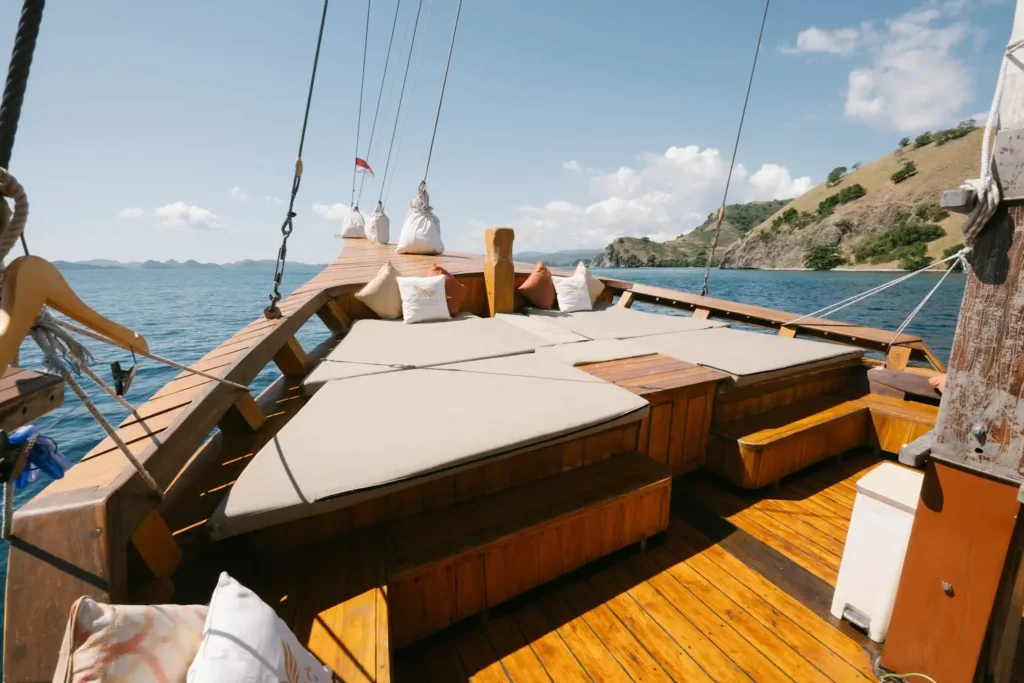
If the cultural background of a phinisi matters to you, ask the charter company for specific information about the vessel rather than relying only on general descriptions of traditional Indonesian boatbuilding.
You can start with questions about its construction history:
| Question to ask | Why it matters |
| Where was the vessel built? | Helps establish its geographical origin. |
| Who built the hull? | Identifies the builder, workshop, or construction team. |
| Which boatbuilding community or centre was involved? | Provides context about the builder’s background. |
| When was the vessel constructed? | Establishes its construction timeline. |
| Which construction methods were used? | Helps clarify its relationship with traditional boatbuilding practices. |
| Are construction records or photographs available? | Provides supporting information about its history. |
| Does the operator maintain a relationship with the original builder or community? | Helps you understand whether the connection continues beyond the vessel’s construction. |
These questions can help you understand a vessel’s background, but the answers should not be confused with formal heritage certification. For example, a vessel’s reported construction location does not independently prove who built it or which techniques were used.
If you are preparing to discuss these details with a charter company, it is also useful to review the questions to ask a Komodo charter operator before you book. This can help you clarify the vessel’s identity, operating arrangements, documentation, and what to expect if your plans change.
Questions About the Vessel’s Current Condition
Alongside its cultural and construction background, you should assess the yacht’s current technical and operational condition. Ask the charter company for relevant documentation and clarification on the following points:
- Certificates: Which registration, operational, and safety certificates does the vessel hold?
- Inspection records: When was its latest inspection or survey, who conducted it, and what did it cover?
- Maintenance history: Are records available for routine maintenance, repairs, and major refurbishments?
- Passenger insurance: What insurance applies to passengers, and what does the coverage include?
- Operational arrangements: What are the vessel’s approved passenger capacity and relevant operating limitations?
Do not assume that a document covers every aspect of a vessel. Check its purpose, issuing organisation, validity, and whether it applies to the yacht you are considering.
How Can You Evaluate the Answers?
When a charter company provides information about a vessel’s heritage, construction, and condition, assess each category separately.
- First, look for identifiable details such as the builder’s name, construction location, year, and available records. Specific information is more useful than broad claims about traditional craftsmanship.
- Second, review the scope of the technical documents. Check who issued them, when they were issued, what they cover, and whether they remain valid for the intended operation.
- Finally, keep cultural and technical information separate. Construction history can help you understand a vessel’s heritage, while certificates, inspections, and maintenance records provide information about its technical and operational status. Both matter, but neither replaces the other.
Why the UNESCO Phinisi Heritage Context Matters When Choosing a Charter Yacht
Understanding the UNESCO Phinisi heritage context gives you a clearer appreciation of the traditional knowledge and communities behind Indonesian boatbuilding. It also helps you distinguish meaningful information about a vessel’s cultural background from general marketing claims that may not be supported by specific records.
If you are beginning to compare vessels for a private sailing experience, our guide to the best luxury phinisi in Komodo can help you explore different yacht options and understand what to consider when building your shortlist.
However, heritage should be considered alongside other factors when choosing a charter yacht. These include vessel specifications, cabin configuration, passenger capacity, onboard facilities, crew arrangements, and relevant technical documentation. A vessel’s connection to traditional craftsmanship can add cultural value to your experience, but it should complement rather than replace the information you need to assess its suitability.
Read more: Komodo Charter Operator Checks: Questions to Ask Before You Book
Discuss Your Phinisi Charter Questions with Komodo Luxury
Understanding a phinisi’s construction background and technical documentation can help you ask more informed questions before choosing a private charter. Komodo Luxury is a luxury yacht charter operator offering vessels from its own fleet and selected partner vessels, with a team that can help you explore available yacht options and understand their specifications.
If you are still exploring the different ways to experience Komodo by yacht, you can also learn more about a Komodo liveaboard and how a multi-day sailing experience allows you to stay aboard while exploring the national park.
Have questions about choosing a phinisi for your trip? Contact Komodo Luxury to discuss available yacht options and the details you should consider before booking.