
Komodo Luxury - The Best Komodo Boat Tour & Raja Ampat Diving Tour
Taka Makassar Destination

Taka Makassar Destination

Paradise Sandbank

Taka Makassar

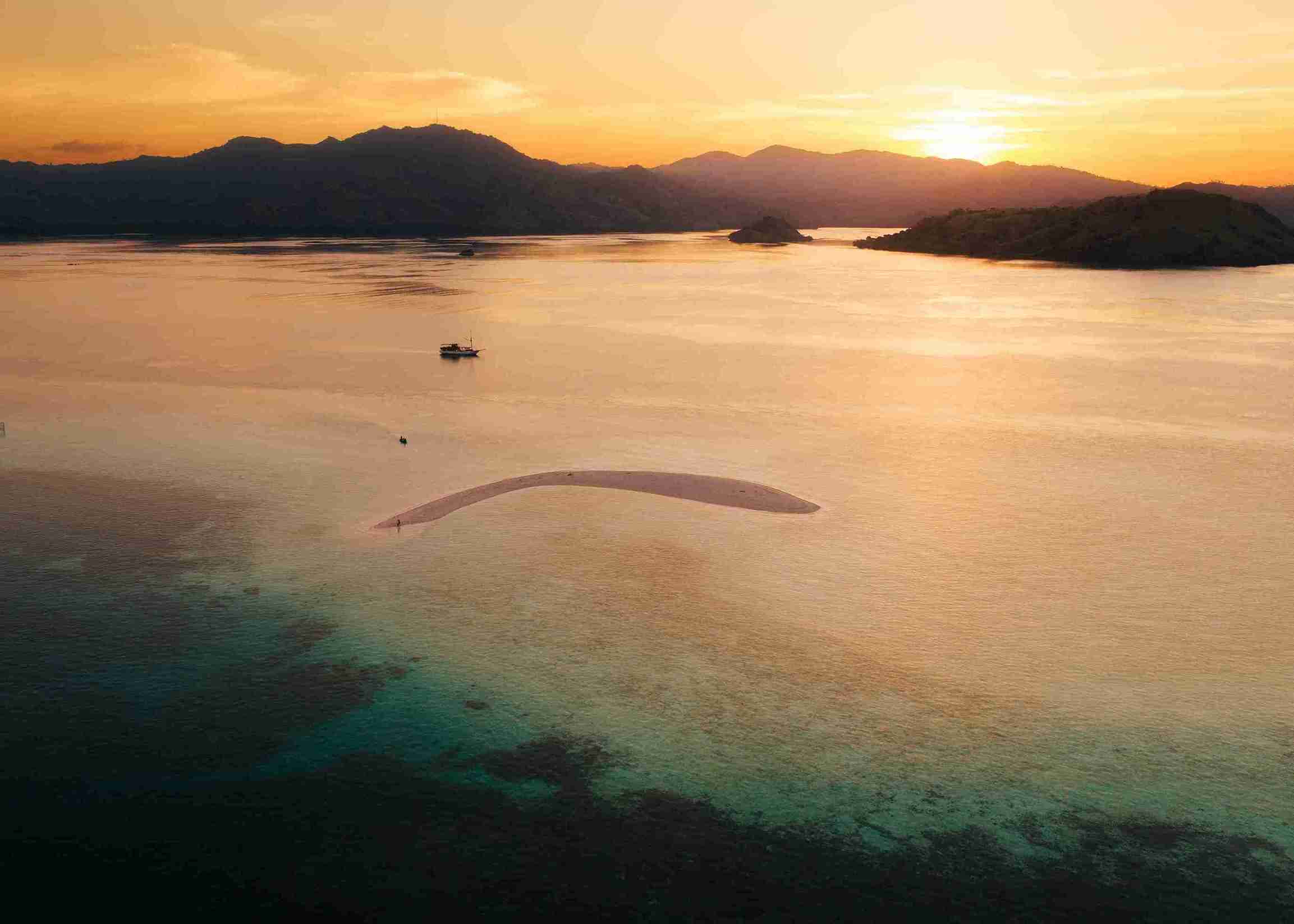
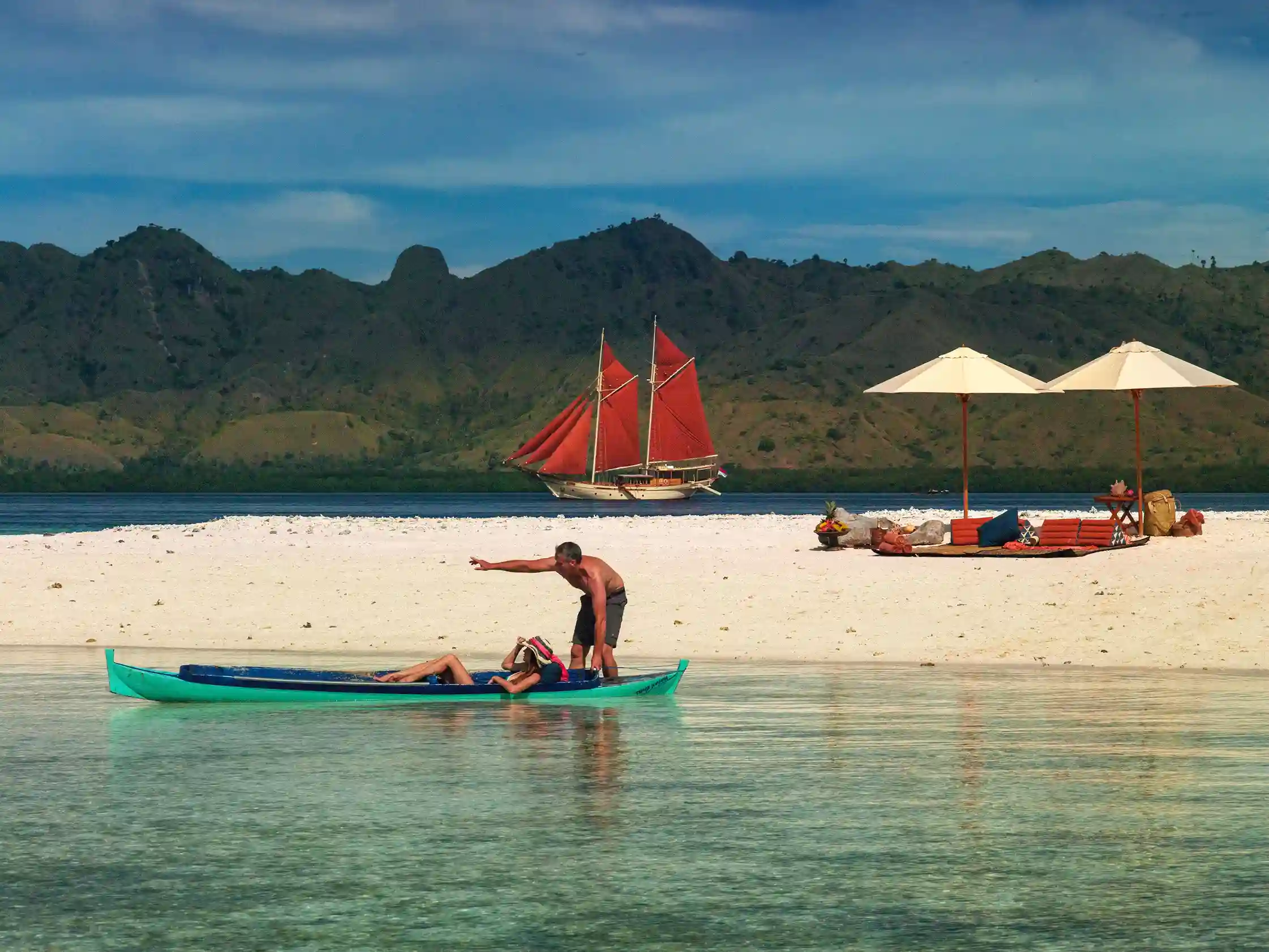
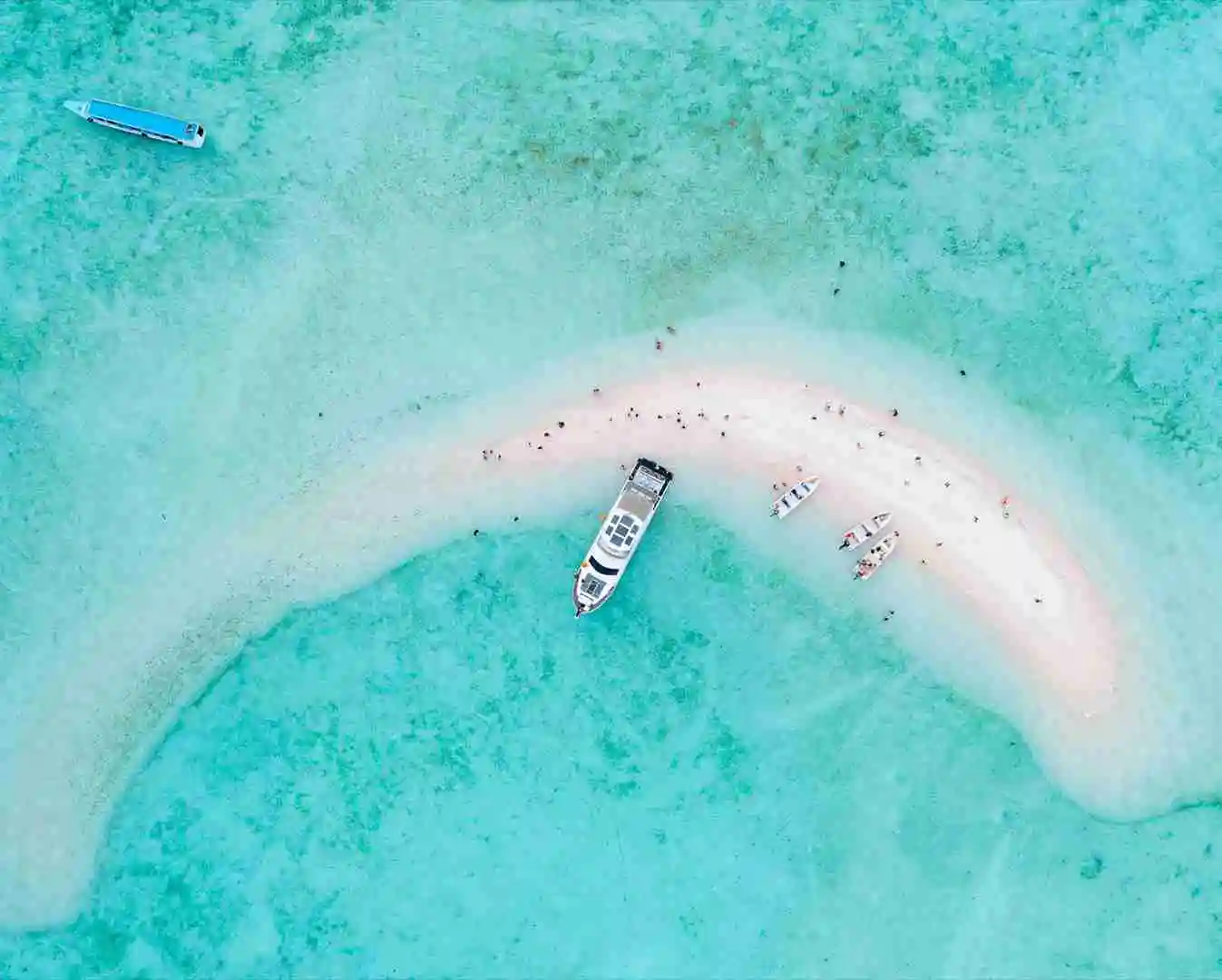
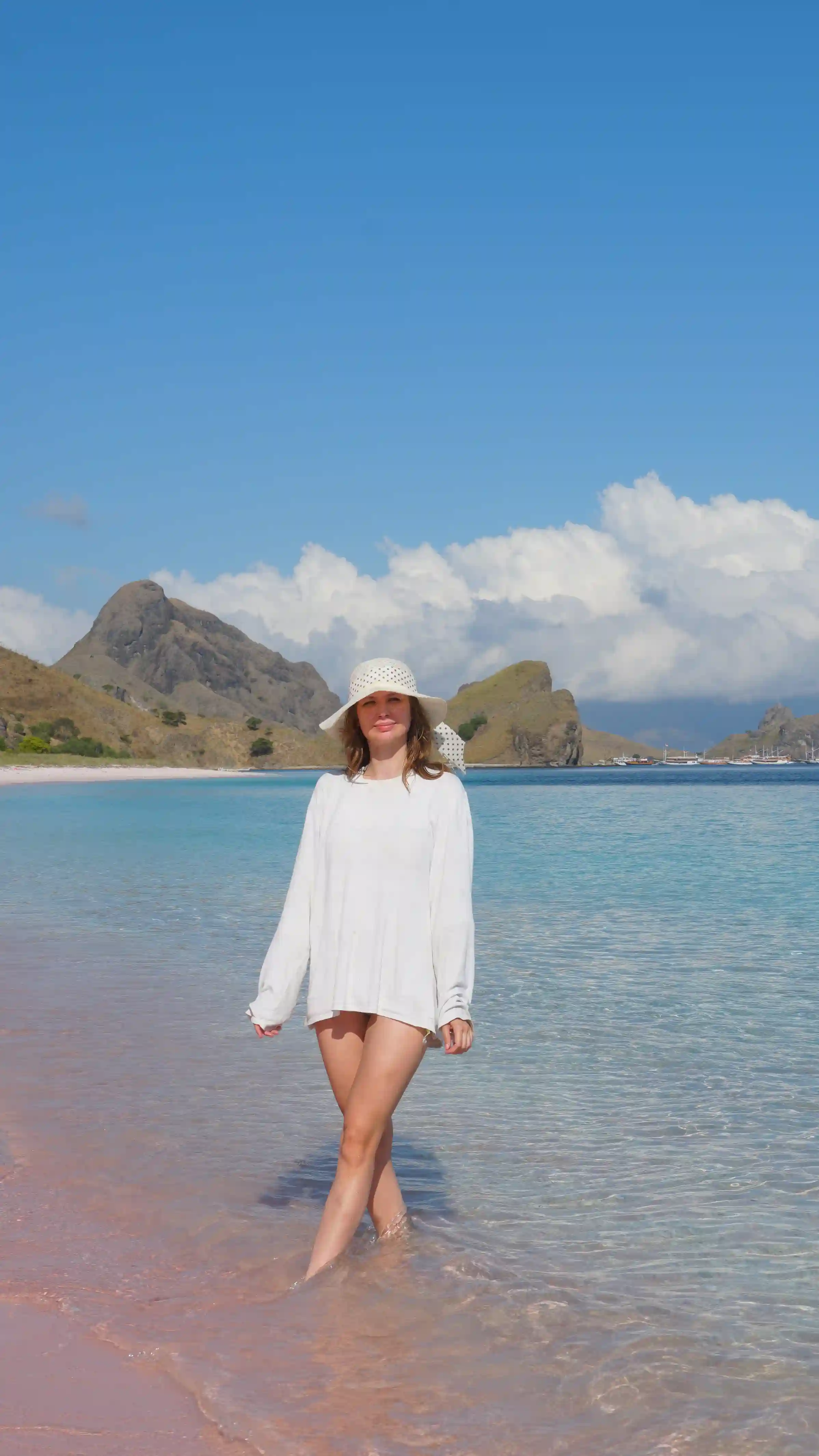
Taka Makassar is a small tidal sandbank in Komodo National Park. Distinguished by its crescent shape, white-to-pink sand, and shallow turquoise water, it appears fully at low tide and is smaller than a football field at maximum exposure. Located immediately adjacent to Manta Point (Karang Makassar), Taka Makassar is one of the most photographed and visited stops on Komodo liveaboard and day-trip itineraries. It lies about an hour by boat from Labuan Bajo and is best experienced at low tide during the April–November dry season.

What Is Taka Makassar

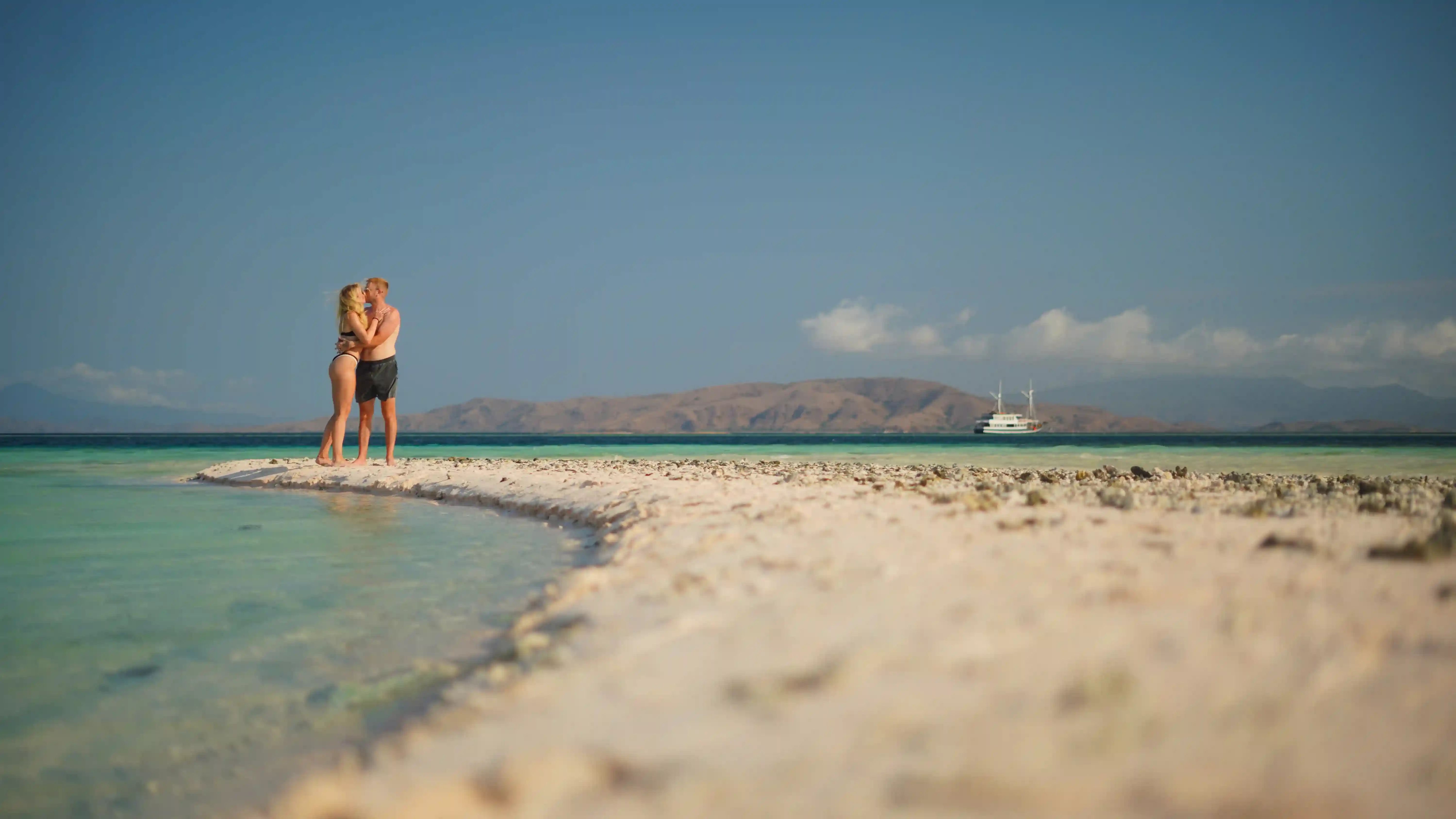
Taka Makassar is a tidal sandbank — not a permanent island — within Komodo National Park. At low tide, it forms a crescent or 'number 9' shape (depending on the tidal state and viewing angle), covering an area smaller than a football field. At high tide, it disappears completely under the sea. The sand transitions in Taka Makassar Komodo from bright white at the centre to a soft pink tinge at the water's edge, created by fine fragments of red coral mixed into the calcium carbonate sand.

The beauty shape of Taka Makassar

Where is Taka Makassar

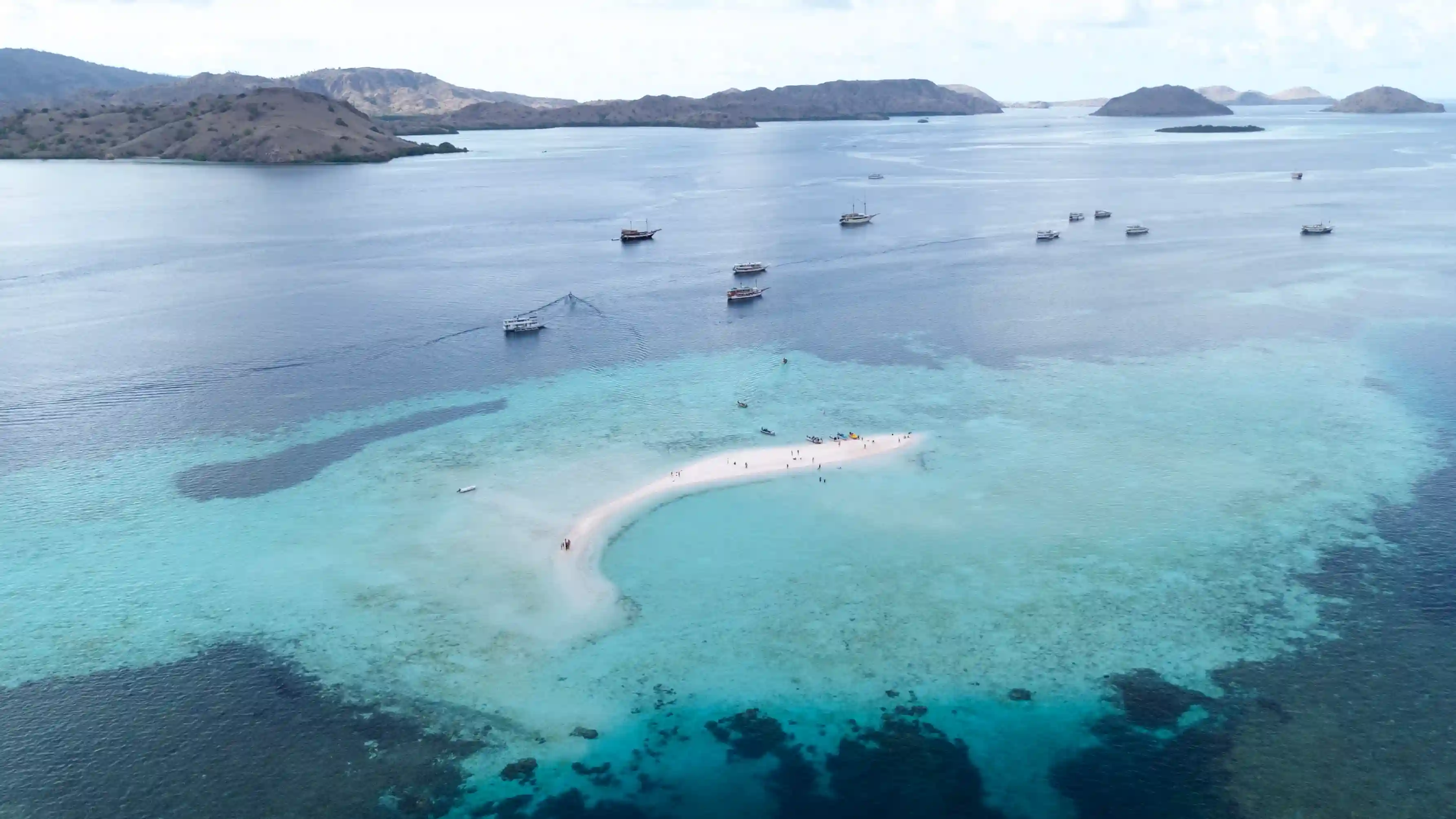
Taka Makassar is located in the central zone of Komodo National Park, northeast of Komodo Island and between Komodo and Tatawa Besar Island, in East Nusa Tenggara Province, Indonesia. From Labuan Bajo harbour on western Flores Island, the journey to Taka Makassar takes approximately 2–3 hours by modern speedboat, or 3–4 hours by luxury yacht phinisi. The specific position of Taka Makassar — at the intersection of Komodo Island's east coast, the Tatawa channel, and the Manta Point reef — makes it a natural transition point in the central park route between southern and northern Komodo waters.

Where is Taka Makassar

Why Taka Makassar Is A Must-Visit

Taka Makassar offers a rare open-sea sandbank experience in Komodo National Park, where shifting tides, vivid water gradients, and proximity to Manta Point create a landscape that feels both visually striking and geologically unique. Its value lies not only in its appearance, but in how it fits into a curated Komodo sailing route.
  • Rare tidal sandbank in open ocean setting: Taka Makassar is a naturally formed sandbank that appears and disappears with the tide, creating a constantly changing landscape with no surrounding coastline in sight, a feature shaped by Komodo’s unique marine geomorphology.
  • Exceptional visual and photography conditions: The combination of white-to-pink sand, shallow turquoise water, and deeper blue channels forms a natural colour gradient that is highly distinctive for aerial drone shots and ground-level photography during low tide.
  • Direct proximity to Manta Point ecosystem: Taka Makassar located next to Manta Point (Karang Makassar) one of Komodo National Park’s key manta ray habitats, it is often combined within yacht itineraries that may include snorkeling with Mobula alfredi depending on sea conditions and wildlife movement.
Taka Makassar Komodo National Park | Komodo Island Tour | Komodo Luxury

What to Expect at Taka Makassar

A visit to Taka Makassar involves a short tender transfer from a yacht anchored within Komodo National Park to a small tidal sandbank that changes shape depending on the tide. The experience is highly time-sensitive, as the sandbank is most exposed during low tide and can significantly narrow or partially submerge as water levels rise.
  • Tide-controlled landing and shifting sandbank size: Access and walkable area vary with tidal conditions, with crews typically using local tide charts to time arrivals for safer landings and optimal visibility of the sand formation within Komodo National Park’s marine environment.
  • Exposed marine landscape with intense sun exposure: The Taka Makassar sandbank consists of fine, firm sand surrounded by very shallow water, with no natural shade or shelter, so conditions can feel hot and reflective, requiring basic sun protection and awareness during mid-day visits.
  • Open-water environment with mild but variable marine conditions – While the sandbank itself is generally calm, nearby waters toward Manta Point can experience stronger currents typical of reef channels in Komodo National Park, so snorkeling and swimming should always follow guide supervision and safety briefings, including awareness of occasional jellyfish and sandy seabed wildlife such as resting rays.
Taka Makassar in Labuan Bajo - Komodo Luxury

Best Time to Visit Taka Makassar

The best time to visit Taka Makassar is during the dry season (April–October), when sea conditions across Komodo National Park are generally calmer and underwater visibility is more consistent for snorkeling activities around nearby sites such as Manta Point.
  • April–October: During these months, the waters around Komodo National Park are typically calmer with clearer visibility, making it easier to combine Taka Makassar with nearby stops such as Manta Point and other central Komodo highlights within a single yacht itinerary.
  • Low Tide Timing: Taka Makassar is a tidal sandbank, meaning its full shape and walkable surface only appear during low tide. The exact timing changes daily based on lunar cycles, so experienced crews use official tidal charts for the Komodo area to schedule arrivals within the optimal ±1–2 hour low-tide window.
Best Time to Visit Taka Makassar

Things To Do At Taka Makassar

Taka Makassar offers a short but highly distinctive stop within Komodo National Park, where activities are shaped by tidal conditions, shallow waters, and its open-sea sandbank setting.
  • Relax on the sandbank: Taka Makassar offers a rare experience of standing on a tidal sandbank surrounded entirely by open water in Komodo National Park, suitable for all guests including non-swimmers due to its shallow, calm fringe waters.
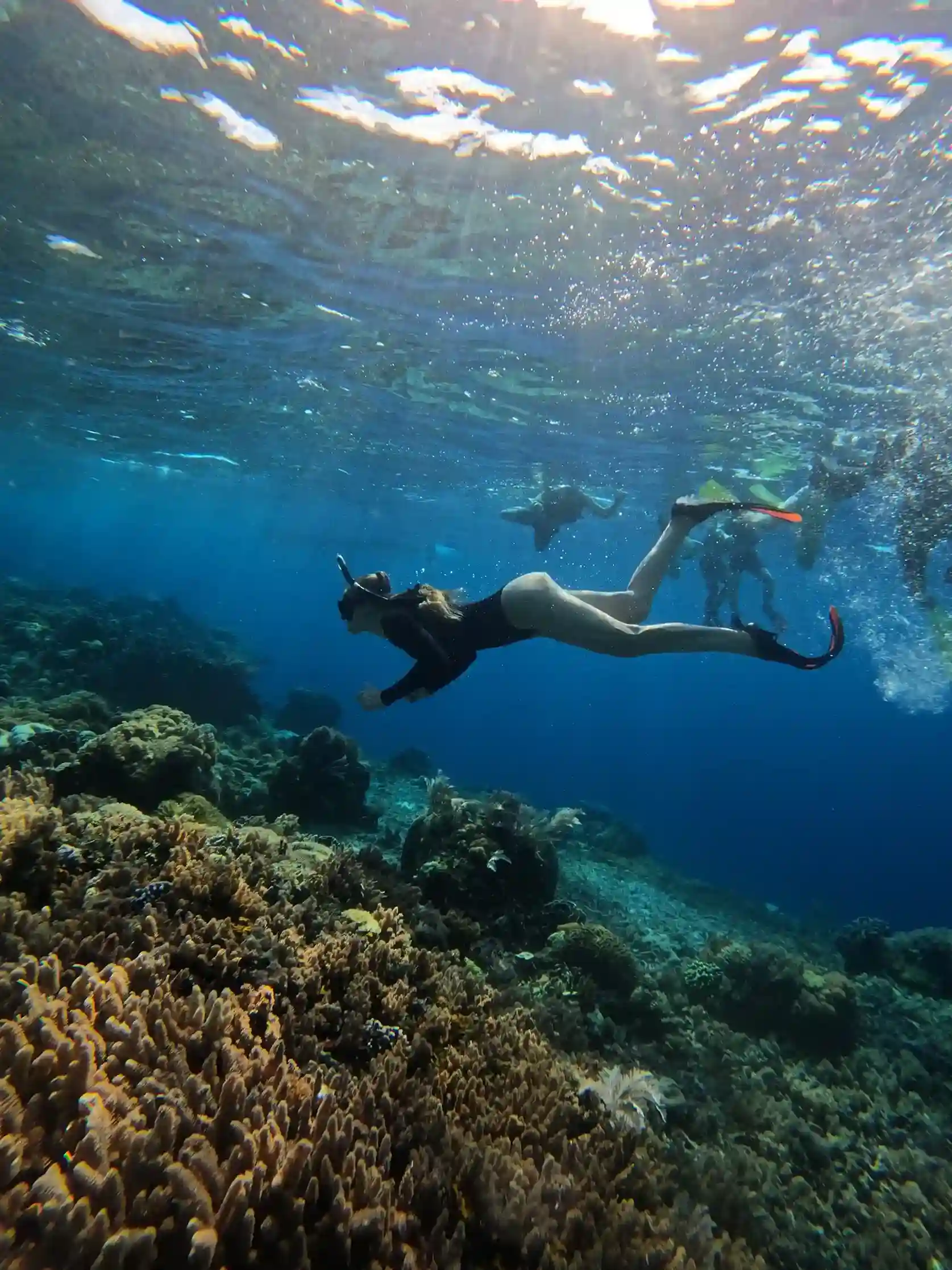
  • Swim and snorkel in shallow reef waters nearby: The surrounding Taka Makassar sandbak waters are generally clear and shallow with reef fish and occasional turtles or eagle rays, within a protected marine environment where reef-safe sunscreen is strongly recommended to protect coral ecosystems.
  • Capture photography and drone imagery of the sandbank: Taka Makassar provides strong aerial and ground-level photographic conditions due to its crescent shape and color gradients, with drone use subject to Komodo National Park regulations and permit requirements managed by your operator.
  • Combine Taka Makassar with Manta Point in one stop: Most Komodo yacht itineraries combine Taka Makassar with nearby Manta Point, where snorkeling with reef manta rays (Mobula alfredi) is possible depending on natural conditions and always conducted under strict wildlife interaction guidelines.
Things To Do At Taka Makassar

How to Visit Taka Makassar with Komodo Luxury

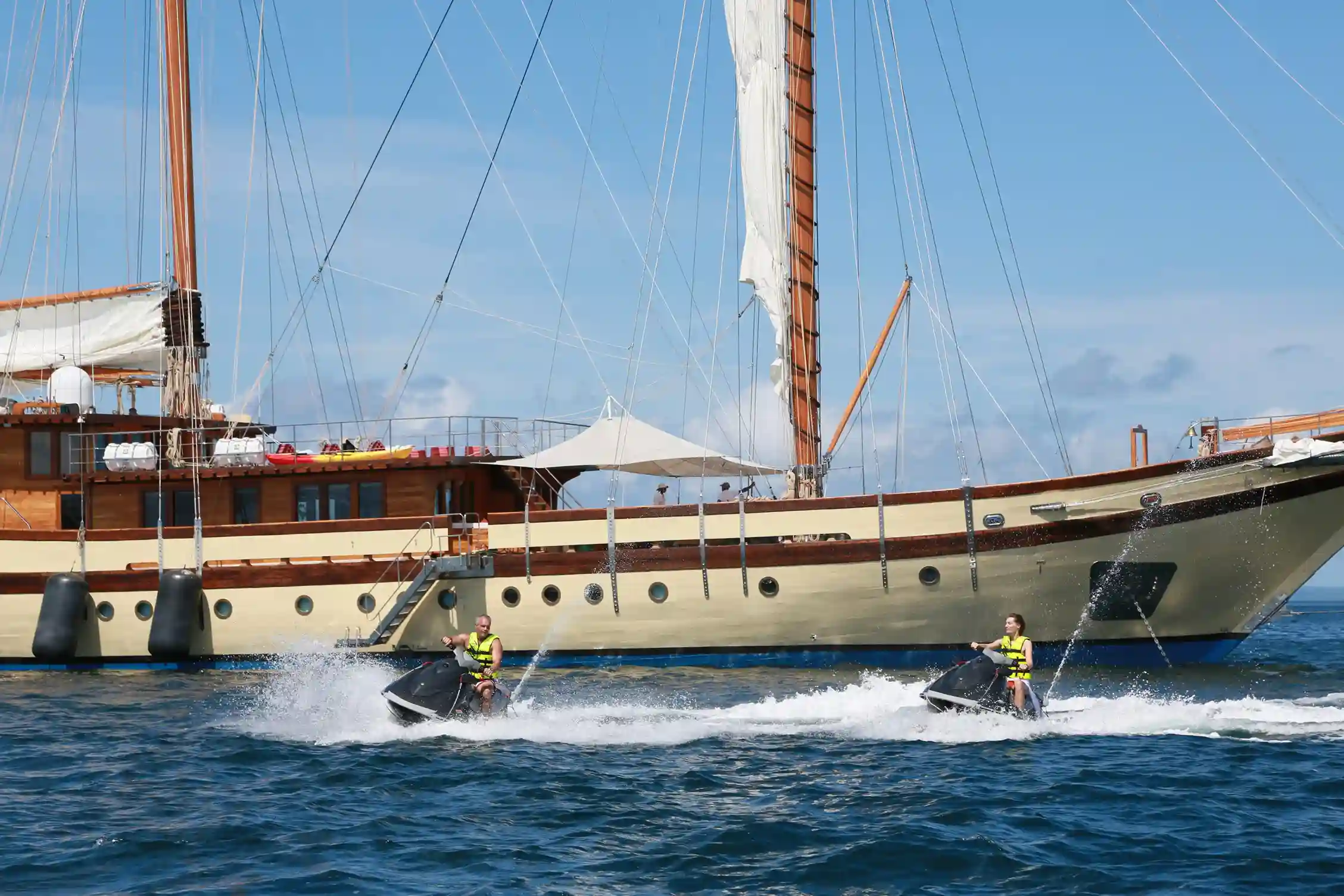
Komodo Luxury includes Taka Makassar as part of Komodo Island tour package itineraries, typically combined with nearby highlights such as Padar, Komodo Island, or Rinca Island within a well-planned sailing route. The yacht anchors in protected waters near the sandbank, with guests transferred by tender under crew supervision for safe and controlled access to the site. All logistics are managed in advance by the crew to ensure a smooth and compliant visit.

How to Visit Taka Makassar with Komodo Luxury

Explore Taka Makassar with Komodo Luxury

Taka Makassar is a featured stop in every Komodo yacht itinerary with Komodo Luxury, offering carefully timed access to one of Komodo National Park’s most distinctive tidal sandbanks under optimal natural conditions. With expert crew coordination and fully curated sailing routes, each visit is planned around tides, weather, and routing within the national park to ensure a smooth and well-timed experience. Taka Makassar is seamlessly combined with nearby Manta Point, where snorkeling with reef manta rays (Mobula alfredi) may be arranged depending on conditions, supported by professional guidance and responsible wildlife practices.
Taka Makassar

Taka Makassar at a Glance

What it isTidal sandbank (cay), crescent or “number 9” shaped, inside Komodo National Park
Size~80–150 m at low tide — smaller than a football field
AccessBoat only, ~2 hours from Labuan Bajo
Key timingLow to mid tide — tide state matters more than clock time
WaterAnkle-to-knee-deep over the bar; 1–3 m in the surrounding lagoon
FacilitiesNone — no shade, no structures, nothing but sand
Park ticketDated entrance ticket required — your crew arranges it, see our entrance fees guide

Tides: the Only Timing That Matters

Every practical question about Taka Makassar comes back to the tide table, not the clock:

  • Low tide — maximum sand exposed, the full crescent walkable, classic “sand island” photos.
  • Mid tide — a narrower but still clear strip, with shallow water on both sides; many guides consider this the most photogenic state.
  • High tide — much of the bar sits under ankle-to-knee-deep water, and on high spring tides it can disappear completely, leaving a pale lagoon 1–3 m deep where the sand was.

Experienced captains sequence the day around this — which is also a quiet argument for multi-day boats over fixed-schedule day tours: a liveaboard can simply wait an hour for the sand to surface. Look closely at a handful of the sand and you may see a faint pink cast — the same red coral and foraminifera fragments that color Pink Beach drift onto this bar in smaller doses.

Photography Notes

Taka Makassar is the most camera-dependent stop in the park — the experience on the ground is pleasant, but the aerial geometry is the point. Three practical observations from crews who anchor here weekly: the crescent reads best from 60–120 m of drone altitude, high enough to catch the full curve and the reef-flat gradients around it. Mid-tide often beats dead low tide on camera, because the surrounding water carries more color when the flats are just submerged. And polarized shots from the boat deck work surprisingly well when drones are not an option. Check current park drone rules with your crew before flying; regulations are enforced and change.

Where It Sits in the Day

On the standard one-day circuit, Taka Makassar lands in the middle of the sequence: Padar’s viewpoint at first light, the dragon trek mid-morning, then the sandbank as the decompression stop before or after the Manta Point drift — a deliberate pairing, since the two sites are only 10–20 minutes apart. An early liveaboard call at the bar — before the day fleet arrives from Labuan Bajo around late morning — is the closest the park comes to a private island moment. If the sandbank matters to your photographs, tell your crew when you book; a one-hour shift in schedule is often the entire difference.

Itineraries That Stop at Taka Makassar

Plan your visit: Komodo Luxury (PT Komodo Bahari Nusantara, sailing Komodo since 2015) operates 9 owned phinisi and works with 200+ vetted partner yachts, rated 4.9/5 by more than 1,500 guests. Message our team on WhatsApp at +62 811-3823-875 or email [email protected] and we will match the right boat and route to your dates.

Immersive Experiences

Activity

Dive pristine reefs, trek remote islands, and encounter wildlife during our luxury sailing tours.

Signature Voyages

Curated Luxury Tours

Signature luxury tour itineraries crafted to reveal Indonesia's most exclusive destinations and experiences

View All Tour

Questions & Answers

Taka Makassar — Frequently Asked Questions (FAQs)

No — Taka Makassar is a tidal sandbank and only appears at low tide. At high tide it disappears completely beneath the sea. The size and shape of the sandbank change continuously with the tidal state; maximum exposure occurs at the lowest point of the tidal cycle. Visits should always be timed to arrive at or shortly before low tide for the best experience.
The duration of Taka Makassar's full exposure depends on local tidal range, typically 2–4 hours around the tidal minimum. A crew using current tidal tables for the Komodo area can identify the specific low-tide window on the day of your visit. Arriving early in this window gives the most time on the sandbank before the tide begins to reclaim it.
Yes — the sandbank itself is fully accessible to all guests regardless of swimming ability. The surrounding water is extremely shallow at the sandbank's edge, suitable for paddling and standing. Children can play in ankle-to-knee-depth water safely near the sandbank. Snorkelling at the deeper water off the sandbank and at Manta Point is suitable for confident swimmers; strong currents at Manta Point mean non-swimmers should stay on the vessel for that portion of the stop.
Reef-safe mineral sunscreen (applied before leaving the boat), a hat and sunglasses, swimwear, and water shoes or sandals for the sandy shallows. The sandbank has no shade — sun protection is essential. Bring your camera in a waterproof case or bag. Snorkel gear is typically provided by liveaboard and yacht operators. There are no facilities on the sandbank; all necessities should be prepared on board.
They offer different experiences and suit different moments in a Komodo itinerary. Taka Makassar is a sandbank in the open sea — no backdrop, no coastline, just sand and water in every direction. The experience is singular and slightly disorienting. Pink Beach is a coastal beach on Komodo Island with a visible treeline and hillside backdrop, with arguably better shallow-water snorkelling directly off the shore. Most multi-day itineraries include both; they serve different emotional beats in the Komodo experience.
Taka Makassar is the tidal sandbank — a strip of sand that appears at low tide. Manta Point (Karang Makassar) is the shallow reef system immediately adjacent to the sandbank, approximately 3 kilometres long and 2–8 metres deep, famous for reef manta ray aggregations. They are distinct features visited as part of the same stop but serve different purposes: Taka Makassar is for photography and relaxation; Manta Point is for snorkelling and manta encounters.
Taka Makassar sits next to Manta Point in central Komodo National Park, about an hour or more by boat from Labuan Bajo depending on the vessel. Boats anchor beside the sandbank and guests wade ashore through shallow water; it is almost always paired with a manta swim on the same route.
Timing matters more than season: the sandbank shows fully at low tide, so crews plan the stop around the day's tide chart. Within the year, the April–November dry season brings the calmest seas and the most dependable turquoise water for photographs.
Smaller than a football field. At best exposure the crescent runs roughly 80-150 m long and a few dozen meters wide, though tide, swell, and season constantly reshape it. It is bare coral sand with no rock, vegetation, or structures.

Taka Makassar: The Crescent Sandbar in the Middle of the Sea

Taka Makassar is a tiny crescent-shaped sandbar — a ribbon of white coral sand barely a few hundred meters long — rising out of turquoise shallows between Komodo Island and Karang Makassar. At high tide most of it slips under ankle-deep water; at low tide it becomes a private-feeling islet you can walk end to end in minutes. It sits directly beside Manta Point, so the two are almost always paired on one stop.

Taka Makassar at a Glance

How to Get There

Only reachable by boat. Day trips typically call at Taka Makassar between the Padar hike and Manta Point drift snorkel. Timing matters: your captain will aim for a tide window when the sandbar is exposed. Park tickets apply; see current entrance fees.
Frequently Asked Questions

Is Taka Makassar always above water?

No — it is tidal. At high tide much of the sandbar sits under shallow water; at low tide it is fully exposed. Captains plan the stop around the tide table, which is why itinerary order can shift on the day.

Can you snorkel at Taka Makassar?

Yes, the surrounding reef flat is calm and shallow, though most guests snorkel at neighboring Manta Point immediately after — the manta cleaning station there is the main event.

Do I need a separate ticket for Taka Makassar?

No separate ticket — it is inside Komodo National Park, covered by the standard park entry. Since April 2026, Komodo National Park caps visitors at 1,000 per day across its sites (reported by RRI and Floresa) — book park tickets ahead in high season. See current entrance fees.