
Komodo Luxury - The Best Komodo Boat Tour & Raja Ampat Diving Tour
Pink Beach Destination

Pink Beach Destination

A Rare Natural Wonder

Pink Beach

Pink Beach is a rare pink-sand shoreline located within Komodo National Park, Indonesia, known for its soft blush-colored sand formed by a natural mix of white calcium carbonate, red foraminifera, and coral fragments. The beach features calm, shallow waters with nearby coral reefs, making it suitable for light snorkeling and relaxed swimming just offshore. There is no land access — visitors arrive by sea, usually on a Komodo boat tour from Labuan Bajo, with seas calmest from April to November. As part of a curated Komodo yacht itinerary, visits to Pink Beach are typically combined with nearby Komodo tour highlights scheduled to optimize sea conditions and overall experience flow.

What Is Pink Beach

Pink Beach Komodo, also known locally as Pantai Merah, is a protected coastal area within Komodo National Park, East Nusa Tenggara, Indonesia. It is recognized as one of the world’s few naturally pink-sand beaches, formed by a combination of red foraminifera and fragments of organ pipe coral mixed with white calcium carbonate sand. The ongoing presence of this pink hue is directly linked to the health of the surrounding marine ecosystem, particularly the coral reefs just offshore that continuously supply the natural sediment.

Pink Beach on Komodo National Park | Komodo Island | Komodo Tour

Where is Pink Beach

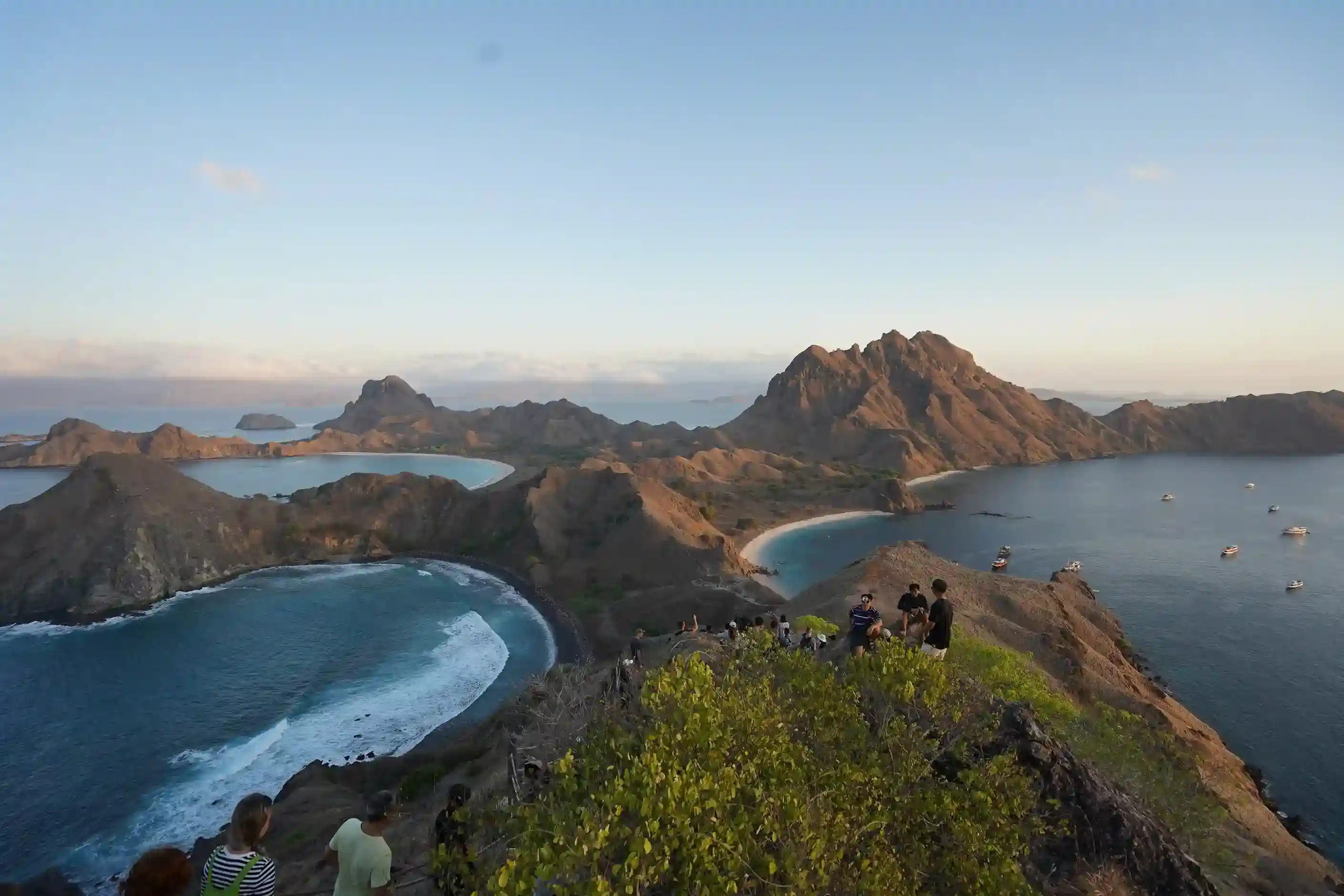
Pink Beach in Komodo National Park is often referred to in two different locations. The first is Pink Beach Komodo (Pantai Merah), located on the southeastern coast of Komodo Island, known for its vivid pink sand and active coral reef suitable for snorkeling. The second is Long Beach on Padar Island, which is sometimes also called a “pink beach” due to its lighter blush-toned sand. Both beaches are part of Komodo National Park, but they offer very different experiences in terms of marine activity and landscape.

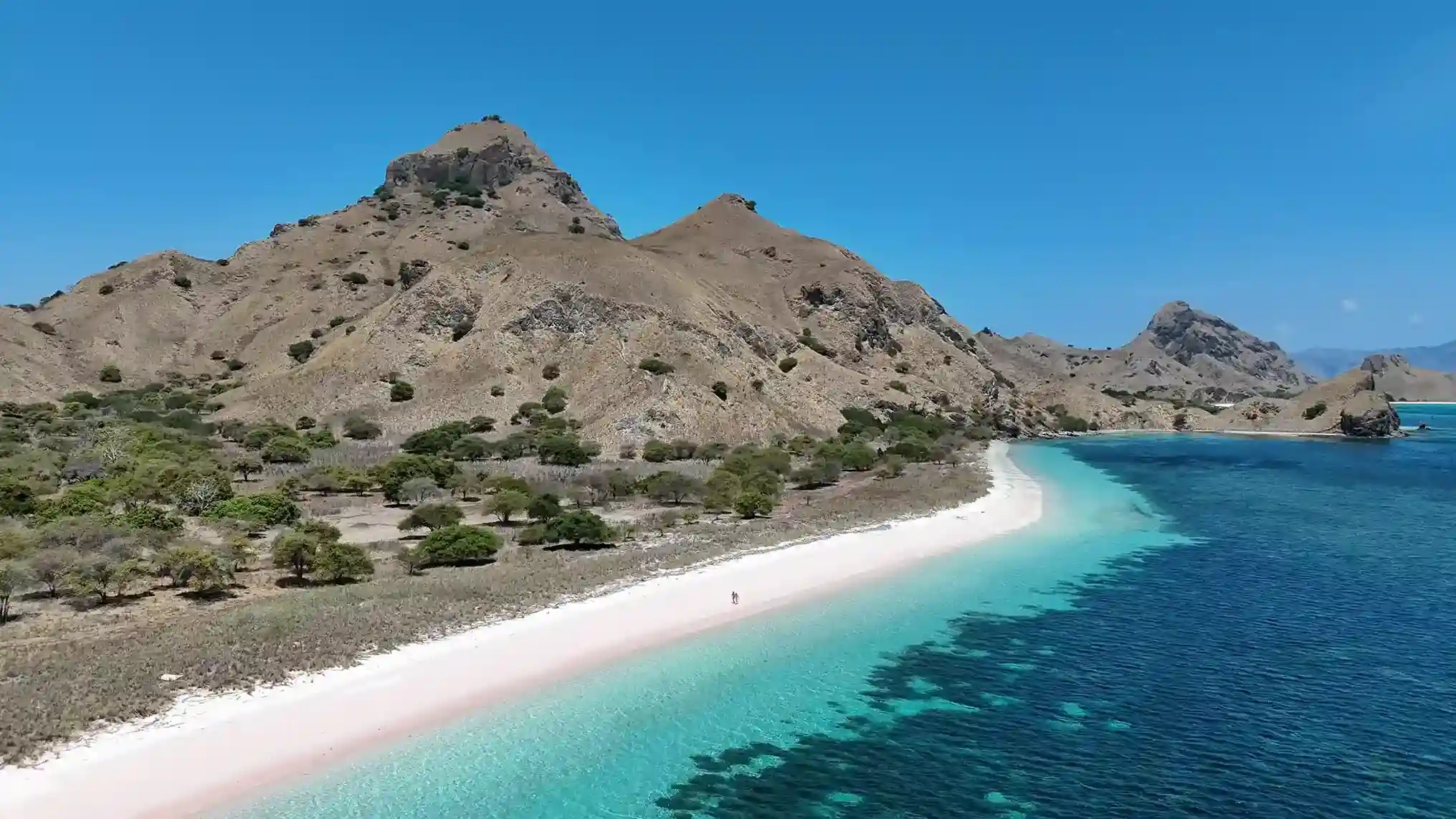
Where is Pink Beach

Why Pink Beach Is A Must-Visit

Pink Beach is considered a must-visit because it is one of the world’s rare pink-sand beaches and also offers one of the most accessible shallow-water snorkeling environments within Komodo National Park. Beyond its rarity, it combines striking natural aesthetics, calm swimming conditions, and direct coral reef access within a single compact bay.
  • Global Rarity of Pink-Sand Beaches: Pink Beach is part of a very limited group of pink-sand beaches worldwide, formed through a rare interaction between marine organisms and coral-derived sediment, making it a scientifically significant coastal feature rather than a purely visual attraction.
  • High-Value Marine Ecosystem Setting: Located within Komodo National Park, a UNESCO World Heritage Site, the area sits inside a protected marine corridor where coral reefs and coastal ecosystems remain actively preserved and regulated.
  • Balanced Land-and-Sea Experience: Unlike many remote beaches that require trade-offs between scenery and accessibility, Pink Beach offers both surface beauty and direct proximity to reef environments suitable for light snorkeling.
Pink Beach Komodo | Komodo Island Tour | Komodo Luxury

What to Expect in Pink Beach

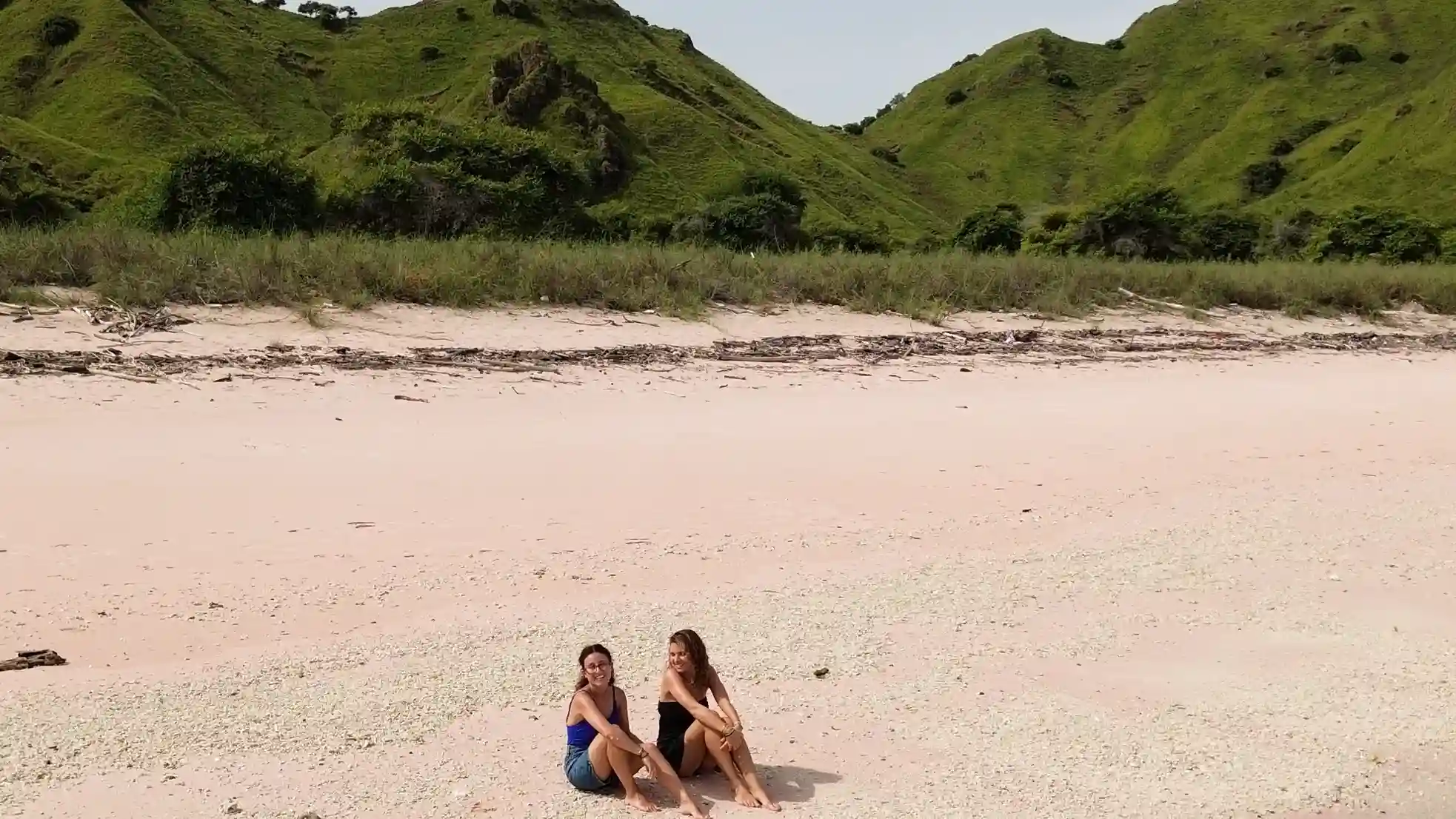
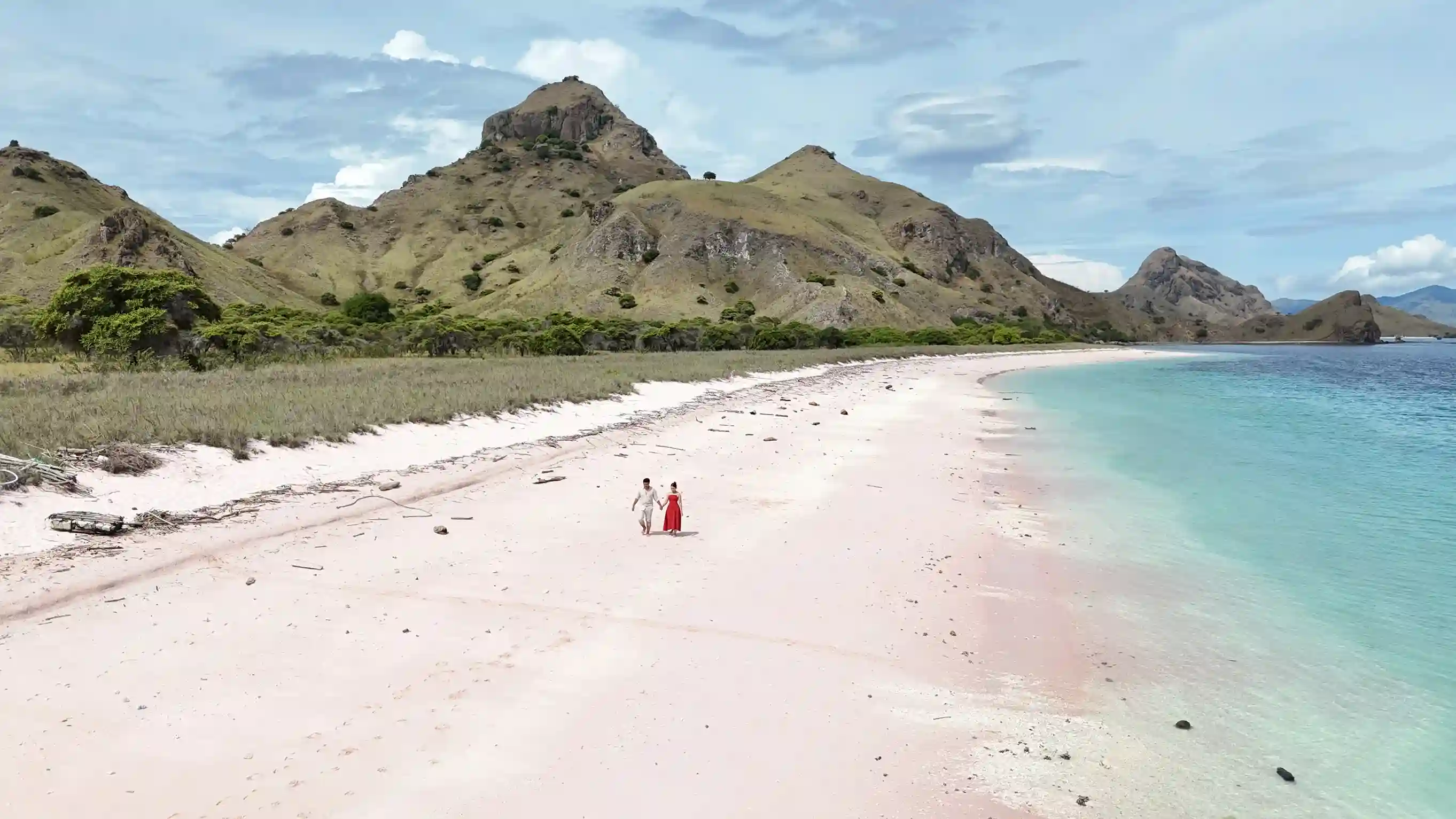
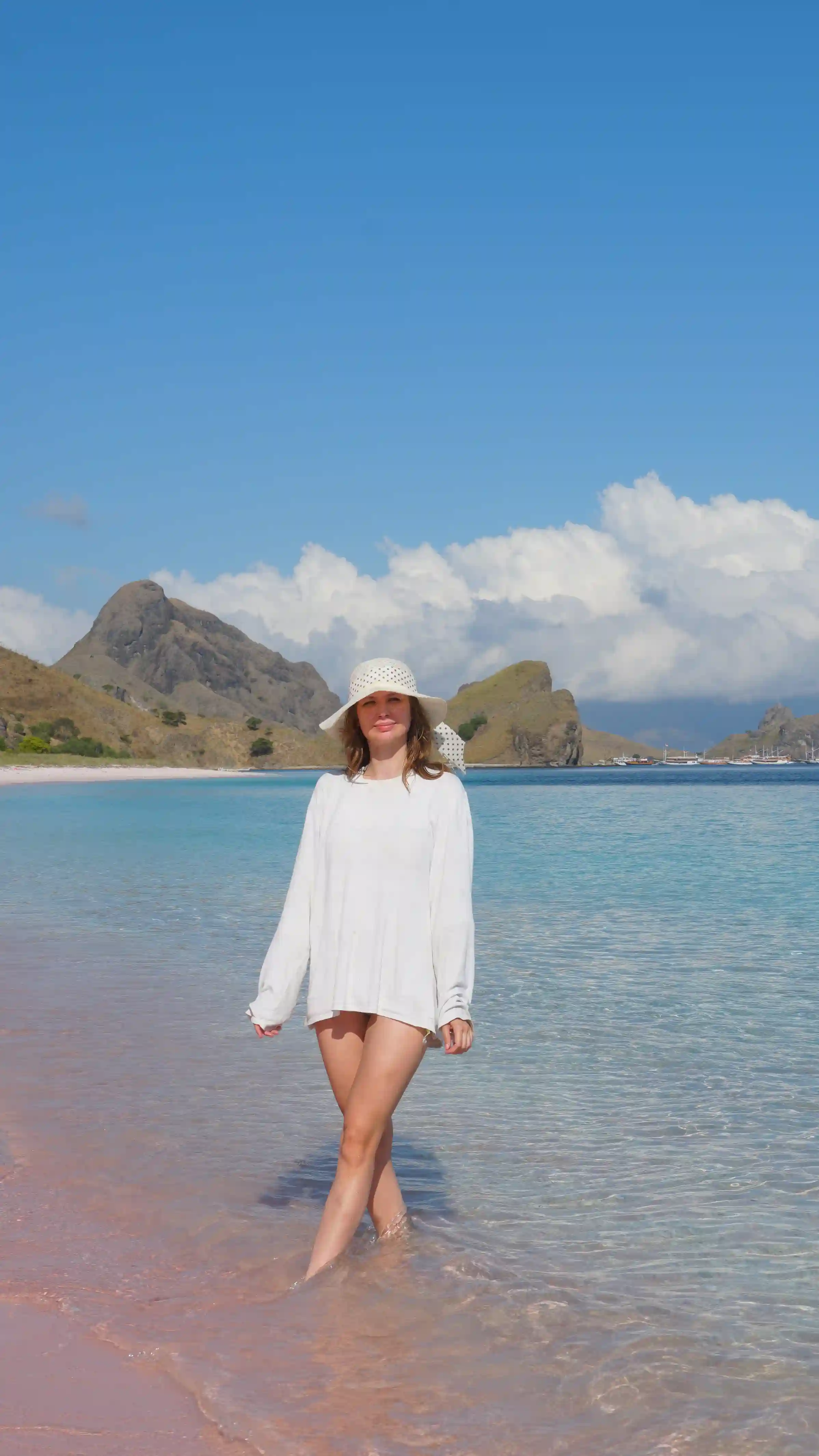
Pink Beach Komodo is experienced as a small, crescent-shaped bay where arrival by boat already reveals the pink hue of the shoreline before you even step ashore. The beach itself has a soft but slightly granular texture, with the colour shifting from a pale blush in dry areas to a deeper rose tone along the waterline where waves continuously refresh the sand.
  • Visual Approach Before Landing: The pink coloration of the shoreline becomes visible from the boat as you enter the bay, creating a gradual reveal effect that is unique to Komodo Island’s coastal geography.
  • Small Crescent-Shaped Natural Bay: The beach forms a compact, curved shoreline where sand color naturally shifts in intensity depending on moisture levels and sunlight exposure along the tide line.
  • Tactile Coral-Derived Sand Texture: Underfoot, the sand has a fine but slightly grainy texture due to coral fragments, reflecting the living marine system that continuously contributes to its formation.
  • Open Exposure with Minimal Infrastructure: The beach has no built facilities or shaded structures, meaning conditions are fully natural and require short, planned visits with sun protection and guided timing during Komodo yacht itineraries.
Pink Beach Komodo Labuan Bajo | Komodo Island Tour | Komodo Luxury

Best Time to Visit Pink Beach

Pink Beach Komodo is best visited during the dry season, when sea conditions are more stable and underwater visibility is generally clearer, making both access and snorkeling more reliable. Within this window, timing also plays an important role in how vivid the pink tones appear, with early morning and late afternoon typically offering the strongest color contrast.
  • April to October: This dry-season period offers the most consistent travel conditions in Komodo National Park, with calmer sea crossings from Labuan Bajo, clearer water for snorkeling, and better overall visibility of Pink Beach’s natural color contrast.
  • July to August: These are peak travel months in Komodo with excellent marine conditions and visibility, but visitor traffic is at its highest, making advance yacht booking and park permit arrangements essential.
  • September to October: Considered a shoulder season sweet spot, these months typically combine stable weather, good underwater clarity, and noticeably lower crowd levels compared to the mid-year peak period.
Best Time to Visit Pink Beach

Things To Do in Pink Beach

Pink Beach Komodo offers a compact but high-quality range of activities centered around its calm bay and accessible reef environment, making it suitable for both relaxed beach time and light marine exploration.
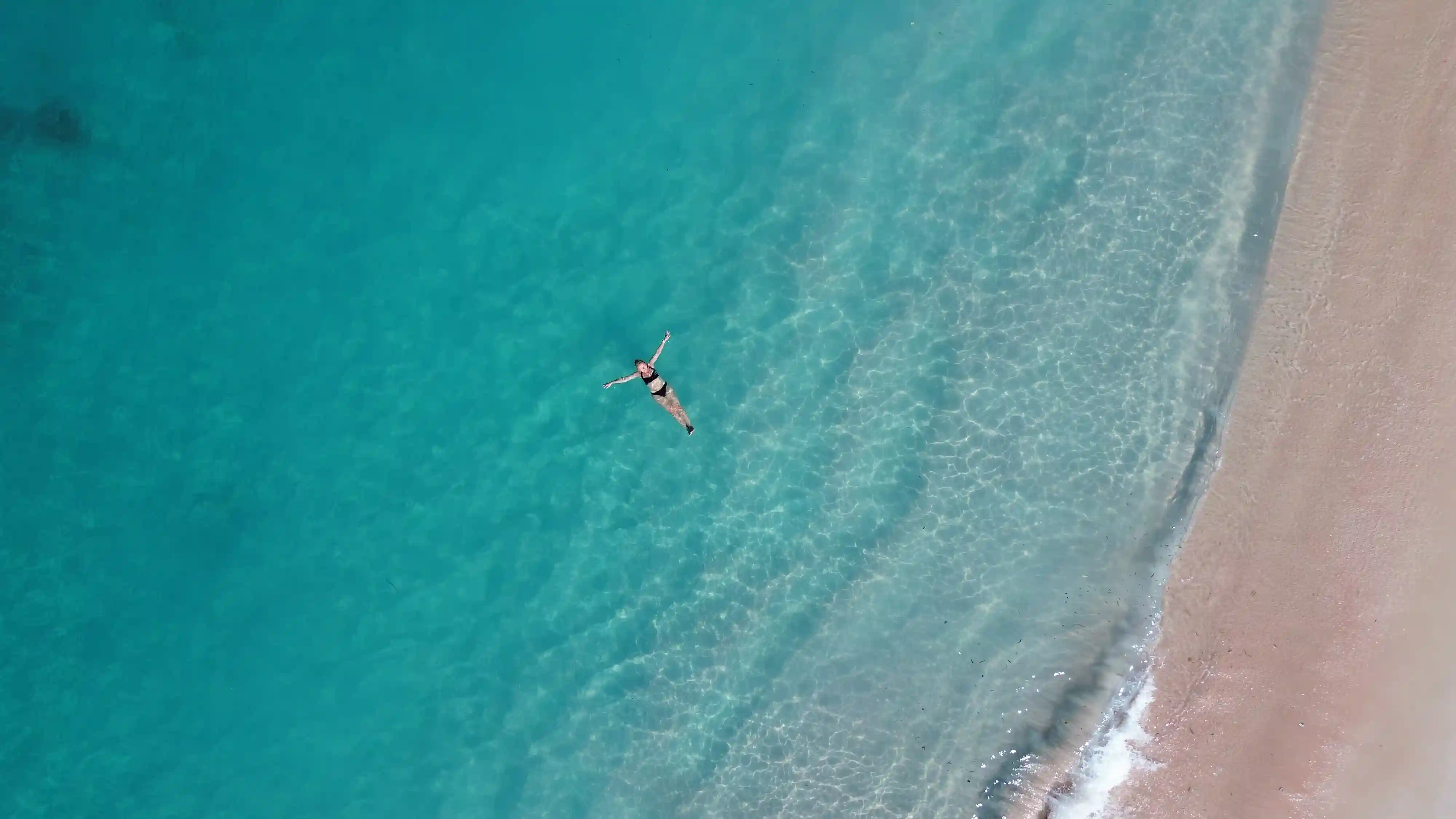
  • Swim and Relax in the Pink-Sand Bay: The shallow, enclosed waters of Pink Beach Komodo create calm swimming conditions suitable for all levels, with the most vivid color experience found along the wet shoreline where sand, light, and reef views naturally converge.
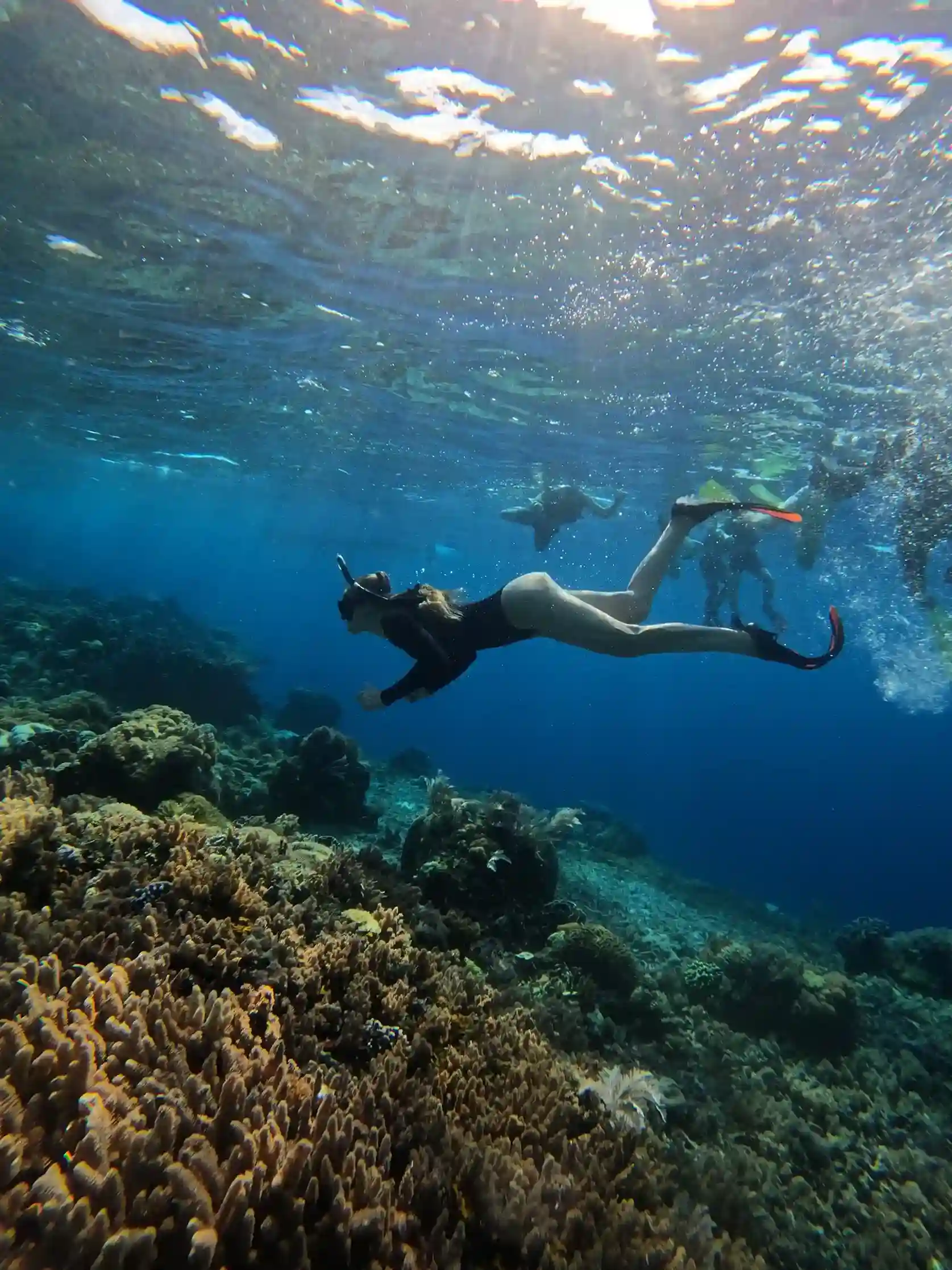
  • Snorkel Over the Reef Just Offshore: The reef at Pink Beach begins only a few meters from shore and supports a highly diverse marine ecosystem, making it one of the most accessible snorkeling environments in Komodo National Park under calm, clear dry-season conditions.
  • Photography at the Waterline and Bay Overview: Pink Beach offers strong visual composition opportunities where wet pink sand, turquoise water, and Komodo’s green hills align, especially during low-angle morning or late afternoon light for optimal contrast and depth.
Best Time to Visit Pink Beach Komodo | Komodo Luxury

How to Visit Pink Beach with Komodo Luxury

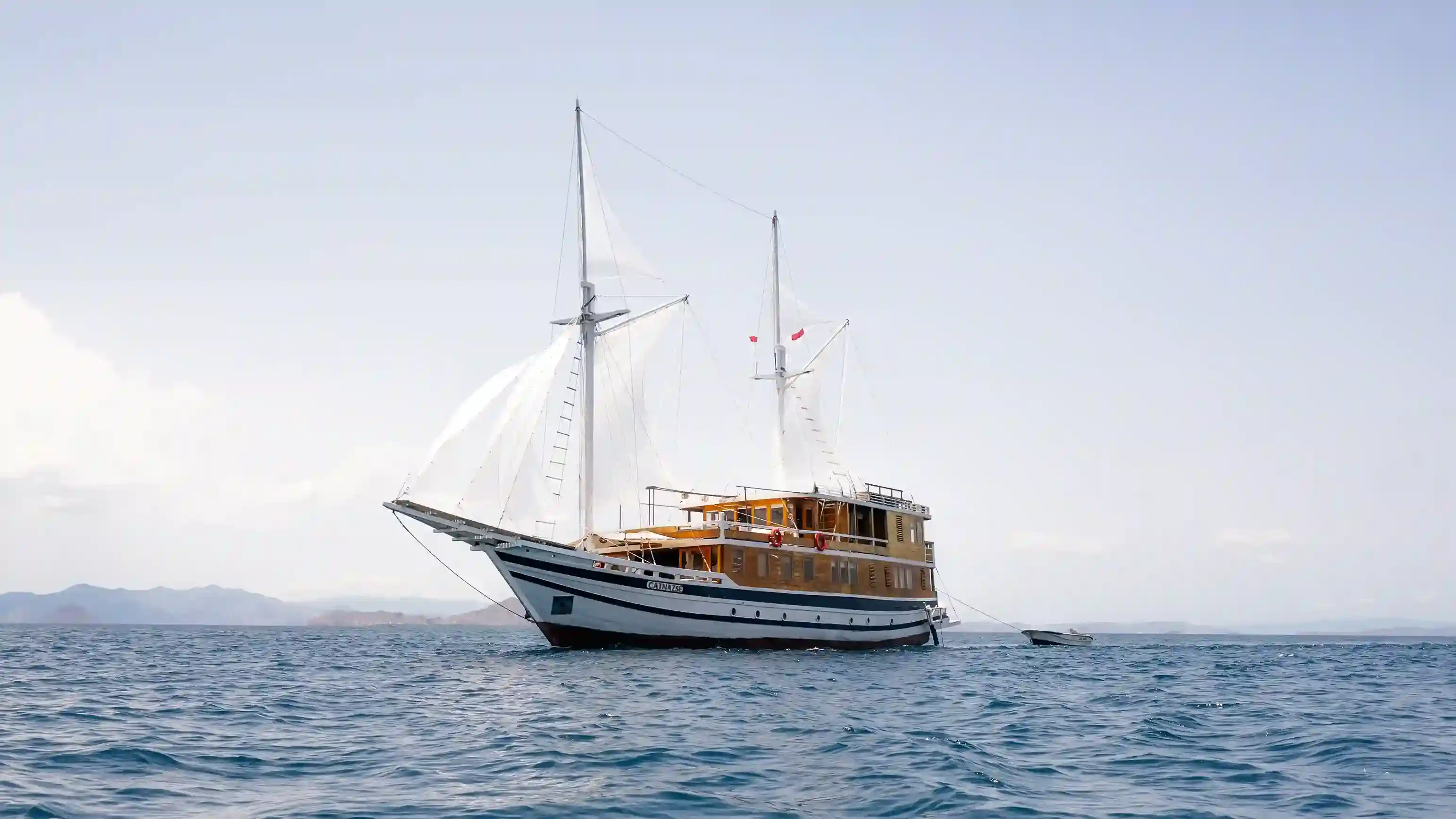
Pink Beach Komodo is included as a key stop across Komodo Luxury yacht itineraries, typically combined with Padar Island sunrise and Komodo Island dragon trekking before arriving for a relaxed afternoon swim and snorkeling session. The yacht anchors at designated mooring zones in Komodo National Park, with guests transferred to shore by tender for a short time. All operational logistics, including safety briefings, and it is fully managed by the onboard crew to ensure a seamless and compliant experience.

How to Visit Pink Beach with Komodo Luxury

Explore Pink Beach with Komodo Luxury

Komodo Luxury operates curated luxury phinisi Komodo tour package and private yacht charters across Komodo National Park and Raja Ampat, offering a more controlled and timing-optimized way to experience Pink Beach compared to standard shared day tours. Visits are scheduled around optimal light conditions and crowd flow, often arriving when earlier boats have left, allowing guests to experience the beach in a quieter and more visually balanced setting. Before landing, the crew provides reef and marine briefings onboard and ensures all activities follow strict low-impact and conservation-focused practices in line with Komodo National Park regulations.
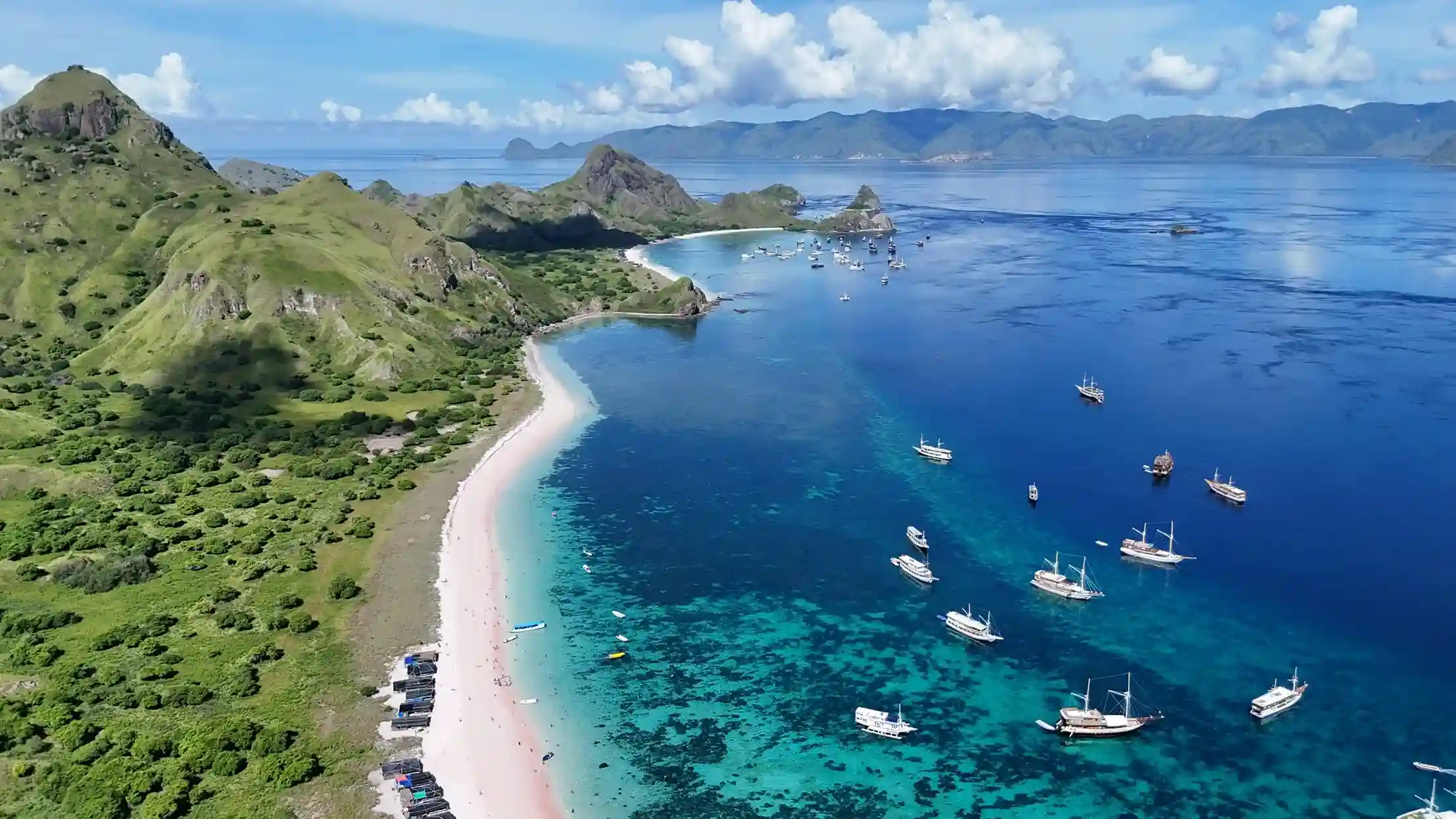
Pink Beach Komodo Sailing | Komodo Island tour | Komodo Luxury

Pink Beach at a Glance

LocationCoast of Komodo Island, inside Komodo National Park
AccessBoat only; ~2–3 hours from Labuan Bajo by tour boat, faster by speedboat
Best monthsApril–November (dry season, calmest seas)
Best lightMid-morning sun makes the pink most vivid
SnorkelingCoral gardens 50–100 m off the sand, ~3–15 m deep
FacilitiesNone — your boat is your base
Park ticketDated entrance ticket required — your crew arranges it, see our entrance fees guide

The Red Pigment Behind the Pink: Homotrema Rubrum

The blush is biological, not mineral. Alongside fragments of red organ-pipe coral (Tubipora musica), reef guides attribute the hue to Homotrema rubrum — a foraminifera with a red carbonate shell that lives on the surrounding reef. When both break down, their red particles wash ashore and blend with white coral sand: the higher the concentration, the deeper the blush. The effect is strongest in the wet band along the waterline, which is why the beach photographs best just after a wave retreats. Rangers ask every visitor to leave the sand where it is — enough hands would quite literally take the color away.

Pink Beach vs Padar’s Long Pink Beach

Komodo National Park has more than one pink shoreline, and guests often ask which to prioritize. Pantai Merah on Komodo Island is the classic: the deeper blush, the established snorkel reef, and a position minutes from the dragon trek at Loh Liang. Padar Island’s Long Pink Beach is the quieter alternative — a broad, often near-empty stretch below the famous viewpoint ridge, better for walking than snorkeling. On a multi-day route you simply take both; on a one-day circuit, Pantai Merah is the one built into the schedule. And a common question answered plainly: Komodo dragons are not a fixture of this beach — dragon viewing happens on ranger-guided trails at Loh Liang and on Rinca Island.

A Booking Note From Our Own Data

Across 1,063 recent Komodo Luxury bookings, guests reserved a median of 74 days before departure. July–August and holiday weeks fill earliest, so if your dates are fixed, book the boat before the flights. Pink Beach itself almost never stands alone on an itinerary — it slots into the central-park circuit alongside Padar’s viewpoint, the ranger-guided dragon trek, Taka Makassar sandbank, and Manta Point.

Itineraries That Stop at Pink Beach

  • One Day Trip Komodo — the speedboat circuit: Padar, Komodo dragons, Pink Beach, Taka Makassar, Manta Point in a single day.
  • Open / Share Trip — join a scheduled phinisi departure with Pink Beach on the standard route.
  • 3D2N Komodo Tour — the unhurried version: sunrise at Padar, a quieter Pink Beach window, and nights on board.
  • Private Trip or full phinisi charter — set your own timing and catch the beach at its emptiest.

Plan your visit: Komodo Luxury (PT Komodo Bahari Nusantara, sailing Komodo since 2015) operates 9 owned phinisi and works with 200+ vetted partner yachts, rated 4.9/5 by more than 1,500 guests. Message our team on WhatsApp at +62 811-3823-875 or email [email protected] and we will match the right boat and route to your dates.

Immersive Experiences

Activity

Dive pristine reefs, trek remote islands, and encounter wildlife during our luxury sailing tours.

Signature Voyages

Curated Luxury Tours

Signature luxury tour itineraries crafted to reveal Indonesia's most exclusive destinations and experiences

View All Tour

Questions & Answers

Pink Beach — Frequently Asked Questions (FAQs)

Yes — the pink colour is entirely natural and genuine. It is caused by a combination of two marine organisms: foraminifera (microscopic single-celled creatures with red calcium carbonate shells) and organ pipe coral (Tubipora musica), whose red skeleton breaks into fragments that mix with white sand. The pink is most vivid where waves wash across wet sand, and is enhanced by early morning or late afternoon light.
The sand's pink colour comes from two natural sources. Foraminifera — tiny single-celled marine organisms with red-pink calcium carbonate shells — live on the surrounding reef and wash ashore when they die. Organ pipe coral (Tubipora musica), a soft coral of the Indo-Pacific, produces a distinctive red skeleton that breaks down in waves and contributes larger visible pink fragments. Together, these mix with white calcium carbonate sand to create the signature blush. The health of the living reef is what continuously replenishes the colour.
Pink Beach Komodo (Pantai Merah) is on the southeastern coast of Komodo Island within Komodo National Park — not in Lombok. Lombok has its own pink beach called Tangsi Beach (Pantai Tangsi), on a completely different island in a separate province. Padar Island, also within Komodo National Park, has a lighter pink beach (Long Beach) that is better viewed from the Padar ridgeline above and does not offer snorkelling. All three are distinct.
Yes — the enclosed bay at Pink Beach Komodo has calm, shallow water suitable for guests of all swimming abilities. The coral reef begins at approximately 1 metre depth, just metres from the shoreline, making it one of the easiest reef entries in the national park. Currents outside the bay can be strong; always stay within the designated swimming area and follow your guide's instructions. Use reef-safe mineral sunscreen only.
Yes — the calm, enclosed bay and shallow reef make Pink Beach one of the most family-friendly stops in Komodo National Park. Children can snorkel in very shallow water with good visibility. For older guests or those who prefer not to snorkel, the beach offers peaceful swimming and photography. Sun protection is essential for all guests; there is no shade on the beach itself.
Light, quick-dry clothing or a swimsuit, water shoes or reef sandals (the sand has some texture from coral fragments), a hat and sunglasses, and reef-safe mineral sunscreen applied before leaving the boat. Snorkel gear is typically provided by liveaboard and yacht operators. Do not bring glass bottles or single-use plastic onto the beach — all waste must return to the vessel. Do not collect sand, shells, or coral fragments.
Komodo dragons are not typically found at the beach area itself. They inhabit the inland forest and savannah of Komodo Island and are encountered on guided ranger treks at designated trekking routes on the island. On rare occasions, a dragon may pass along the shoreline, but Pink Beach is not a primary dragon habitat. A combined itinerary — dragon trek in the morning, Pink Beach in the afternoon — provides both experiences safely and efficiently on the same day.
Pink Beach has no land access — it is reached only by boat from Labuan Bajo, normally as part of a full-day Komodo route or an overnight sailing itinerary that also covers Padar Island and Komodo Island. The crossing into the national park takes between one and two hours depending on the vessel.
April to November offers the calmest seas and clearest snorkelling conditions. The pink tone of the sand shows most vividly in bright sunlight, so late morning to early afternoon is the best window for photographs.
No. Removing sand, shells, or coral from Komodo National Park is prohibited. The color depends on a finite supply of red coral and foraminifera fragments, so rangers ask every visitor to leave the beach exactly as found.

Pink Beach, Komodo Island: What It Is and Why It Is Pink

Pink Beach (Pantai Merah) on the east coast of Komodo Island is one of only a handful of naturally pink beaches on Earth. The blush color comes from microscopic red foraminifera and crushed fragments of red pipe-organ coral mixed into the white sand — strongest at the waterline just after a wave recedes. The bay in front of it is a calm, shallow coral garden, which makes it the classic swim-and-snorkel stop between the Padar hike and the Komodo dragon trek.

Pink Beach at a Glance

How to Get There

Pink Beach is reachable only by boat, about 1.5 hours by speedboat from Labuan Bajo (roughly 30 km). It is included in virtually every Komodo itinerary as the stop after Komodo Island's dragon trek or before Padar. Park tickets are checked on entry — see current entrance fees.

Frequently Asked Questions

Is Pink Beach really pink?

Yes — genuinely, though subtly. The color is strongest where the sand is wet, and reads more vividly in person than in unedited photos. Midday sun brings it out best.

Can you swim and snorkel at Pink Beach?

Yes. The bay is calm and shallow with a healthy coral garden starting a few meters out — it is one of the easiest snorkel stops in the park, suitable for children and first-timers.

How much is the national park pass for Pink Beach?

Pink Beach sits inside Komodo National Park, so the standard park ticket applies rather than a separate beach fee. Fee components change periodically — check our current entrance fees page for the up-to-date breakdown. Since April 2026, Komodo National Park caps visitors at 1,000 per day across its sites (reported by RRI and Floresa) — book park tickets ahead in high season.