
Komodo Luxury - The Best Komodo Boat Tour & Raja Ampat Diving Tour
Manta Point Destination

Manta Point Destination

Swim with the Giants

Manta Point

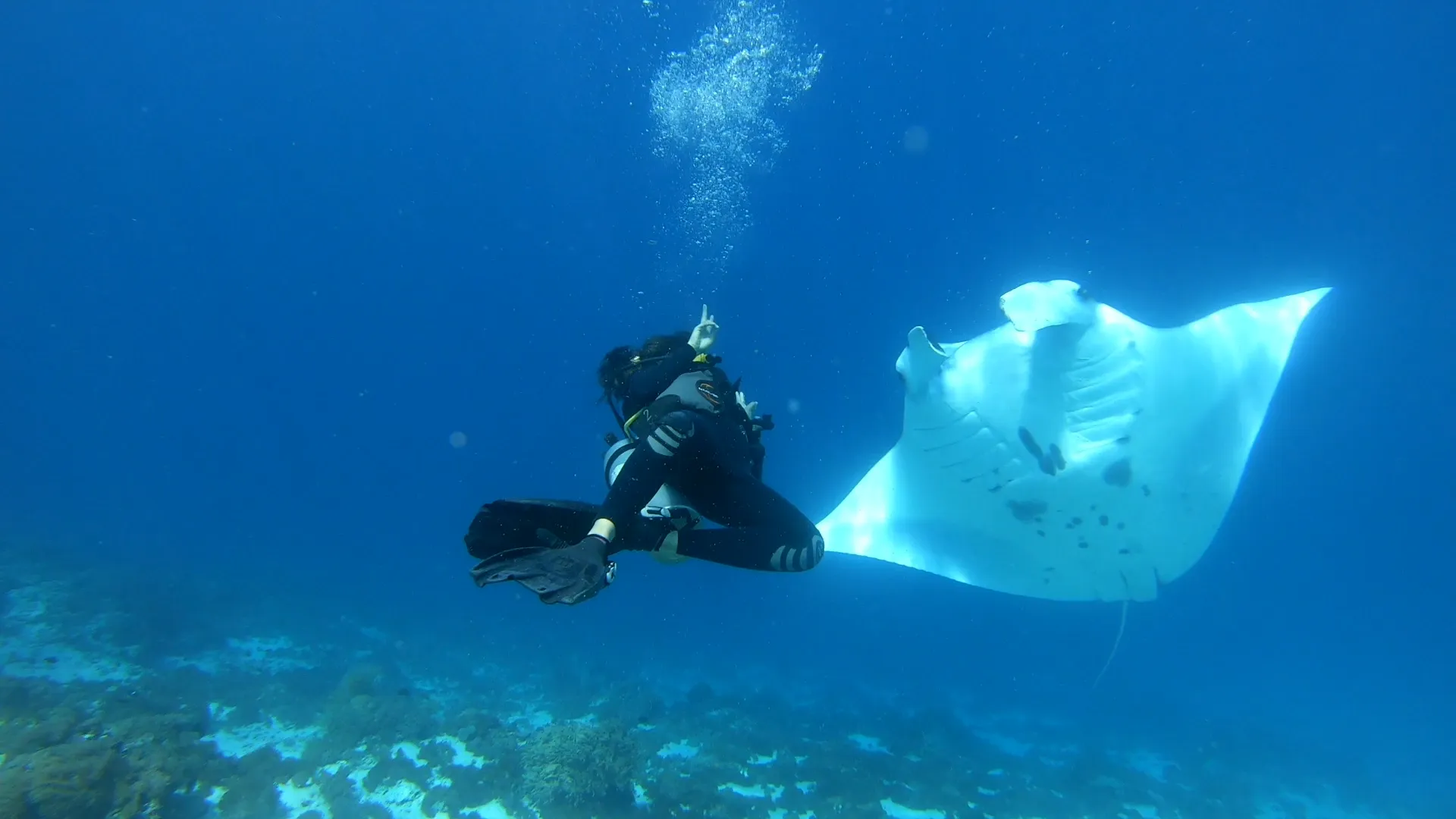
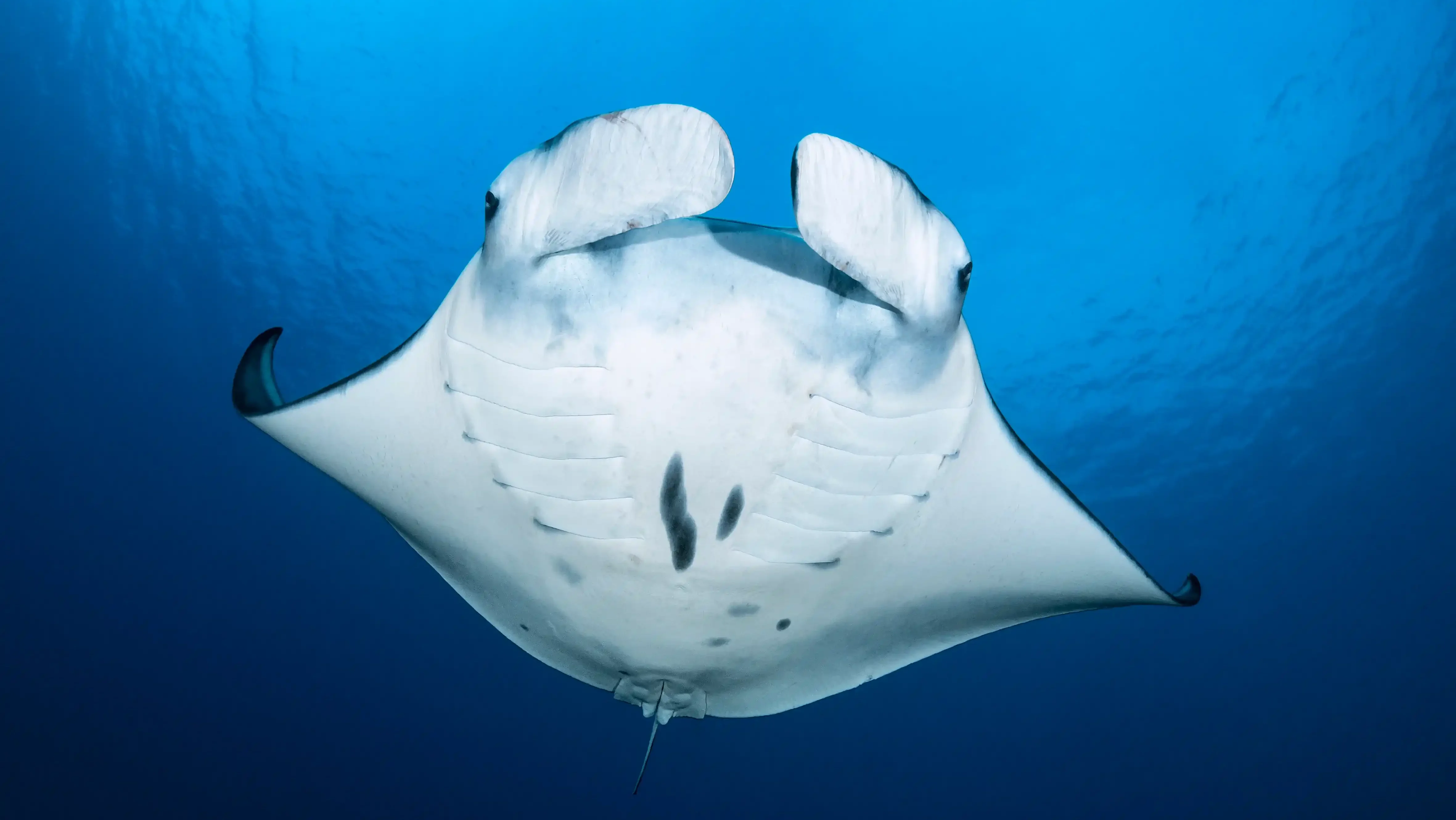
Manta Point is one of the most celebrated marine sites in Komodo National Park and among a small number of locations in the world where oceanic manta rays (Mobula birostris) can be reliably encountered by swimmers and divers. The site lies off the southern coast of Komodo Island, within the boundaries of Komodo National Park in Eastern Indonesia, and draws visitors from across the world who come specifically to enter the water alongside these animals. At full wingspan, oceanic manta rays can reach up to seven metres — making an encounter at close range a genuinely rare and striking experience. For guests aboard a Komodo Luxury private charter, Manta Point is a centrepiece of almost every central Komodo itinerary, and the site anchors many multi-day Komodo liveaboard routes from Labuan Bajo — about 1.5 hours away by speedboat, with encounters possible in every season.

What is Manta Point

Also known as Karang Makassar — meaning "Makassar Reef" — Manta Point is the largest single dive site in Komodo National Park and one of the most productive manta ray feeding zones in the world. The site is a shallow, largely flat rubble plateau scattered with coral bommies and sand channels — stretching approximately 3 kilometres long and up to 500 metres wide. It functions, in effect, as a natural manta ray highway: the reef sits in a channel where opposing tidal currents drive cold, plankton-rich water to the surface, creating the upwelling that draws mantas here in consistent numbers.
Manta Rays Point - Komodo Luxury

Where is Manta Point

Manta Point is located inside Komodo National Park, between Komodo Island and Tatawa Besar Island. The site sits in the central zone of the national park, accessible by a short boat ride from Labuan Bajo — the main gateway to Komodo. Its position between Komodo Island and Tatawa Besar places it within easy reach on any multi-day charter itinerary, typically combined with a Komodo dragon trek on the island itself. Manta Point is accessible to both snorkelers at the surface and divers descending to 5–25 metres. Visibility varies significantly depending on current phase, time of day, and season — visiting with an operator who understands the site's tidal windows makes a meaningful difference to the quality of the encounter.  
Manta Ray on Manta Point | Catnazse Cruise Liveaboard Phinisi | Komodo Luxury

Why Manta Point is a Must Visit

  • Home to Manta Rays: Manta Point is famous for its manta rays, a must see for marine lovers and eco tourists.
  • Biodiversity: Beyond manta rays, see vibrant coral reefs with reef sharks, turtles and schools of fish.
  • Diving and Snorkeling Paradise: Clear water and nutrient rich water makes this site perfect for beginners and experienced divers
Manta point (Makassar Reef) - KomodoLuxury

What to Expect at Manta Point

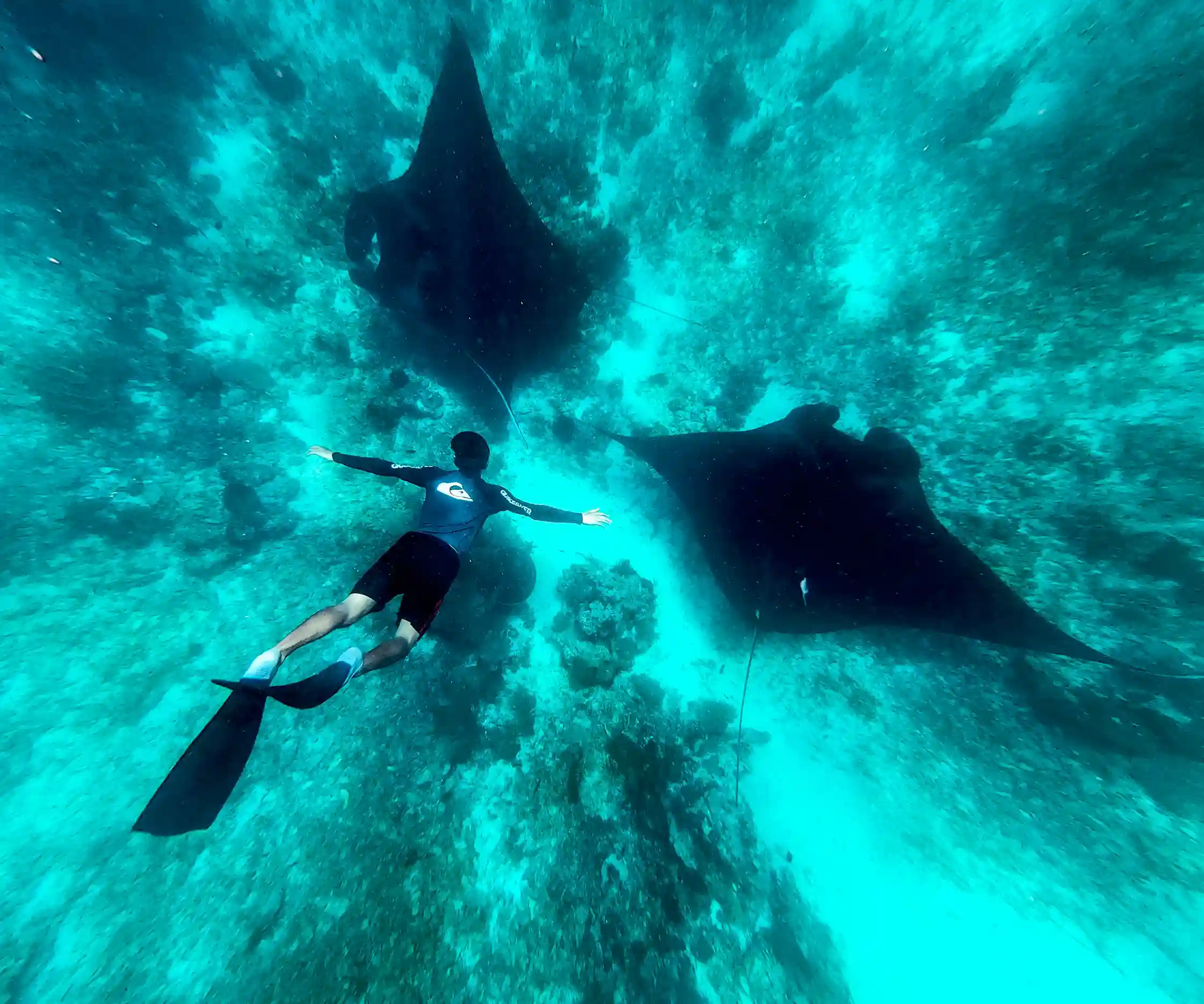
Manta Point is one of the few world-class marine encounters accessible without scuba certification. A manta drifting beneath you — wingspan reaching 3 to 5 metres — is an encounter that consistently surpasses expectation, whether you're at the surface or below.
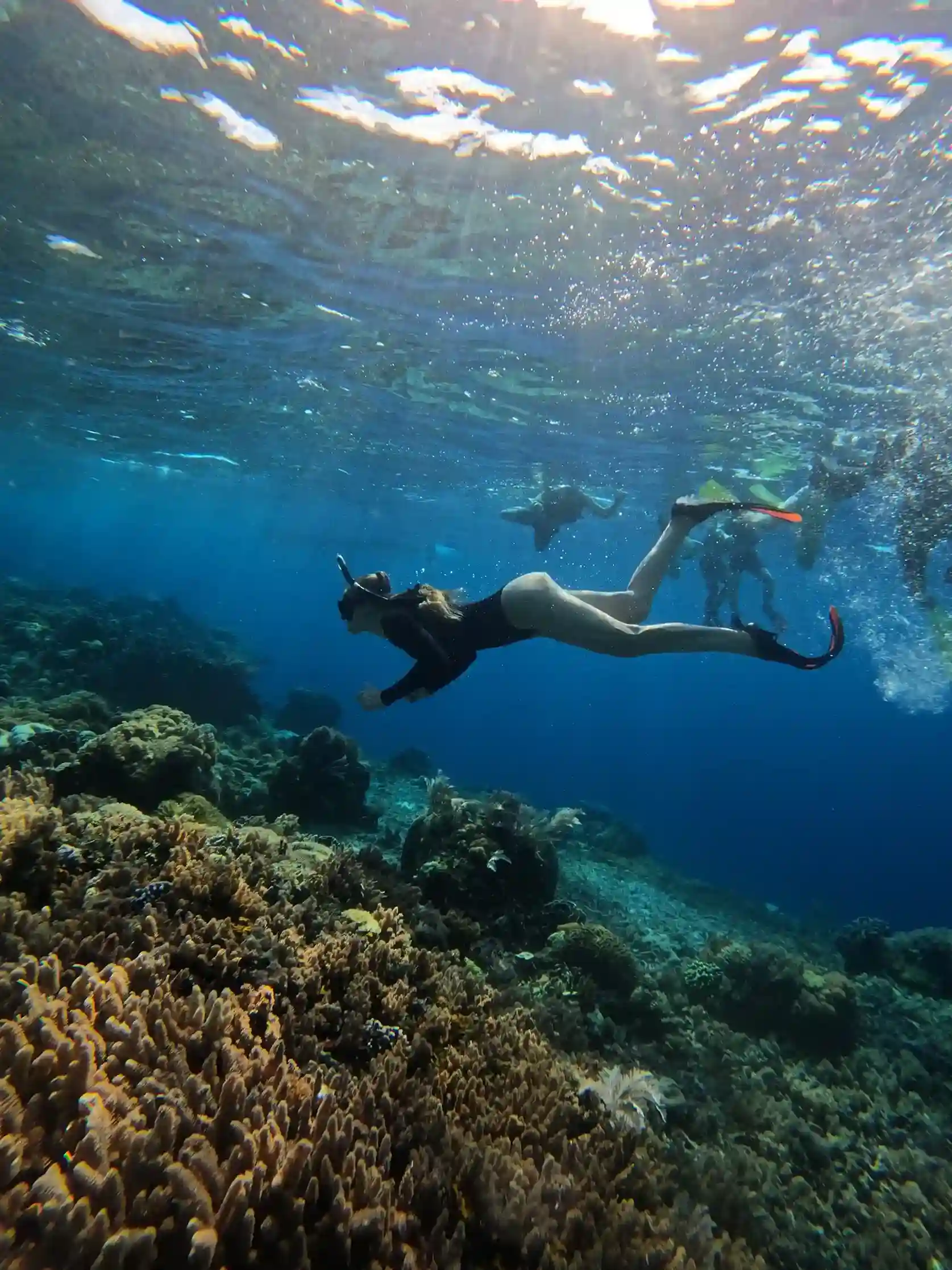
  • Snorkeling at Manta Point: Mantas feed at or near the surface on rising tide — fully visible with a mask and snorkel from just above. The scale of the animal at close range is immediately startling.
  • Diving at Manta Point: A gentle drift dive at 10–15 m across the cleaning station zone. Current is mild to moderate — one of the most forgiving drift dives in the park.
  • Other Marine Life Beyond the Mantas: Sea turtles, eagle rays, white-tip reef sharks, giant trevally, blue-spotted stingrays, and nudibranchs reward attention between manta passes.
Manta Rays on Komodo National Park | Komodo Island Tour

Best Time to Visit Manta Point

Manta rays are present at Manta Point year-round — a key advantage over many global manta destinations. Encounter quality and conditions vary by season, but reliable sightings are possible on any visit.
  • Oct – June: Peak manta activity. Strongest visibility during the dry months (April–June), with large aggregations often forming in October–December as cooler water draws mantas from the south.
  • Jul – Sep: Calmest sea conditions and best visibility for travel. Manta numbers slightly lower than peak, but sightings remain very reliable.
  • Dec – Mar: Cooler water and higher plankton draw more mantas — encounters can be extraordinary in volume. Seas are rougher and visibility occasionally reduced.
Manta Point Labuan Bajo | Komodo Luxury

Manta Point Experience

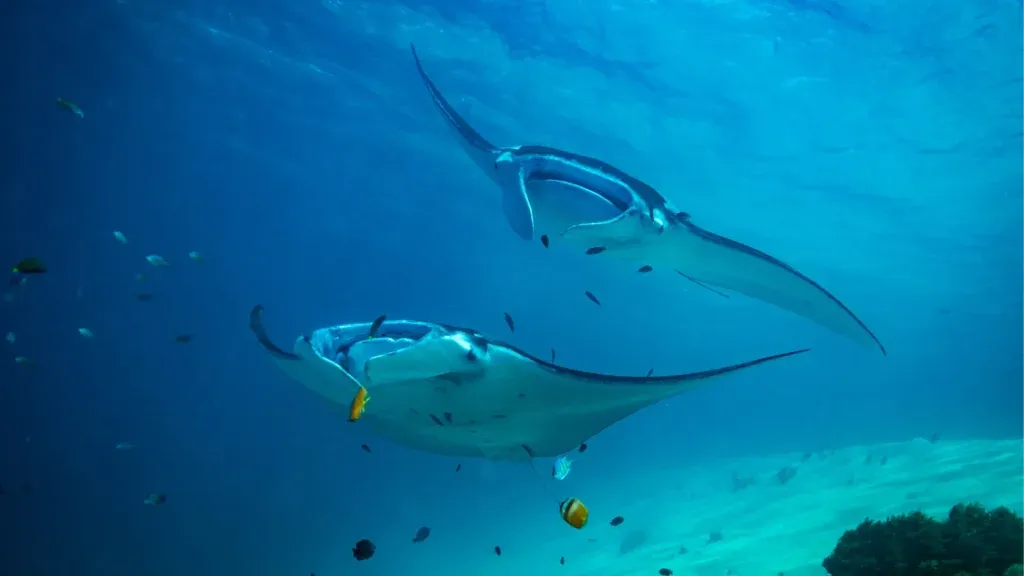
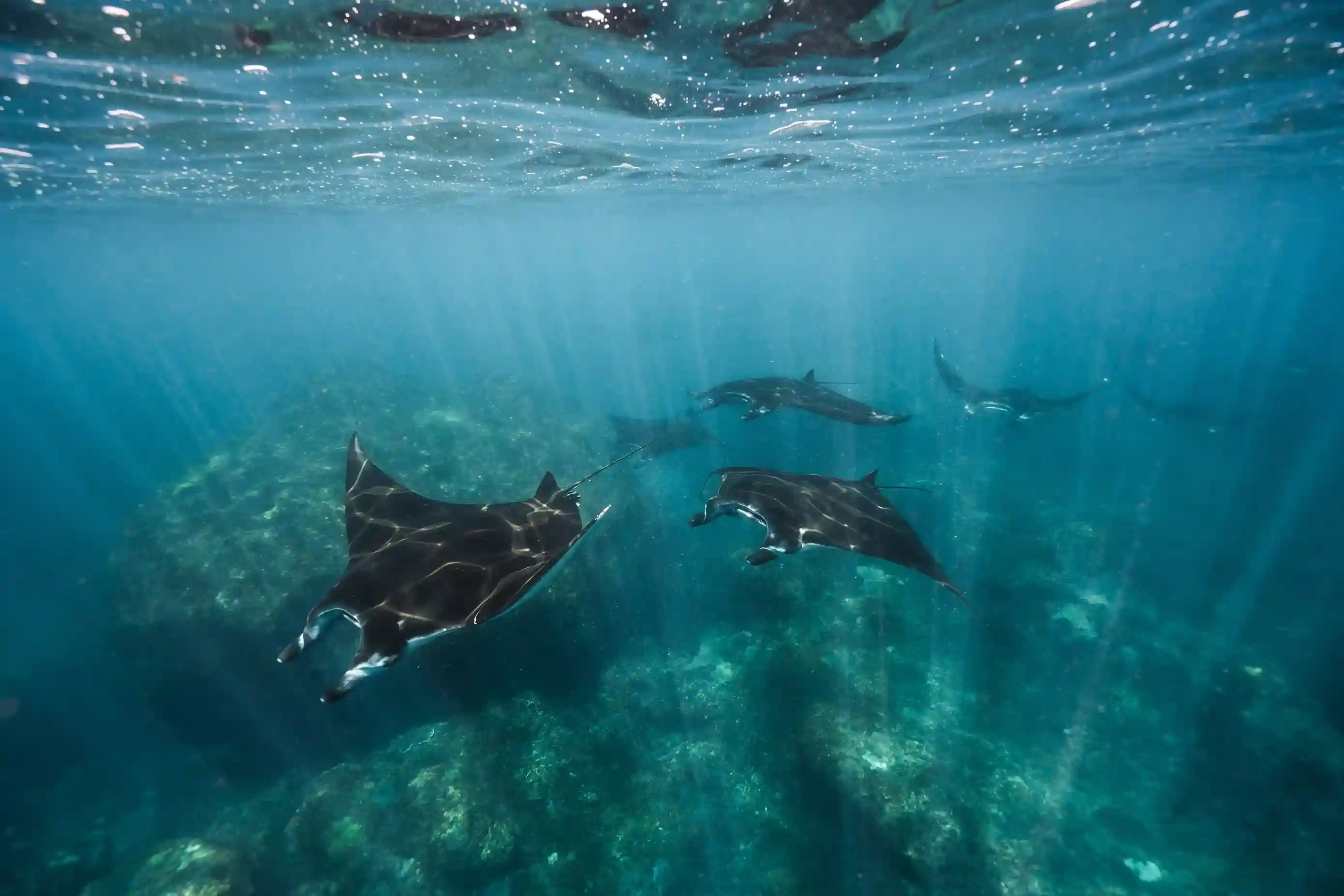
The experience of diving or snorkeling in Manta Point is like entering a completely different world. Manta rays, sometimes in groups, swim gracefully around you as you're surrounded by schools of colorful fish and vibrant coral reefs.
Manta Ray in Komodo National Park | Komodo Luxury

How to Visit Manta Point with Komodo Luxury

Manta Point is accessible only by boat. From Labuan Bajo, it’s around 45 minutes by speedboat or 2–2.5 hours by traditional phinisi, depending on sea conditions and route. On a Komodo Luxury multi-day charter, Manta Point is usually scheduled on day 2 or 3, combined with nearby highlights like Pink Beach, Taka Makassar sandbar, and a Tatawa Besar snorkeling session.
Manta Ray on Manta Point | Komodo Island Tour by Komodo Luxury

Explore Manta Point with Komodo Luxury

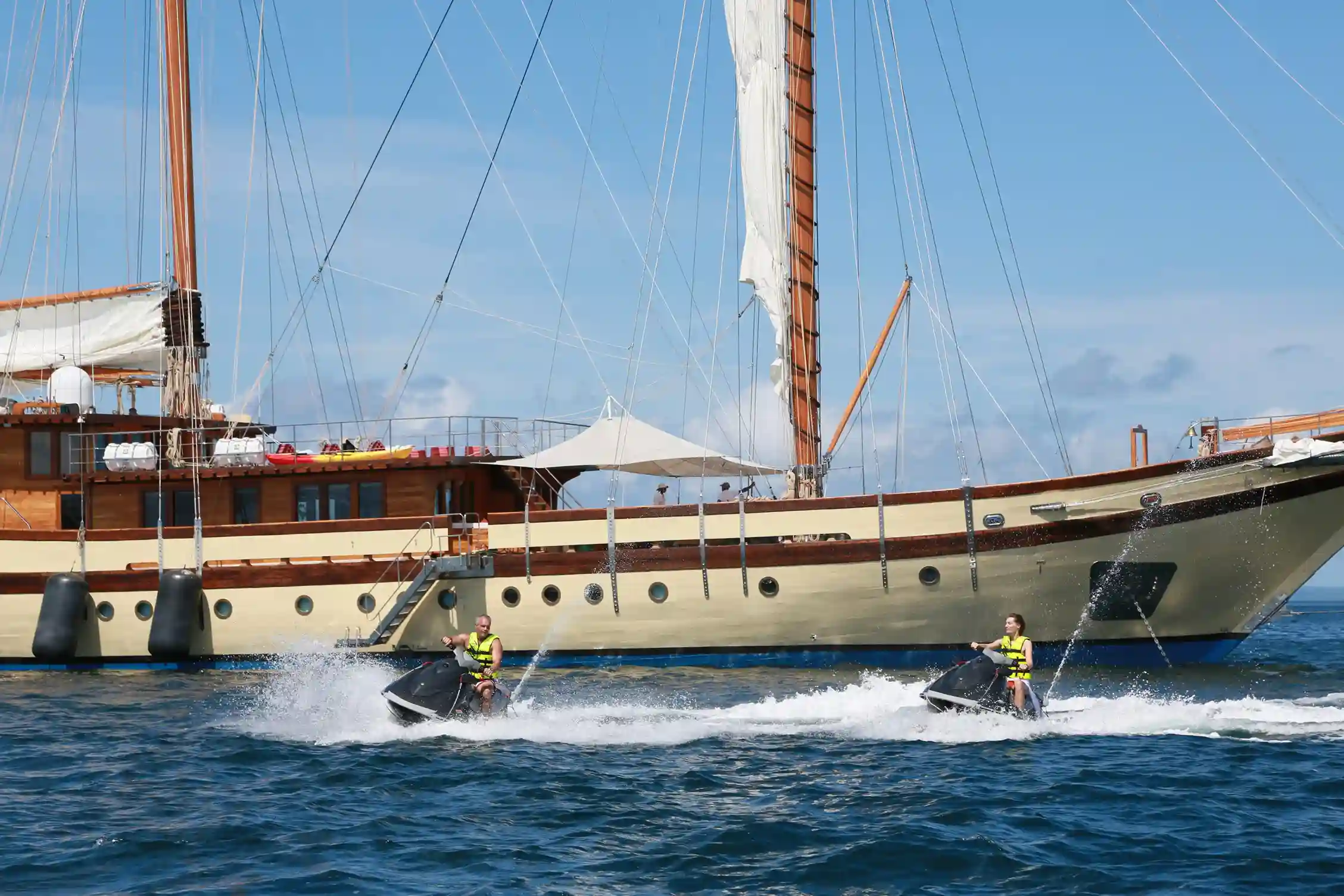
Manta Point is a featured destination in every Komodo Tour Package by Komodo Luxury, giving you seamless access to one of Komodo’s top snorkeling sites. With expert guides, premium equipment, and fully curated itineraries, everything is taken care of—from Labuan Bajo transfers to personalized snorkeling or diving experiences—so you can focus on the encounter.
Manta Ray in Misool Raja Ampat Underwater | Komodo Luxury

Manta Point at a Glance

What it isKarang Makassar — a kilometers-long shallow reef bank in the channel east of Komodo Island
DepthRubble-and-sand plateau in roughly 5–15 m of water
Access±1.5 hr by speedboat from Labuan Bajo; minutes from Taka Makassar
SeasonSightings year-round; largest feeding aggregations December–March
FormatDrift by snorkel or scuba; guides read the tide and set the line
Full positionsSee our Komodo National Park map

About Komodo’s Reef Mantas

The mantas of Karang Makassar are reef manta rays, Mobula alfredi — filter feeders with wingspans commonly in the 3–4 m range, no barb and no teeth of concern. Each carries a unique pattern of spots on its belly, which is how researchers photo-identify individuals; Komodo’s protected waters are one of Indonesia’s strongholds for the species, and manta rays have been legally protected across Indonesian waters since 2014 — one of the largest manta sanctuaries in the world. They come to the plateau for two services: plankton carried on the tide, and cleaning stations where small wrasse pick their skin and gills clean.

Snorkel or Dive It?

FactorDrift snorkelScuba dive
ViewMantas gliding below and rising to the surface to feedEye-level at the cleaning stations
Skill neededConfident open-water swimming; fins mandatoryComfort with drift diving and hook-free buoyancy
Best tideModerate flow, feeding lines near surfaceSlack-to-building tide at the stations
Time in water20–40 min per drift, repeatable±50 min, one pass

If the Mantas Don’t Show

Honest operators say it plainly: Karang Makassar is a wild aggregation site, not an aquarium, and one drift in perfect conditions can still come up empty. The site itself softens the risk — the drift over the rubble bank turns up turtles, eagle rays, reef sharks resting in the rubble and thick snapper schools even on a manta-less pass — and geography does the rest: Taka Makassar is 10–15 minutes away for the surface interval, and a second drift on the next tide window is standard practice on our charters rather than a favor. Over a two- or three-day route the odds compound in your favor; that, more than luck, is why liveaboard guests almost always leave with their manta. The classic day loop runs Padar viewpoint at first light, Pink Beach mid-morning, Manta Point on the tide, then the sandbar — and snorkelers who want a calmer second water stop finish at Siaba’s turtle seagrass beds.

Plan your visit: Komodo Luxury (PT Komodo Bahari Nusantara, sailing Komodo since 2015) operates 9 owned phinisi and works with 200+ vetted partner yachts, rated 4.9/5 by more than 1,500 guests. Message our team on WhatsApp at +62 811-3823-875 or email [email protected] and we will match the right boat and route to your dates.

Itineraries That Stop at Manta Point

“Do we get to see sharks and mantas, or only the national park?” is one of the questions we hear most — at Karang Makassar, mantas are resident year-round with the strongest aggregations December to March; see the manta season guide.

Immersive Experiences

Activity

Dive pristine reefs, trek remote islands, and encounter wildlife during our luxury sailing tours.

Signature Voyages

Curated Luxury Tours

Signature luxury tour itineraries crafted to reveal Indonesia's most exclusive destinations and experiences

View All Tour

Questions & Answers

Manta Point — Frequently Asked Questions (FAQs)

No. Manta rays are harmless filter feeders with no venomous spine and no interest in humans. They often approach swimmers calmly. The only rule—don’t touch them—is for conservation, not safety.

No—you don’t need any certification to snorkel at Manta Point. Mantas often feed just 2–4 meters below the surface, so surface swimming already gives you an excellent experience. However, scuba diving does require certification (minimum Open Water). Diving allows you to explore deeper areas and observe behaviors like cleaning stations, but it’s optional—snorkeling alone is already very rewarding.

Mantas are present year-round. Peak aggregations occur September–November, with another strong window in February–April (fewer crowds). May–August offers good conditions, though July–August is busiest.

Early morning (before 9am) is best—fewer boats and calmer conditions. Private charters can access the site earlier for a quieter experience.

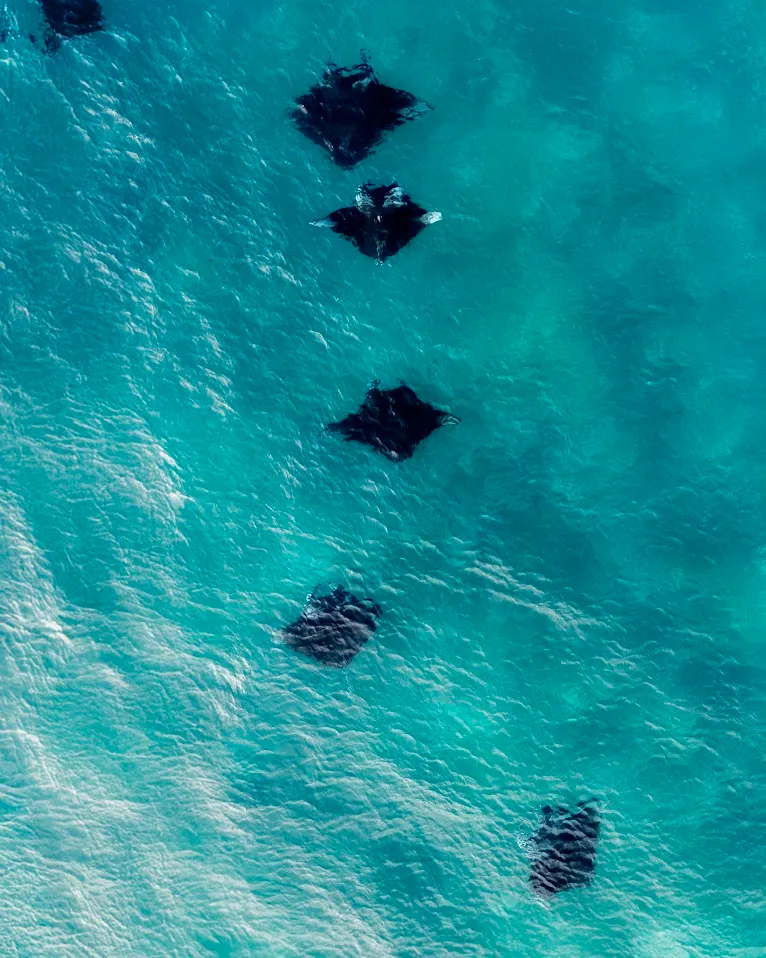
Typically 2–6 mantas per visit. During peak months, groups of 10+ are possible. Sightings are highly consistent but never guaranteed.

Yes, for confident swimmers comfortable in open water. Parents should assess readiness, and setups can be adjusted for younger guests.

Not recommended if you haven’t dived in 12+ months. Currents can be strong—consider a refresher dive (e.g., at Siaba Besar) first.

Included in most multi-day itineraries, but routes are customized based on guest preferences, timing, and conditions. Mention it in advance to prioritize your visit.

Manta Point (Karang Makassar) is a relatively shallow site, with depths ranging from approximately 5 metres at the shallowest cleaning stations to around 15 metres across the main plateau. This shallow profile is one of the site's defining characteristics — it makes manta rays accessible to snorkelers as well as divers, and the surface light creates exceptional conditions for underwater photography. There is no need to dive deep to have an outstanding Manta Point experience.

Yes — Manta Point is one of the few manta ray destinations in the world with reliable year-round sightings. Komodo National Park supports a resident population of approximately 1,200 reef manta rays, and Karang Makassar's nutrient-rich waters and cleaning stations attract them consistently across all seasons. Peak aggregations typically occur from October to June, with the highest numbers often seen from November to March when cooler, plankton-dense water draws mantas to the central zone. Sightings remain reliable throughout the rest of the year.

Manta Point (Karang Makassar) lies within central Komodo National Park and is reached by boat from Labuan Bajo — roughly 1.5 hours by speedboat, longer by traditional phinisi. Guides survey the channel for feeding mantas first, then snorkellers slip in and drift gently with the current alongside them.
Fins are non-negotiable in the current, a rash guard or reef-safe sunscreen protects you and the site, and a simple camera on a wrist leash beats anything you have to chase. Your crew provides the briefing, the surface buoy and the pickup; your job is to float, watch and let the mantas run the show.

Manta Point (Karang Makassar): Swimming with Manta Rays in Komodo

Manta Point — officially Karang Makassar — is a 1.5 km drift over a rubble reef where reef manta rays gather to be cleaned, feed and, in season, train in courtship lines. It is the most reliable place in Komodo National Park to swim alongside mantas: boats drop snorkelers or divers up-current and the drift carries you over the cleaning stations. Sightings happen year-round, with the densest aggregations roughly December to February.

Manta Point at a Glance

How to Get There

Manta Point is a boat-only site on the standard day-trip loop, usually visited right after Taka Makassar. The crew scans for wingtips from the flybridge, positions up-current, and guests drift the site in small groups. Park tickets apply; see current entrance fees.

Frequently Asked Questions

What are the chances of seeing mantas at Manta Point?

High by wildlife standards — Karang Makassar is a cleaning-station aggregation site, not a random encounter spot. No operator can honestly promise a sighting, but most days deliver, and crews will make multiple drift passes when needed.

Do I need to be a strong swimmer for Manta Point?

You should be comfortable in open water — it is a drift, so the current does the work while the boat follows the group. Life jackets and guide escort are standard for snorkelers.

When is the best season for manta rays in Komodo?

Mantas are present all year. The biggest groups are usually seen from about December to February, when plankton-rich water draws feeding trains to the site.