
Komodo Luxury - The Best Komodo Boat Tour & Raja Ampat Diving Tour
Kalong Island Destination

Kalong Island Destination

Bat Island

Kalong Island

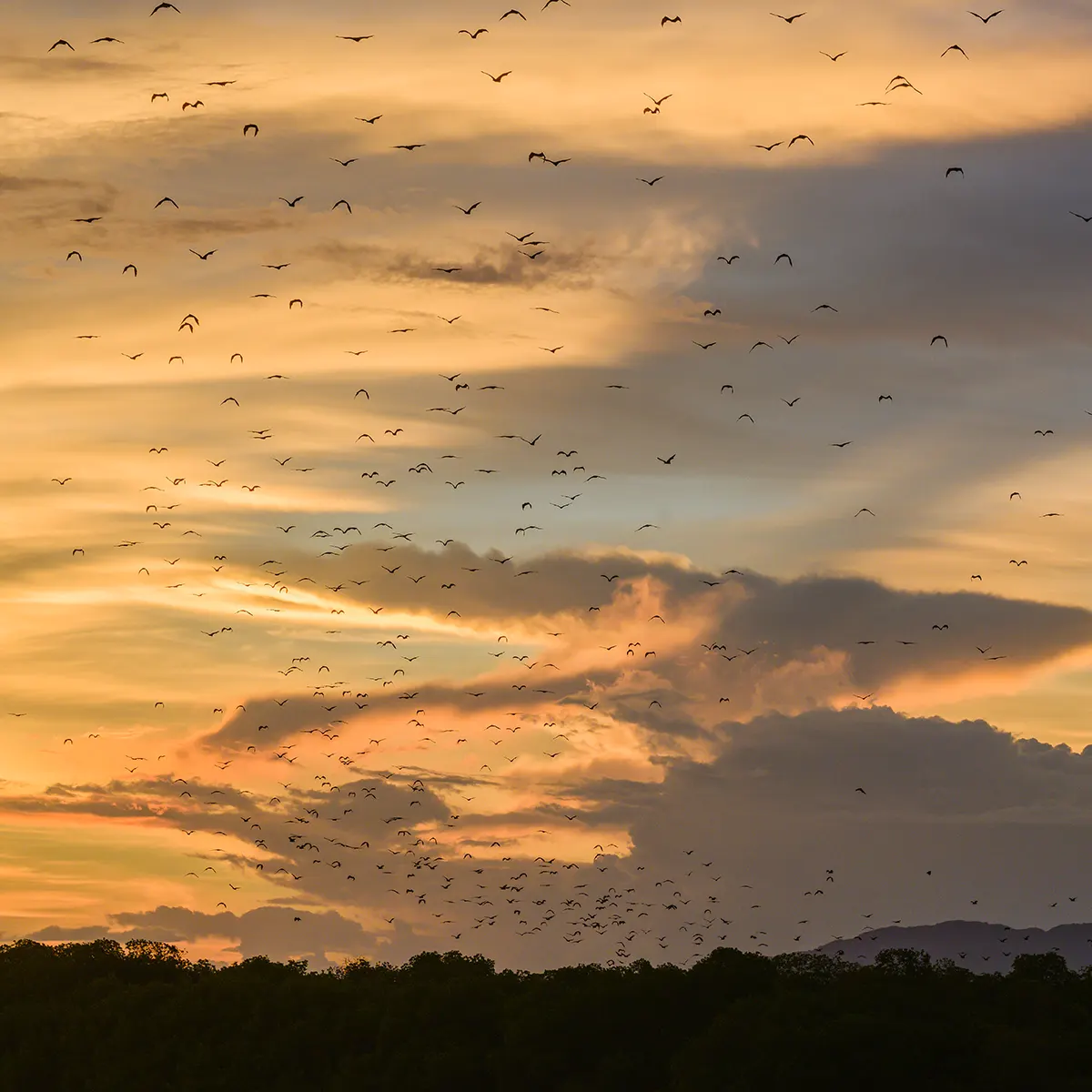
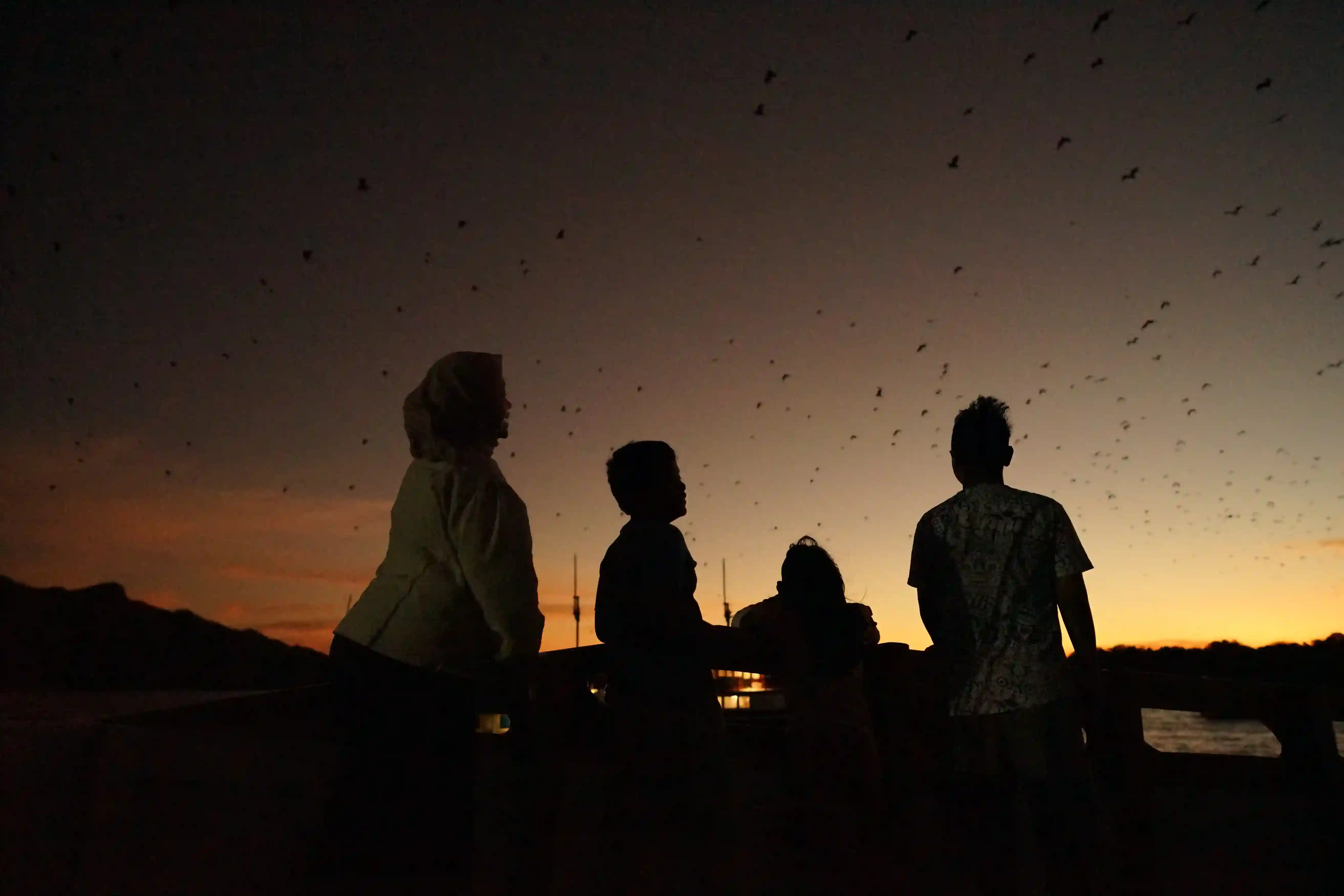
Kalong Island is often referred to as “Bat Island,” known for its remarkable sunset phenomenon when thousands of flying foxes (large fruit bats) leave the mangroves and glide across the evening sky. Set against the warm tones of dusk, this natural display has become one of the most distinctive wildlife experiences in Komodo National Park, especially for travellers seeking something beyond typical island views. The island sits a short cruise from Labuan Bajo, and most Komodo boat tour itineraries anchor offshore at dusk — the flying foxes emerge every evening, in every season. For guests joining a curated Komodo yacht charter, Kalong Island is usually positioned as a sunset highlight within the itinerary. The visit is carefully timed to match the bats’ natural movement, allowing you to enjoy the moment from a comfortable vantage point on board while the crew handles navigation, anchorage, and overall pacing of the journey.

What Is Kalong Island

Kalong Island (Pulau Kalong or Pulau Koaba) is a small, uninhabited mangrove island in Komodo National Park, known as a natural roosting site for thousands of flying foxes (large fruit bats). The island is entirely covered in dense mangrove forest and has no permanent human presence or visitor access. It functions as an important habitat within the Komodo ecosystem, supporting one of the largest bat colonies in the area. As a protected environment, Kalong Island plays a key role in maintaining ecological balance, particularly through the bats’ role in pollination and seed dispersal.

Kalong Island in Labuan Bajo

Where is Kalong Island

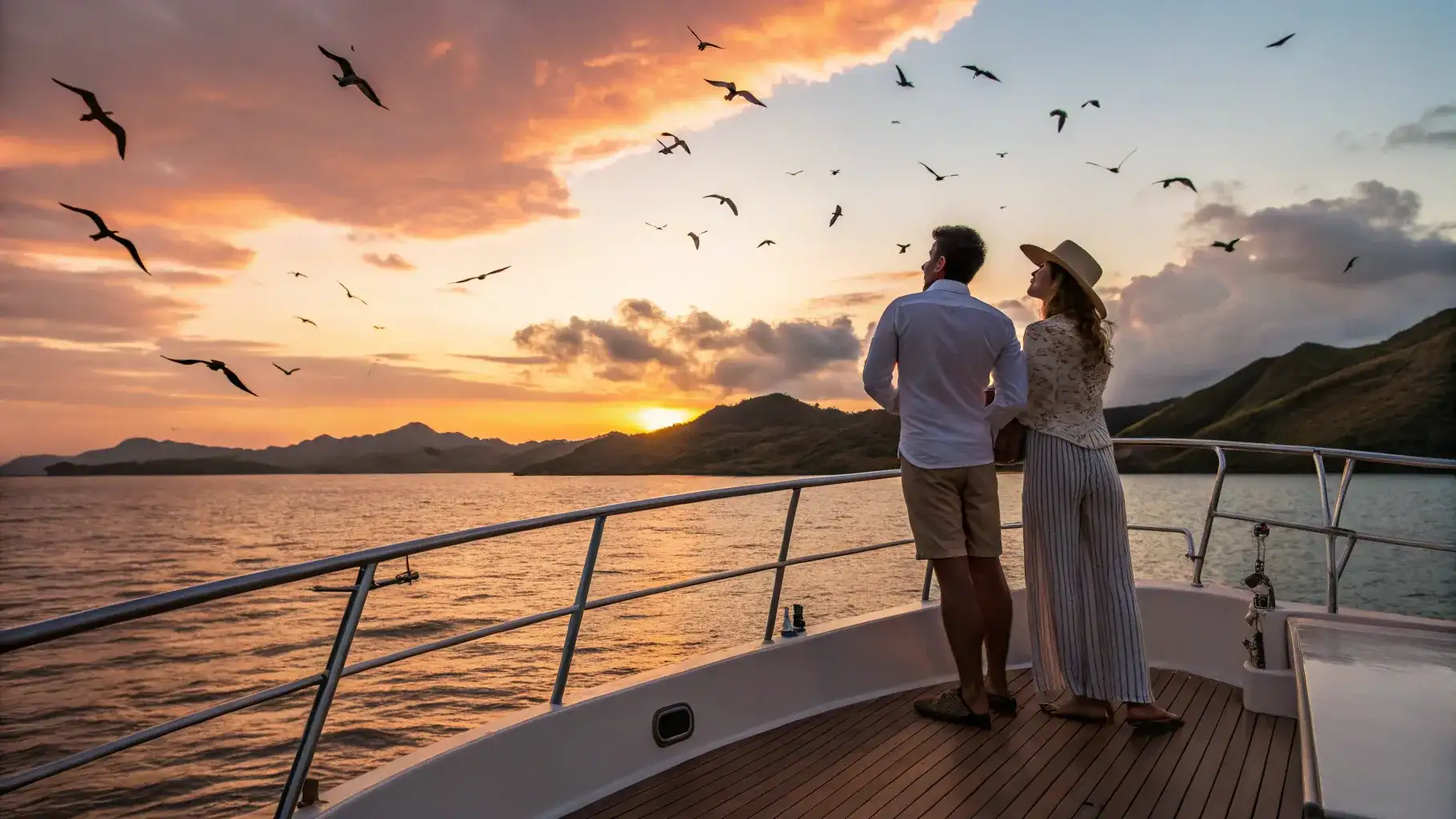
Kalong Island is located in the western section of Komodo National Park, within East Nusa Tenggara, Indonesia. It sits between Rinca Island and Papagarang, in a sheltered coastal zone characterised by calm waters and surrounding mangrove ecosystems. The island lies approximately eight kilometres from Labuan Bajo, the main gateway town to the Komodo region. Its position along key sailing routes makes it a naturally accessible point within the broader Komodo island network.

Where is Kalong Island

Why Kalong Island Is A Must-Visit

Kalong Island offers one of the most effortless yet powerful wildlife experiences in Komodo National Park, where you can witness a large-scale natural phenomenon without any physical exertion.
  • A Rare Large-Scale Wildlife Spectacle: Thousands of flying foxes emerge in continuous waves, creating a natural display that is both visually and acoustically distinctive.
  • Minimal Effort, Maximum Impact: Unlike trekking or diving activities, the experience requires nothing more than being present on deck, making it accessible to all ages and travel styles.
  • A Unique Sensory Experience: The soft, rhythmic sound of wings combined with the shifting colours of sunset creates an atmosphere that feels calm yet immersive.
  • A Natural Balance to an Active Komodo Day: After a day of exploration, Kalong provides a slower, reflective moment that complements the more physically demanding parts of the itinerary.
Kalong Island Valentine Proposal in Komodo | Komodo Island tour | Komodo Luxury

What to Expect at Kalong Island

A visit to Kalong Island is a carefully timed, boat-based experience where guests observe the bat exodus from a safe and respectful distance as daylight fades.
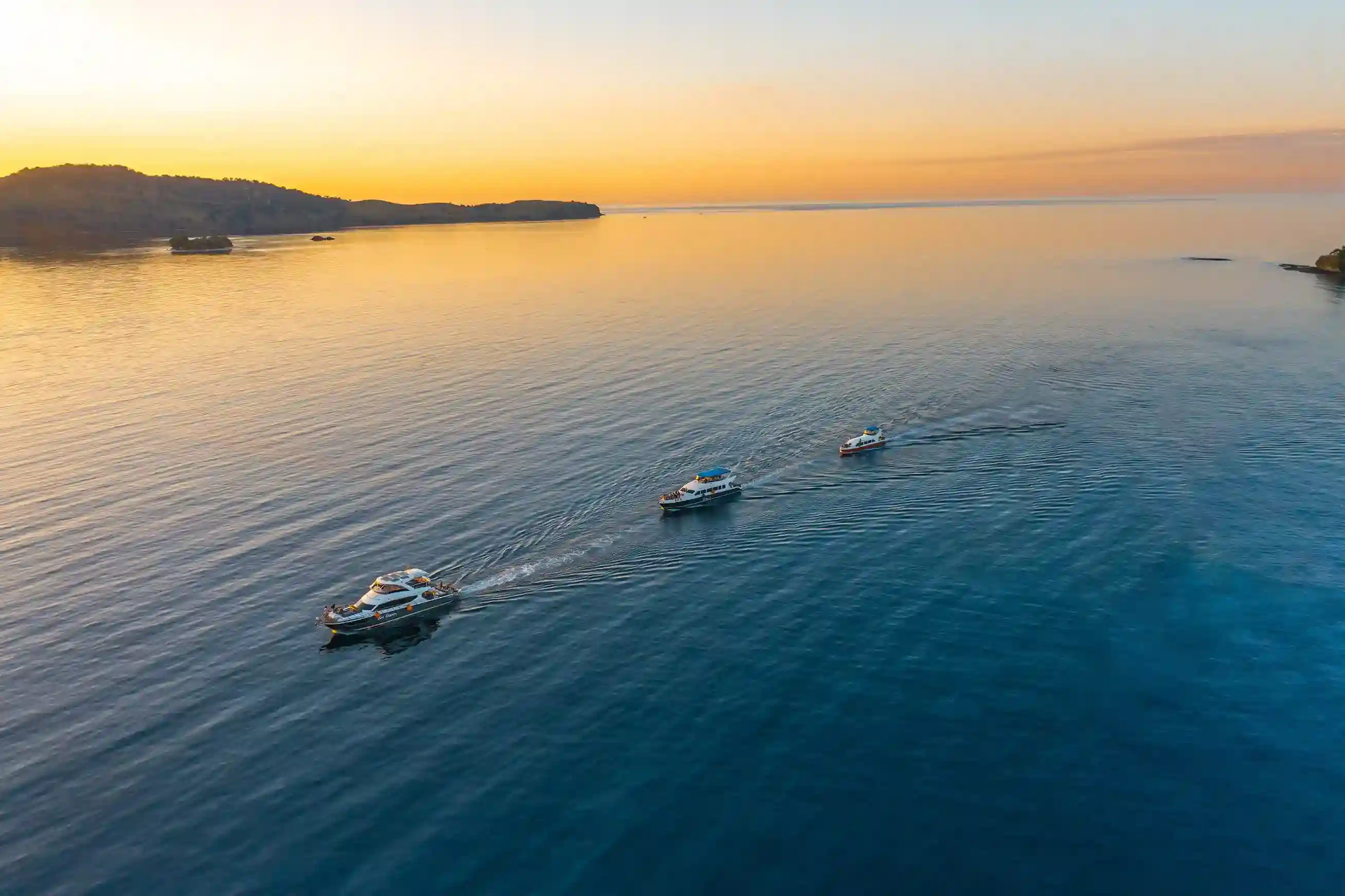
  • Approach and Anchorage Positioning: Boats typically anchor 50–100 metres from the mangroves, balancing clear visibility with protection of the roots and bat colony.
  • Gradual Build-Up Before the Main Exodus: The first bats usually appear around sunset, with activity increasing steadily before reaching peak movement shortly after.
  • Flight Direction and Movement Patterns: Most flying foxes travel toward Flores in search of fruit, often passing directly overhead before dispersing into the distance.
Kalong Island

Best Time to Kalong Island

Kalong Island can be visited year-round, with the bat flight occurring every evening at sunset, while seasonal differences mainly affect sea conditions, visibility, and overall viewing quality.
  • Consistent Year-Round Bat Activity: The flying foxes leave the mangroves daily at sunset, making the core experience reliable regardless of the season.
  • Dry Season for Optimal Conditions (April–October): Clearer skies and calmer seas during this period create more vivid sunsets and stable anchorage conditions.
  • Wet Season Variability (November–March): While the bats still fly, increased cloud cover and occasional rain may soften sunset colours and reduce visibility.
Best Time to Kalong Island

Things to Do in Kalong Island

Kalong Island is best experienced as a quiet, observation-based sunset stop where all activities focus on watching the flying fox exodus from the water.
  • Sunset Bat Watching from Yacht or Tender: The main experience is observing flying foxes from your yacht or a nearby tender positioned for clear viewing, an activity suitable for all ages and often considered a highlight of Komodo itineraries in Komodo National Park.
  • Wildlife Photography and Videography: Kalong offers strong opportunities for silhouette photography of bats against the sunset sky, while drone use is strictly regulated in the national park and generally not permitted near mangrove roosting areas without official authorisation.
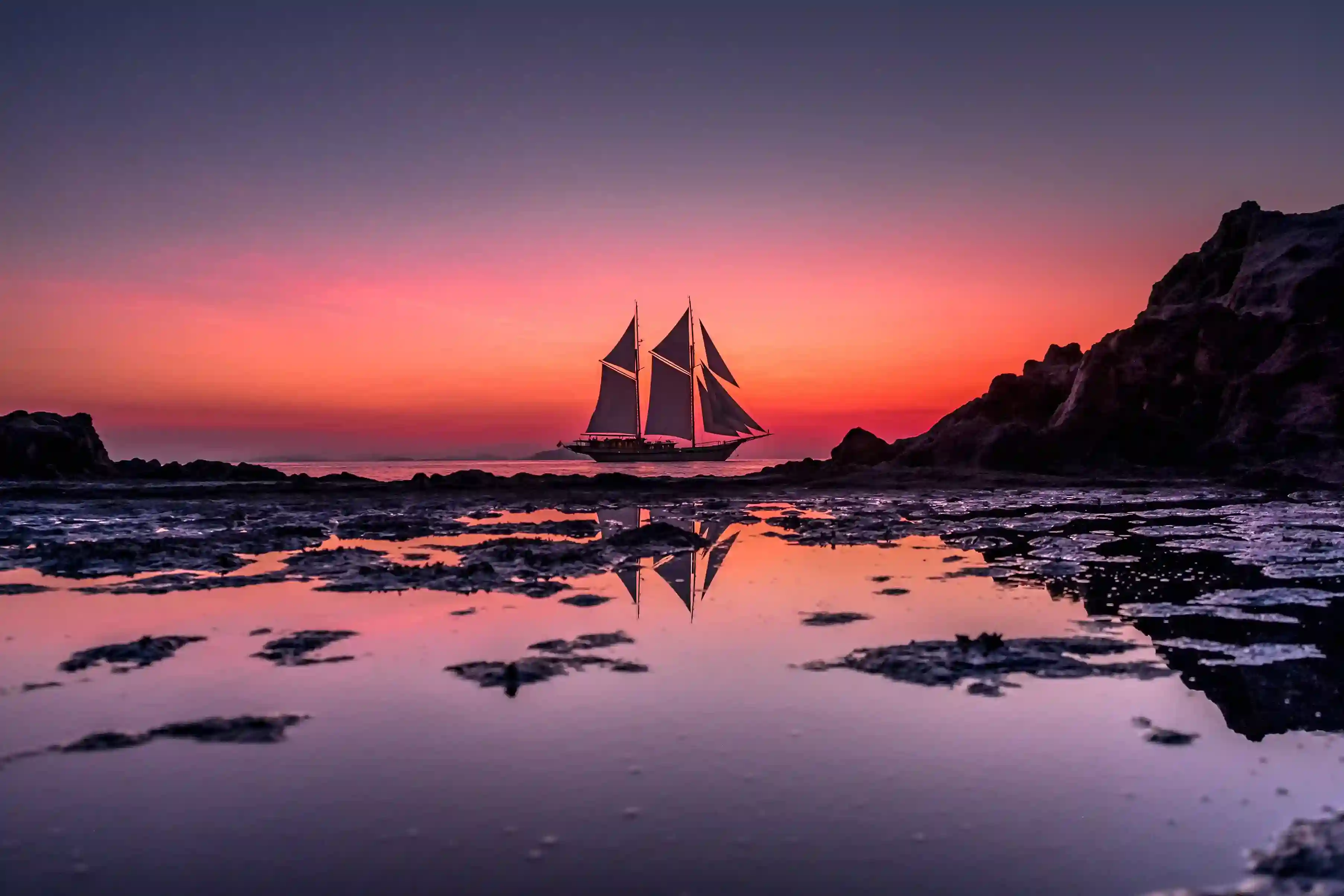
  • Sundowner Experience on Board: Guests typically enjoy drinks and light refreshments on deck as the sun sets and bat activity unfolds in the background, with a quiet atmosphere maintained throughout to avoid disturbing wildlife.
Things to Do in Kalong Island

How to Visit Kalong Island with Komodo Luxury

Komodo Luxury includes Kalong Island as part of its standard 3-day 2-night Komodo tour itineraries, typically scheduled on the first day as a sunset stop after a full day of exploration within the park. The yacht departs from Labuan Bajo in the morning and follows a planned route through Komodo National Park before arriving at Kalong Island in time for the bat flight at sunset. All routing, anchorage positioning, and operational coordination are handled by the crew in accordance with Komodo National Park regulations and established liveaboard safety standards.

How to Visit Kalong Island with Komodo Luxury

Explore Kalong Island with Komodo Luxury

You can visit Kalong Island as part of a Komodo yacht charter and Komodo tour package with Komodo Luxury, where it is included in carefully curated Komodo National Park itineraries alongside other key island destinations. Before arrival, the crew manages full coordination of anchorage positioning and timing to align with sunset and the natural bat activity, ensuring an optimal and well-structured viewing experience. The entire visit is handled onboard in collaboration with park regulations and liveaboard safety standards, allowing Kalong Island to be experienced as part of a seamless, professionally managed sailing journey through the park.
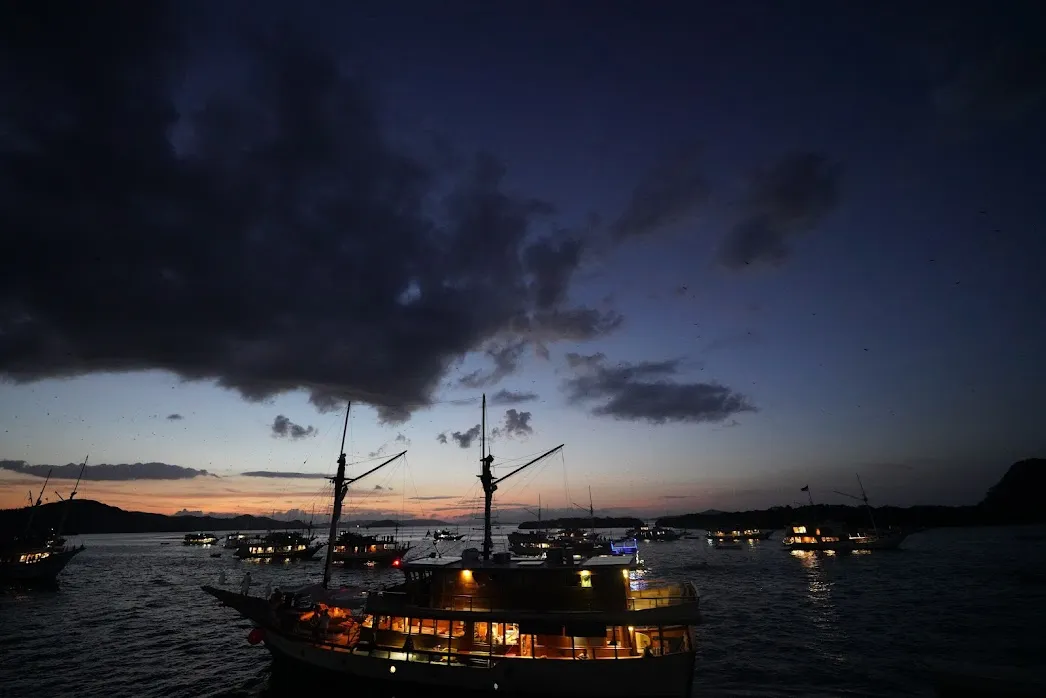
Kalong Island Sunset view| Komodo island tour | Eduard Fernando

Kalong Island at a Glance

Distance from Labuan Bajo±20 km, 45–60 min by boat, on the lane toward Rinca Island
LandingNot permitted; viewing is from anchor offshore
Best hourRoughly 17:30–18:15, season-dependent
Combine withRinca trek by day, overnight at anchor nearby — positions on our Komodo National Park map

Meet the Flying Fox

The animals pouring off Kalong each dusk are flying foxes of the genus Pteropus — the largest bats on Earth, with wingspans that can exceed a meter on the biggest individuals. They are fruit- and nectar-eaters, not insect hunters: no echolocation, just big eyes, a keen nose and slow, powerful wingbeats that carry them across the strait to the fruiting trees of Flores each night. That commute makes them essential workers for the whole coastline — flying foxes pollinate night-blooming trees and scatter seeds across kilometers, quietly replanting the forests that feed them. They return to the mangroves before dawn, so the morning fly-back is a second, quieter show for guests anchored nearby overnight.

An Evening at Kalong, Hour by Hour

  • 16:45 — anchor down. The boat positions west of the roost while the light is still full; cold drinks come out, cameras get set.
  • 17:15 — the scouts. Single bats begin lifting off and circling — the colony testing the light.
  • 17:40 — the river. The main exodus builds into a continuous stream crossing the afterglow, thickest for 20–30 minutes.
  • 18:15 — stragglers and stars. The flow thins as the first stars appear; overnight boats stay for dinner at anchor, day boats turn for port.

Where Boats Go After the Bats

Kalong’s position writes the next chapter for you. Overnight boats usually stay put — the holding ground is decent and the morning fly-back over breakfast is the payoff — or shift twenty minutes to a calmer bay off Rinca’s coast. From either anchorage, day two opens with a Loh Buaya dragon trek before the day-boat fleet arrives, then runs west into the central channel for Padar and the reef sites — the natural final chapter of day one on a 3D2N sailing itinerary. Day-trip boats watching the exodus point straight home to Labuan Bajo, about an hour’s run in the dark — which is why crews check navigation lights before sunset, and why the overnight version of this stop is simply the better one.

Plan your visit: Komodo Luxury (PT Komodo Bahari Nusantara, sailing Komodo since 2015) operates 9 owned phinisi and works with 200+ vetted partner yachts, rated 4.9/5 by more than 1,500 guests. Message our team on WhatsApp at +62 811-3823-875 or email [email protected] and we will match the right boat and route to your dates.

Itineraries That Stop at Kalong

Kalong is a sunset-only spectacle — day boats miss it, which is why overnight sailings pair it with Kelor for the classic first evening.

Immersive Experiences

Activity

Dive pristine reefs, trek remote islands, and encounter wildlife during our luxury sailing tours.

Signature Voyages

Curated Luxury Tours

Signature luxury tour itineraries crafted to reveal Indonesia's most exclusive destinations and experiences

View All Tour

Questions & Answers

Kalong Island — Frequently Asked Questions (FAQs)

The bat exodus typically begins around 5:30 PM, with peak numbers between 6:00 and 6:30 PM. The total flight lasts approximately 30–45 minutes, tapering off as darkness falls. The exact timing varies slightly with the season — sunset time in the Komodo area shifts by 30–40 minutes between the dry and wet seasons — so confirm approximate timing with your crew on the day of your visit.
No — landing on Kalong Island is not permitted. The island is covered entirely in dense mangrove forest with no accessible beach or clearing. The mangroves are protected under national park and local community rules; disturbing the roost or the mangrove habitat is prohibited. All visitors remain on their boats or in tenders anchored at a safe distance from the tree line. This protection is what keeps the colony intact and the experience possible.
Yes — Kalong Island is one of the most family-friendly experiences in Komodo National Park. Visitors remain on the boat throughout; there is no hiking, no water entry, and no dangerous wildlife. The experience requires only patience and a comfortable seat. Children who have been engaged with wildlife and nature respond strongly to the bat spectacle. Ensure children understand not to make loud noises or shine bright lights toward the bats or mangroves during the flight.
H3: Yes — the flying fox exodus occurs every evening regardless of the season, as the bats must feed nightly. The experience is possible year-round. However, wet season cloud cover (November–March) can reduce the visual impact of the sunset backdrop, and occasional rain can be uncomfortable on deck. The dry season (April–October) delivers the most vivid sunsets and calmest sea conditions. Bats fly in light rain; heavy weather may delay their departure slightly.
Typically 50–100 metres from the mangrove tree line, at a distance that allows a clear, unobstructed view without disturbing the colony or damaging mangrove roots with the vessel. A responsible crew will position the boat with conservation awareness; the bats fly directly overhead at this distance and the view is excellent. Do not use tenders to approach the mangroves directly.
Kalong Island lies a short cruise from Labuan Bajo at the edge of Komodo National Park. There is no landing — boats anchor in the channel before dusk and guests watch from the deck as the flying foxes stream out of the mangroves. It is typically the final stop of the day on Komodo itineraries.
No formal census exists. Local estimates range from several thousand flying foxes into the tens of thousands; the nightly exodus can run close to an hour from first scouts to last stragglers.

Kalong Island: The Flying Fox Sunset Spectacle

Kalong Island (“kalong” is Indonesian for flying fox) is a mangrove islet between Rinca and Papagarang where, every evening at dusk, tens of thousands of giant fruit bats lift out of the trees in an unbroken river across the sunset sky — a 20–30 minute natural spectacle. Boats anchor in the channel just before sundown; nobody lands. It is the signature first-night anchorage of Komodo liveaboard itineraries.

Kalong Island at a Glance

How to Get There

Kalong is a sunset-timing destination: day trips that include it return to Labuan Bajo after dark, while liveaboards simply anchor in the channel for the night. It cannot be meaningfully visited in daytime — the bats are asleep in the mangroves.

Frequently Asked Questions

What time do the bats fly at Kalong Island?

At last light — typically between 17:45 and 18:15. The full exodus lasts 20–30 minutes. Your captain will position the boat in the channel with the sunset behind the flight path.

Do you land on Kalong Island?

No. The mangrove roost is protected, and the spectacle is best from the water anyway — the bats stream directly overhead of anchored boats.

Is Kalong Island included in day trips?

Only on extended day trips that return after dark. It is most naturally seen from a liveaboard or overnight charter, where Kalong is the classic first-night anchorage.