
Where Komodo Awaits
Komodo Island is home to the Komodo dragon (Varanus komodoensis) — the world's largest living lizard and an ancient reptile found nowhere else on earth. The island sits at the heart of Indonesia's Lesser Sunda Islands, roughly halfway between Bali and Flores. It is part of Komodo National Park — a UNESCO World Heritage Site encompassing more than 1,700 square kilometres of land and sea — and it remains one of the most distinctive travel destinations in all of Southeast Asia.
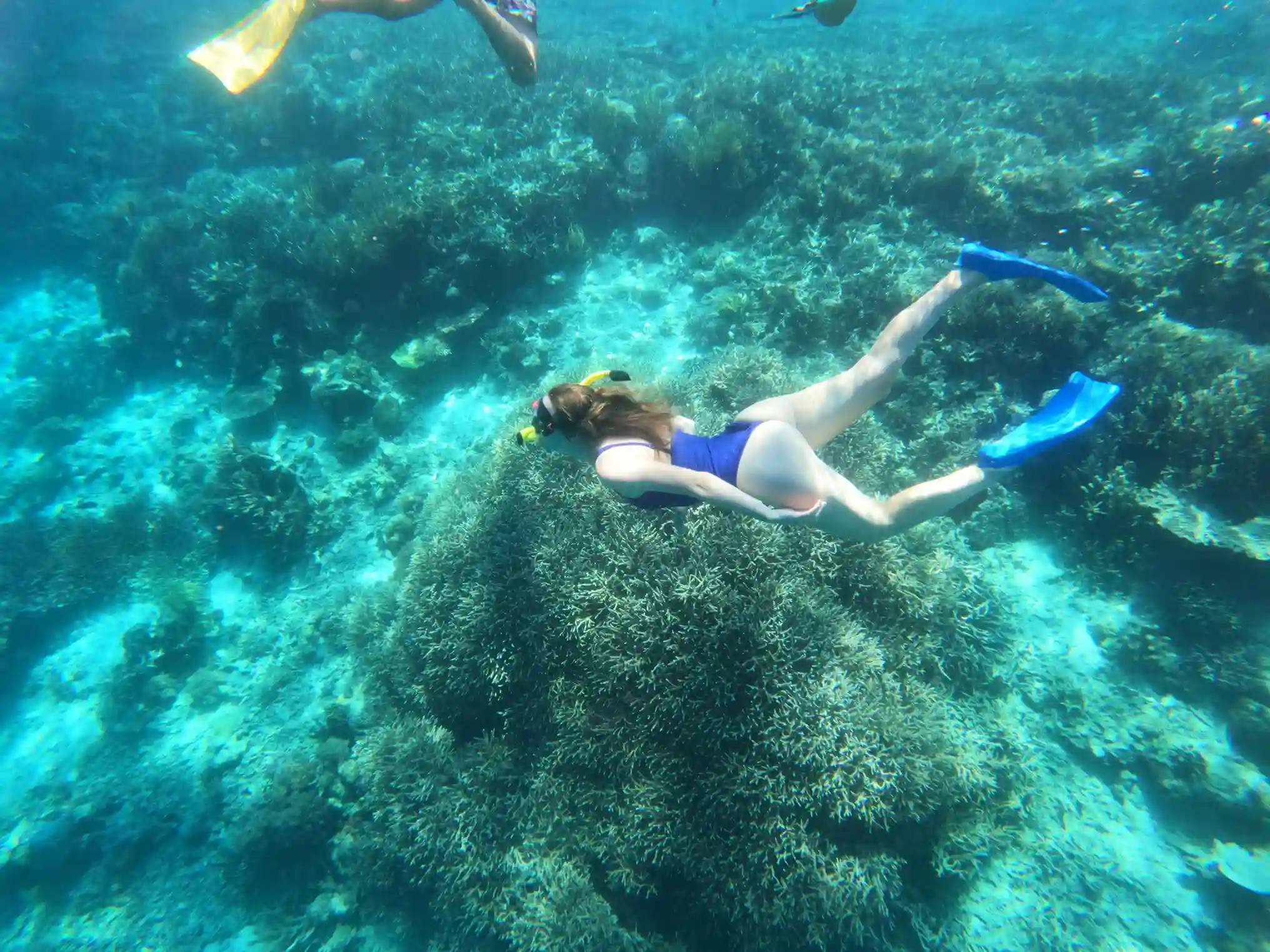
The island's landscape is as dramatic as its wildlife: sweeping green hills, white sandy beaches, and clear blue seas frame an environment unlike any other in Southeast Asia. Beneath the surface, the surrounding waters form part of the Coral Triangle — one of the most biodiverse marine ecosystems on the planet — with vibrant coral reefs and manta ray cleaning stations drawing divers from around the world. Most guests arrive on a Komodo boat tour or overnight charter from Labuan Bajo; ranger-guided dragon walks run year-round and are most comfortable in the April–November dry season.
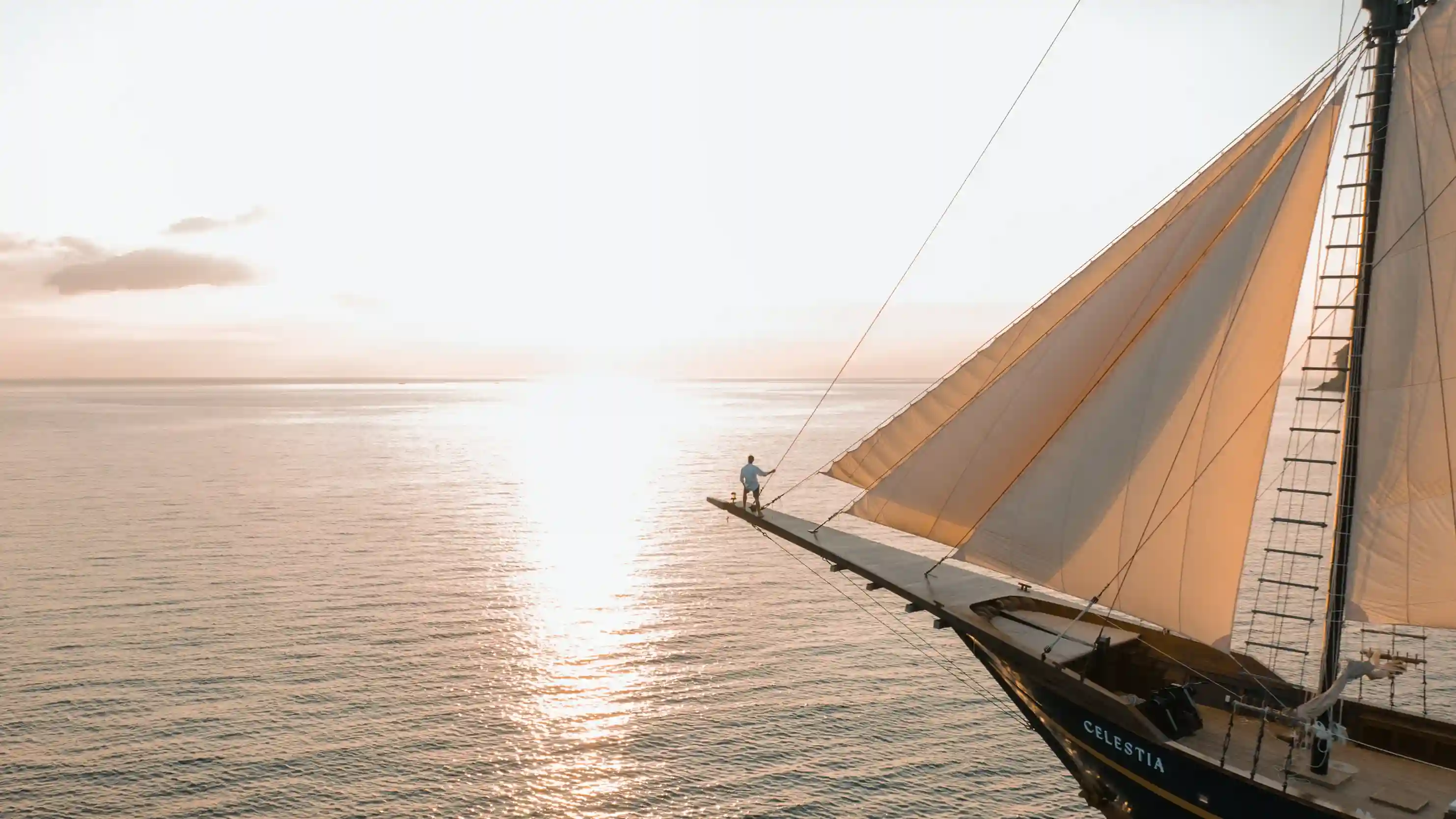
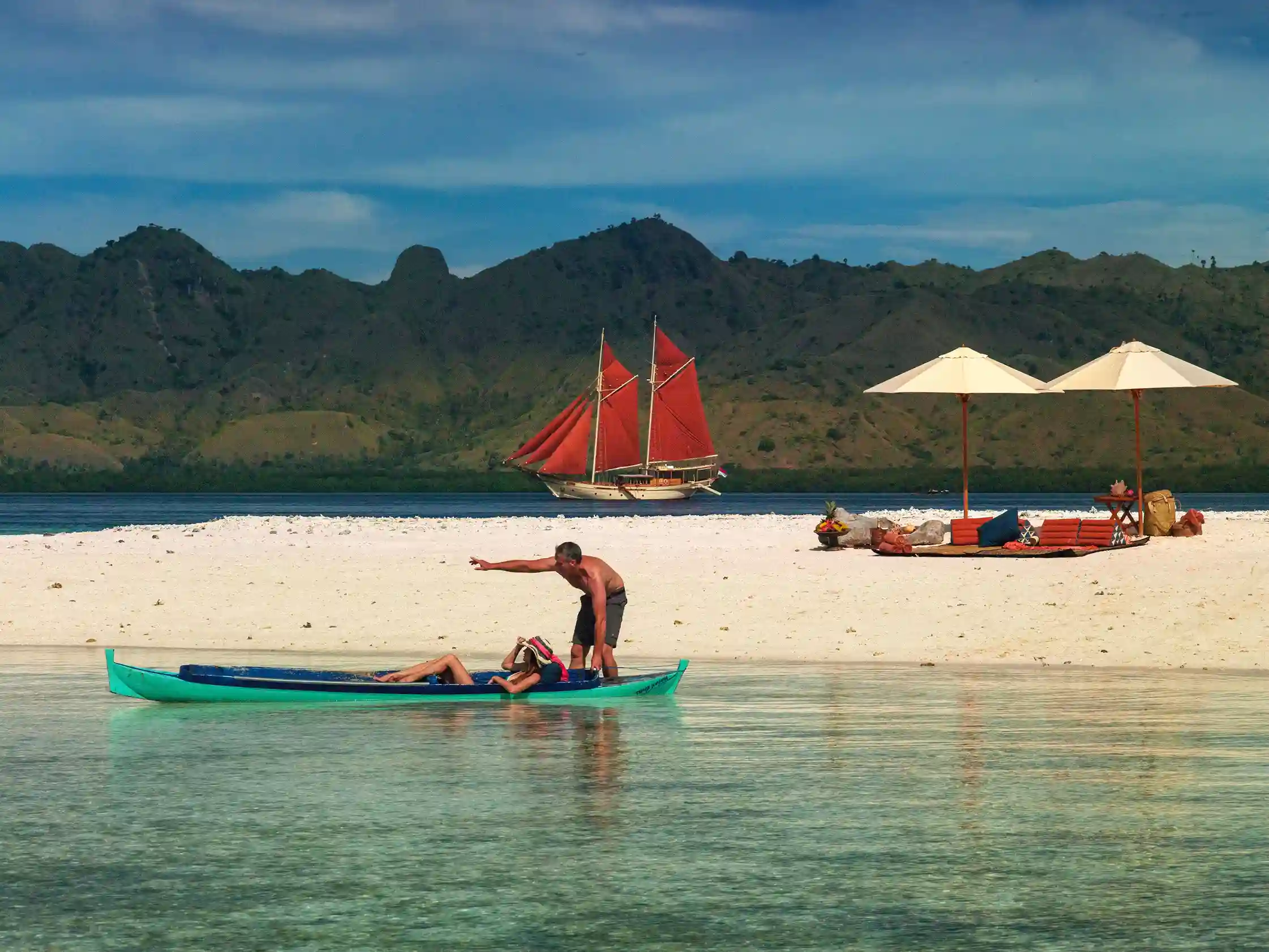
For guests aboard a Komodo Luxury private charter, Komodo Island is a pillar of the itinerary — not a rushed stop, but a full experience that combines a guided wildlife walk with afternoon snorkeling, unhurried time on the island's beaches, and the satisfaction of returning to a well-staffed yacht anchored in one of the park's most beautiful bays.
A Place Unlike Anywhere Else on Earth
Komodo Island is not simply another tropical destination. It is one of only four islands in the world where wild Komodo dragons still roam — and it offers encounters that no other place on the planet can replicate.
4
islands on earth with wild Komodo dragons
~1,700
Komodo dragons on the island
390 km²
of volcanic terrain, savannah & forest
Reason 01
The Komodo dragon (Varanus komodoensis) exists on just four islands in Indonesia — and nowhere else on earth. Komodo Island is home to approximately 1,700 of these ancient reptiles, the largest remaining wild population of the species. What makes the experience truly rare is that the dragons share the landscape with local communities, living alongside humans in a way that feels genuinely primeval. No zoo or wildlife park replicates what you witness here.
Reason 02
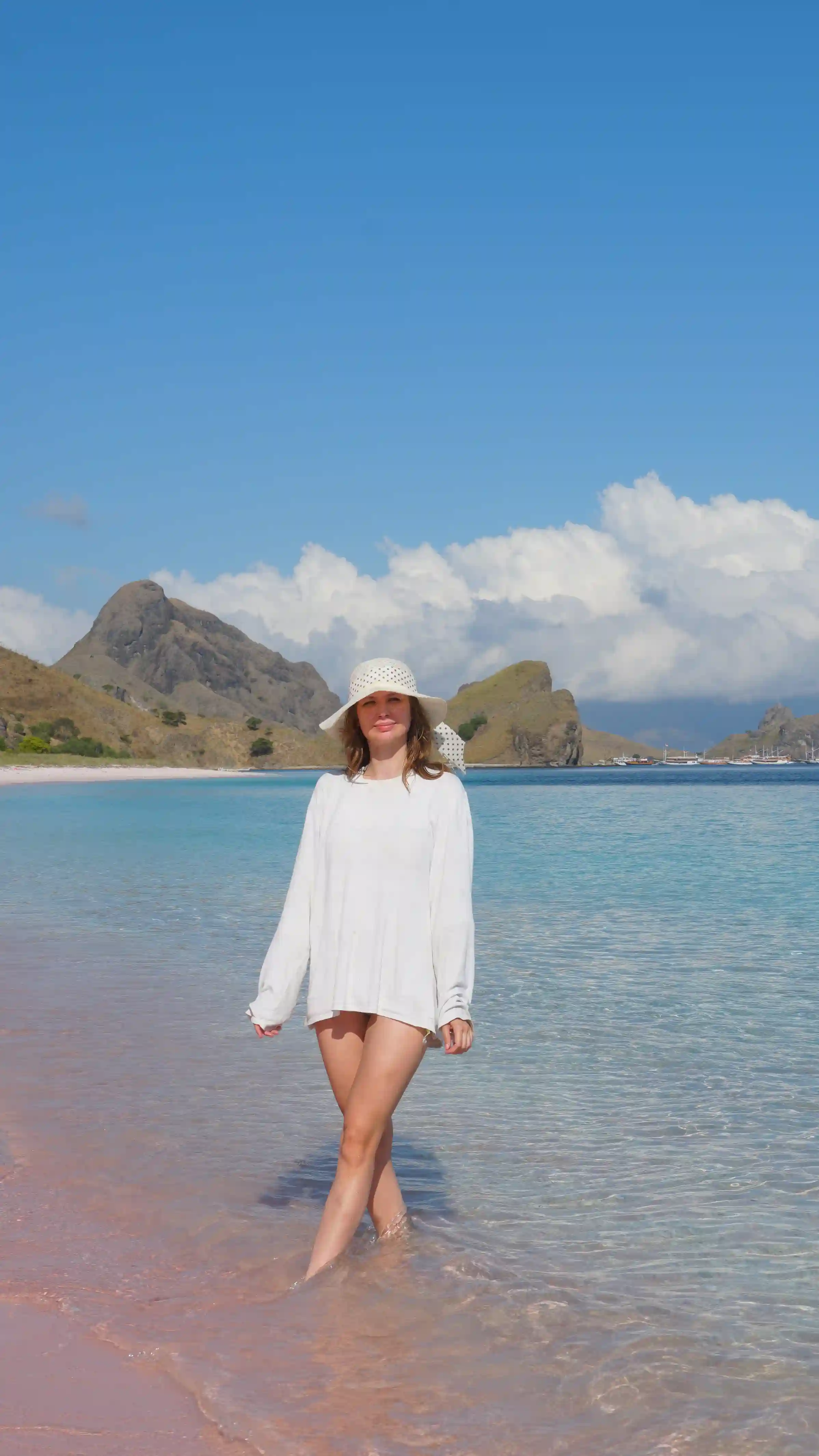
Komodo Island is home to Pink Beach, one of only a handful of pink-sand beaches on the planet. Its distinctive blush colour comes from crushed red coral fragments mixed into the white sand — a natural phenomenon so rare it has become one of Indonesia's most recognised coastal landmarks. The clear turquoise water directly offshore is equally exceptional, offering snorkelling and diving access to some of the most biodiverse marine ecosystems in the Coral Triangle.
The island spans roughly 390 square kilometres of rugged volcanic terrain, dry savannah, and dense forest that drops steeply to the sea. Visitors consistently describe the landscape as having an almost prehistoric quality — one that photographs partially capture, but that only makes complete sense when you are standing in it.
When to Visit
Komodo National Park is accessible year-round, but sea conditions, visibility, and wildlife activity vary meaningfully across the calendar.
July – August
The most popular months to visit. Weather is at its most stable, seas are calm, and conditions are ideal for trekking, snorkelling, and diving. Book tours and accommodation well in advance — these months fill up fast.
April – June · September
Excellent conditions with fewer crowds than peak months. A great window for those who want the same sunny skies and clear water with more flexibility on bookings and a quieter experience on the trails.
October – March
Rainfall is higher and seas can be rougher, but Komodo Island remains open and visitable. Manta ray sightings are actually more frequent during this period — a compelling reason for divers to visit off-peak.
Planning tip: if you're visiting during July or August, book your tour early to secure your spot. Komodo National Park limits daily visitor numbers to protect the ecosystem — availability goes quickly in peak season.
Explore Komodo's Best
The Best Things to Do Around Komodo Island
Komodo National Park is not a single site with a single attraction. Guests who travel with a private yacht gain access to a rotating itinerary of activities, each with its own optimal timing, ideal sea conditions, and character. The following are the experiences that define a well-considered Komodo Island trip.
What to Know Before Visit
Komodo National Park is a protected UNESCO World Heritage Site managed by Indonesia's Ministry of Environment and Forestry. A few rules apply to all visitors — they exist to keep both guests and wildlife safe.
Entrance & fees
Access to Komodo National Park now requires prior booking through the official SIORA application. Daily visitor numbers are capped to protect the ecosystem, meaning entry slots can fill up — especially during peak season. It is strongly recommended to secure your entry permit in advance.
Booking with Komodo Luxury
When you book a trip with Komodo Luxury, the national park entry fee is included as part of your boat booking. The team handles the SIORA process on your behalf — no need to manage it independently.
Wildlife & trekking
On both Komodo and Rinca islands, all visitors must trek with a licensed park ranger — this is a mandatory safety requirement, not optional. Komodo dragons are fast over short distances and carry harmful bacteria in their saliva. With a ranger present and a reasonable distance maintained from the animals, trekking is consistently safe for adults and children alike.
Marine activities
All water activities within the park are subject to conservation guidelines, including:
Drone & photography
Flying a drone within Komodo National Park is subject to advance permission from the park authority. Guests planning to bring a drone should confirm the current approval process before departure.
All regulations are set by Komodo National Park authority and are subject to change. Always verify current requirements with your tour operator or directly with the park before your visit.
The Right Way to Experience Komodo Island
Komodo Island is only accessible by boat. From Labuan Bajo, the journey takes approximately 3.5 to 4 hours aboard a traditional phinisi — through the heart of the archipelago, past volcanic islands, over deep blue water, with frequent dolphin and flying fish sightings along the way.
Getting there
All visits to Komodo Island depart from Labuan Bajo by boat. The crossing itself is part of the experience — rugged coastlines, open sea, and the gradual appearance of the island on the horizon. Komodo Luxury operates traditional phinisi vessels purpose-built for multi-day charters in these waters.
Private charter vs shared day tour
Most visitors reach Komodo Island on a shared speedboat from Labuan Bajo, with roughly 1.5 to 2 hours on the island before returning. A private charter is a fundamentally different experience.
Shared day tour
Private yacht charter
| Where it is | Westernmost major island of Komodo National Park, East Nusa Tenggara, Indonesia — Loh Liang ranger station at ≈8.66° S, 119.50° E (see the park map) |
|---|---|
| Distance | ≈35–40 km west of Labuan Bajo — ±2 hr by speedboat, 3–4 hr by phinisi |
| Signature | Komodo dragons in the wild on ranger-guided treks from Loh Liang; the park protects a population of 3,000+ dragons, most of them here and on Rinca |
| Wildlife beyond dragons | Timor deer, wild boar, megapode birds, cockatoos on land; turtles, reef sharks and mantas in the surrounding straits |
| Trails | Short, medium and long ranger-guided loops from Loh Liang; no independent walking |
| Entry | Ticketed per day, paperwork handled by your crew — see the entrance fees guide |
| Best time | May–September for dry-season trekking; dragons are active year-round, most visible in morning cool |
Komodo Island is the only place on earth — together with a handful of neighboring islands in this park — where the world’s largest lizard still lives wild, and that alone settles the question for most travelers. But guests consistently tell us the surprise is everything around the trek: the crossing through the Linta Strait, Pink Beach just minutes from Loh Liang, and the fact that one well-planned day can combine dragons, a pink-sand swim and a manta drift. A common question we get on WhatsApp — “is Komodo island visit and Padar and Pink Beach possible in one trip?” — and the answer is yes: that is precisely the standard day-two sequence of a 3D2N sailing.
Getting there is boat-only. Day boats run from Labuan Bajo (fly 1 hr from Bali to LBJ airport), while liveaboards anchor overnight in the calm bays on the island’s east side. For the species itself — size, venom, hunting behavior — see our Komodo dragon encyclopedia; this page covers the island visit.
Plan your visit: Komodo Luxury (PT Komodo Bahari Nusantara, sailing Komodo since 2015) operates 9 owned phinisi and works with 200+ vetted partner yachts. Message our team on WhatsApp at +62 811-3823-875 or email [email protected] and we will match the right boat and route to your dates.
Signature Voyages
Curated Luxury Tours
Signature luxury tour itineraries crafted to reveal Indonesia's most exclusive destinations and experiences
Questions & Answers
Ready to visit? Compare every Komodo Island tour format, or browse Komodo cruise packages that anchor here.
Komodo Island is the largest island in Komodo National Park and the namesake home of the Komodo dragon — the world's largest lizard, found wild nowhere on Earth outside this park and a corner of western Flores. Visitors land at Loh Liang and walk ranger-led trails through monsoon forest and savannah where the dragons live entirely wild. The island also fronts Pink Beach on its east coast, so a dragon trek and a pink-sand swim naturally pair on one visit.
Komodo Island is boat-only, roughly 1.5–2 hours by speedboat from Labuan Bajo or an overnight sail on a liveaboard. Entry, ranger and trekking fees are payable at Loh Liang — see current entrance fees for the current breakdown. Since April 2026, Komodo National Park caps visitors at 1,000 per day across its sites (reported by RRI and Floresa) — book park tickets ahead in high season.
Yes, under the park's ranger system: every group treks with trained rangers who read the animals and keep safe distances. Incidents involving visitors are extremely rare precisely because the protocol is strict.
The park's monitoring puts the wild population in the low thousands across the islands, with Komodo and Rinca holding the large majority. Rangers share the latest survey figures on the trek briefing.
Yes — they are on the same coastline. The classic one-day trip runs Padar at sunrise, then Komodo Island's dragon trek, then Pink Beach for swim and lunch, then Taka Makassar and Manta Point.
Contact our charter expert specialist