

Last updated: July 2026 · Prices & availability verified for the 2026/2027 season
Sailing around Komodo is an experience like no other, from snorkeling over pristine reefs to exploring secluded bays. Yet, many travelers wonder, “How can I be sure my Komodo sailing trip is really safe?” It’s a valid concern because anything can happen if proper safety protocols are ignored.
Based on insights from our experienced captains who have spent years navigating Komodo waters firsthand, safety comes down to understanding and applying the right standards long before the boat ever leaves the harbor. The good news is, you don’t have to compromise excitement for peace of mind. By knowing what Komodo boat safety standards actually involve, you can relax and focus fully on the adventure ahead. So, let’s take a closer look at these safety standards in this article!
Key Takeaways
- Safety starts with choosing a trusted and experienced tour operator like Komodo Luxury, giving you peace of mind before you even board.
- Always verify that life jackets, life rafts, fire extinguishers, and other emergency equipment meet international standards and are properly maintained.
- Make sure the crew is fully qualified with licensed captains, trained engineers, and deckhands who know how to respond to emergencies effectively.
- Real-time weather monitoring is essential so that routes can be adjusted to avoid rough seas and ensure a smooth and comfortable journey.
- Transparent communication and 24/7 support, including WhatsApp access, lets you know exactly what safety measures are in place and how to reach help instantly.
How Are Indonesian Maritime Regulations?
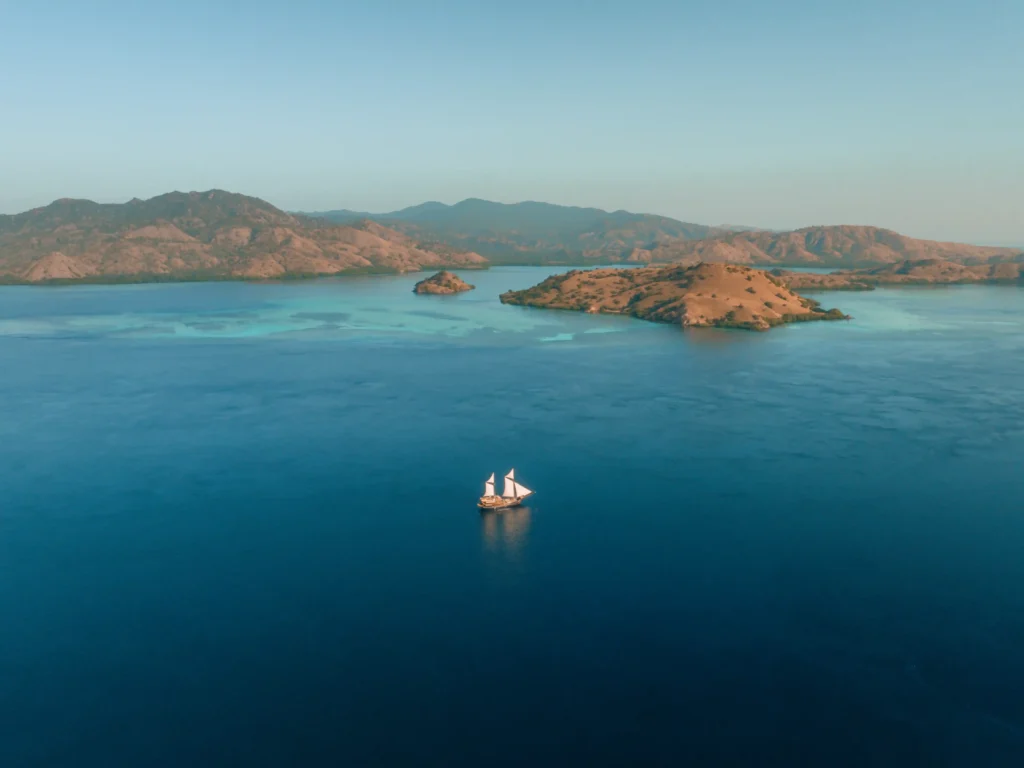
Indonesia enforces strict maritime regulations to protect passengers and ensure vessel seaworthiness, including Non-Convention Vessel Standards. The Indonesian Ministry of Transportation (MoT) Regulation 65/2009 sets minimum requirements for all passenger-carrying vessels, including phinisi yachts in Komodo National Park. These regulations cover life-saving equipment, navigation systems, crew certification, and emergency response procedures.
Operators must obtain approvals from the KSOP (harbor authority), demonstrating vessel compliance with safety inspections and maintenance schedules. For luxury charters, some go further, securing international certifications such as RINA (Registro Italiano Navale) or ISO safety compliance, which provide an additional layer of assurance recognized globally. By understanding these regulations, you can confidently assess which yachts meet both local and international safety standards.
How to Sail Safely Around Komodo Island?
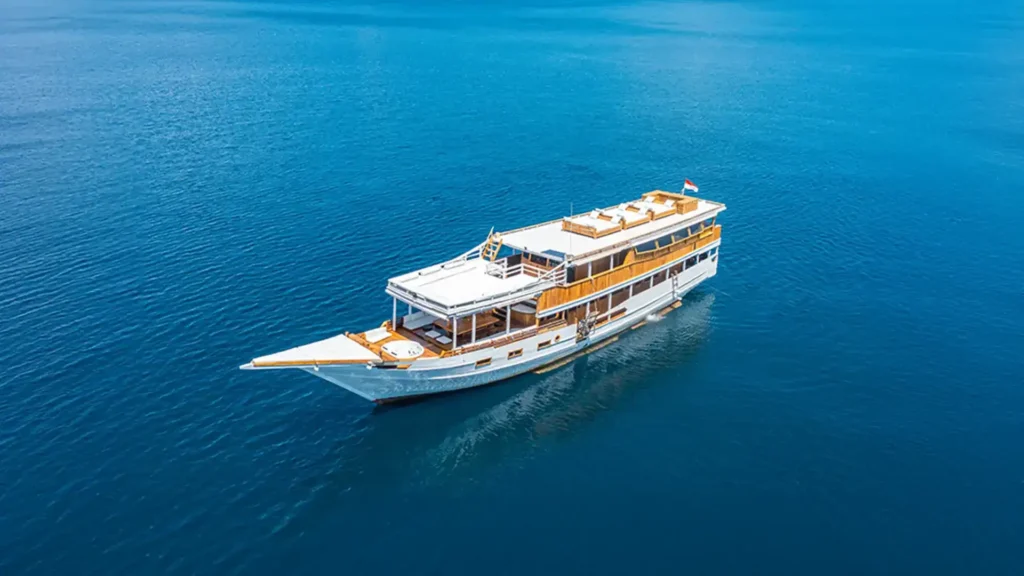
Sailing safely around Komodo Island starts with choosing the right operator and understanding how safety at sea is actually managed. You don’t need to be a maritime expert to enjoy the journey with peace of mind, because experienced crews and well-maintained vessels take care of the critical details. In Komodo waters, safety is shaped by daily judgment at sea, how routes are planned, how conditions are read, and how decisions are made in real time. Beyond equipment and certifications, smooth and safe sailing comes from experience, situational awareness, and respect for the sea.
This is where an experienced local captain plays a central role. Captains who have spent years navigating Komodo understand how to read currents, wind patterns, engine behavior, and subtle changes in sea conditions that may not always be visible. When you sail with Komodo Luxury, your trip is guided by captains who combine local knowledge with official weather forecasts and formal guidance from the harbor master (KSOP). By prioritizing conditions over rigid schedules and adjusting routes when needed, the journey stays comfortable, well-paced, and focused on enjoying Komodo’s landscapes, snorkeling spots, and hidden bays, safely and confidently.
What Are Komodo Boat Safety Standards?
Komodo boat safety standards cover the basics you need for a safe and enjoyable sailing trip, things like proper equipment, a certified crew, and clear operational protocols. Many luxury operators go beyond these standards, adding extra safety systems, ongoing crew training, and careful route management. Knowing these standards helps you make smarter choices and steer clear of boats that might prioritize convenience over safety. Here’s what you should check before you board any Komodo boat sailing trip:
1. Legalities of Phinisi Boats in Komodo
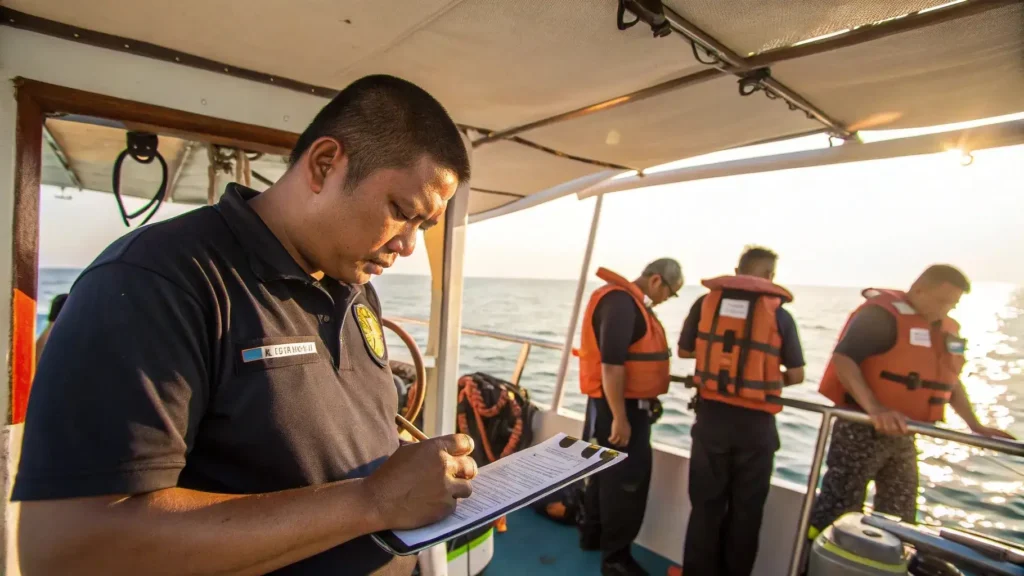
Ensuring a phinisi boat is fully legal is one of the most important steps to keep you safe on your Komodo sailing adventure. Legal compliance guarantees that every vessel carrying passengers meets official safety standards and follows strict regulations, so you can relax and enjoy your trip. Knowing these rules also helps you choose a trustworthy operator and avoid boats that cut corners or operate without proper certification. Here’s what you should look for:
- KSOP Approval (Harbor Authority): Every phinisi must hold a valid permit from KSOP, confirming it has passed official safety inspections and is seaworthy. You can always ask the operator to show this approval, so you know the boat is legally allowed to sail.
- Mandatory Certificates: These are critical proof that the vessel meets Indonesian maritime safety and environmental standards:
- Passenger Safety Certificate (Laik Laut): Confirms the vessel is safe to carry passengers. You should ask to see this certificate before boarding.
- Non-Convention Tonnage Certificate: Shows that the boat complies with Indonesia’s Non-Convention Vessel Standards (MoT Regulation 65/2009) for smaller passenger vessels like phinisi.
- Pollution Prevention Certificate (NPPC): Verifies that the boat meets environmental rules for waste disposal and pollution control.
- Safety Equipment Certification: Life jackets, life rafts, fire extinguishers (APAR), and other emergency tools must be inspected regularly and officially certified. This ensures that in an emergency, all equipment functions properly and complies with Indonesian regulations.
- Pre-Sailing Checks (SPB – Surat Persetujuan Berlayar): Before departure, the captain must verify the boat’s condition and confirm that all safety measures are in place. If anything is unsafe, sailing can be postponed, keeping passengers out of harm’s way.
- Insurance & Liability Coverage: Legally operating phinisi boats must have insurance for passengers, crew, and the vessel. This protects everyone on board in case of accidents or unexpected situations.
2. Essential Safety Equipment You Should Verify

A key part of Komodo boat safety standards lies in the onboard equipment. Proper equipment is more than a checklist, it’s the difference between a routine trip and a potentially hazardous situation. When reviewing safety gear, pay attention to three main categories:
1. Life-Saving Equipment
Life-saving gear on Komodo boat is non-negotiable, from life jackets to life rafts, and must meet international standards. Here are the gears you want to make sure are in place:
- Life rafts: There are usually at least two inflatable units, each holding 10–25 people. You should check that these rafts are on board and well-maintained so that if the boat needs to be evacuated, everyone has a safe place to stay.
- Individual life jackets: There should be one life jacket for every passenger and crew member. Make sure they fit properly and meet international standards, so that if anyone ends up in the water, they can stay afloat safely.
- Life buoys: These are strategically placed around the boat. Always note where they are so in an emergency, you or the crew can grab one quickly.
Luxury operators often log inspections and maintain equipment regularly, which means you don’t have to worry about faulty life jackets or rafts, the crew already ensures everything works before you even step on board.
2. Navigation and Communication
Advanced navigation and communication systems are crucial to avoid accidents and stay connected in remote Komodo waters. Key equipment includes:
- GPS chartplotters (like Garmin): Make sure the yacht has GPS so the crew knows exactly where they are. You can ask to see that it’s functional, which helps prevent getting lost or going into unsafe areas.
- Radar systems: Check that the boat has radar to detect obstacles and monitor the weather. This helps the crew avoid collisions and adjust the route when necessary.
- Marine radios (VHF and SSB): Ensure radios are available and working. They allow the crew to contact nearby vessels or emergency services quickly if needed.
- Satellite phones or mobile devices: Confirm that emergency communication tools are on board, so help can be reached even far from the shore.
- AIS (Automatic Identification System): Look for AIS so the boat can track nearby vessels and prevent accidents.
- Weather monitoring systems: Ask if the boat monitors BMKG or international weather data so the crew can adjust routes and timing safely.
These tools let the crew make smart decisions, and knowing they’re on board gives you confidence to relax and enjoy the experience.
3. Emergency Response Tools
Emergency tools are critical for quick action when something unexpected happens. These include:
- EPIRB (Emergency Position Indicating Radio Beacon): Check that this device is on board. It automatically sends a distress signal to rescue authorities if needed.
- Fire detection systems and extinguishers: Make sure the boat has proper fire detection systems and accessible fire extinguishers, and that the crew knows how to use them. On well-equipped phinisi boats, there are usually two extinguishers in the engine room: one foam extinguisher for wooden structures and one for electrical wiring. This setup helps the crew respond quickly before a small issue turns into a serious risk.
- First aid kits and oxygen supplies: See that a first aid kit is accessible and stocked. On luxury yachts, advanced kits or defibrillators may be available, and the crew is trained to use them in case of medical emergencies.
- Bilge pumps: Ask if pumps are installed and functioning. They keep the boat from taking on too much water during rough seas.
- Tenders or dinghies with outboard motors: Make sure these are ready. They are essential for transferring passengers or evacuating safely if needed.
Many operators also provide guest safety briefings before departure. You’ll be shown where life jackets, emergency exits, and muster points are, so you always know what to do if something unexpected happens. This way, you can focus fully on the adventure, from snorkeling to spotting Komodo dragons, knowing you’re prepared.
3. Crew Training and Professional Standards

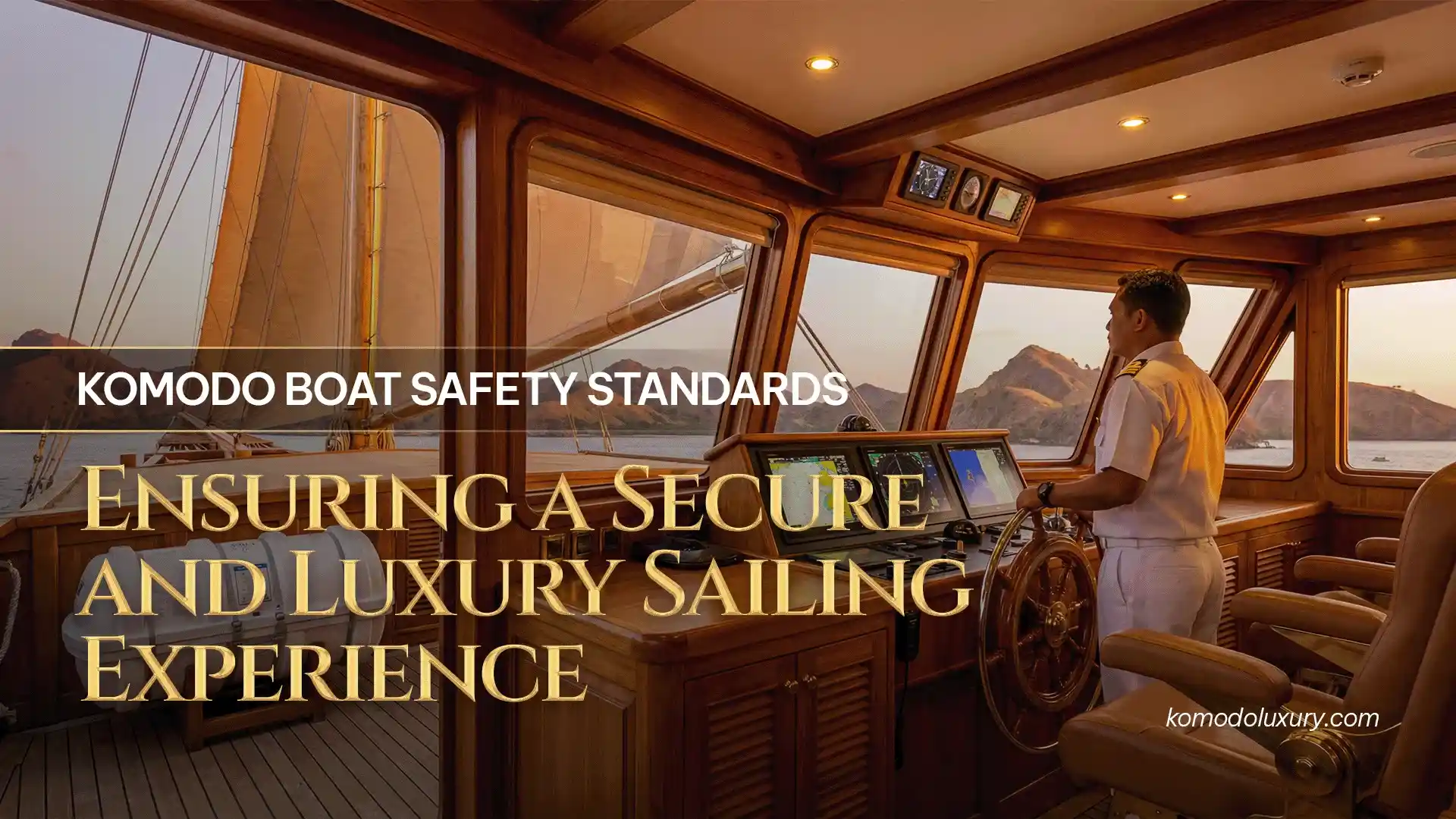
When it comes to safety at sea, equipment matters, but the most important factor is still the people running the boat, especially the captain, who makes every key decision at sea. In Komodo waters, real safety comes from experience, judgment, and the ability to read conditions that aren’t always visible on apps or forecasts. Certified and trained crew play a critical role in keeping your journey secure. Based on direct insights from our experienced captains who have navigated Komodo waters for years, here’s what you should look for when assessing a boat’s crew.
- Licensed captains and engineers
Always check that the captain and engineers hold official maritime certifications. Crew members are required to have Basic Safety Training (BST) and a Seaman Book (Buku Pelaut), while the captain carries higher-level qualifications, including nautical licenses, emergency response training, and mandatory radio certifications for both short- and long-range communication (such as SRC and long-range radio permits). These certifications confirm that the crew is legally and professionally trained to operate the vessel and handle real situations at sea. - The captain as the core safety system
In Komodo, safety is not only about charts or equipment, it’s about judgment. Experienced local captains continuously read current direction, wind behavior, engine response, and how the boat reacts under load. This practical awareness allows them to anticipate changes early and make calm, informed decisions, always in line with BMKG forecasts and official instructions from the Syahbandar (harbor master). - Deckhands trained in emergency response
Well-trained deckhands and engineers, including the KKM who must also hold BST, Buku Pelaut, and engine-related certifications, are familiar with evacuation procedures, first aid, and life-saving equipment. Their role is to act quickly and efficiently so situations stay under control and guests remain comfortable. - Weather monitoring and route planning
A professional crew understands how to combine BMKG weather data with real-time sea conditions. This helps them adjust routes, reduce speed, or pause sailing when needed, prioritizing safety and comfort over rigid schedules. - Professional tour guides onboard
Certified guides from HPI (Himpunan Pramuwisata Indonesia) add an extra layer of assurance. Beyond guiding activities, they understand local tides, currents, and safe operating practices, helping align each stop and activity with current conditions.
A well-trained crew makes a huge difference in how smoothly your trip runs. Even if unexpected situations arise, a professional team can manage emergencies efficiently, minimize risk, and allow you to fully relax and enjoy the adventure, from snorkeling in hidden bays to spotting Komodo dragons.
Read more: How to Verify the Official Komodo Tour Operator Before Booking
Komodo Luxury: How We Ensure Safety on Your Komodo Sailing Trip
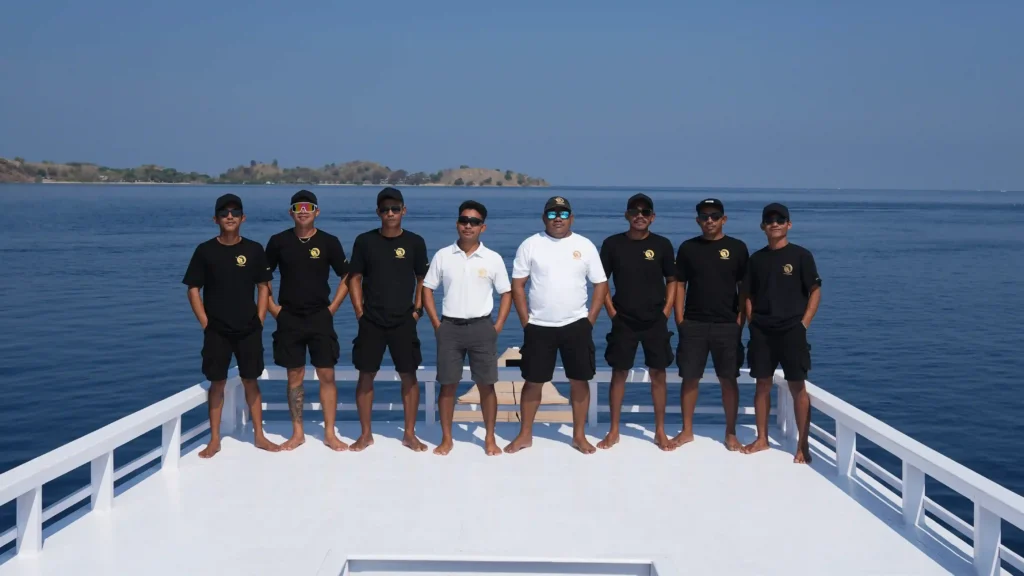
When it comes to sailing in Komodo, safety starts with choosing a trusted tour operator. This is the foundation of a worry-free adventure, and it’s something you should never compromise. For example, Komodo Luxury has over 10 years of experience navigating exclusive destinations in Indonesia, including Komodo National Park. We’ve earned positive reviews and awards from TripAdvisor, and our team includes local experts who know the waters intimately, ensuring every decision prioritizes your safety. Every safety standard we implement is designed so you can fully enjoy your Komodo liveaboard without worry. Here’s a detailed look at how we do it:
1. Pre-Charter Yacht Inspections
Before you even step on board, every yacht goes through a thorough pre-charter inspection to make sure it meets all Indonesian maritime regulations. We carefully check every piece of safety equipment, from life jackets to fire extinguishers, and confirm that the vessel holds the necessary certifications. This proactive process helps prevent potential issues before they arise, so nothing takes you by surprise once you set sail. By taking these steps, we ensure that your journey starts safely, giving you the freedom to relax and enjoy the stunning scenery without worrying about hidden risks. Every inspection is logged and double-checked, reflecting our commitment to keeping guests safe at all times.
2. Crew Background Verification
Every member of the crew, from the captain to the deckhands, is carefully vetted and professionally trained before joining any sailing trip. We check their licenses, certifications, and past experience to make sure they are fully capable of handling both routine operations and emergencies. This means you can trust the crew to make informed decisions while navigating Komodo’s sometimes challenging waters. Knowing that your team is competent and well-prepared lets you enjoy your adventure confidently, from island hopping to snorkeling in remote coves, without second-guessing your safety.
3. Real-Time Weather Monitoring
Weather can change quickly in Komodo, and our crew constantly monitors real-time conditions to ensure your sailing route remains safe. By keeping an eye on wind, currents, and sea state, we can adjust itineraries as needed to avoid rough conditions while still delivering an enjoyable journey. This proactive approach allows you to relax and fully immerse yourself in the experience, whether it’s spotting Komodo dragons or watching the sunset over hidden bays. With constant monitoring, every decision made on board is guided by safety and comfort, giving you reassurance throughout the trip.
4. 24/7 Emergency Support and Transparent Communication
Your safety is supported by a dedicated emergency hotline, available around the clock during your sailing adventure, including direct access via WhatsApp for quick and convenient communication. Before departure, we share all relevant certificates, permits, and safety procedures so you know exactly what measures are in place. The crew also conducts detailed guest safety briefings, explaining the locations of life jackets, muster points, and emergency equipment. This level of transparency ensures you always feel informed and prepared, allowing you to focus entirely on enjoying the journey, confident that every aspect of safety has been carefully planned and executed.
Read more: Komodo Sailing Trip Safety Tips 2026: Essential Things to Know Before Sailing
Tips for a Safe Komodo Sailing Trip
Even if you’re traveling with a trusted operator, being aware of Komodo boat safety standards helps you stay extra safe and enjoy your journey fully. Here are some practical tips:
- Check the operator’s certification and permits: Before boarding, always confirm that the yacht holds valid Indonesian maritime certificates and insurance. This ensures that the vessel is compliant with local regulations and that you’re protected in emergencies.
- Inspect essential safety equipment yourself: Take a quick look at life jackets, life rafts, fire extinguishers, and EPIRB devices. Knowing where these are and how to use them gives you confidence and ensures you’re prepared if needed.
- Understand the emergency procedures: Pay attention during the safety briefing. Ask questions about muster points, evacuation routes, and how to contact the crew via radios or WhatsApp in case of an emergency.
- Monitor the weather and route adjustments: Even if you’re on a luxury yacht, weather in Komodo can change rapidly. Confirm that the crew actively monitors BMKG forecasts and adjusts the route to avoid rough seas or unsafe areas.
- Look for transparent communication and support: Ensure the operator provides a 24/7 emergency hotline and clear communication channels, including WhatsApp. This helps you reach them instantly and gives peace of mind throughout your journey.
- Keep your personal gear ready: Carry waterproof bags, quick-dry clothing, non-slip shoes, and personal flotation devices if needed. Being prepared makes it easier to move safely around the boat and enjoy water activities.
Let’s Experience Komodo Liveaboard Safely with Komodo Luxury!
Sailing around Komodo is an experience like no other, but the real magic happens when you feel completely safe and cared for on board. By understanding Komodo boat safety standards, you know exactly what equipment, certified crew, and protocols should be in place to enjoy your journey without worry. Safety always starts with choosing a trusted operator, someone with proven experience, well-trained staff, and a commitment to strict safety measures.
At Komodo Luxury, our local experts know every current, tide, and hidden bay, making decisions that prioritize your safety and comfort. With every safety standard carefully implemented, from certified crew and pre-charter inspections to real-time weather monitoring, you can fully focus on the adventure ahead. Whether snorkeling over pristine reefs or exploring secluded bays, every moment of your Komodo Island tour is exciting, worry-free, and memorable.
So, if you’re ready to sail with confidence and experience Komodo like never before, let’s book your Komodo Island tour with Komodo Luxury now and enjoy an unforgettable journey where safety and adventure go hand in hand!
FAQ About Komodo Boat Safety Standards
– Ayvara Cruise’s safety certificates are actively maintained and will be renewed ahead of your sailing date.
– Port clearance from KSOP cannot be issued without valid, up-to-date certificates.
This means that when the vessel sails for your trip, all insurance, safety inspections, and official approvals have already been verified and approved by the authorities.
– Reducing speed and moving to a sheltered bay.
– Notifying KSOP/VTS immediately.
– Preparing for evacuation if needed.
Boats operate under KSOP supervision, and rescue support in Komodo National Park generally responds quickly once contact is made.