





Last updated: September 2026 · Prices & availability verified for the 2026/2027 season
Last updated: September 15, 2026
dragón de Komodo El varano de Komodo (Varanus komodoensis) es una leyenda viva, un reptil gigante que deambula por las islas tropicales de Indonesia con una presencia inigualable. Pero incluso las criaturas más feroces de la naturaleza tienen que mirar por encima del hombro. Entonces, ¿tiene el dragón de Komodo un enemigo? Esta pregunta puede parecer sencilla, pero la respuesta revela una compleja historia de supervivencia, selección natural e impacto humano.
El enfrentamiento «punta contra punta» es algo que nuestros guías solo han presenciado dos veces en once años de excursiones diarias; se trata del avistamiento más excepcional de las rutas de los dragones incluidas en todos los « itinerario » de navegación por Komodo que organizamos.
En este artículo, descubriremos qué amenazas se ciernen sobre Dragones de Komodo en las diferentes etapas de su vida. También te mostraremos cómo puedes observar a estos magníficos animales de forma responsable.
Puntos clave
- Adult Komodo dragons have no natural predators and sit as the undisputed apex predator on every island they inhabit, but their greatest threat comes from within their own species.
- Cannibalism is the biggest natural danger to young dragons, with adults preying on hatchlings and juveniles, which is why hatchlings live in trees for their first few years to avoid being eaten.
- Once a Komodo dragon grows past roughly a meter and a half, nothing else on Komodo, Rinca, Flores, Gili Motang, or Nusa Kode is able to hunt it.
- The real long-term threat isn’t another predator but humans, through habitat loss, shrinking prey populations, and a warming, drying climate that threatens low-lying nesting areas.
- Only about 3,400 Komodo dragons remain in the wild, and the IUCN listed the species as Endangered in 2021, which is why ranger-led conservation tourism plays such an important role.
dragón de Komodo: El depredador alfa de las islas
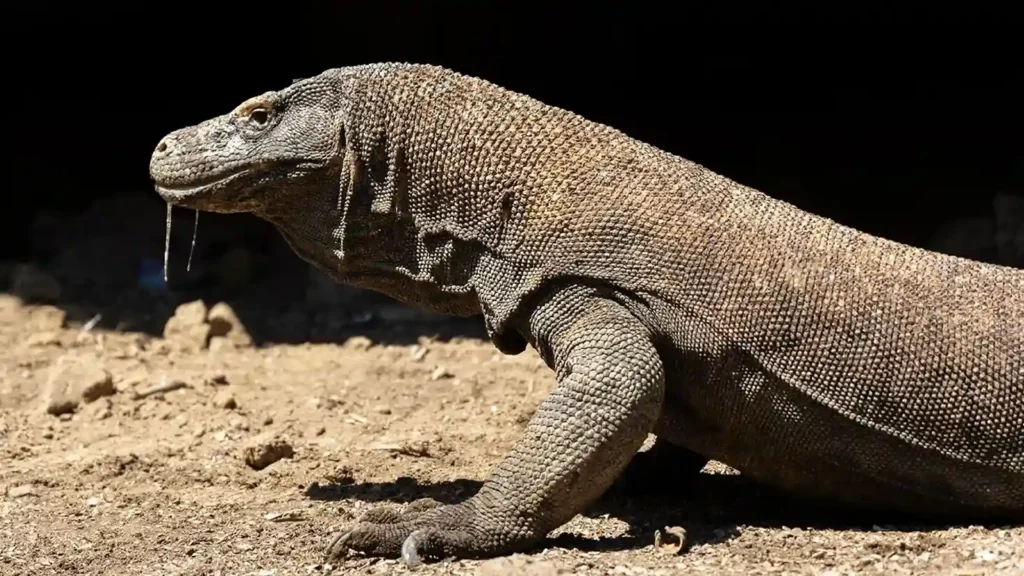
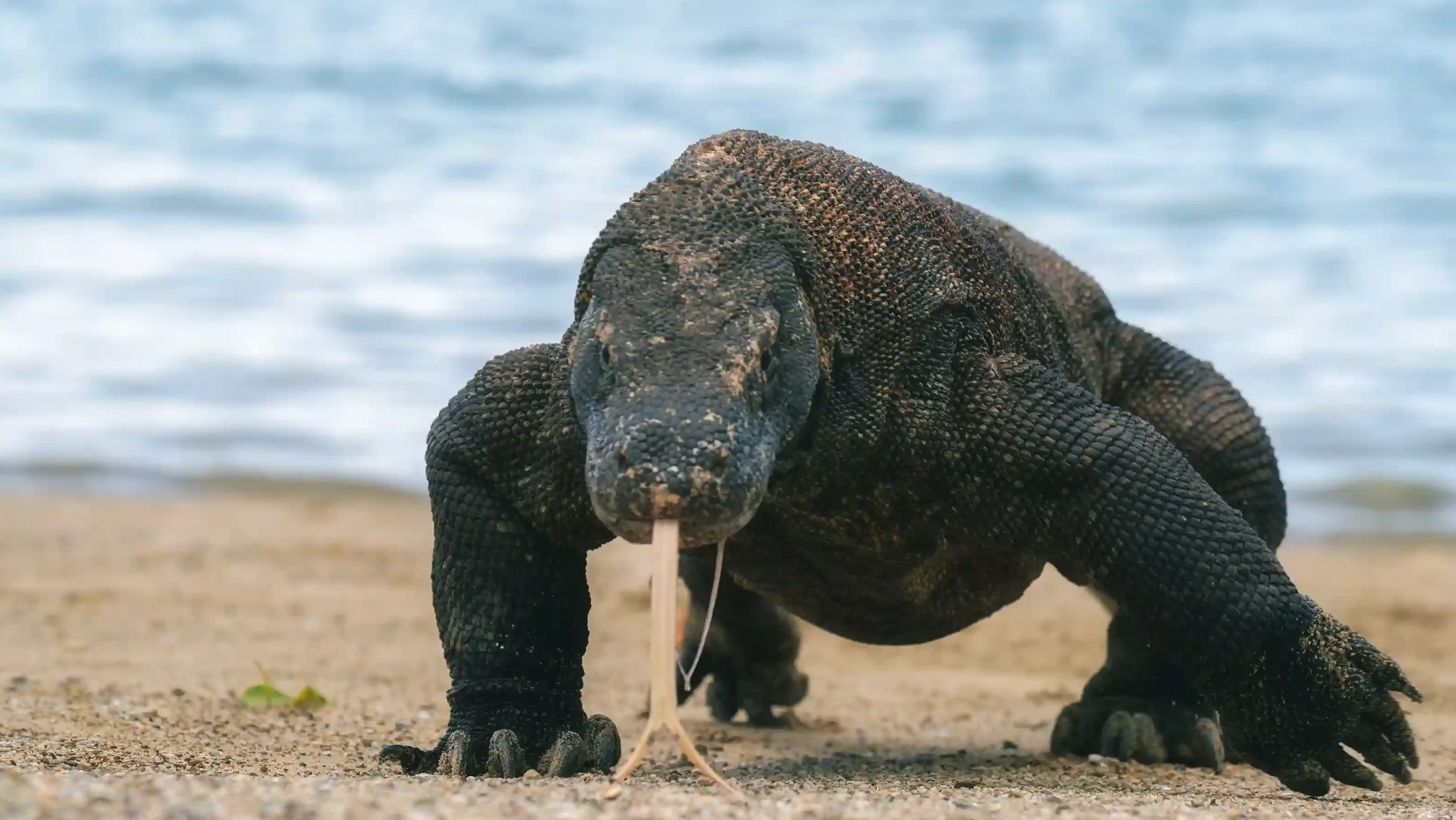
Dragones de Komodo son los depredadores ápice de su ecosistema. Los adultos pueden llegar a medir más de 3 metros de largo (10 pies) y pesar hasta 150 kg (330 libras). Cazan con sigilo, fuerza y armas biológicas: una combinación de saliva venenosa, garras afiladas, dientes dentados recubiertos de hierro y la capacidad de seguir el rastro de una presa herida durante millas. Se alimentan de ciervos, cerdos, búfalos de agua y, en ocasiones, incluso de caballos.
Una vez que un animal es mordido, el veneno y las bacterias del komodo comienzan a actuar, provocando pérdida de sangre, parálisis y shock. A continuación, el komodo sigue a la víctima hasta que esta sucumbe, a menudo horas o días después. En su hábitat, los « Dragones de Komodo » adultos no tienen depredadores naturales. Dominan el territorio como cazadores de primer orden, y ningún otro animal de la « Islas Komodo » puede plantarles cara seriamente, al menos no cuando están sanos y en plena madurez.
The Hidden Threat: Cannibalism Among Komodo Dragons
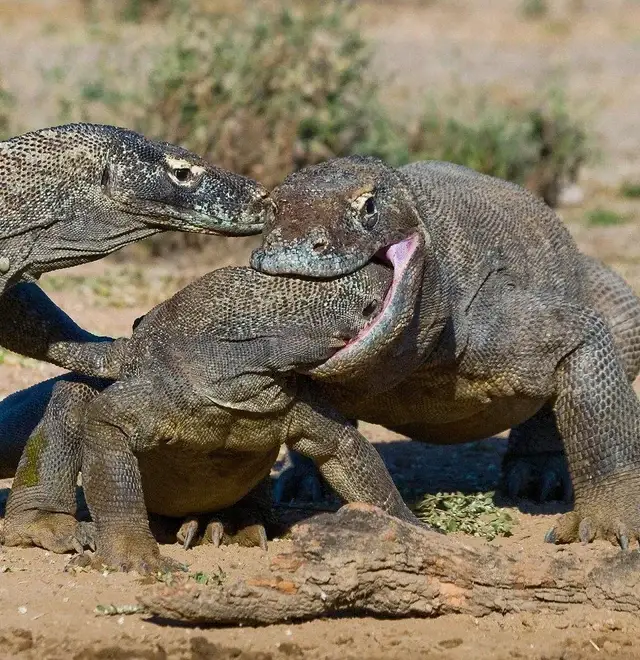
One of the most brutal and surprising threats to Komodo dragons is the danger that comes from within their own species. Cannibalism is a well-documented behavior among Komodo dragons, with adult individuals frequently preying on hatchlings and juveniles. It’s estimated that up to 10% of an adult Komodo’s diet can consist of younger Komodos. This forces hatchlings to seek refuge in trees shortly after hatching, often within just a few hours, where they spend their first years feeding on insects, small birds, and reptiles until they grow large enough to defend themselves on the ground.
This survival instinct reveals how harsh the early life of a Komodo dragon can be. Instead of facing external predators, hatchlings must constantly avoid being eaten by their older, more powerful relatives. It highlights a rarely discussed reality: the apex predator’s greatest threat in early life is not another species, it’s the apex predator itself.
Leer Más: ¿Son peligrosas las « Dragones de Komodo »? Descubre la verdad sobre estas criaturas
Human Impact and Conservation Efforts
Although Komodo dragons have no natural predators once they reach adulthood, they are increasingly vulnerable to the growing presence and impact of humans. Habitat loss from deforestation, expanding agriculture, and infrastructure development has significantly reduced their natural living space, while overhunting of prey species like deer and wild pigs has made it harder for Komodos to find food. Beyond that, illegal trade, pollution, and direct human-wildlife conflict add further pressure, and rising sea levels from climate change threaten the low-lying nesting areas these dragons depend on.
To address these challenges, Indonesia has implemented conservation programs centered around Komodo National Park, a UNESCO World Heritage Site, with strict regulations on tourism, habitat protection, and population monitoring. Conservation organizations and local communities are also actively involved in sustainable tourism and educational initiatives, aiming to protect the Komodo dragon while ensuring local residents benefit economically without compromising the fragile ecosystem. Through this collaboration, conservation efforts play a vital role in keeping the Komodo dragon from becoming a mere legend of the wild.
Las iniciativas de conservación y por qué son importantes
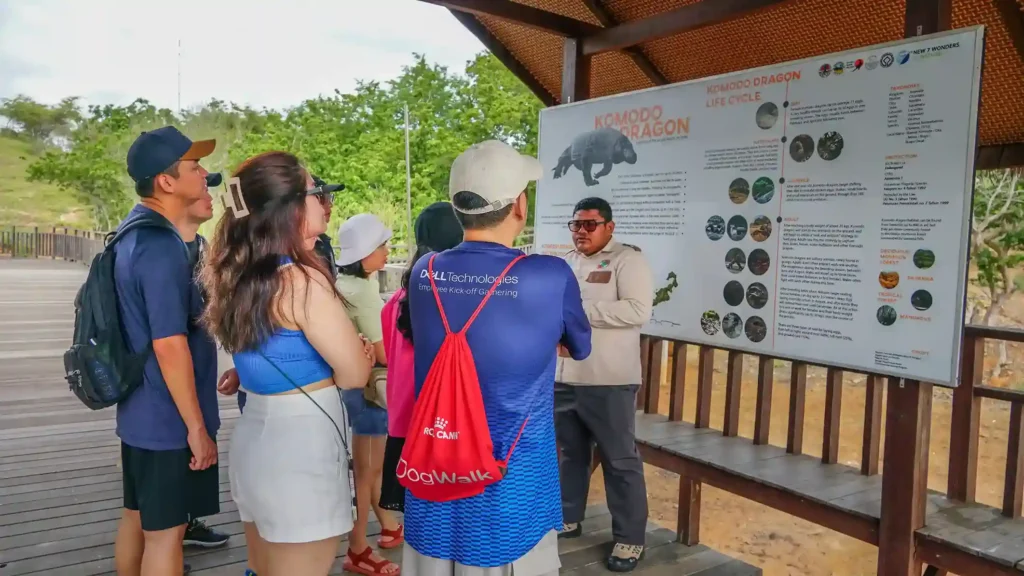
Aunque las águilas de cola blanca ( Dragones de Komodo ) se sitúan en la cima de la cadena alimentaria, no son invencibles. En las últimas décadas, las presiones medioambientales y la actividad humana han supuesto riesgos importantes para su supervivencia. Una de las amenazas más acuciantes es la pérdida de hábitat, provocada por el desarrollo de infraestructuras, la expansión del turismo y el cambio climático. El aumento del nivel del mar y de las temperaturas está transformando poco a poco los ecosistemas costeros de los que dependen las águilas de cola blanca ( Dragones de Komodo ), especialmente para anidar y cazar.
Para hacer frente a estos retos, Indonesia ha puesto en marcha diversos programas de conservación centrados en Parque Nacional de Komodo, declarado Patrimonio de la Humanidad por la UNESCO. Esta zona protegida constituye un refugio fundamental para la especie, con una normativa estricta en materia de turismo, protección del hábitat y seguimiento de la población. Más allá de los esfuerzos del Gobierno, las organizaciones conservacionistas y las comunidades locales también participan activamente en iniciativas de turismo sostenible y de educación. Estos programas tienen como objetivo no solo proteger a los « Dragones de Komodo », sino también garantizar que los residentes locales obtengan beneficios económicos sin poner en peligro el frágil ecosistema. A través de la colaboración y la sensibilización, las iniciativas de conservación desempeñan un papel vital para evitar que el « dragón de Komodo » se convierta en una mera leyenda de la naturaleza.
Entonces, ¿tiene el « dragón de Komodo » algún enemigo?
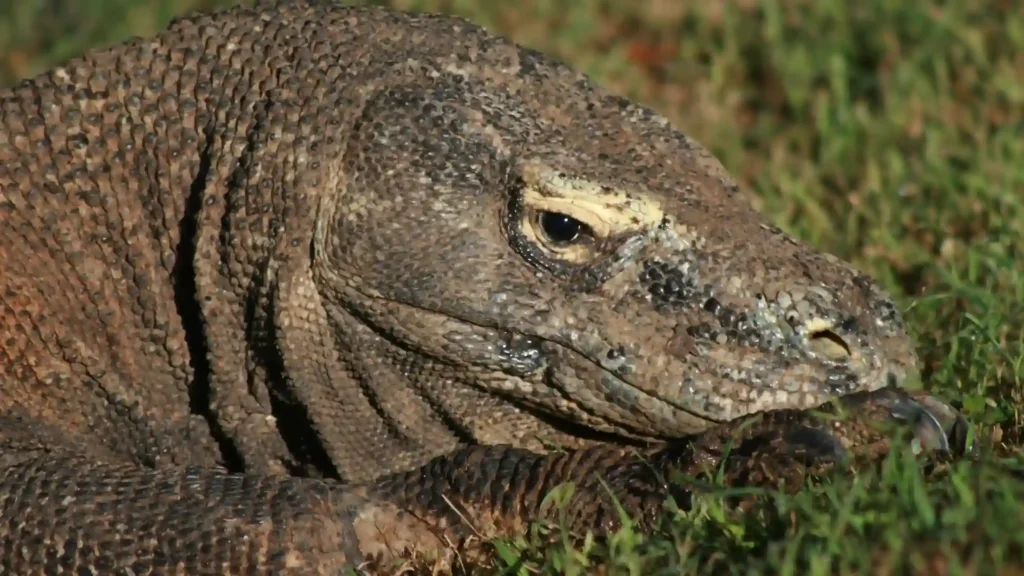
Yes, but not in the form of lions, tigers, or bears. The Komodo dragon’s real enemies are its own kind in youth, and human expansion in adulthood. Understanding these factors shifts the conversation from awe to action. Protecting this ancient reptile is no longer a matter of curiosity but of urgent responsibility. The Komodo dragon may dominate its natural world, but it’s our world that determines whether it survives. Travelers who want to observe this apex predator across several islands in one trip usually choose a multi-day Komodo liveaboard itinerary, which combines ranger-led treks with time in the park’s protected marine zones.
Read more: Komodo Dragon (Varanus komodoensis): The Complete Guide to the World’s Largest Lizard
Veamos « dragón de Komodo » de forma responsable con Komodo Luxury!
If you’re fascinated by the mighty Komodo dragon and feel inspired to witness it in real life, there’s a way to do it responsibly and memorably. Join the Komodo Island Tour with Komodo Luxury, a curated sailing experience that showcases the majestic beauty of Komodo Island while aligning with sustainable travel principles. Travelers who want to observe this apex predator across several islands in one trip usually choose a multi-day Komodo liveaboard itinerary, which combines ranger-led treks with time in the park’s protected marine zones, or trek with ranger-guides on the 3D2N shared trip.
The experience goes beyond just a photo opportunity, it’s about creating meaningful, low-impact encounters that leave you in awe without leaving a trace. Whether you prefer the company of a shared open trip or want to charter a private phinisi and stay for the quiet hours, Komodo Luxury lets you witness the Komodo dragon up close while respecting national park guidelines and supporting local communities, all with expert Komodo yacht charter fleets to choose from.

A cargo del Komodo Luxury Equipo de Expedición — un operador turístico autorizado de Parque Nacional de Komodo que organiza expediciones diarias desde Labuan Bajo desde 2015. Flota, tarifas e itinerarios: Komodo alquiler de yate.