






Last updated: December 2025 · Prices & availability verified for the 2026/2027 season
Bali, known as the “Island of the Gods,” is one of the top tourist destinations in Indonesia. It’s famous for its rich biodiversity and cultural diversity, making it a haven for beach lovers, cultural enthusiasts, and ecotourists. With its lush landscapes, rich culture, and commitment to environmental sustainability, Bali offers a variety of destinations for the eco-conscious traveler. In this article, we explore some of the top ecotourism destinations in Bali that are beautiful and offer opportunities to connect with nature and contribute to the environment.
What is Ecotourism?
According to the International Ecotourism Society, ecotourism is responsible travel to natural areas that conserve the environment, support the well-being of local communities, and include interpretation and education. Ecotourism minimizes tourism’s negative impacts on nature while ensuring the sustainability of natural resources for future generations. It also encourages tourists to understand the environmental and social issues facing their destinatios better.
Read More Here Are 13 Tips on How to Become an Ecotourist
Ecotourism Destinations in Bali
The Indonesian government is actively developing ecotourism, particularly in Bali, to protect its rich biodiversity. With its diverse landscapes, serene villages, and welcoming locals, Bali is a dream destination for many. Below are some top ecotourism destinations in Bali that are beautiful and offer opportunities to connect with nature and contribute to environmental conservation.
1. Holy Springs of Tirta Empul

Tirta Empul Temple is a temple considered sacred by the Balinese Hindu community, located in Manukaya village, Tampak Siring regency, Gianyar district. The main uniqueness of Tirta Empul Temple is the natural spring located within the temple compound. The Hindu community uses the water from this spring to purify themselves and invoke the holy Tirta. This is where you can do “pelukatan” or purify yourself in the sacred water.
2. Goa Lawah Temple


Goa Lawah Temple is a Hindu temple located in Pasinggahan village, Dawan subdistrict, Klungkung regency, Bali. It is one of the six major temples in Bali. The uniqueness of this place is that thousands of bats fill the cave temple. In addition, this sacred site offers deep historical knowledge, cultural uniqueness, and an enchanting spiritual experience.
3. Monkey Forest
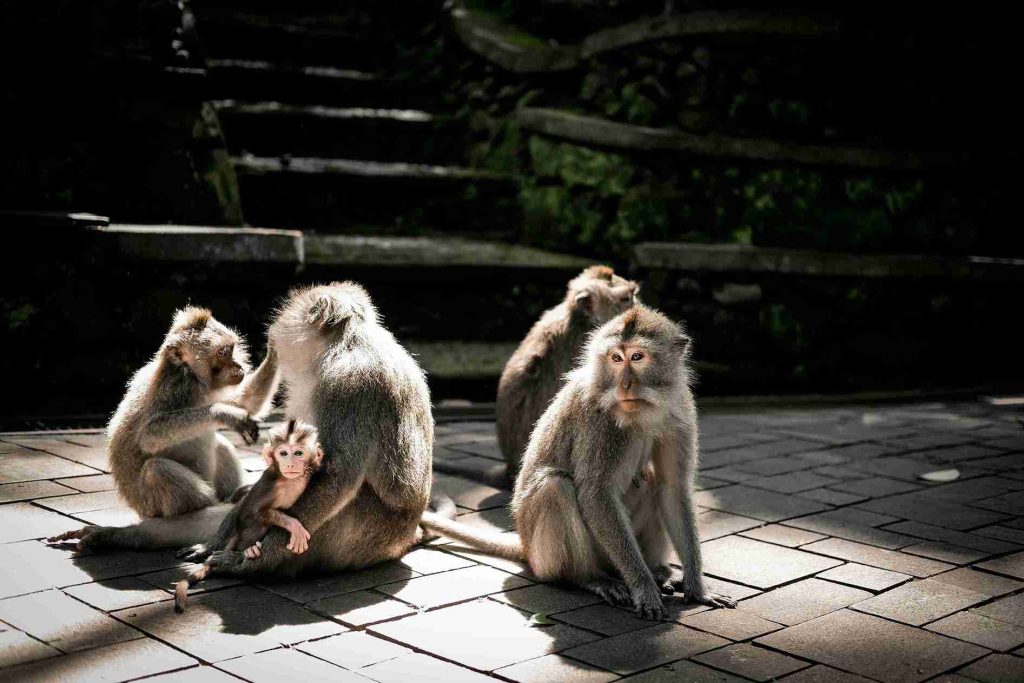
There are several monkey forests in Bali, but one of the most famous is the Ubud Monkey Forest or “Mandala Suci Wenara Wana,” a nature reserve and temple complex located in Ubud, Bali, Indonesia. This area is home to around 340 Macaca fascicularis, better known as long-tailed macaques. The villagers see the Monkey Forest as a necessary spiritual, economic, educational, and conservation center for the village and the wider region. You can observe the monkeys from a distance. And you are not allowed to feed them because it can alter their behavior.
4. Ulun Danu Beratan Temple
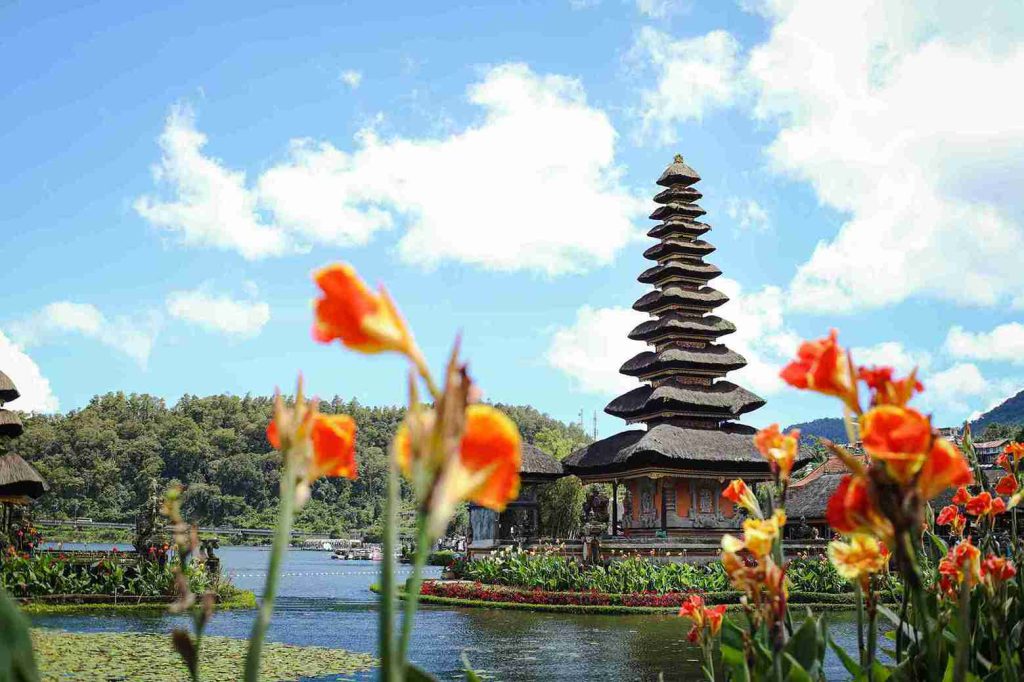
Ulun Danu Beratan is a temple located on the northwest shore of Lake Beratan in the mountains near Bedugul, Tabanan Regency. This temple is unique because part of the temple is in the middle of Lake Beratan, making it a unique attraction for tourists. The lake is a sacred place for the Balinese, as it is considered the source of prosperity in life.
5. Kecak Dance

Kecak dance is a Balinese dance performed by dozens of male dancers who line up in a circular pattern with a certain rhythm, chanting “cak, cak, cak” and raising both arms. The dance is inspired by a traditional ritual performed by the Balinese people, which was later adapted into the story of the Ramayana in the Hindu faith to be performed as an art show. You can see Kecak dance in many places such as Uluwatu, Melasti Beach, Ubud, etc.
6. Desa Trunyan, Kintamani

Trunyan Village is a village in Kintamani, Bangli Regency, that has a unique funeral tradition. People who die there are not buried or cremated but simply placed under the Taru Menyan tree. This tradition is called “Mepasah.” This tree is said to be able to remove the smell of the body. A visit to the Trunyan village will enhance your knowledge of the “Mepasah” tradition by interacting with the local community.
Read More What is Bali Known for? Here are 15 Popular Things in Bali
7. Terasering Rice

Bali is also famous for its beautiful beaches and rice terraces at Jatiluwih and Ubud. Jatiluwih Rice Terraces is the most extensive rice terrace in Bali, covering 600 hectares at the foot of Mount Batukaru. While Tegalalang Rice Terrace is one of the tourist icons in Bali, you can explore many terraces and look out over the terraces and surrounding green landscape.
8. Desa Panglipuran Bangli
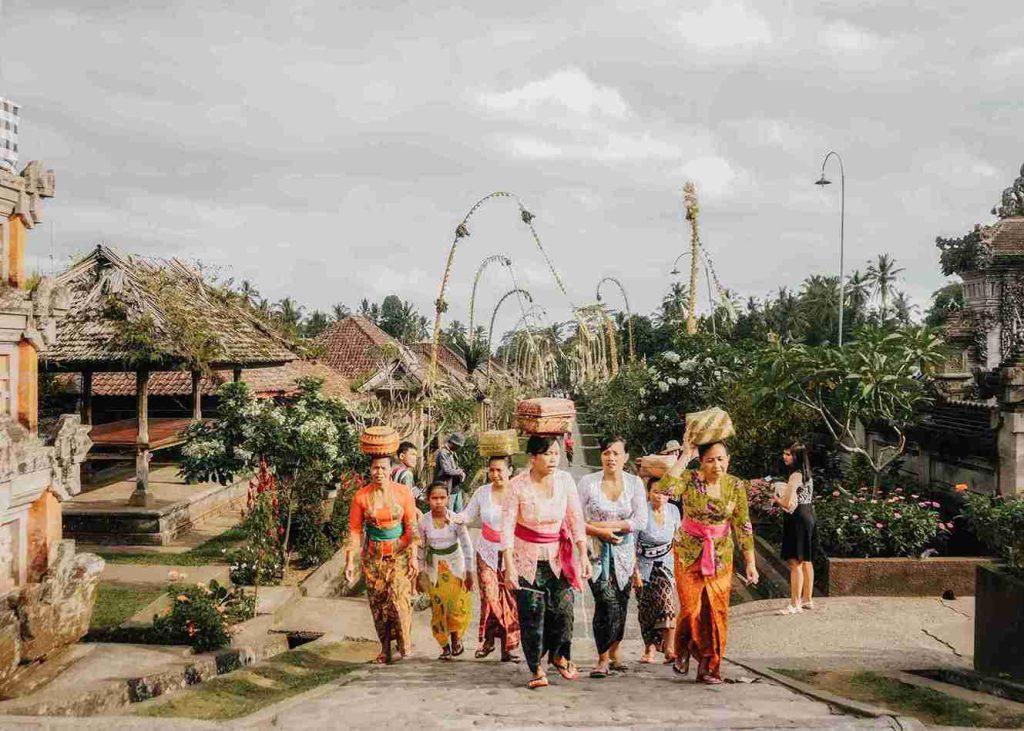
Panglipuran Village is a traditional village that has won several awards, including Kalpataru, ISTA (Indonesia Sustainable Tourism Award), and was listed as one of the top 100 sustainable destinations by the Green Destinations Foundation. You will feel the cool and fresh air when you visit this village. The village still maintains the noble values of the ancestors that have been passed down from generation to generation, which you can learn by visiting this ecotourism.
9. Pulau Serangan

Serangan Island is located in South Denpasar, Denpasar City. You can visit this island by motorbike or car and then cross the Serangan Sakenan Bridge. This island has many interesting attractions that promote sustainability, one of which is turtle breeding. You can learn how turtles grow and develop at Turtle Conservation and Education.
10. Kusamba Village

Kusamba Village is an old village in Dawan District, Klungkung Regency, Bali. This village is one of the traditional salt farming centers in Bali, as the salt farmers produce salt that has a distinctive taste, crunchiness, and pure white color. If you visit this village, you can try making traditional salt with the salt farmers there.
11. Desa Tenganan Pegringsingan

Tenganan is one of the oldest tourist villages in Bali. The village has the natural charm of hills with preserved indigenous forests and a vast expanse of rice fields flanking the river. Here, you can learn about the community’s culture, such as making pengringsingan woven and learning the mekaré-karé tradition. The mekaré-karé tradition or “perang pandan” is the village’s largest religious ceremony and is held annually.
Conclusion
Bali is a dream destination that offers natural beauty and unique ecotourism experiences. Ecotourism destinations in Bali, such as the Holy Springs of Tirta Empul, Goa Lawah Temple, Monkey Forest, Ulun Danu Beratan Temple, Trunyann Village, and Serangan Island, along with cultural performances like Tari Kecak, focus on preserving the island’s rich biodiversity, supporting local communities, and respecting cultural heritage. As an ecotourist in Bali, you embrace responsible travel practices that prioritize sustainability, preserving the island’s beauty and culture for future generations.
Read More How to Trip from Bali to Komodo Island
Turn the reading into a voyage: see Komodo boat tours or compare Komodo tour packages, all run by our own crew since 2015.