





Last updated: September 2026 · Prices & availability verified for the 2026/2027 season
Last updated: September 17, 2026
Als je je ooit hebt afgevraagd wat er zou gebeuren als een reusachtige hagedis het zou opnemen tegen een kolossaal zoogdier, dan ben je niet de enige. Komodovaranen olifanten staan allebei bekend om hun omvang en kracht, hoewel ze in totaal verschillende omgevingen leven en een heel andere levenswijze hebben. Hier gaan we hun unieke eigenschappen verkennen, ze naast elkaar vergelijken en ons zelfs een hypothetische krachtmeting tussen deze twee opmerkelijke wezens voorstellen .
De savanne waar op buffels wordt gejaagd en waar deze kwestie van de omvang echt tot uiting komt, wordt tijdens elke door een ranger begeleide trektocht die wij organiseren doorkruist — een standaard ochtendprogramma tijdens onze Komodo- Reispakketten.
De ene helft van dit duo is nog steeds in het wild te zien: de gidsen van Komodo Luxury, die sinds 2015 drakenwandelingen begeleiden, zien bijna dagelijks Varanus komodoensis in Nationaal Park Komodo.
komodovaraan: De reusachtige hagedis uit de legendes
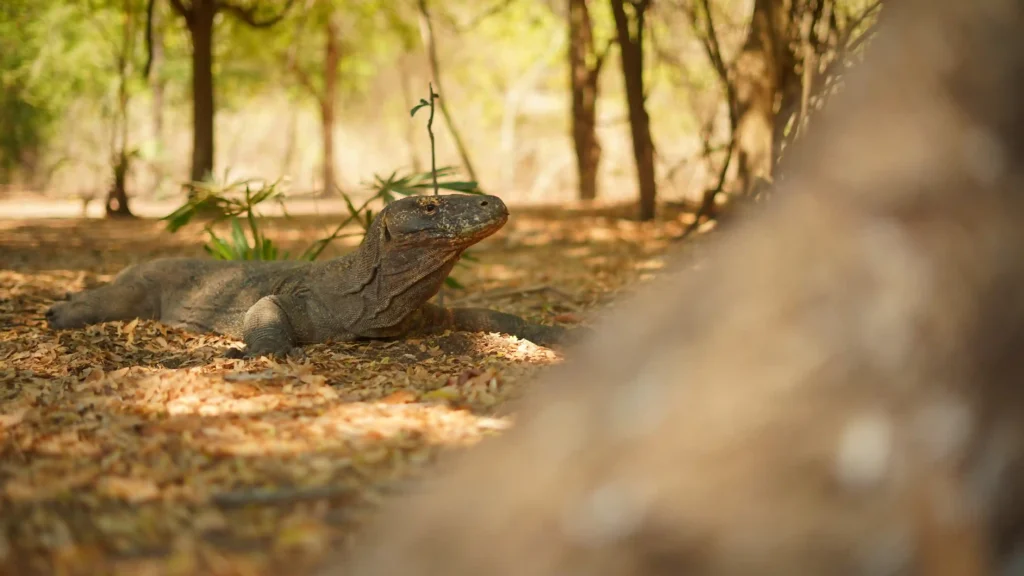
De Komodovaraan ( komodovaraan , wetenschappelijke naam: Varanus komodoensis) is de grootste levende hagedis ter wereld. Hij kan tot ongeveer 3 meter (ongeveer 10 voet) lang worden en tussen de 70 en 90 kilogram (ongeveer 154 tot 198 pond) wegen. Ondanks zijn logge lichaamsbouw is hij verrassend behendig over korte afstanden – soms haalt hij snelheden van ongeveer 20 km/u (12 mph). Zijn geschubde huid heeft vaak grijsbruine of groenbruine tinten, waardoor hij goed opgaat in de struikachtige vegetatie.
Een van de meest opvallende kenmerken van de komodovaraan is zijn krachtige kaak, vol met scherpe tanden. Nog intimiderender is zijn speeksel, dat een mengsel van bacteriën bevat die ernstige infecties kunnen veroorzaken. Wanneer een komodovaraan zijn prooi bijt, kan de wond zo ernstig geïnfecteerd raken dat het slachtoffer na verloop van tijd verzwakt – waardoor het voor de Komodo gemakkelijker wordt om het later op te sporen. Deze voedingsstrategie is in het wild behoorlijk effectief, vooral op de relatief kleine eilanden waar Komodovaranen rondzwerven.
Deze fascinerende reptielen komen voornamelijk voor op de Kleine Soenda-eilanden van Indonesië, met name op Komodo eiland, Rinca en sommige delen van Flores. Hoewel ze in hun leefgebied de baas zijn, vermijden ze liever risico’s door hun prooien vanuit een hinderlaag aan te vallen in plaats van ze over lange afstanden te achtervolgen. Hun dieet bestaat meestal uit herten, wilde zwijnen, waterbuffels en af en toe een kadaver dat ze toevallig tegenkomen. In bepaalde situaties is bekend dat volwassen Komodovaranen ook kleinere komodovaranen eten, een gedrag dat bekendstaat als kannibalisme.
Lees meer: komodovaraan vs. Alligator: De strijd tussen de reuzereptielen
De olifant: de vriendelijke reus van de wildernis
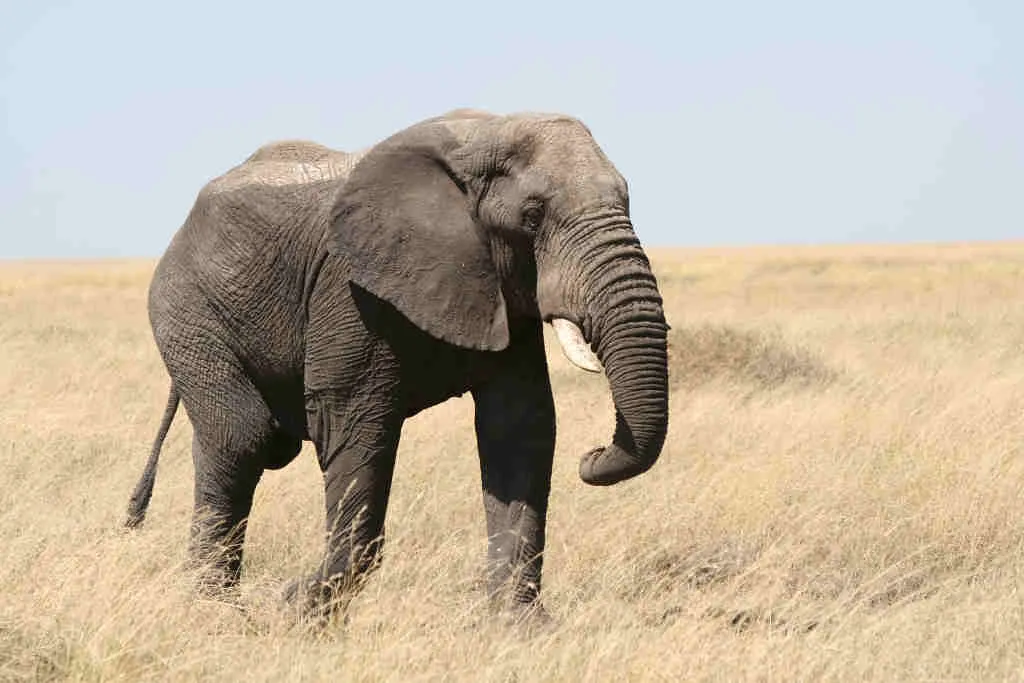
Olifanten daarentegen behoren tot een heel andere klasse van dieren. Het zijn zoogdieren die bekendstaan om hun enorme lichaamsbouw, hun expressieve slurf en (bij de meeste soorten) hun indrukwekkende slagtanden. Er zijn drie belangrijke soorten die vandaag de dag nog in het wild voorkomen: de Afrikaanse savanneolifant (Loxodonta africana), de Afrikaanse bosolifant (Loxodonta cyclotis) en de Aziatische olifant (Elephas maximus).
Afrikaanse savanneolifanten zijn doorgaans het grootst: ze kunnen een schouderhoogte van wel 3 tot 4 meter bereiken en maar liefst 5 tot 6 ton wegen. Aziatische olifanten zijn iets kleiner, maar kunnen toch zo’n 4 tot 5 ton wegen. Hun meest kenmerkende eigenschap is de slurf, die als een ongelooflijk veelzijdig hulpmiddel dient. Olifanten gebruiken deze om voedsel op te rapen, water te drinken en te communiceren door middel van zachte aanrakingen of trompetterende geluiden.
Olifanten zijn planteneters die zich voornamelijk voeden met gras, bladeren, schors en andere vegetatie. Omdat ze enorme hoeveelheden voedsel nodig hebben, trekken ze vaak rond op zoek naar nieuwe voedselgebieden. Een ander opvallend kenmerk is hun sterke gemeenschapsgevoel; olifanten vormen doorgaans hechte familiegruppen onder leiding van een matriarch. Deze sociale structuren helpen hen elkaar te beschermen tegen bedreigingen en leren jonge olifanten hoe ze in het wild kunnen overleven.
Lees meer: komodovaraan zwarte mamba: een confrontatie tussen twee dodelijke roofdieren
komodovaraan vs Olifant: Vergelijking
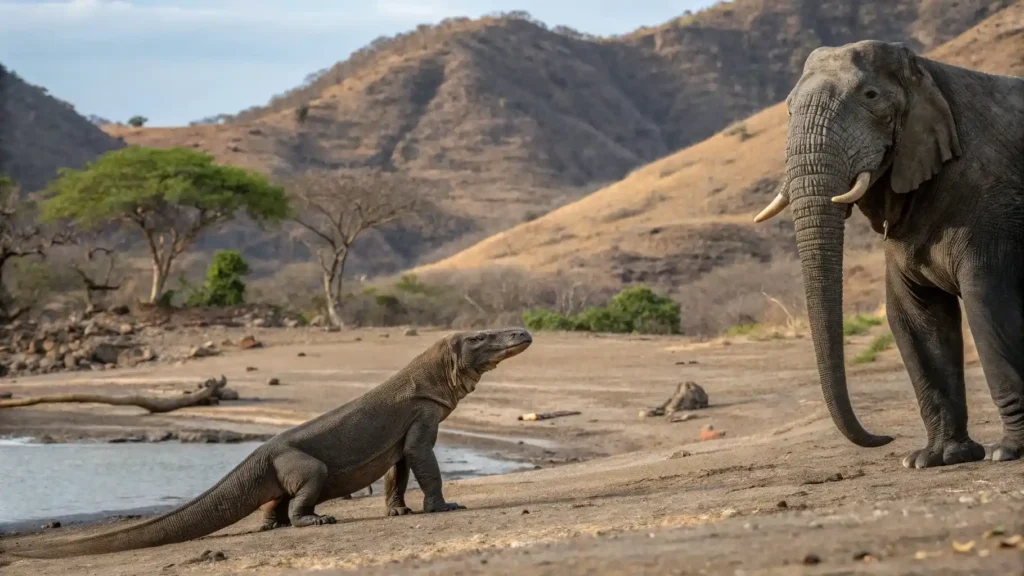
Op het eerste gezicht lijkt het misschien vreemd om een reusachtige hagedis te vergelijken met een kolossaal zoogdier. Maar deze twee dieren vertegenwoordigen het toppunt van overlevingskunst in hun respectievelijke leefgebieden. Komodovaranen als toproofdieren Komodovaranen de eilanden waar ze leven, terwijl olifanten als enkele van de grootste landdieren ter wereld de graslanden en bossen domineren.
Vanuit evolutionair oogpunt Komodovaranen als levende dinosaurussen: oeroude reptielen die zich hebben aangepast aan het leven op een eiland. Olifanten daarentegen zijn zeer intelligente zoogdieren die sterke sociale banden hebben ontwikkeld en in staat zijn om enorme afstanden af te leggen. Beide soorten verdienen bewondering voor de manier waarop ze hun eigen plek op aarde hebben veroverd.
Hieronder vind je een eenvoudige tabel waarin enkele belangrijke verschillen en overeenkomsten worden weergegeven:
| Aspect | Komodovaraan | Olifant |
| Classificatie | Reptiel | Zoogdier |
| Gemiddelde lengte | Tot 3 meter (ongeveer 10 voet) | Body length up to 6–7.5 meters (nose to tail); shoulder height 3–4 meters |
| Gemiddeld gewicht | 70–90 kg (154–198 lbs); largest verified wild specimens up to 166 kg | 3–6 ton (afhankelijk van de soort) |
| Topsnelheid | Ongeveer 20 km/u voor korte stukjes | Around 25 km/h (16 mph) in short sprints |
| Dieet | Vleesetend (herten, wilde zwijnen, aas) | Planteneter (gras, bladeren, schors, vruchten) |
| Leefgebied | Indonesische eilanden (Komodo, Rinca, Flores) | Afrika (savannes, bossen) & Azië (tropische bossen) |
| Hoofdverdediging | Giftige beet (bacteriën), scherpe klauwen, krachtige staart | Enorm lichaam, slurf, slagtanden, beschermend kuddegedrag |
| Unieke aanpassingen | Bacterieel speeksel, dikke schubben, krachtige kaken en ledematen | Dikke huid, goed geheugen, lichaam dat meerdere taken aankan, groepsverdediging |
Uiterlijk
Visueel gezien Komodovaranen ‘prehistorisch’Komodovaranen met hun ruwe schubben, gespierde lichaamsbouw en een lange snuit met scherpe tanden. Hun vacht is donker of dof, waardoor ze goed opgaan in de droge struiken of rotsachtige hellingen. Olifanten staan bekend om hun grote lengte, zuilachtige poten en iconische slagtakken. Hun huid is dik en gerimpeld en dient als beschermende laag tegen insecten en barre weersomstandigheden. Kortom, Komodovaranen dreigend en roofzuchtig Komodovaranen , terwijl olifanten er machtig en kalm uitzien.
Afmetingen en gewicht
An adult Komodo dragon can be around 3 meters long and weigh up to 90 kg on average, though the largest verified wild specimens have reached 166 kg. An elephant, by contrast, can reach 3 to 4 meters in shoulder height and weigh several tons, meaning even an average-sized elephant outweighs the biggest Komodo dragon ever recorded by more than twenty times. This size difference changes how each animal moves, hunts, and defends itself.
Jagen en eten
Komodovaranen roofdieren. Ze verschuilen zich en wachten tot er herten, varkens of andere prooien langskomen, waarna ze snel toeslaan. Zelfs als de prooi weet te ontsnappen, raakt deze vaak ernstig gewond en kan de komodovaraan hem later opsporen. Soms aasden komodovaranen op kadavers. Olifanten daarentegen hoeven niet te jagen. Hun plantaardige dieet kan bestaan uit gras, schors en fruit. Omdat olifanten grote hoeveelheden voedsel en water nodig hebben, leggen ze vaak lange afstanden af om nieuwe graasplekken en waterpoelen te vinden. Het is een totaal andere manier van leven in vergelijking met de hinderlaagtactieken van de komodovaraan.
Verdediging
De verdediging van een komodovaraanbestaat uit zijn dodelijke beet, sterke ledematen en krachtige staart. Hij kan zich bovendien aanpassen aan zijn omgeving, waardoor hij nietsvermoedende prooien of indringers gemakkelijk kan verrassen. Olifanten vertrouwen op hun omvang, kracht en sociale samenhang. Een enkele olifant kan indien nodig zijn slurf en slagtanden gebruiken, maar in de meeste gevallen vormt een groep olifanten een beschermende cirkel rond kwetsbare leden (zoals kalveren) wanneer ze met gevaar worden geconfronteerd. Olifanten zijn ook intelligent genoeg om bedreigingen zorgvuldig in te schatten en de acties binnen de kudde op elkaar af te stemmen.
Leefgebied en verspreiding
Komodovaranen geven de voorkeur aan droge, hete eilanden met schaarse begroeiing. De eilanden in het oosten van Indonesië kunnen behoorlijk ruig zijn, met beperkte waterbronnen buiten het regenseizoen. Olifanten daarentegen bewonen een breder scala aan leefgebieden. Afrikaanse olifanten zwerven door savannes, bossen en soms halfwoestijngebieden, terwijl Aziatische olifanten zich meestal beperken tot tropische bossen en aangrenzende graslanden. Beide diersoorten tonen een enorm aanpassingsvermogen binnen hun respectievelijke leefomgevingen, maar hun verspreidingsgebieden overlappen zelden, aangezien hun leefgebieden mijlenver uit elkaar liggen.
Aanpassingen om te overleven
Het succes van de komodovaraanligt in zijn dodelijke speeksel, dikke schubben en een krachtige stofwisseling waardoor hij dagen of zelfs weken zonder grote maaltijd kan volhouden. Ze kunnen vet opslaan in hun staart en zijn uitstekende zwemmers, waardoor het reizen tussen nabijgelegen eilanden geen probleem is. Olifanten hebben geavanceerde sociale systemen, een goed geheugen en communicatieve vaardigheden ontwikkeld, waarbij ze gebruikmaken van laagfrequente grommende geluiden en lichaamstaal om met elkaar af te stemmen. De slurf van een olifant is vooral handig voor het verzamelen van voedsel, het optillen van voorwerpen of zelfs het tonen van genegenheid aan kuddegenoten. Hun grote oren (vooral bij Afrikaanse olifanten) helpen bij het reguleren van de lichaamstemperatuur in warme klimaten.
komodovaraan vs. Olifant: wie zou er waarschijnlijk winnen?
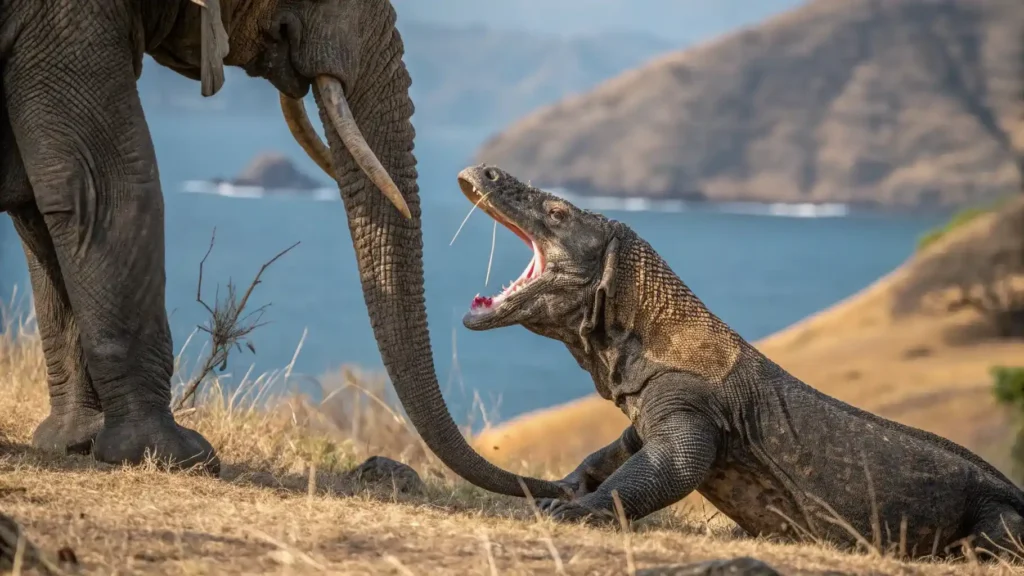
Nu de grote vraag: als een komodovaraan en een olifant elkaar ooit zouden tegenkomen en in een soort conflict terecht zouden komen, wie zou er dan als winnaar uit de bus komen?
Als we puur naar fysieke kracht kijken, zouden het enorme lichaam en de kracht van de olifant een enorm voordeel opleveren. Een volwassen olifant zou een „ komodovaraan ” mogelijk met relatief gemak kunnen vertrappen of opzij slingeren. Een enkele klap met de slurf van een olifant of een stoot met zijn slagtanden zou verwoestend kunnen zijn . Aan de andere kant vertrouwen „ Komodovaranen ” op hun heimelijkheid en hun besmettelijke beet. In een rechtstreeks gevecht met een gezonde volwassen olifant is het onwaarschijnlijk dat een komodovaraan onopgemerkt een beet zou kunnen plaatsen. Zelfs als de komodovaraan erin zou slagen de olifant in het been te bijten, zou het reptiel vervolgens moeten vluchten en wachten tot de infectie zijn werk doet.
Olifanten trekken echter zelden alleen rond. De leden van de kudde staan elkaar bij, waardoor ze beter in staat zijn roofdieren af te weren. Tenzij de olifant geïsoleerd, verzwakt of nog heel jong is, zijn de kansen op succes voor de komodovaraanklein. In de meeste realistische scenario’s zou de olifant dus winnen dankzij zijn omvang, kracht en de steun van zijn familie.
Boek een Komodo-tour bij Komodo Luxury
Although these two animals don’t share the same environment and are unlikely to ever face off in real life, it’s still interesting to line them up side by side. The Komodo dragon stands out as a legendary reptile with a deadly bite and ancient lineage, while the elephant stands tall as a highly intelligent, socially complex, and physically overwhelming mammal.
No elephants on these islands, but watching a dragon command a waterhole recalibrates your sense of scale. The elephant will need a different trip, the dragon is just a short boat ride from Labuan Bajo.
Komodo Luxury’s guided Komodo Island tours put you on ranger-led trails where wild dragons still hunt, while its Komodo boat tours wrap the trek into a full day on the park’s pink beaches and reefs. For a more complete itinerary, book a Komodo Tour package, join a 3D2N Komodo sailing tour, or linger longer on a liveaboard for the ultimate immersive experience.
Either way, you’ll come away with a story worth telling, and a better sense of just how wild this corner of Indonesia still is.

Lees meer: komodovaraan .: de ultieme gids voor epische confrontaties tussen wilde dieren
Geschreven door het expeditieteam van de „ Komodo Luxury “ — erkende „ Nationaal Park Komodo “-exploitanten die sinds 2015 trektochten en oversteken begeleiden via Labuan Bajo . Bekijk onze zeiltocht naar Komodo op Reispakketten.