
Flores ligt in de Kleine Soenda-eilanden van Oost- Indonesië, ten oosten van Bali, Lombok en Sumbawa en ten westen van de Solor- en Alor-archipels. Labuan Bajo, op het meest westelijke puntje, is de havenstad van waaruit elke boot Nationaal Park Komodo binnenvaart.
Het eiland behoort tot de provincie Oost-Nusa Tenggara (Nusa Tenggara Timur, meestal afgekort tot NTT), met de Flores zee in het noorden en de Savuzee in het zuiden. Portugese handelaren gaven het in de 16e eeuw zijn naam naar Cabo de Flores, de „Kaap der Bloemen” aan het oostelijke uiteinde, en hun erfenis is nog steeds zichtbaar in de sterk katholieke cultuur van het eiland. Op de kaart strekt Flores zich uit over ongeveer 350 km, van Labuan Bajo in het westen tot Larantuka in het oosten: een lange, smalle ruggengraat van vulkanen, doorkruist door één enkele hoofdweg. Niets doet hier denken aan een voorstad van Bali: dit is een apart eiland, twee werelden die weliswaar in dezelfde tijdzone liggen maar cultureel verschillend zijn, gescheiden door een vlucht van 90 minuten.
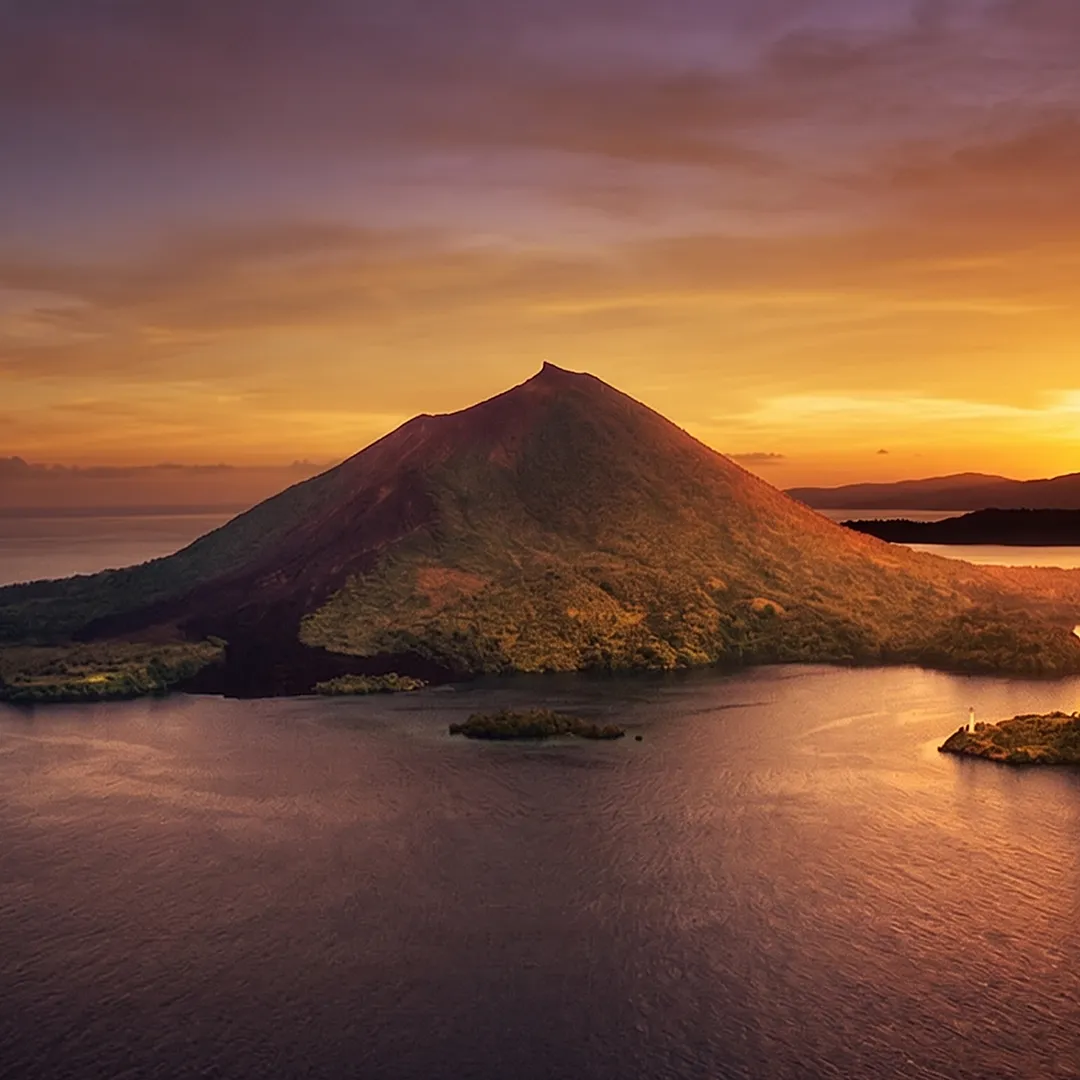
Als je naar een kaart op Flores kijkt, zijn de belangrijke plaatsen van west naar oost: Labuan Bajo, Ruteng, Bajawa, Riung aan de noordkust, Ende en Moni in het midden-oosten, en vervolgens Maumere en Larantuka — en elke reisschema in deze gids volgt die west-naar-oost-lijn, omdat de enige hoofdweg van het eiland dat ook doet. Geologisch gezien maakt Flores deel uit van de vulkanische eilandboog van Indonesië, wat de reeks vulkaankegels verklaart — Inerie, Ebulobo, Kelimutu, Egon, Ile Mandiri — die de rit naar het oosten onderbreken.
| Feit | Detail |
|---|---|
| Locatie | Kleine Soenda-eilanden, oostelijk Indonesië; ten oosten van Bali, Lombok en Sumbawa |
| Provincie | Oost-Nusa Tenggara (Nusa Tenggara Timur / NTT) |
| Gebied | 14.250 km² — een van de tien grootste eilanden v Indonesië |
| Bevolking | Iets meer dan 2 miljoen (officiële schatting van medio 2024) |
| Belangrijkste luchthavens | Komodo International (LBJ) Labuan Bajo · Frans Seda (MOF) Maumere · H. Hasan Aroeboesman (ENE) Ende |
| Afstand tot Bali | Ongeveer 520 km; rechtstreekse vluchten duren ongeveer 90 minuten van gate tot gate |
| Talen | Indonesisch (lingua franca) plus Manggarai, Ngada, Ende-Lio, Sikka en Lamaholot |
| Religie | Overwegend katholiek — wat ongebruikelijk is in Indonesië en een centrale rol speelt in het eilandleven |
| Tijdzone | WITA / Centraal- Indonesië -tijd (UTC+8), hetzelfde als Bali |
| Nationaal Park Komodo vermelding | IDR 250,000 per international visitor per day (PP 36/2024, as displayed by Balai Taman Nasional Komodo) — official dated ticket |
Er zijn meerdere keren per dag rechtstreekse vluchten tussen de luchthaven van Bali (DPS) en de internationale luchthaven van Komodo in Labuan Bajo (LBJ). De afstand van 520 km wordt in ongeveer 75 minuten in de lucht afgelegd — in totaal duurt de reis van gate tot gate ongeveer 90 minuten. Garuda Indonesië, Batik Air en Indonesië AirAsia vliegen allemaal op deze route, en er zijn ook rechtstreekse vluchten vanuit Jakarta. De vluchten zijn rond juli–augustus en tijdens feestdagen vaak uitverkocht, dus boek je vluchten voordat je je hotel vastlegt; de tarieven zijn doorgaans het laagst doordeweeks buiten de schoolvakanties. Komodo International Airport ligt op amper tien minuten van de hotels aan de haven, dus bij aankomst hoef je geen lange transfer te maken — veel gasten landen ’s ochtends en zitten diezelfde middag al op een boot, of brengen hun eerste dag door met een zonsondergang bij de haven en een duik bij de Rangko-grot.
De klassieke, rustige route is een vierdaagse boottocht van drie nachten van Lombok naar Flores , waarbij je in oostelijke richting langs de eilanden van Moyo en de vulkaankrater van Satonda vaart, voordat je Nationaal Park Komodo binnenvaart en aanmeert in Labuan Bajo. Hierdoor wordt de overtocht zelf het hoogtepunt van de reis: snorkelen tussenstops en rustige ankerplaatsen sieren de route, de hutten variëren van eenvoudige slaapplaatsen op het dek tot privékamers met eigen badkamer, afhankelijk van de boot, en de afvaarten vinden betrouwbaar plaats in de periode van april tot oktober, wanneer de zee rustig is. Dezelfde reis wordt ook in omgekeerde richting aangeboden, als vertrek vanuitFlores naar Lombok, een slimme manier om een Flores reisschema af te sluiten zonder per vliegtuig terug te hoeven vliegen.
Onafhankelijke reizigers die de tijd hebben, kunnen Sumbawa over de weg doorkruisen en vanaf Sape de veerboot voor voertuigen nemen naar Labuan Bajo, een overtocht die het grootste deel van een dag in beslag neemt en afhankelijk is van de zeeomstandigheden. Het is de meest avontuurlijke van de drie routes en in de praktijk ook de traagste: houd rekening met twee tot drie dagen vanaf Lombok, met overnachting tussenstops op Sumbawa. We raden deze route alleen aan aan overlanders die de reis zelf belangrijker vinden dan de reistijd; alle anderen vliegen. Alle drie de opties eindigen op dezelfde plek — de haven v Labuan Bajo , het startpunt voor zowel het park als de snelweg.
Nee — het zijn drie verwante maar verschillende plaatsen. Flores is het grote eiland; Labuan Bajo is het stadje op de westelijke punt ervan; en Nationaal Park Komodo is een aparte eilandengroep voor de kust, die alleen per boot bereikbaar is.
De verwarring is begrijpelijk, omdat de drie namen in bijna elke reisschema samen voorkomen. Hier volgt de heldere uitleg: Nationaal Park Komodo beschermt Komodo, Rinca, Padar en tientallen kleinere eilanden die in de zeestraat ten westen van Flores liggen. Geen van deze eilanden maakt deel uit van het vasteland van Flores, maar het enige praktische vertrekpunt voor het park is de haven van Labuan Bajo, en daarom is de stad uitgegroeid tot de toeristische hoofdstad van de regio. Een tweede misvatting is dat Flores op de een of andere manier deel uitmaakt van Bali. Dat is niet zo: Flores is een apart eiland, 520 km naar het oosten, in een andere provincie, met eigen luchthavens, talen en een overwegend katholieke cultuur. Bali is simpelweg de meest gebruikelijke doorstapplaats. Als je ‘Komodo-tour vanuit Bali ’ ziet, gaat het in feite om een vlucht naar Labuan Bajo, Flores — en de varanen leven in het nationale park, niet op Bali.
De verschillende betekenissen van de naam zetten zich ook voor de kust voort: ‘Komodo’ kan verwijzen naar het nationale park, naar het eiland Komodo zelf dat daar deel van uitmaakt, of in bredere zin naar de hele regio Labuan Bajo — de context maakt meestal duidelijk wat er bedoeld wordt. Wat voor de planning van belang is, is simpel: vlieg naar Labuan Bajo, overnacht op Flores en ga per boot het park binnen.
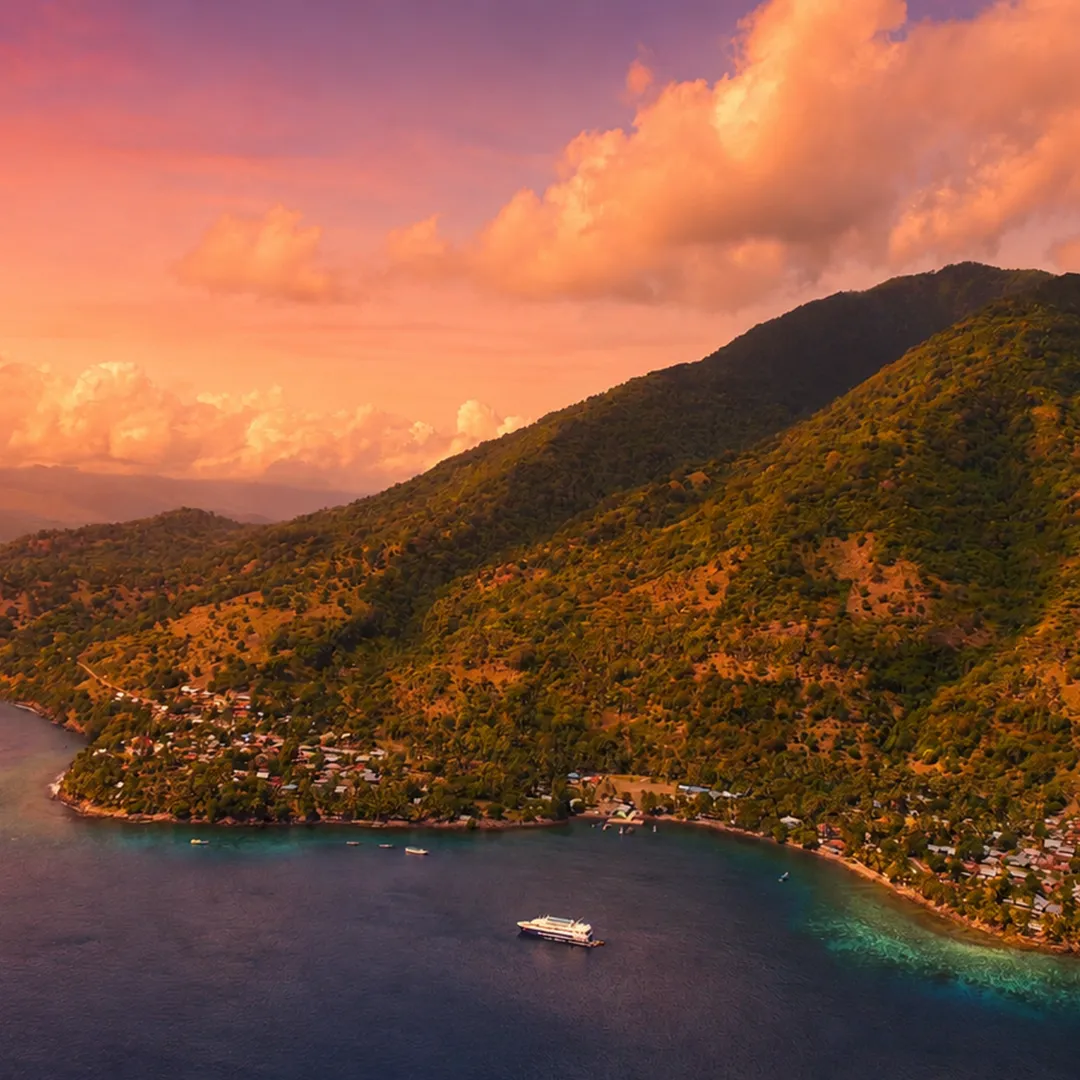
De meest westelijke stad is de bloeiende haven Flores: een tegen een heuvel gelegen haven vol boten op weg naar Nationaal Park Komodo, met daarachter een internationale luchthaven, een jachthaven, een avondmarkt met zeevruchten en het grootste aanbod aan hotels op het eiland. Verder dan de waterkant kun je dagtochten maken naar de blauwe zoutwatergrot bij Rangko en de uitkijkheuvels boven de baai. De stad zelf is compact genoeg om te voet te verkennen: reisbureaus, koffiebranderijen en visrestaurants liggen dicht bij elkaar langs één straat aan het water, en een diner op de Kampung Ujung-avondmarkt is het traditionele ritueel voor de eerste avond. Beschouw het als je uitvalsbasis en plek om tot rust te komen — onze volledige Labuan Bajo bestemmingsgids behandelt de stad uitgebreid.
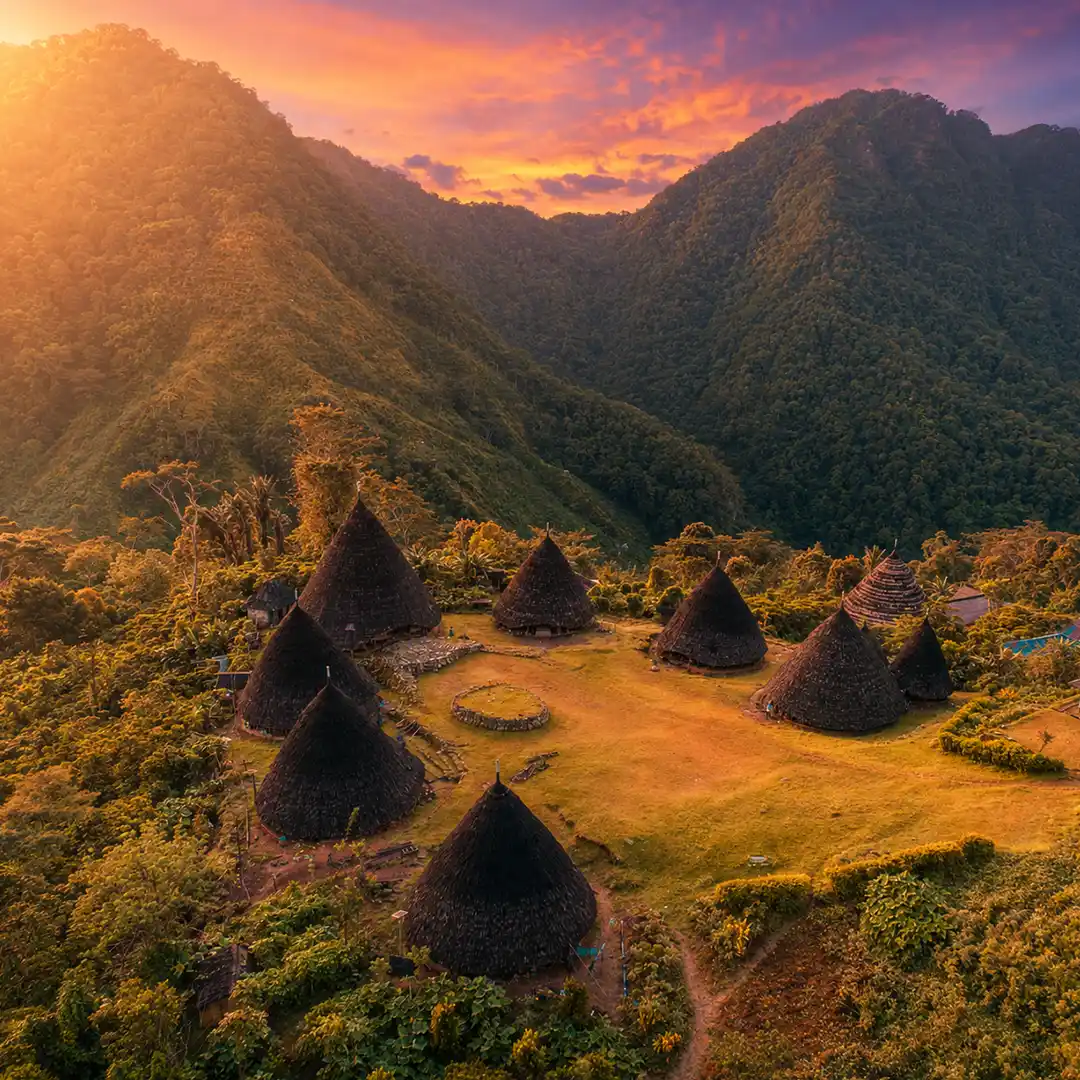
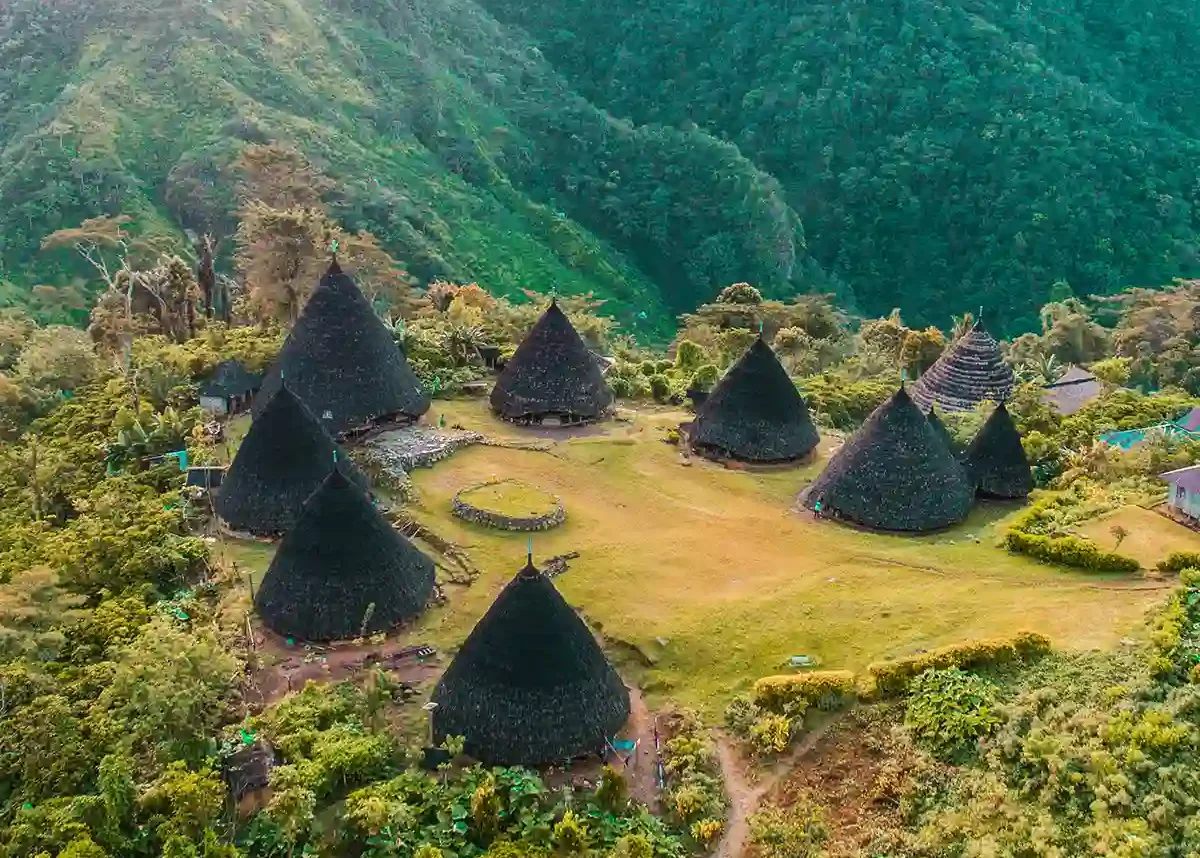
Vier tot vijf uur rijden naar het oosten ligt Ruteng, de koele hoofdstad van het Manggarai-gebied in de hooglanden, gehuld in mist en rijstterrassen. Het nabijgelegen Cancar staat bekend om zijn lingko — gemeenschappelijke rijstvelden die vanuit een centraal punt zijn verdeeld in uitgestrekte spinnenwebpatronen, die het best te zien zijn vanaf de heuvelrug erboven. Liefhebbers van archeologie kunnen een bezoek brengen aan de Liang Bua-grot, waar in 2003 de klein van gestalte Homo floresiensis werd opgegraven. Ruteng is ook het startpunt voor de trektocht naar het dorp Wae Rebo, een bergnederzetting met zeven Mbaru Niang-huizen met kegelvormige daken, die je bereikt via een begeleide klim door het bos van twee tot drie uur vanuit Denge. De rit vanaf de kust voert langs kruidnagel- en koffieplantages naar echt koele lucht — neem een extra laag kleding mee, want ’s avonds daalt de temperatuur in de hooglanden ver onder die aan de kust; onze reisgids voor Ruteng geeft een overzicht van de praktische details.
Bajawa ligt hoog in de Ngada-hoogvlakte, aan de voet van de bijna perfecte kegel van de berg Inerie, waar de lucht tot de koelste van het eiland behoort. De belangrijkste bezienswaardigheid van de regio is Bena, een megalithisch Ngada-dorp met rietgedekte huizen, gebeeldhouwde heiligdommen en met stenen geplaveide binnenplaatsen, dat al eeuwenlang zijn oorspronkelijke vorm heeft behouden. Combineer dit met een duik in de warmwaterbronnen van Mangeruda, waar een warme rivier en een koude rivier samenkomen, en een kopje lokale arabica – Bajawa-koffie is een van de exportproducten waar Floreshet meest trots op is. De architectuur van Ngada is zowel symbolisch als prachtig: de gepaarde ngadhu- en bhaga-heiligdommen op elke binnenplaats eren de stichtende voorouders van het dorp, en ouderen komen bij zonsondergang nog steeds samen op de megalithische platforms.
Aan de drogere noordkust ligt het vissersdorpje Riung, met voor de kust een verspreide groep rif- en mangrove-eilandjes die bekendstaat als het 17 Islands Marine Park. Een houten boot dagtocht t hier betekent: lege witte zandstranden, een ‘ snorkelen ’ boven gezonde ondiepe riffen en mangrovebomen vol met rustende vliegende honden. Het is de enige plek op de route over land waar de zee halverwege het eiland weer de overhand neemt — een halve dag voor anker liggen zonder andere boten in zicht is hier de norm, niet de uitzondering. Kom op een doordeweekse dag en je bemanning is misschien wel talrijker dan alle andere bezoekers in het hele park; neem je eigen snorkelset mee als je kieskeurig bent wat betreft de pasvorm, want de verhuuruitrusting is hier vrij eenvoudig.
In Ende, de havenstad aan de zuidkust, bracht Sukarno, de eerste president v Indonesië, in de jaren ’30 zijn ballingschap door; zijn voormalige woning is nu een klein museum. De echte trekpleister ligt echter landinwaarts: vanuit het bergdorpje Moni bereik je na een rit in de vroege ochtend en een korte wandeling de 1.639 m hoge top van de Kelimutu, waar drie kratermeren naast elkaar liggen in verschillende kleuren — turkoois, groen, zwart — en waarvan de tinten in de loop van de tijd veranderen naarmate de vulkanische mineralen zich verplaatsen. De zonsopgang hier is het meest memorabele moment van een tocht over land. Plan een overnachting in Moni in plaats van een dagtrip vanuit Ende: de poort naar de top gaat voor zonsopgang open en de meren zijn meestal wolkvrij in het eerste uur na zonsopgang — onze gids over de Kelimutu-kratermeren legt de wetenschap en de timing uit.
Maumere, de hoofdstad van het regentschap Sikka, was de belangrijkste toegangspoort tot Floresvóór de opkomst van Labuan Bajoen is nog steeds de op één na grootste stad van de regio. Tegenwoordig is het het natuurlijke eindpunt van een reis via de Trans-Flores : vanaf de luchthaven Frans Seda (MOF) vertrekken aansluitende vluchten, de riffen in de baai trekken duikers aan en in de omliggende heuvels liggen dorpen waar ikat wordt geweven en waar stoffen nog steeds met de hand worden geverfd en geweven. Het gadeslaan van een Sikka-wever aan een rugbandweefgetouw is de rustige tegenhanger in het oosten van de draken in het westen. Maumere vormt ook het ankerpunt van de oostelijke vluchtschema’s van het eiland, waardoor een open-jaw- reisschema — heen vliegen naar Labuan Bajo, terug vanuit Maumere — de meest efficiënte manier is om Flores in één keer over te steken zonder terug te hoeven keren.
Op het uiterste oostelijke puntje van het eiland, aan de voet van de vulkaan Ile Mandiri, ligt Larantuka, de stad met de sterkste Portugese invloed v Flores— het centrum van een eeuwenoude katholieke traditie waarvan de processies tijdens de Semana Santa (Heilige Week) elk jaar met Pasen pelgrims uit heel Indonesië aantrekken. Voor reizigers is het ook de veerbootverbinding naar Solor, Adonara en Lembata, de weinig bezochte eilanden voorbij Flores. Er zijn maar weinig reisroutes die zo ver reiken; wie dat wel doet, ziet een kant v Indonesië die vrijwel onaangetast is door het toerisme. Als je tijdens de paasweek wilt komen, boek dan maanden van tevoren — de pensions in de stad zitten al lang voordat de processies beginnen vol met pelgrims.
Op het water.
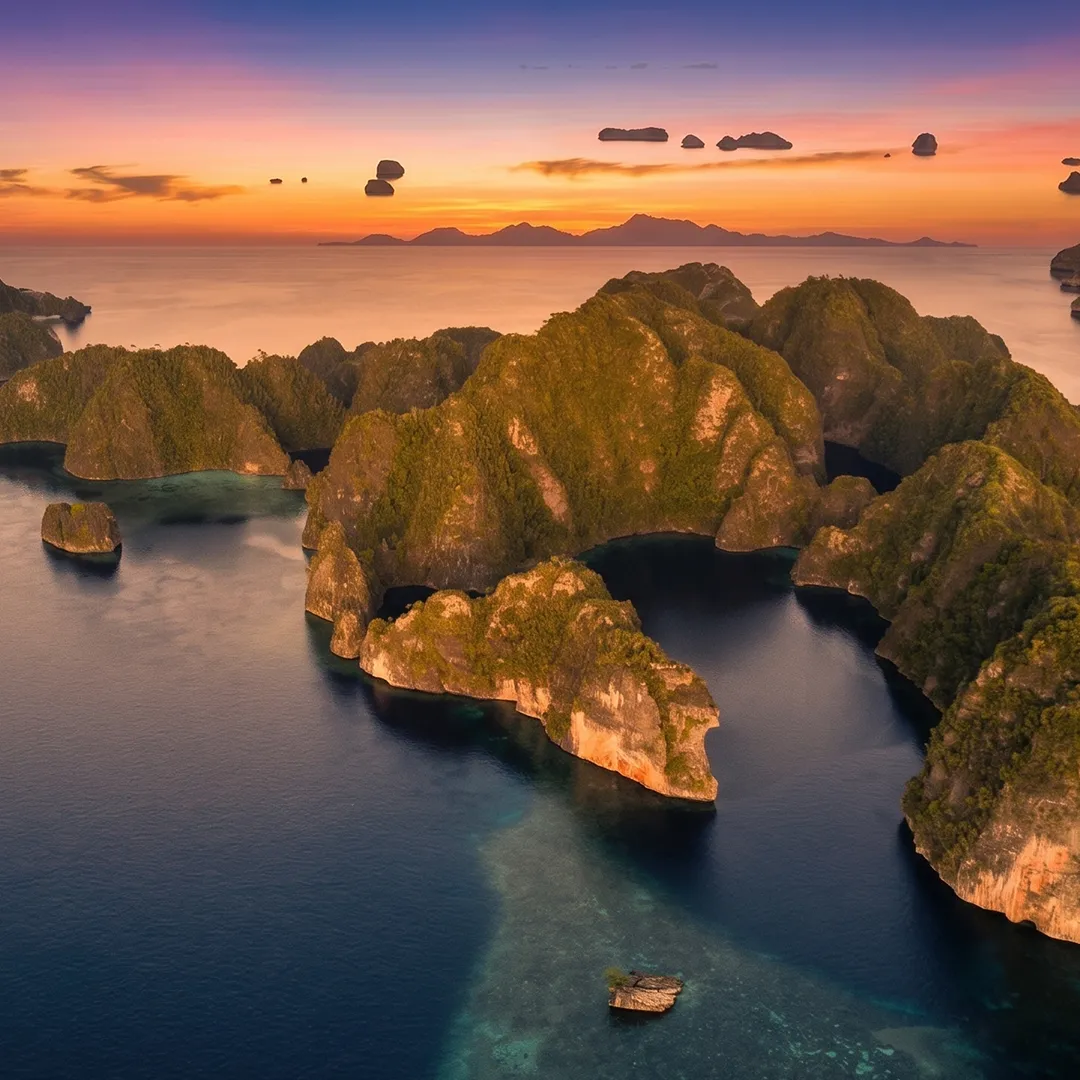
Vanuit Labuan Bajo varen dagtochten naar het uitkijkpunt met de drie baaien van Padar, Roze Strand en door parkwachters begeleide drakenwandelingen op Komodo en Rinca, met snorkelen tussenstops bij enkele van de rijkste riffen van Indonesië; meerdaagse routes dringen dieper het park binnen aan boord van een Komodo- duikcruise, waarbij men voor anker tussen de eilanden overnacht. Duikers beschouwen de kanalen van het park als een van de rijkste plekken in Indonesiëvoor ontmoetingen met grote zeedieren — mantaroggen, schildpadden, rifhaaien — terwijl snorkelaars in het ondiepe water grotendeels hetzelfde spektakel te zien krijgen. Midden op het eiland bieden de 17 eilanden van Riung dezelfde combinatie van wit zand en warme riffen, zonder dat er ook maar één andere toeristenboot aan de horizon te zien is.
Op het land.
De route over land verbindt de zonsopgangmeren van Kelimutu, de Wae Rebo-trektocht, de spinnenwebachtige rijstvelden van Cancar, de megalithische binnenplaatsen van Bena en de warmwaterbronnen van Mangeruda met elkaar, aangevuld met de blauwe grot bij Rangko waar je kunt zwemmen en de watervalcanyons dichter bij Labuan Bajo. Culturele tussenstops — ikat-wevers in de buurt van Maumere, koffiedorpen boven Bajawa — vullen de gaten tussen de landschappen op. Geen van deze iconische plekken vereist een hoge fysieke conditie: Kelimutu ligt op korte loopafstand van de parkeerplaats, en zelfs Wae Rebo is een rustige, begeleide klim door het bos in plaats van een bergbeklimming. Zie voor de volledige lijst met tijden onze gids met activiteiten in Flores of de zorgvuldig samengestelde Labuan Bajo -tours die de hoogtepunten in het westen in één of twee dagen bestrijken.
| Maanden | Seizoen | Wat je kunt verwachten |
|---|---|---|
| april – juni | Vroeg droog | Groene heuvels, een rustige zee, warme dagen; het ideale moment voordat het er druk wordt |
| juli – augustus | Piek droog | De droogste periode en de drukste tijd van het jaar; reserveer vluchten, boten en Wae Rebo ruim van tevoren |
| september – november | Laat droog | Hete, goudkleurige landschappen; uitstekend zicht voor snorkelen en duiken |
| december – maart | Regentijd | Korte, hevige regenbuien, weelderige landschappen; ruigere zeeën en af en toe aardverschuivingen op bergwegen |
Vier tot vijf dagen is voldoende voor de route Labuan Bajo plus een goede Nationaal Park Komodo boot reisschema; zeven tot tien dagen omvat ook de volledige tocht over land naar Kelimutu en Maumere. Als je minder dan drie dagen hebt, beperk je dan tot het uiterste westen in plaats van over de snelweg te haasten.
De rekensom is simpel: het park verdient twee tot drie dagen op het water, en de 350 km lange ruggengraat van het eiland verdient vijf tot zes dagen op de weg — de afstanden op de bochtige Trans-Flores -snelweg duren twee tot drie keer zo lang als de kaart doet vermoeden. Reizigers die proberen „ Flores” in twee dagen te „zien”, zien meestal alleen maar de voorruit. Als Komodo het hoofddoel is en Flores de bonus, plan dan vier nachten in Labuan Bajo rond je bootdagen en voeg een middagje Rangko-grot of een waterval toe; als het eiland zelf het doel is, begin dan met de boot en laat je vervolgens door een chauffeur-gids overnemen voor de snelweg. Onze planningsgids over hoeveel dagen je nodig hebt in Flores geeft voorbeelden van programma’s van 4, 7 en 10 dagen.
Labuan Bajo heeft het grootste aanbod aan accommodaties van het eiland, variërend van boetiekhotels met uitzicht op de haven tot complete resorts, en de meeste reizigers verblijven daar. Langs de route over land kun je eerder eenvoudige, schone pensions en kleine lodges verwachten dan resorts.
Ruteng biedt gastenverblijven in de hooglanden en een beroemd kloosterverblijf; in Bajawa en Moni vind je familiebedrijven die meer op locatie dan op luxe zijn gericht; Maumere voegt daar een handvol rustige strandresorts ten oosten van de stad aan toe. De meest realistische manier om je reis te plannen is om aan het begin en einde van je reis lekker te slapen in Labuan Bajo , en de nachten daartussen als comfortabele tussenstops te beschouwen. Als vuistregel geldt dat kamers zich concentreren rond de drie luchthavensteden, schaarser worden in de hooglanden en tussen de tussenstops helemaal verdwijnen — nog een reden waarom dagetappes over de snelweg worden gepland rond waar je slaapt, en niet alleen rond wat je ziet. Boek eerst Labuan Bajo en eventuele Wae Rebo- overnachting ; beide zitten in juli en augustus vol. Onze hotelgids op Flores zet de huidige opties stad voor stad op een rijtje.
Komodo Luxury is based in Labuan Bajo and has operated across Flores and Komodo National Park since 2015 — rated 4.9/5 by 1,500+ verified guests and named a TripAdvisor Travelers’ Choice in 2025 and 2026. When you book with us you deal with the team that runs the boat, and we answer for the voyage.
Onze Vloot bestaat uit 9 eigen en door ons geëxploiteerde schepen, naast meer dan 200 zorgvuldig geselecteerde partnerjachten, die altijd apart worden aangeduid, zodat u precies weet op wiens dek u zich bevindt — en op het land hanteren we dezelfde standaard met in Flores geboren chauffeur-gidsen op de Trans-Flores -snelweg. Onze afdeling voor reizen over land werkt volgens dezelfde normen als onze maritieme activiteiten — vaste voertuigen, chauffeur-gidsen bij naam, en hotels waar ons team daadwerkelijk heeft verbleven, dezelfde strenge controleprocedure waarop onze beoordelingen zijn gebaseerd. Elke reisschema is samengesteld uit echte, gepubliceerde onderdelen in plaats van ondoorzichtige pakketberekeningen:
| Component | Beoordeel |
|---|---|
| Toyota Innova + professionele chauffeur-gids (overlandreis) | 1.500.000 IDR per dag |
| Toyota Hiace + chauffeur-gids (groepen, overlandreis) | 2.500.000 IDR per dag |
| Begeleid arrangement Wae Rebo (2 dagen, 1 nacht) | IDR 3,000,000 |
| Nationaal Park Komodo toegangskaart (officieel gedateerd ticket) | IDR 250,000 per international visitor per day (PP 36/2024, as displayed by Balai Taman Nasional Komodo) |
| Hotels onderweg | Aangepast aan uw wensen — pension, boetiekhotel of resort |
MEESLEPENDE ERVARINGEN
HOOGTEPUNTEN VAN DE BESTEMMING
Ontdek de eilanden en mariene parken waar we vanuit Labuan Bajo naartoe varen, de toegangspoort aan de westelijke punt van Flores.
PLAN JE REIS NAAR FLORES
Geef ons je reisdata door en wat je graag wilt zien, dan stuurt ons team je binnen 24 uur een offerte op maat.
NEEM CONTACT OP MET ONZE EXPERT