






Last updated: September 2026 · Prices & availability verified for the 2026/2027 season
Last updated: September 16, 2026
Have you ever found yourself wondering, “How long do Komodo dragons live?” These giant reptiles have captured global fascination not just for their size and power, but for the mystery surrounding their longevity. Komodo dragons live about 30 years in the wild, according to the Smithsonian’s National Zoo, and typically 20–30 years when they survive to adulthood, with individuals in professional care occasionally living longer under consistent veterinary attention.
In this article, you’ll learn the real facts about the Komodo dragon lifespan, you’ll also learn why this matters to you as a traveler, as a conservationist, and as someone who loves the natural world. So let’s dive into the life of this legendary predator and find out just how many years a Komodo dragon can actually live.
Punti chiave
- Komodo dragons live an average of 30 years in the wild and typically 20–30 years overall, with select captive individuals like Fluffy at the Los Angeles Zoo reaching around 33 years.
- Hatchlings spend their first year almost entirely in trees to escape cannibalistic adults, gradually shifting to a mostly terrestrial life by the juvenile stage around 2–3 years old.
- Sexual maturity arrives late compared to other reptiles, females around 7–10 years and males around 8–10 years, before dragons enter full adulthood as apex predators.
- Claims of Komodo dragons living 50 years or more are not supported by peer-reviewed research; verified records top out in the low-30s to low-40s range.
- Wild dragons can only be seen in Komodo National Park, Indonesia, and the safest way to witness their full life cycle up close is through a ranger-led tour with an experienced local operator.
How Long Do Komodo Dragons Live in the Wild?
In their natural habitat across Komodo, Rinca, Flores, Gili Motang, and Gili Dasami, Komodo dragons face a harsh survival gauntlet. Most hatchlings never reach adulthood, and the ones that do typically live around 30 years, though wild females tend to disappear from long-term mark-recapture studies earlier than males, often by their late 20s, likely due to the physical toll of egg-laying and nest defense.
Males, being larger and less vulnerable to predation once mature, may push toward the upper end of that range or slightly beyond in undisturbed populations.
How Long Do Komodo Dragons Live in Captivity?
Captive Komodo dragons often benefit from steady food supply, veterinary care, and zero predation risk, factors that can modestly extend their lifespan compared to the wild. According to data from the Association of Zoos and Aquariums (AZA), the median lifespan in professional care is approximately 19.5 years for females and 12.9 years for males, though these medians reflect a mix of ages at death across a population and don’t represent a hard ceiling.
Some individuals have significantly outlived those medians. Fluffy, a Komodo dragon at the Los Angeles Zoo, lived to approximately 33 years old, one of the longest documented lifespans for the species. Loka, at the Calgary Zoo, reached around 30 years. These standout cases show that with the right conditions, Komodo dragons can substantially exceed typical captive averages.
You may encounter anecdotal claims online of Komodo dragons living 50, 60, or even 70+ years. These figures are not supported by peer-reviewed data. The most rigorous long-term studies, including genetic and mark-recapture research such as Laver et al. (2012), have not confirmed any wild or captive individual conclusively surviving past the low-40s range, and most verified records sit well below that. Treat any lifespan claim beyond roughly 30–35 years as unverified until backed by a documented, tracked individual.
Perché drago di Komodo è importante per te
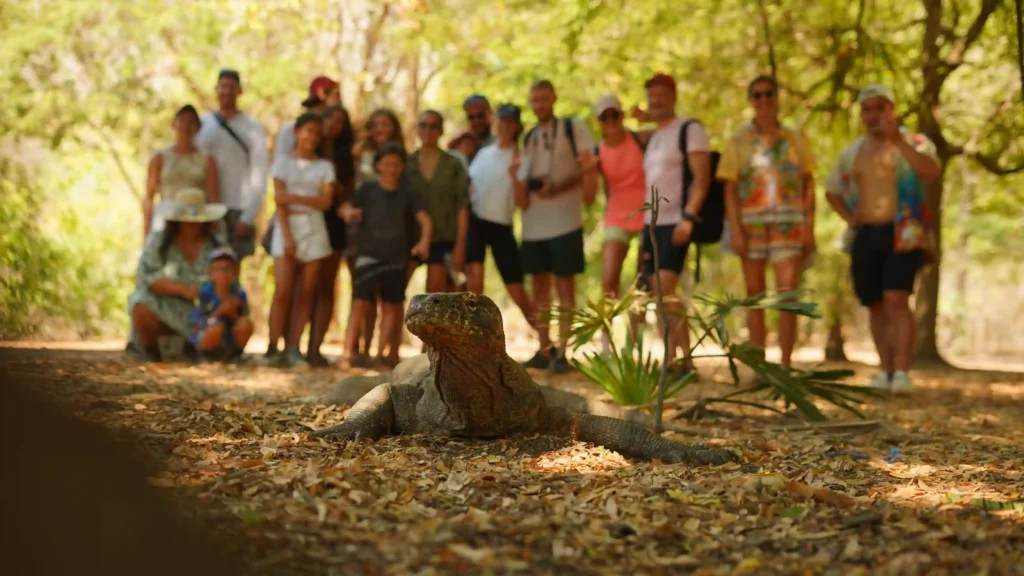
A questo punto, forse vi starete chiedendo: «Perché dovrebbe importarmi quanto Draghi di Komodo ?». La risposta va oltre la semplice curiosità: si tratta di conservazione e di legame con la natura. Quando visitate luoghi come Parco Nazionale di Komodo, non siete solo dei turisti. State entrando nell’habitat di una specie che è sopravvissuta per milioni di anni.
Comprendendo la loro aspettativa di vita, si diventa più consapevoli delle sfide che devono affrontare e dell’importanza di proteggerli. Ogni scelta eco-consapevole che si compie, dal sostenere tour operator responsabili al rispettare le linee guida dei parchi, contribuisce alla loro sopravvivenza. In altre parole, conoscere la longevità dei Draghi di Komodo ti Draghi di Komodo di essere parte del loro futuro.
The Komodo Dragon Life Cycle: From Egg to Apex Predator
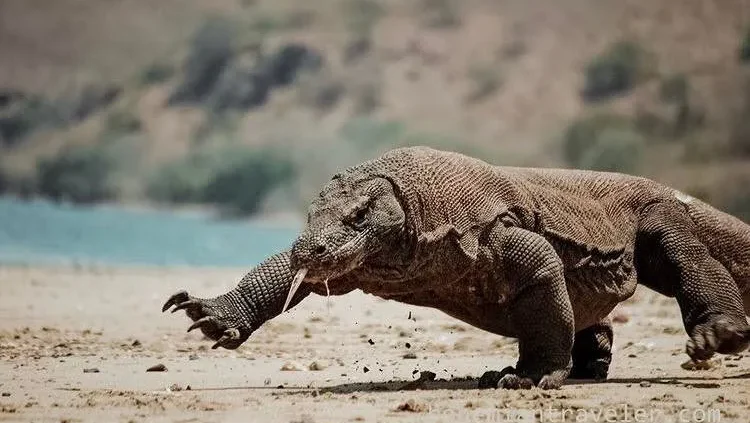
Per comprendere meglio la durata della vita Draghi di Komodo, esaminiamo passo dopo passo le diverse fasi della loro vita.
1. Incubation (7–8 Months)
Female Komodo dragons lay a clutch of around 15–30 eggs (commonly cited around 20–21) inside megapode bird mounds or self-dug burrows, which provide stable temperature and humidity. Incubation lasts roughly 220 days, or about 7–8 months, with temperature during incubation influencing hatchling sex ratios.
2. Hatchling Stage (0–1 Year): Life in the Trees
Newly hatched Komodo dragons emerge at just 30–40 cm long and 80–100 grams, a fraction of their eventual adult size. Within hours of digging out of the nest, hatchlings climb straight into the tree canopy, where they will spend nearly all their time for the next year or so.
This arboreal lifestyle isn’t optional, it’s survival. Adult Komodo dragons are cannibalistic and will readily eat hatchlings and juveniles they encounter on the ground. Living in trees keeps young dragons safely out of reach while they feed on insects, small lizards, and birds’ eggs.
3. Juvenile Stage (1–3 Years): The Transition Begins
As they grow, juveniles gradually shift from a nearly exclusive arboreal existence toward more time on the ground, though they remain cautious. Field studies tracking immature Komodo dragons found hatchlings were arboreal roughly 98% of the time, while juveniles had already shifted to spending about 71% of their time on the ground, evidence of a clear, progressive transition rather than an abrupt switch. This period typically spans the first two to three years of life, somewhat shorter than older estimates once suggested.
4. Sub-Adult Stage (3–7 Years): Building Toward Dominance
By this stage, young dragons are largely terrestrial, growing rapidly, and beginning to hunt larger prey like rodents, birds, and smaller mammals. They’re still vulnerable to larger adults and continue to avoid direct confrontation with dominant individuals.
5. Sexual Maturity (7–10 Years)
Komodo dragons reach sexual maturity later than many reptiles of comparable size. Research indicates females typically mature around 7–10 years old, while males mature slightly later, around 8–10 years. Once mature, they begin participating in the annual breeding season, typically between June and August, competing for mates and nesting sites.
6. Adulthood (10+ Years): Apex Predator Status
Fully mature Komodo dragons dominate their island ecosystems with no natural predators. Adults can reach 2.5–3 meters in length and 60–90 kg in the wild, powerful enough to take down prey as large as deer, wild boar, and water buffalo using a combination of serrated teeth and a venomous bite that impairs blood clotting and lowers prey blood pressure. This apex status defines the remainder of their 20–30 year lifespan.
Cosa influenza drago di Komodo ?
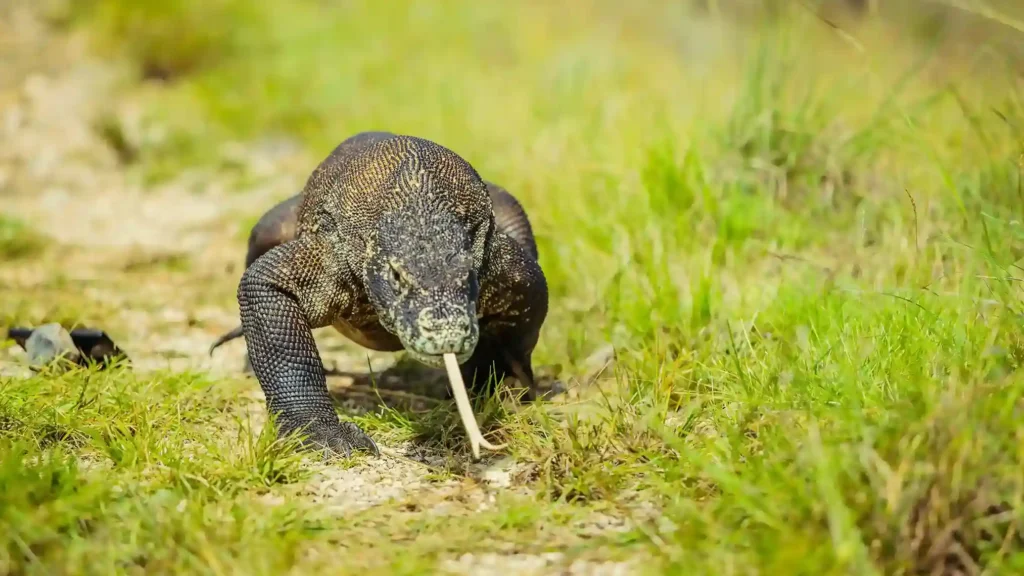
Ora che conosci le nozioni di base sulla loro durata di vita, vediamo quali sono i fattori che determinano quanto Draghi di Komodo .
- Ambiente e habitat
Draghi di Komodo selvatici vivono Draghi di Komodo in diverse isole dell'Indonesia, in particolare nelle foreste di savana tropicale di Nusa Tenggara Orientale, dove le condizioni sono spesso difficili. Sono esposti a rischi costanti legati alla perdita dell'habitat, ai disastri naturali e alla diminuzione drago di Komodo di prede drago di Komodo . Ciò riduce la loro aspettativa di vita rispetto a quella degli esemplari in cattività, dove la temperatura corporea e l'ambiente sono attentamente monitorati. - Salute e alimentazione
Proprio come per gli esseri umani, ciò che Draghi di Komodo gioca un ruolo fondamentale nella loro longevità. In natura, la malnutrizione può verificarsi se le prede scarseggiano a causa dell'intervento umano o dello squilibrio dell'ecosistema. In cattività, invece, ricevono pasti equilibrati studiati per mantenere la loro salute. Questo contrasto spiega perché i draghi in cattività possono vivere più a lungo e in modo più sano rispetto ai loro simili selvatici. - Iniziative di conservazione
I programmi incentrati sulla protezione drago di Komodo, come quelli del Parco Nazionale di Komodo, creano ambienti più sicuri, consentendo a queste specie in via di estinzione di prosperare più a lungo. Senza queste misure, la loro aspettativa di vita media potrebbe essere significativamente più breve e le generazioni future potrebbero conoscerli solo come leggende, al pari dei racconti su altri draghi. - Attività umana
Il bracconaggio, la caccia illegale delle prede e la distruzione dell'habitat incidono direttamente drago di Komodo . Più siamo responsabili come viaggiatori e sostenitori della conservazione, maggiori saranno le possibilità che questi incredibili rettili abbiano di sopravvivere nei decenni a venire.
Leggi di Più: Il momento migliore della giornata per vedere Draghi di Komodo
What Kills Komodo Dragons? Mortality by Life Stage
- Eggs: nest predation (including other monitors), flooding, desiccation.
- Hatchlings/juveniles: cannibalism by adults, birds of prey, snakes, starvation.
- Adults: combat wounds from rival males, injuries from large prey such as buffalo, drought-year starvation, disease and parasites.
- Seniors: age-related decline compounding otherwise survivable injuries.
The pattern is a funnel: of a ~21-egg clutch, only a handful of dragons reach maturity, and only the toughest of those reach 25. Every big male dozing beside a ranger post is a statistical survivor several times over.
How Do Scientists Know a Dragon’s Age?
There is no birth certificate in the savanna. Researchers rely on three methods: long-term mark-recapture programs in Komodo National Park (individuals tagged and re-encountered across decades), known-age zoo records, and growth-curve modelling from body measurements. That third method is the source of the famous “62-year” figure — an extrapolated ceiling, not a measured dragon, which is why serious references stick to ~30 years.
Allora, quanto Draghi di Komodo ?
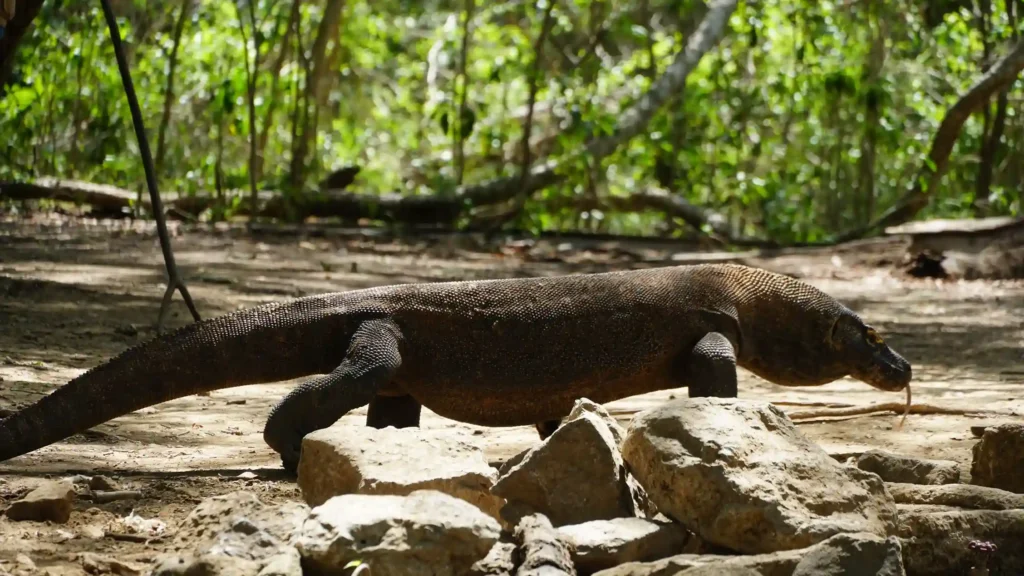
Quando ci si chiede:«Quanto Draghi di Komodo ?», la risposta non si riduce a una semplice cifra. Dipende infatti molto dalle loro condizioni di vita, dal fatto che crescano in natura o in cattività.
| Context | Durata di vita | Source basis |
| Wild, typical | ~30 years | Smithsonian National Zoo; mark-recapture field studies |
| Captivity, typical | 20–30+ years | Zoo records |
| Captivity, median (managed care) | 19.5 yrs (males) / 12.9 yrs (females) | AZA data via San Diego Zoo fact sheet |
| Best-documented maximums | ~33 yrs (Fluffy, LA Zoo); 30 yrs (Loka, Calgary Zoo) | Zoo longevity records |
| 50–62-year claims | Unverified | Growth-curve extrapolation, anecdote (HAGR database) |
- In natura, Draghi di Komodo vivono Draghi di Komodo circa 30 anni, anche se la maggior parte delle fonti indica una durata della vita compresa tra i 15 e i 30 anni. La vita nel loro habitat naturale è piena di sfide: i draghi giovani spesso devono sfuggire a predatori come uccelli, serpenti e persino Komodo adulti, mentre quelli più anziani devono affrontare carenze di cibo, scontri territoriali e l'interferenza umana. Devono competere con altre specie per il cibo e talvolta cacciano persino prede di grandi dimensioni per sopravvivere. Tutti questi rischi rendono difficile per molti raggiungere la loro età potenziale massima.
- In cattività, la situazione è ben diversa. Grazie a un'alimentazione regolare, alle cure veterinarie e alla protezione dai predatori, Draghi di Komodo vivere dai 20 ai 30 anni e oltre. Infatti, alcuni esemplari ospitati in zoo ben gestiti, come lo Zoo Nazionale, e nei programmi di riproduzione hanno addirittura superato questa media, dimostrando che cure adeguate possono prolungarne la longevità. In cattività, tendono anche a nutrirsi di insetti, piccoli mammiferi e altre diete controllate, affidandosi al loro acuto senso dell'olfatto per individuare il cibo, senza il rischio di un morso velenoso e fatale da parte dei rivali.
- Alcune stime aneddotiche vanno anche oltre, sostenendo che Draghi di Komodo superare i 60 anni in natura. Tuttavia, tali dati non sono stati verificati e non godono di ampio consenso nella comunità scientifica. Ciononostante, suscitano curiosità e mettono in luce quanto poco sappiamo realmente sui limiti estremi della drago di Komodo .
In definitiva, sia nei paesaggi aspri Isola di Komodo tra le mura protettive di uno zoo, questi rettili giganti danno prova di una straordinaria capacità di sopravvivenza. La loro aspettativa di vita ci dice non solo qualcosa sulla biologia, ma anche su quanto l’ambiente e l’intervento umano influenzino il loro percorso nel tempo.
Leggi di Più: drago di Komodo e realtàdrago di Komodo : non crederai a ciò che è vero!
Scopriamo Draghi di Komodo vicino Draghi di Komodo con Komodo Luxury!
Ma quanto Draghi di Komodo ? In media, questi rettili giganti possono vivere fino a 30 anni in natura e dai 20 ai 30 anni o più in cattività, a seconda dell’ambiente, della dieta e delle misure di conservazione adottate. Sebbene alcune testimonianze suggeriscano che possano raggiungere i 60 anni o più, ciò che conta davvero è quanto sia straordinario poter ammirare queste creature antiche ancora vive oggi.
Avvistare i draghi nelle diverse fasi della loro vita — dai giovani che vivono sugli alberi agli adulti dominanti — è molto più probabile partecipando a un tour “crociera immersioni ”crociera attraverso Parco Nazionale di Komodo, che tocca Komodo, Rinca e gli isolotti circostanti.
You can experience this wonder for yourself, join a Komodo Island Tour with Komodo Luxury and witness Komodo dragons in their natural habitat. Not only will you enjoy a premium sailing journey across stunning islands, but you’ll also be part of a sustainable travel experience that supports conservation. Don’t just read about them, come face-to-face with the world’s largest lizards in an adventure you’ll never forget. This is a once-in-a-lifetime chance to meet the legendary Komodo dragons in their natural home, an adventure only Komodo Luxury can deliver.