





Last updated: September 2026 · Prices & availability verified for the 2026/2027 season
Last updated: September 15, 2026
Dragon de Komodo Le varan de Komodo(Varanus komodoensis) est une légende vivante, un reptile géant qui arpente les îles tropicales d’ Indonésie , imposant une présence sans pareille. Mais même les créatures les plus féroces de la nature doivent se méfier. Alors, Dragon de Komodo le varan de Komodo a-t-il un ennemi ? Cette question peut sembler simple, mais la réponse révèle une histoire complexe mêlant survie, sélection naturelle et impact humain.
Nos guides n’ont assisté à un affrontement « Apex contre Apex » que deux fois en onze ans de randonnées quotidiennes — c’est l’observation la plus rare parmi les randonnées « Dragon Walks » incluses dans chacune de nos Navigation à Komodo itinéraire que nous organisons.
Dans cet article, nous allons découvrir les menaces qui pèsent sur l'Dragons de Komodo à différentes étapes de sa vie. Nous vous montrerons également comment observer ces magnifiques animaux de manière responsable.
Points clés à retenir
- Adult Komodo dragons have no natural predators and sit as the undisputed apex predator on every island they inhabit, but their greatest threat comes from within their own species.
- Cannibalism is the biggest natural danger to young dragons, with adults preying on hatchlings and juveniles, which is why hatchlings live in trees for their first few years to avoid being eaten.
- Once a Komodo dragon grows past roughly a meter and a half, nothing else on Komodo, Rinca, Flores, Gili Motang, or Nusa Kode is able to hunt it.
- The real long-term threat isn’t another predator but humans, through habitat loss, shrinking prey populations, and a warming, drying climate that threatens low-lying nesting areas.
- Only about 3,400 Komodo dragons remain in the wild, and the IUCN listed the species as Endangered in 2021, which is why ranger-led conservation tourism plays such an important role.
Dragon de Komodo: Le prédateur au sommet de la chaîne alimentaire des îles
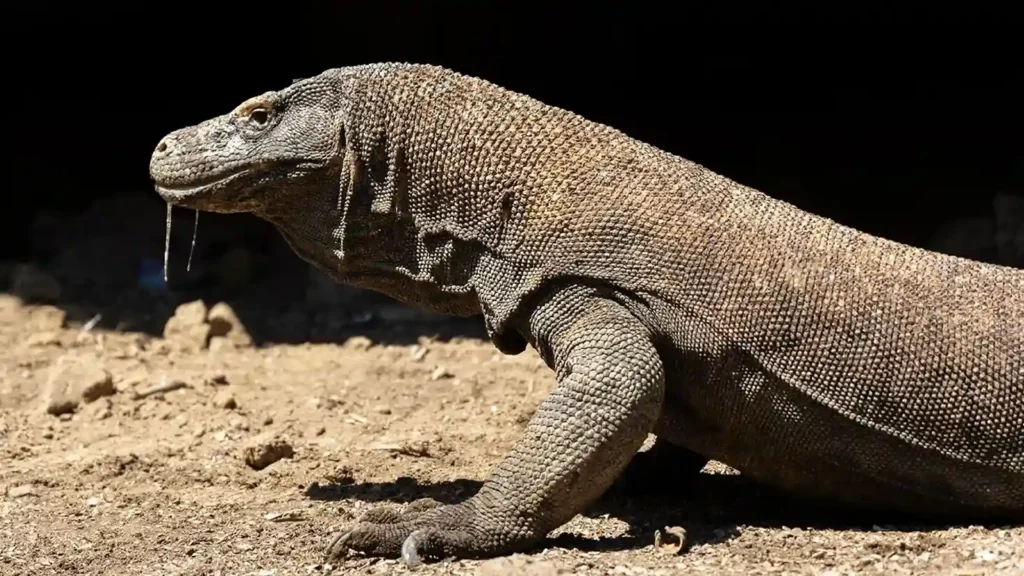
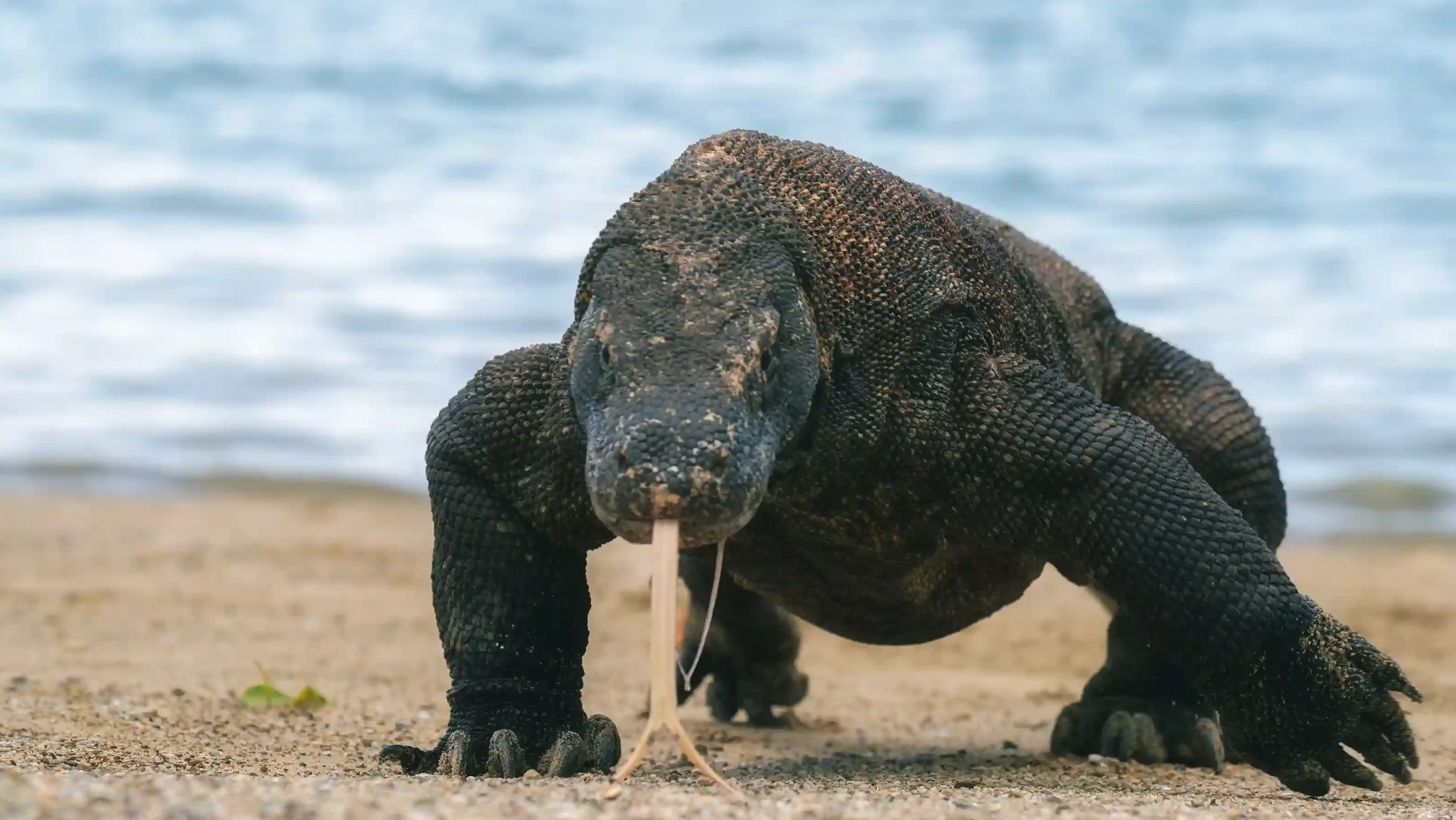
Dragons de Komodo sont les prédateurs au sommet de la chaîne alimentaire de leur écosystème. Les adultes peuvent mesurer plus de 3 mètres de long (10 pieds) et peser jusqu’à 150 kg (330 livres). Ils chassent avec discrétion, puissance et des armes biologiques : un mélange de salive venimeuse, de griffes acérées, de dents dentelées recouvertes de fer, ainsi que la capacité de traquer leurs proies blessées sur des kilomètres. Ils s’attaquent aux cerfs, aux cochons, aux buffles d’eau et, parfois même, aux chevaux.
Une fois qu’un animal a été mordu, le venin et les bactéries du varan de Komodo commencent à agir, provoquant une hémorragie, une paralysie et un état de choc. Le varan de Komodo suit alors sa victime jusqu’à ce qu’elle s’effondre, souvent plusieurs heures ou plusieurs jours plus tard. Dans leur milieu naturel, les varans de Komodo adultes ( Dragons de Komodo ) n’ont pas de prédateurs naturels. Ils règnent sur leur territoire en tant que chasseurs au sommet de la chaîne alimentaire, et aucun autre animal de l’ Îles de Komodo e ne peut sérieusement les menacer, du moins tant qu’ils sont en bonne santé et ayant atteint leur taille adulte.
The Hidden Threat: Cannibalism Among Komodo Dragons
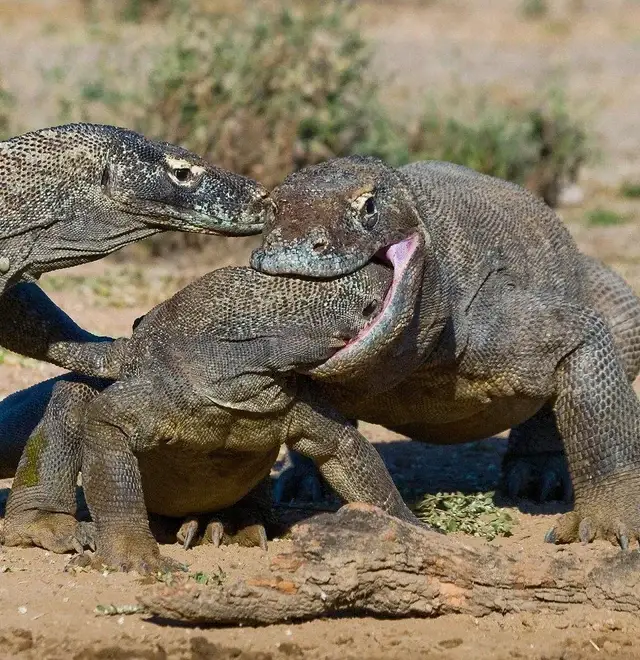
One of the most brutal and surprising threats to Komodo dragons is the danger that comes from within their own species. Cannibalism is a well-documented behavior among Komodo dragons, with adult individuals frequently preying on hatchlings and juveniles. It’s estimated that up to 10% of an adult Komodo’s diet can consist of younger Komodos. This forces hatchlings to seek refuge in trees shortly after hatching, often within just a few hours, where they spend their first years feeding on insects, small birds, and reptiles until they grow large enough to defend themselves on the ground.
This survival instinct reveals how harsh the early life of a Komodo dragon can be. Instead of facing external predators, hatchlings must constantly avoid being eaten by their older, more powerful relatives. It highlights a rarely discussed reality: the apex predator’s greatest threat in early life is not another species, it’s the apex predator itself.
Lire la Suite: À quel point Dragons de Komodo sont-ils dangereux ? Découvrez la vérité sur ces créatures
Human Impact and Conservation Efforts
Although Komodo dragons have no natural predators once they reach adulthood, they are increasingly vulnerable to the growing presence and impact of humans. Habitat loss from deforestation, expanding agriculture, and infrastructure development has significantly reduced their natural living space, while overhunting of prey species like deer and wild pigs has made it harder for Komodos to find food. Beyond that, illegal trade, pollution, and direct human-wildlife conflict add further pressure, and rising sea levels from climate change threaten the low-lying nesting areas these dragons depend on.
To address these challenges, Indonesia has implemented conservation programs centered around Komodo National Park, a UNESCO World Heritage Site, with strict regulations on tourism, habitat protection, and population monitoring. Conservation organizations and local communities are also actively involved in sustainable tourism and educational initiatives, aiming to protect the Komodo dragon while ensuring local residents benefit economically without compromising the fragile ecosystem. Through this collaboration, conservation efforts play a vital role in keeping the Komodo dragon from becoming a mere legend of the wild.
Les actions de préservation et leur importance

Bien que les « Dragons de Komodo » se situent au sommet de la chaîne alimentaire, ils ne sont pas invincibles. Au cours des dernières décennies, les pressions environnementales et l’activité humaine ont fait peser des risques importants sur leur survie. L’une des menaces les plus pressantes est la perte d’habitat, due au développement des infrastructures, à l’expansion du tourisme et au changement climatique. L’élévation du niveau de la mer et la hausse des températures modifient progressivement les écosystèmes côtiers dont dépendent les « Dragons de Komodo », notamment pour la nidification et la chasse.
Pour relever ces défis, l’organisation « Indonésie » a mis en place divers programmes de conservation axés sur l’ Parc National de Komodo, site classé au patrimoine mondial de l’UNESCO. Cette aire protégée constitue un sanctuaire essentiel pour l’espèce, avec une réglementation stricte en matière de tourisme, de protection de l’habitat et de suivi des populations. Au-delà des efforts du gouvernement, les organisations de protection de la nature et les communautés locales s’impliquent également activement dans des initiatives de tourisme durable et d’éducation. Ces programmes visent non seulement à protéger l’ Dragons de Komodo , mais aussi à garantir que les habitants de la région en tirent un bénéfice économique sans compromettre la fragilité de l’écosystème. Grâce à la collaboration et à la sensibilisation, les efforts de conservation jouent un rôle essentiel pour empêcher que l’ Dragon de Komodo ne devienne qu’une simple légende de la nature sauvage.
Alors, l'Dragon de Komodo e a-t-il un ennemi ?
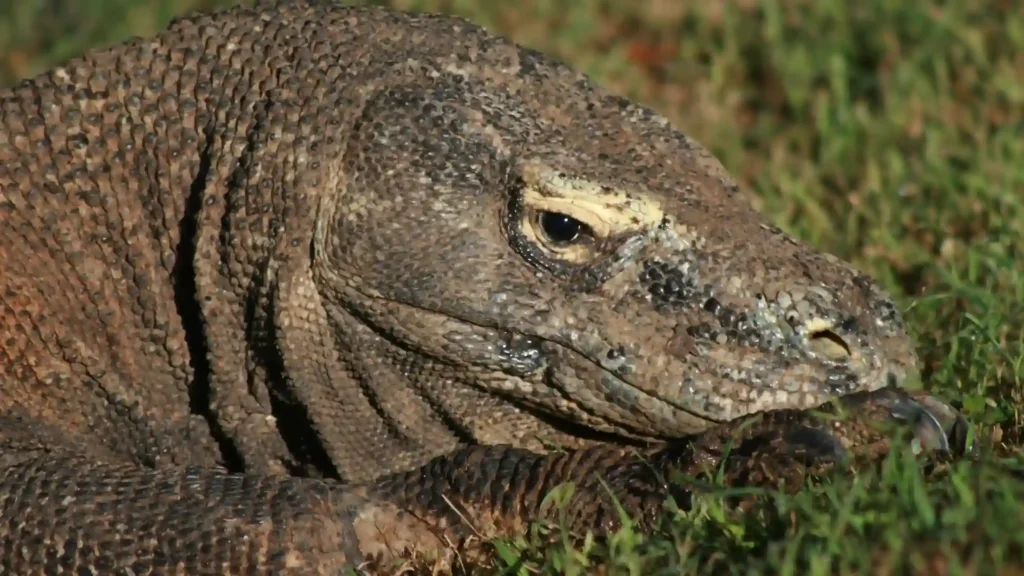
Yes, but not in the form of lions, tigers, or bears. The Komodo dragon’s real enemies are its own kind in youth, and human expansion in adulthood. Understanding these factors shifts the conversation from awe to action. Protecting this ancient reptile is no longer a matter of curiosity but of urgent responsibility. The Komodo dragon may dominate its natural world, but it’s our world that determines whether it survives. Travelers who want to observe this apex predator across several islands in one trip usually choose a multi-day Komodo liveaboard itinerary, which combines ranger-led treks with time in the park’s protected marine zones.
Read more: Komodo Dragon (Varanus komodoensis): The Complete Guide to the World’s Largest Lizard
Allons voir « L'Dragon de Komodo » de manière responsable avec « Komodo Luxury » !
If you’re fascinated by the mighty Komodo dragon and feel inspired to witness it in real life, there’s a way to do it responsibly and memorably. Join the Komodo Island Tour with Komodo Luxury, a curated sailing experience that showcases the majestic beauty of Komodo Island while aligning with sustainable travel principles. Travelers who want to observe this apex predator across several islands in one trip usually choose a multi-day Komodo liveaboard itinerary, which combines ranger-led treks with time in the park’s protected marine zones, or trek with ranger-guides on the 3D2N shared trip.
The experience goes beyond just a photo opportunity, it’s about creating meaningful, low-impact encounters that leave you in awe without leaving a trace. Whether you prefer the company of a shared open trip or want to charter a private phinisi and stay for the quiet hours, Komodo Luxury lets you witness the Komodo dragon up close while respecting national park guidelines and supporting local communities, all with expert Komodo yacht charter fleets to choose from.

Par l'équipe d'expédition d'Komodo Luxury — un tour-opérateur agréé Parc National de Komodo organisant des expéditions quotidiennes depuis Labuan Bajo depuis 2015. Flotte, tarifs et itinéraires : Komodo location de yacht.