






Última actualización: julio de 2026 · Precios y disponibilidad verificados para la temporada 2026/2027
El varano de Komodo( dragón de Komodo), o Varanus komodoensis, es uno de los depredadores más grandes y temibles del mundo de los reptiles. Con una longitud corporal de hasta 3 metros y un peso de más de 70 kilogramos, el varano de Komodo ( dragón de Komodo ) se erige como el lagarto más grande del planeta. Sin embargo, sigue habiendo una pregunta habitual: ¿De dónde es originario el varano de Komodo ( dragón de Komodo )? ¿Son realmente autóctonos de Indonesia? ¿Y cómo acabaron en las remotas islas de Indonesia?
En este artículo, analizaremos en profundidad los orígenes del « dragón de Komodo », desde su trayectoria evolutiva hasta las pruebas históricas que lo vinculan tanto con Australia como con Indonesia.
Dragones de Komodo: Los orígenes de un viaje ancestral

Dragones de Komodo actualmente solo se encuentran en Indonesia, concretamente en algunas islas remotas como Komodo, Rinca, y Gili Motang. Sin embargo, si nos fijamos en el historial fósil, los Dragones de Komodo no son originarios de Indonesia. Según una investigación publicada por ScienceDaily, los primeros fósiles de « dragón de Komodo » se encontraron en realidad en Australia continental y datan de hace unos 4 millones de años. Desde allí, estos lagartos gigantes emigraron al sudeste asiático, incluida Indonesia, a través de un puente terrestre conocido como la plataforma de Sunda.
Las investigaciones sugieren que, hace unos 900 000 años, los « Dragones de Komodo » se trasladaron desde Australia a las islas que hoy forman parte de Indonesia. Este hallazgo se ve respaldado por varios fósiles descubiertos en Flores Isla, que demuestran que los Dragones de Komodo han vivido en esta región durante miles de años.
¿Son Dragones de Komodo de Indonesia?
Aunque actualmente el dragón de Komodo ( Dragones de Komodo ) solo se encuentra en unas pocas islas indonesias, los estudios científicos indican que no es originario de esta zona. Tal y como revela ScienceDaily, los orígenes de la especie « Dragones de Komodo » se encuentran en realidad en Australia, desde donde se extendió a Indonesia durante el Pleistoceno. Pequeñas islas indonesias como Komodo y Rinca se convirtieron en el hogar definitivo de esta especie después de que el puente terrestre que unía Australia con el sudeste asiático desapareciera debido a la subida del nivel del mar hace unos 10 000 años.
Según el Instituto Nacional de Biología de la Conservación y el Zoo Nacional del Smithsonian, los « Dragones de Komodo » se encuentran ahora limitados a unas pocas islas de Indonesia. Esto pone de relieve el papel crucial que ha desempeñado el aislamiento geográfico en la supervivencia de estos animales en estos lugares remotos.
Leer Más: ¿Vive el « dragón de Komodo » en Australia? ¡Descubre los datos y visita Explore Isla de Komodo !
¿Cómo llegó « Dragones de Komodo » desde Australia hasta « Indonesia »?
Entonces, ¿cómo llegaron los « Dragones de Komodo » a « Indonesia »? La explicación más lógica es que migraron a través de la plataforma de Sunda, un puente terrestre que unía Australia y el sudeste asiático durante el Pleistoceno. En aquella época, el nivel del mar era mucho más bajo que hoy en día, lo que creó una ruta terrestre que permitió la migración de especies de gran tamaño como los « Dragones de Komodo ».
Sin embargo, cuando subió el nivel del mar, este puente terrestre desapareció y la población restante de « dragón de Komodo » en Indonesia quedó aislada en las pocas islas pequeñas que conocemos hoy en día. Islas como Komodo, Rinca, y Flores acabaron convirtiéndose en el último hábitat de estos lagartos gigantes.
¿Por qué los « Dragones de Komodo » solo se encuentran en Indonesia?
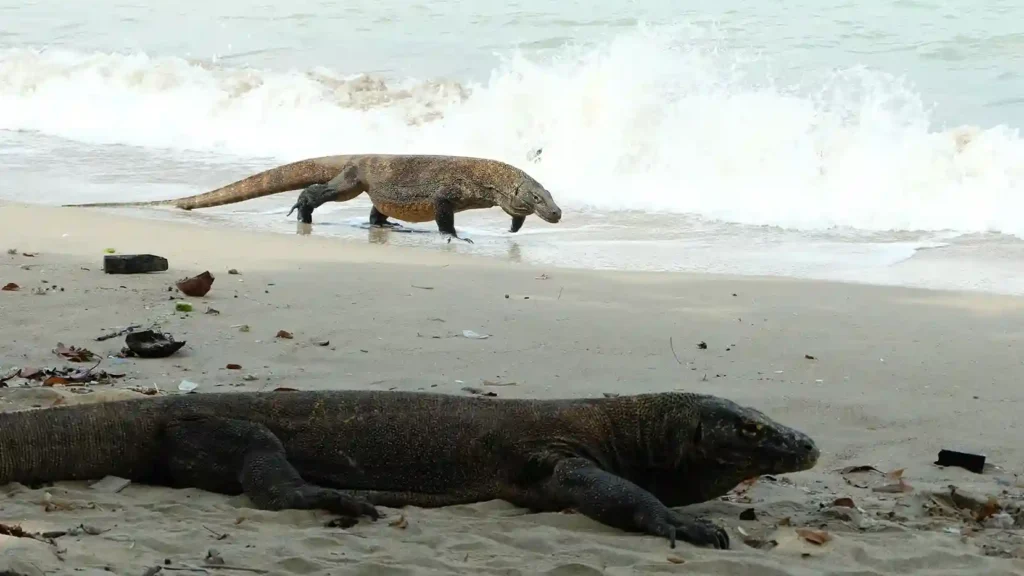
En la actualidad, Dragones de Komodo solo Dragones de Komodo encuentran en tres islas recónditas de Indonesia: Komodo, Rincay Gili Motang. Según NBC News, una de las principales razones por las que solo existen en estas islas es el aislamiento geográfico tras la subida del nivel del mar. Al quedar aislados de las grandes zonas continentales, Dragones de Komodo y se convirtieron en los principales depredadores de sus ecosistemas, sin mucha interferencia de otras especies de gran tamaño.
Los ecosistemas únicos de estas islas les proporcionan el entorno ideal para sobrevivir. Cazan animales de gran tamaño, como ciervos, jabalíes y búfalos, que constituyen su principal fuente de alimento.
Cómo Dragones de Komodo evolucionado y se han adaptado Dragones de Komodo
Como grandes depredadores, Dragones de Komodo varias características únicas que les ayudan a sobrevivir en entornos hostiles. Una de sus habilidades más importantes es su eficiente metabolismo, que les permite sobrevivir con una sola comida abundante durante varias semanas.
Otra adaptación que les ayuda a prosperar en estas islas es su increíble destreza para cazar. Dragones de Komodo mordeduras venenosas que contienen bacterias mortales. Son capaces de inmovilizar a presas de gran tamaño, como búfalos y ciervos, y luego esperar a que los animales mueran a causa de la infección.
Los investigadores siguen estudiando si esta mordedura venenosa se debe a auténticas glándulas venenosas o a las bacterias presentes en la saliva del dragón.
¿En qué medida se parecen Dragones de Komodo los dinosaurios?
Mucha gente cree que Dragones de Komodo emparentados con los dinosaurios. Aunque no son dinosaurios, según una investigación del Zoológico Nacional del Smithsonian, pertenecen a la familia de los varánidos, que existe desde la antigüedad. Aunque los dinosaurios se han extinguido, Dragones de Komodo sobreviviendo como uno de los depredadores más grandes que aún viven hoy en día.
Leer Más: Maravillas de la fauna: desde los canguros de Australia hasta Dragones de Komodo Indonesia
Exploración del hábitat de la especie « Dragones de Komodo » en Indonesia
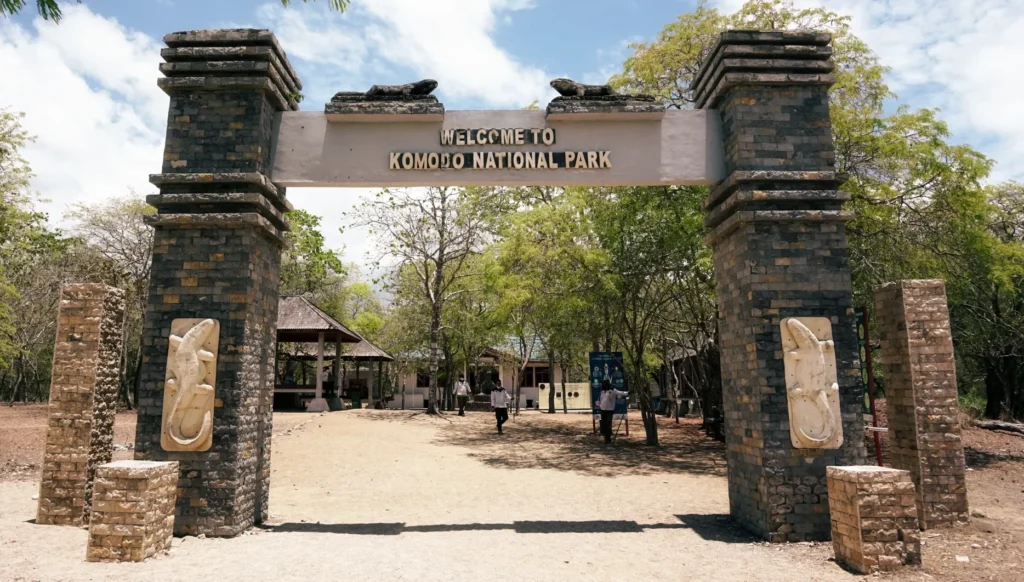
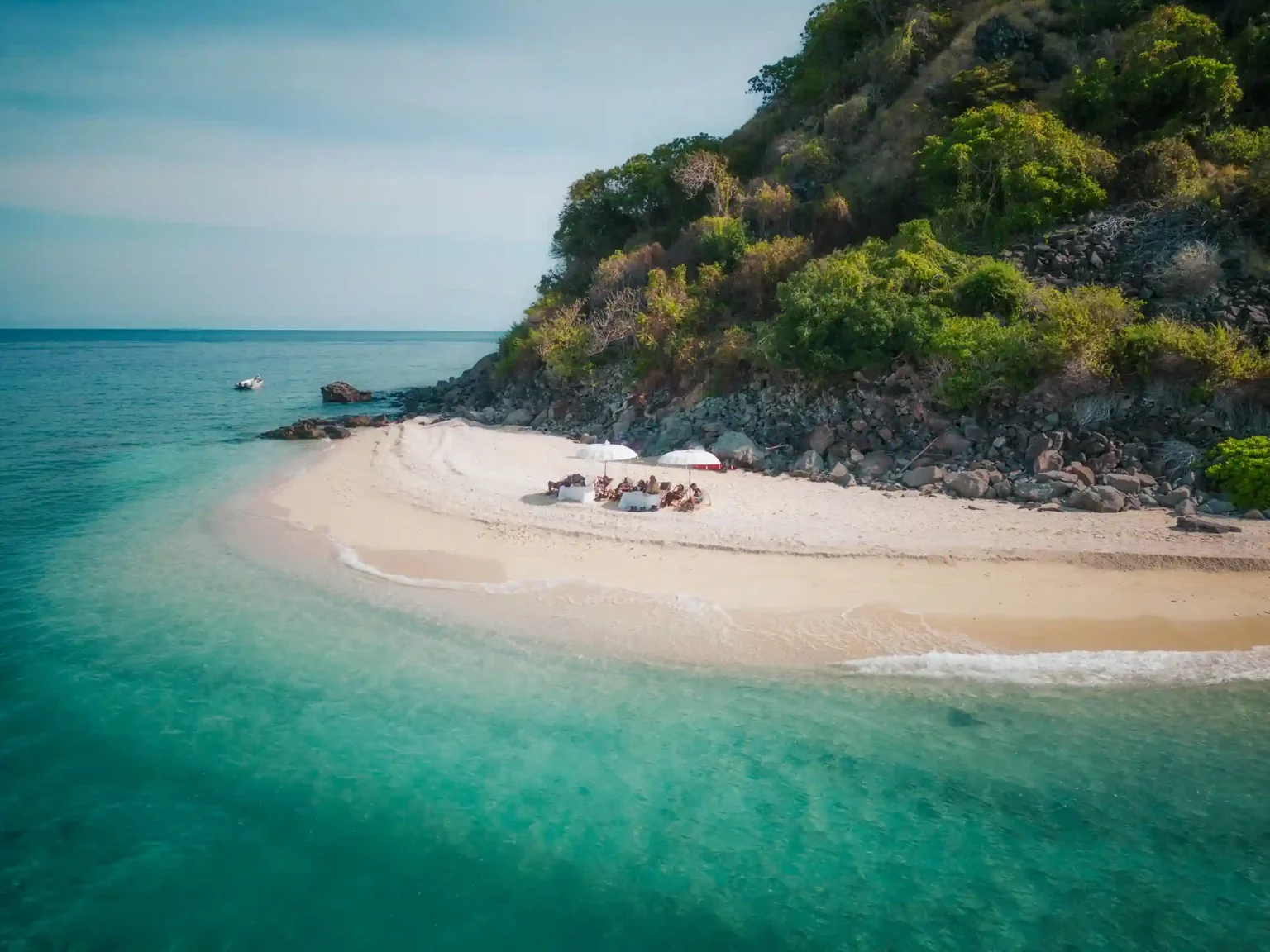
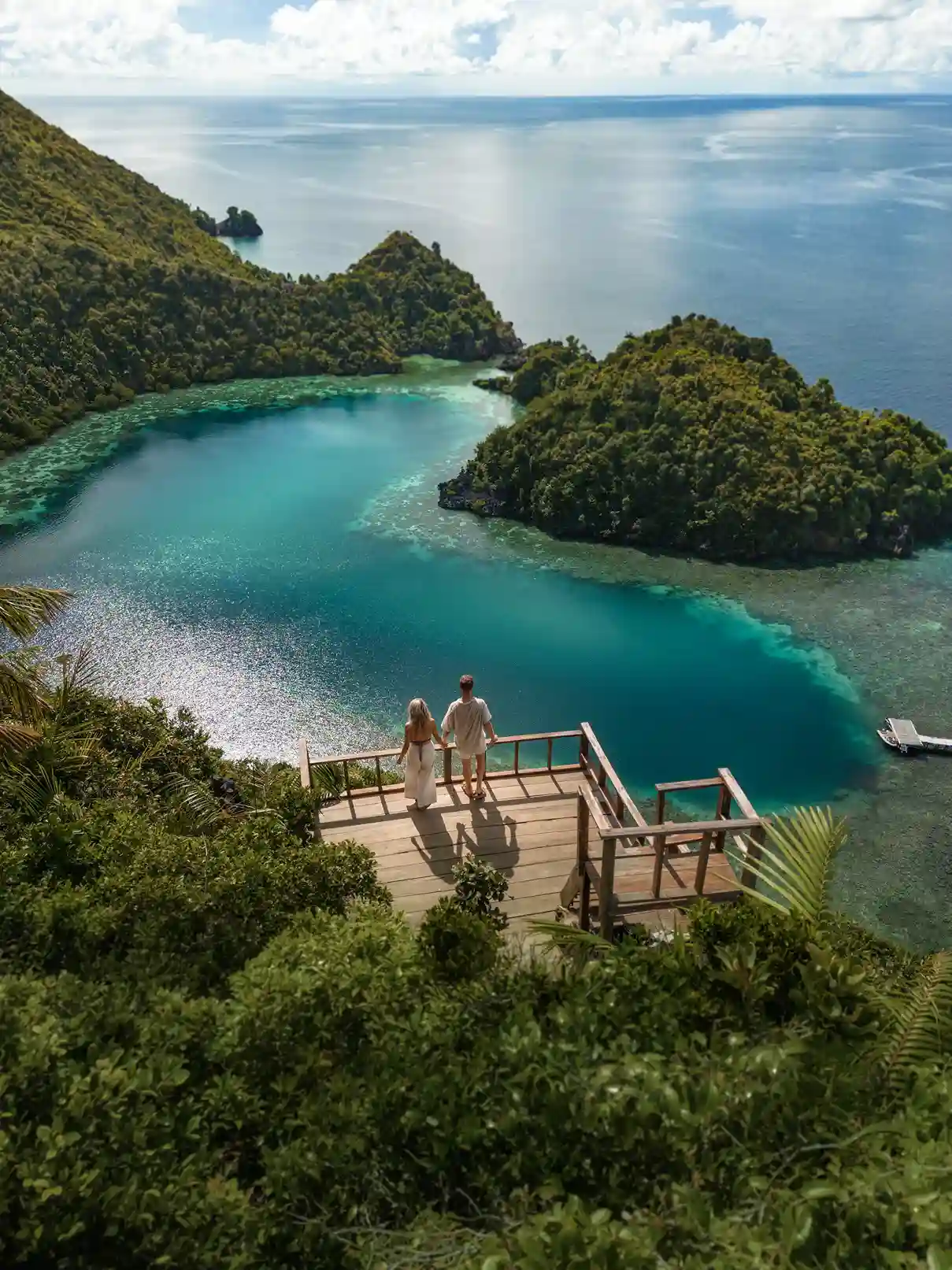
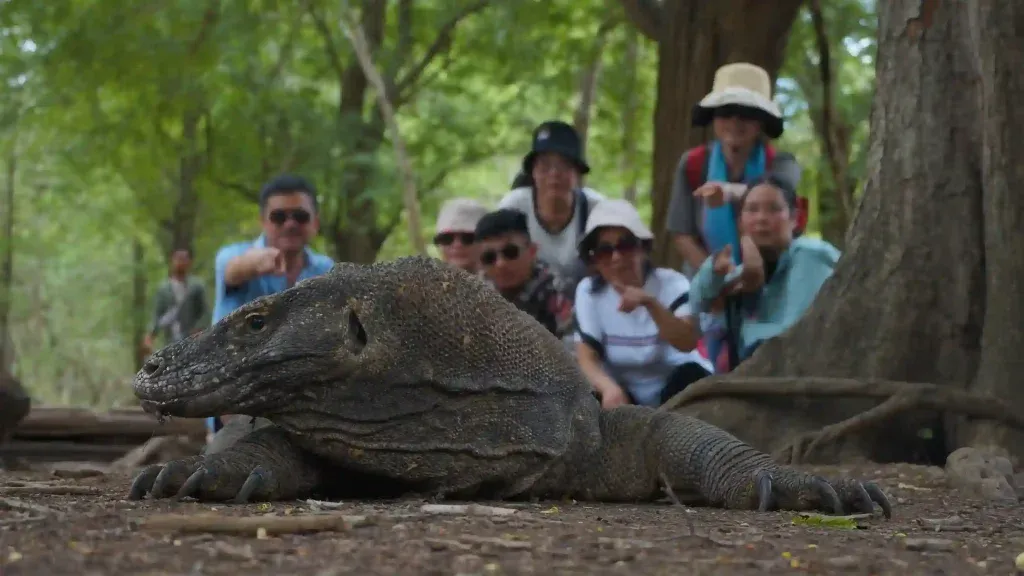
Si te interesa ver a los « Dragones de Komodo » en su hábitat natural, « Parque Nacional de Komodo », en « Indonesia », es el destino perfecto. Estas islas no solo albergan a estos lagartos gigantes, sino que también ofrecen unas vistas naturales impresionantes, desde verdes colinas hasta playas de arena blanca y un mar azul cristalino.
Algunas de las actividades que puedes realizar en Parque Nacional de Komodo :
- Senderismo en el hábitat natural del dragón de Komodo
- snorkel las aguas de Komodo, famosas por sus hermosos arrecifes de coral
- recorrido por las islas como las pequeñas islas recorrido por las islas Padar y Rinca
Conclusión: Los orígenes y la trayectoria de Dragones de Komodo

Aunque los dragones de Komodo ( Dragones de Komodo ) solo se encuentran actualmente en Indonesia, los restos fósiles demuestran que se originaron en Australia continental y emigraron a Indonesia hace millones de años. Debido a los cambios geológicos y al aislamiento geográfico, ahora se encuentran confinados en unas pocas islas pequeñas de Indonesia, como Komodo y Rinca. Dragones de Komodo han evolucionado hasta convertirse en grandes depredadores que dominan sus ecosistemas locales, y constituyen una de las especies ancestrales más fascinantes que aún viven hoy en día. Para aquellos que estén deseando conocer de cerca Dragones de Komodo y disfrutar de los impresionantes paisajes de Parque Nacional de Komodo, no dejéis de explorar el Isla de Komodo Paquetes Turísticos desde Komodo Luxury. Se trata de una oportunidad única para observar a una de las criaturas más extraordinarias del planeta en su entorno natural.