





Last updated: September 2026 · Prices & availability verified for the 2026/2027 season
Last updated: September 16, 2026
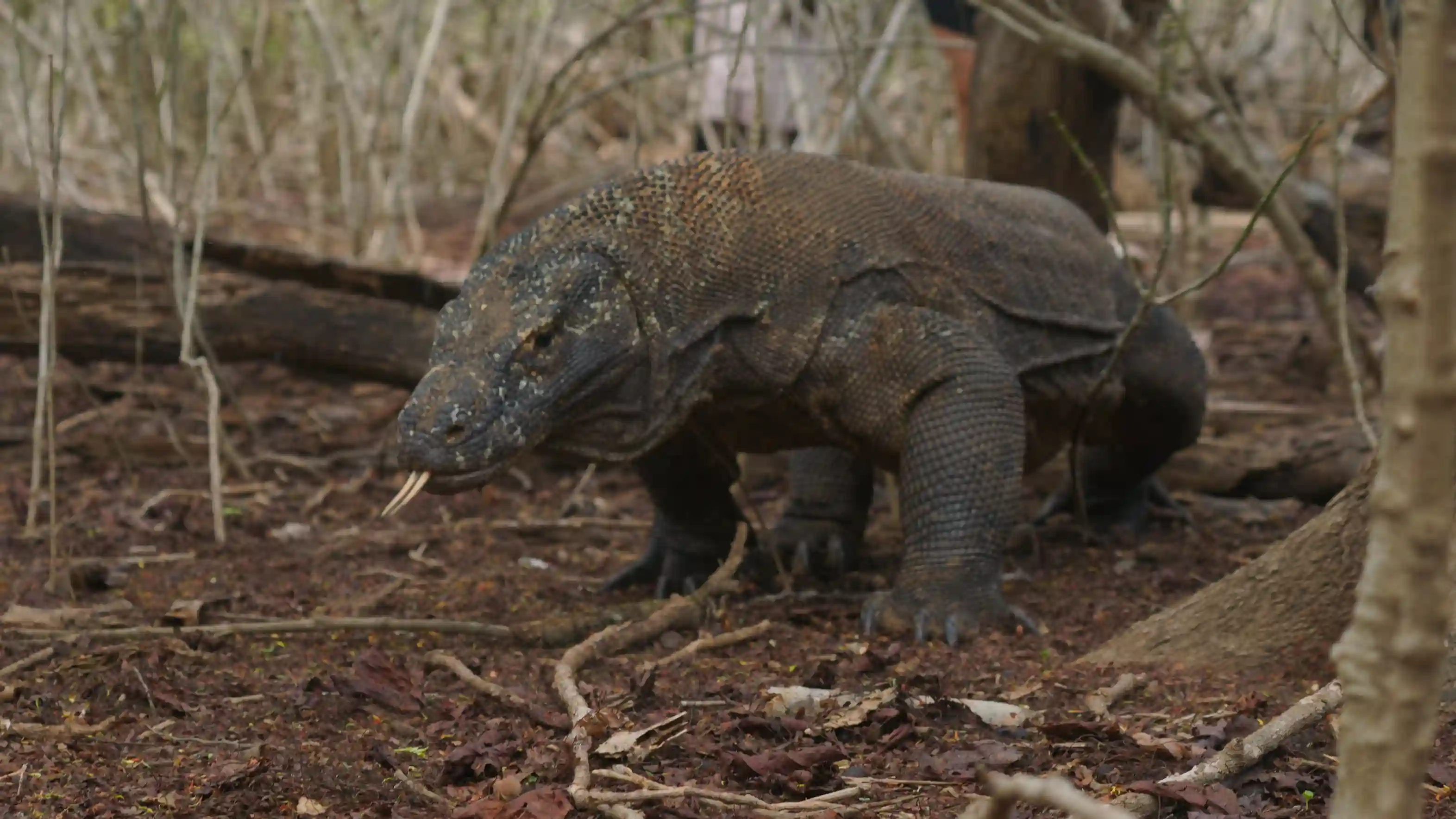
Have you ever found yourself wondering, “How long do Komodo dragons live?” These giant reptiles have captured global fascination not just for their size and power, but for the mystery surrounding their longevity. Komodo dragons live about 30 years in the wild, according to the Smithsonian’s National Zoo, and typically 20–30 years when they survive to adulthood, with individuals in professional care occasionally living longer under consistent veterinary attention.
In this article, you’ll learn the real facts about the Komodo dragon lifespan, you’ll also learn why this matters to you as a traveler, as a conservationist, and as someone who loves the natural world. So let’s dive into the life of this legendary predator and find out just how many years a Komodo dragon can actually live.
Puntos clave
- Komodo dragons live an average of 30 years in the wild and typically 20–30 years overall, with select captive individuals like Fluffy at the Los Angeles Zoo reaching around 33 years.
- Hatchlings spend their first year almost entirely in trees to escape cannibalistic adults, gradually shifting to a mostly terrestrial life by the juvenile stage around 2–3 years old.
- Sexual maturity arrives late compared to other reptiles, females around 7–10 years and males around 8–10 years, before dragons enter full adulthood as apex predators.
- Claims of Komodo dragons living 50 years or more are not supported by peer-reviewed research; verified records top out in the low-30s to low-40s range.
- Wild dragons can only be seen in Komodo National Park, Indonesia, and the safest way to witness their full life cycle up close is through a ranger-led tour with an experienced local operator.
How Long Do Komodo Dragons Live in the Wild?
In their natural habitat across Komodo, Rinca, Flores, Gili Motang, and Gili Dasami, Komodo dragons face a harsh survival gauntlet. Most hatchlings never reach adulthood, and the ones that do typically live around 30 years, though wild females tend to disappear from long-term mark-recapture studies earlier than males, often by their late 20s, likely due to the physical toll of egg-laying and nest defense.
Males, being larger and less vulnerable to predation once mature, may push toward the upper end of that range or slightly beyond in undisturbed populations.
How Long Do Komodo Dragons Live in Captivity?
Captive Komodo dragons often benefit from steady food supply, veterinary care, and zero predation risk, factors that can modestly extend their lifespan compared to the wild. According to data from the Association of Zoos and Aquariums (AZA), the median lifespan in professional care is approximately 19.5 years for females and 12.9 years for males, though these medians reflect a mix of ages at death across a population and don’t represent a hard ceiling.
Some individuals have significantly outlived those medians. Fluffy, a Komodo dragon at the Los Angeles Zoo, lived to approximately 33 years old, one of the longest documented lifespans for the species. Loka, at the Calgary Zoo, reached around 30 years. These standout cases show that with the right conditions, Komodo dragons can substantially exceed typical captive averages.
You may encounter anecdotal claims online of Komodo dragons living 50, 60, or even 70+ years. These figures are not supported by peer-reviewed data. The most rigorous long-term studies, including genetic and mark-recapture research such as Laver et al. (2012), have not confirmed any wild or captive individual conclusively surviving past the low-40s range, and most verified records sit well below that. Treat any lifespan claim beyond roughly 30–35 years as unverified until backed by a documented, tracked individual.
Por qué te importa dragón de Komodo
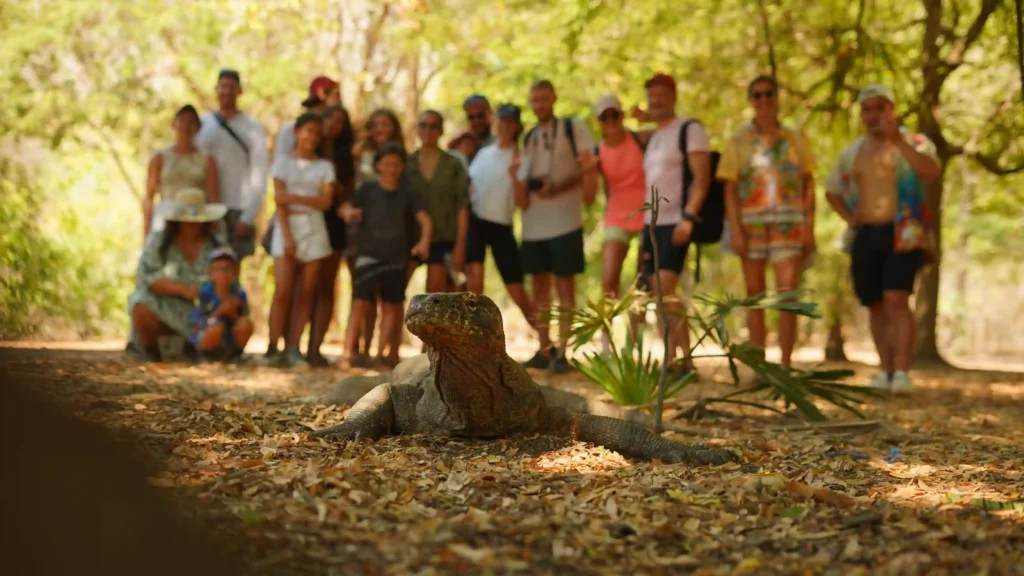
Llegados a este punto, quizá te preguntes: «¿Por qué debería importarme cuánto Dragones de Komodo ?». La respuesta va más allá de la simple curiosidad; se trata de la conservación y de la conexión. Cuando visitas lugares como Parque Nacional de Komodo, no eres solo un turista. Estás entrando en el hábitat de una especie que ha sobrevivido durante millones de años.
Al conocer su esperanza de vida, te das cuenta mejor de los retos a los que se enfrentan y de la importancia de protegerlos. Cada decisión respetuosa con el medio ambiente que tomes, desde apoyar a los operadores turísticos responsables hasta respetar las normas de los parques, contribuye a su supervivencia. En otras palabras, conocer la longevidad de Dragones de Komodo te Dragones de Komodo formar parte de su futuro.
The Komodo Dragon Life Cycle: From Egg to Apex Predator
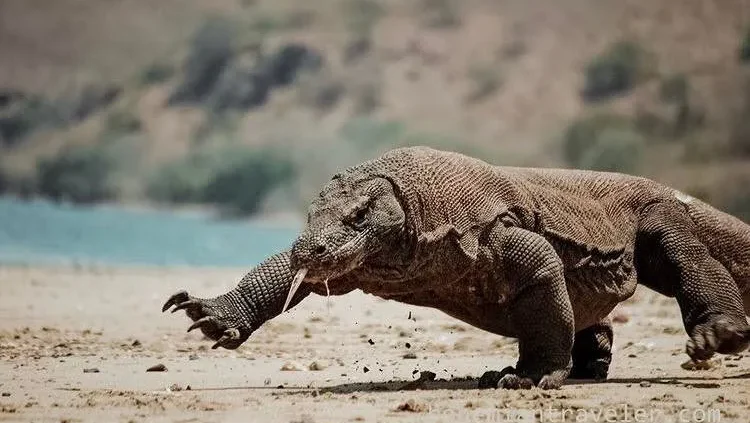
Para comprender mejor la esperanza de vida de Dragones de Komodo, repasemos paso a paso las etapas de su vida.
1. Incubation (7–8 Months)
Female Komodo dragons lay a clutch of around 15–30 eggs (commonly cited around 20–21) inside megapode bird mounds or self-dug burrows, which provide stable temperature and humidity. Incubation lasts roughly 220 days, or about 7–8 months, with temperature during incubation influencing hatchling sex ratios.
2. Hatchling Stage (0–1 Year): Life in the Trees
Newly hatched Komodo dragons emerge at just 30–40 cm long and 80–100 grams, a fraction of their eventual adult size. Within hours of digging out of the nest, hatchlings climb straight into the tree canopy, where they will spend nearly all their time for the next year or so.
This arboreal lifestyle isn’t optional, it’s survival. Adult Komodo dragons are cannibalistic and will readily eat hatchlings and juveniles they encounter on the ground. Living in trees keeps young dragons safely out of reach while they feed on insects, small lizards, and birds’ eggs.
3. Juvenile Stage (1–3 Years): The Transition Begins
As they grow, juveniles gradually shift from a nearly exclusive arboreal existence toward more time on the ground, though they remain cautious. Field studies tracking immature Komodo dragons found hatchlings were arboreal roughly 98% of the time, while juveniles had already shifted to spending about 71% of their time on the ground, evidence of a clear, progressive transition rather than an abrupt switch. This period typically spans the first two to three years of life, somewhat shorter than older estimates once suggested.
4. Sub-Adult Stage (3–7 Years): Building Toward Dominance
By this stage, young dragons are largely terrestrial, growing rapidly, and beginning to hunt larger prey like rodents, birds, and smaller mammals. They’re still vulnerable to larger adults and continue to avoid direct confrontation with dominant individuals.
5. Sexual Maturity (7–10 Years)
Komodo dragons reach sexual maturity later than many reptiles of comparable size. Research indicates females typically mature around 7–10 years old, while males mature slightly later, around 8–10 years. Once mature, they begin participating in the annual breeding season, typically between June and August, competing for mates and nesting sites.
6. Adulthood (10+ Years): Apex Predator Status
Fully mature Komodo dragons dominate their island ecosystems with no natural predators. Adults can reach 2.5–3 meters in length and 60–90 kg in the wild, powerful enough to take down prey as large as deer, wild boar, and water buffalo using a combination of serrated teeth and a venomous bite that impairs blood clotting and lowers prey blood pressure. This apex status defines the remainder of their 20–30 year lifespan.
¿Qué factores influyen en dragón de Komodo ?
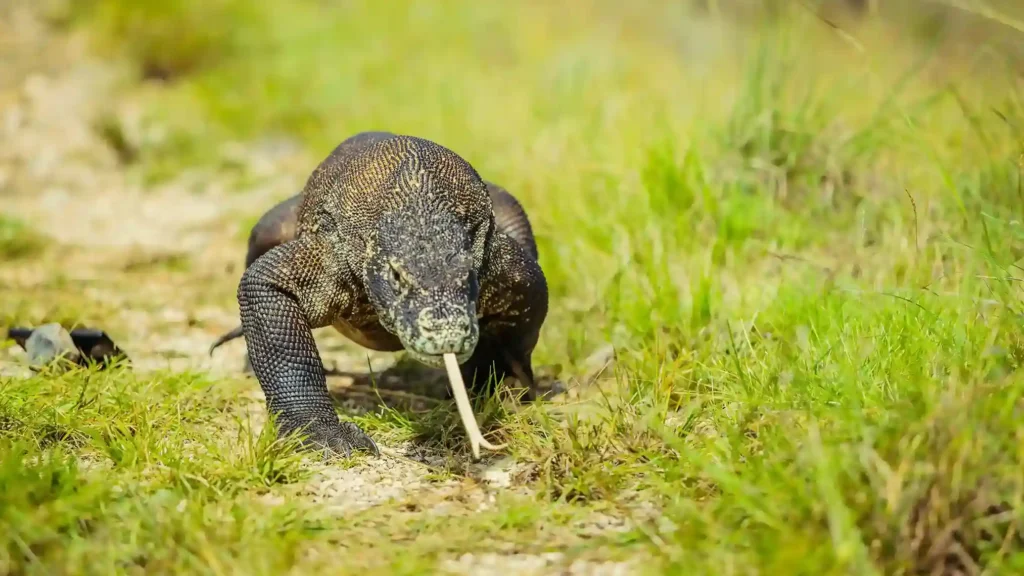
Ahora que ya conoces los aspectos básicos de su esperanza de vida, veamos los factores que determinan cuánto tiempo Dragones de Komodo .
- Entorno y hábitat
Dragones de Komodo salvajes viven Dragones de Komodo en varias islas de Indonesia, sobre todo en los bosques de sabana tropical de Nusa Tenggara Oriental, donde las condiciones suelen ser duras. Se enfrentan a riesgos constantes derivados de la pérdida de hábitat, los desastres naturales y la disminución dragón de Komodo de presas dragón de Komodo . Esto reduce su esperanza de vida en comparación con la de los ejemplares en cautividad, donde se controlan cuidadosamente su temperatura corporal y su entorno. - Salud y nutrición
Al igual que en los seres humanos, Dragones de Komodo desempeña un papel fundamental en su longevidad. En estado salvaje, puede producirse desnutrición si las presas escasean debido a la intervención humana o al desequilibrio del ecosistema. En cautividad, sin embargo, reciben una alimentación equilibrada diseñada para mantener su salud. Este contraste explica por qué los dragones en cautividad pueden vivir vidas más largas y saludables en comparación con sus congéneres salvajes. - Iniciativas de conservación
Los programas centrados en la protección dragón de Komodo, como los del Parque Nacional de Komodo, crean entornos más seguros, lo que permite que estas especies en peligro de extinción prosperen durante más tiempo. Sin estas medidas, su esperanza de vida media podría ser significativamente más corta, y las generaciones futuras quizá solo las conocieran como leyendas, junto con los cuentos de otros dragones. - Actividad humana
La caza furtiva, la caza ilegal de presas y la destrucción del hábitat afectan directamente a dragón de Komodo . Cuanto más responsables seamos como viajeros y defensores de la conservación, más posibilidades tendrán estos increíbles reptiles de sobrevivir en las próximas décadas.
Leer Más: La mejor hora del día para ver a Dragones de Komodo
What Kills Komodo Dragons? Mortality by Life Stage
- Eggs: nest predation (including other monitors), flooding, desiccation.
- Hatchlings/juveniles: cannibalism by adults, birds of prey, snakes, starvation.
- Adults: combat wounds from rival males, injuries from large prey such as buffalo, drought-year starvation, disease and parasites.
- Seniors: age-related decline compounding otherwise survivable injuries.
The pattern is a funnel: of a ~21-egg clutch, only a handful of dragons reach maturity, and only the toughest of those reach 25. Every big male dozing beside a ranger post is a statistical survivor several times over.
How Do Scientists Know a Dragon’s Age?
There is no birth certificate in the savanna. Researchers rely on three methods: long-term mark-recapture programs in Komodo National Park (individuals tagged and re-encountered across decades), known-age zoo records, and growth-curve modelling from body measurements. That third method is the source of the famous “62-year” figure — an extrapolated ceiling, not a measured dragon, which is why serious references stick to ~30 years.
Entonces, ¿cuánto Dragones de Komodo ?
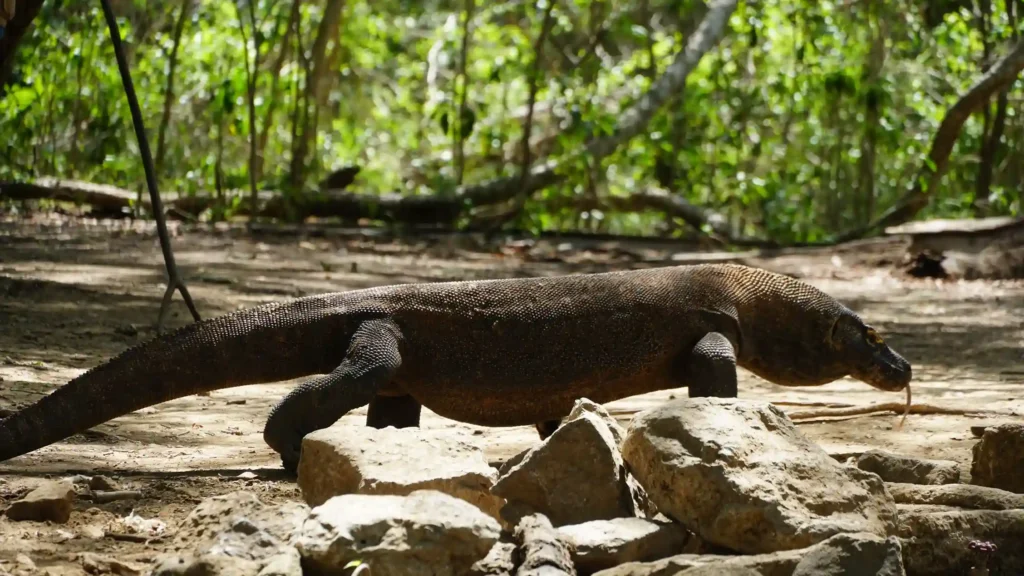
Cuando te preguntas:«¿Cuánto Dragones de Komodo ?», la respuesta no se reduce a una simple cifra. En realidad, depende en gran medida de sus condiciones de vida, es decir, de si crecen en libertad o bajo el cuidado de los humanos.
| Context | Esperanza de vida | Source basis |
| Wild, typical | ~30 years | Smithsonian National Zoo; mark-recapture field studies |
| Captivity, typical | 20–30+ years | Zoo records |
| Captivity, median (managed care) | 19.5 yrs (males) / 12.9 yrs (females) | AZA data via San Diego Zoo fact sheet |
| Best-documented maximums | ~33 yrs (Fluffy, LA Zoo); 30 yrs (Loka, Calgary Zoo) | Zoo longevity records |
| 50–62-year claims | Unverified | Growth-curve extrapolation, anecdote (HAGR database) |
- En estado salvaje, Dragones de Komodo vivir unos 30 años, aunque la mayoría de las fuentes sitúan su esperanza de vida entre los 15 y los 30 años. La vida en su hábitat natural está llena de desafíos: los dragones jóvenes suelen tener que esquivar a depredadores como aves, serpientes e incluso komodos adultos, mientras que los más viejos se enfrentan a la escasez de alimento, a conflictos territoriales y a la interferencia humana. Tienen que competir con otras especies por el alimento y, a veces, incluso cazar presas grandes para sobrevivir. Todos estos riesgos hacen que a muchos les resulte difícil alcanzar su edad máxima potencial.
- En cautividad, la situación es muy diferente. Con una alimentación regular, atención veterinaria y protección frente a los depredadores, Dragones de Komodo vivir entre 20 y más de 30 años. De hecho, algunos ejemplares de zoológicos bien gestionados, como el Zoológico Nacional, y de programas de cría han superado incluso esta media, lo que demuestra que unos cuidados adecuados pueden prolongar su longevidad. En cautividad, también suelen alimentarse de insectos, pequeños mamíferos y otras dietas controladas, al tiempo que confían en su agudo sentido del olfato para detectar el alimento, sin el riesgo de sufrir una mordedura venenosa mortal por parte de sus rivales.
- Las estimaciones anecdóticas van aún más allá, ya que se afirma que Dragones de Komodo llegar a vivir más de 60 años en libertad. Sin embargo, estos informes siguen sin estar verificados y no gozan de una amplia aceptación entre la comunidad científica. Aun así, despiertan la curiosidad y ponen de manifiesto lo poco que sabemos realmente sobre los límites extremos de dragón de Komodo .
Al fin y al cabo, ya sea en los escarpados paisajes de Isla de Komodo entre las paredes protectoras de un zoológico, estos reptiles gigantes son un ejemplo de una capacidad de supervivencia extraordinaria. Su esperanza de vida no solo nos habla de biología, sino también de hasta qué punto el medio ambiente y la intervención humana influyen en su trayectoria a lo largo del tiempo.
Leer Más: dragón de Komodo y realidades sobre dragón de Komodo : ¡No te vas a creer lo que es verdad!
Descubra Dragones de Komodo cerca aDragones de Komodo con Komodo Luxury!
Entonces, ¿cuánto Dragones de Komodo ? Por término medio, estos reptiles gigantes pueden llegar a vivir hasta 30 años en libertad y entre 20 y más de 30 años en cautividad, dependiendo de su entorno, su alimentación y las medidas de conservación que se apliquen. Aunque hay relatos que sugieren que podrían alcanzar los 60 años o más, lo que realmente importa es lo extraordinario que resulta ver a estas criaturas ancestrales vivas hoy en día.
La probabilidad de avistar dragones en diferentes etapas de su vida —desde los jóvenes que habitan en los árboles hasta los adultos dominantes— es mucho mayor en un crucero por varias islas crucero de buceo crucero a través de Parque Nacional de Komodo, que visita Komodo, Rincay los islotes circundantes.
You can experience this wonder for yourself, join a Komodo Island Tour with Komodo Luxury and witness Komodo dragons in their natural habitat. Not only will you enjoy a premium sailing journey across stunning islands, but you’ll also be part of a sustainable travel experience that supports conservation. Don’t just read about them, come face-to-face with the world’s largest lizards in an adventure you’ll never forget. This is a once-in-a-lifetime chance to meet the legendary Komodo dragons in their natural home, an adventure only Komodo Luxury can deliver.