
















Sustainable Boat Building: Crafting Luxury Boats with Responsibility

Luxury and sustainability are no longer two worlds apart. Today, owning a boat isn’t just about the prestige of sailing across crystal waters, it’s about how consciously that boat was built. As global awareness toward environmental responsibility rises, the concept of sustainable boat building is transforming the marine industry from the ground up.
But have you ever wondered what truly makes a boat sustainable? Beyond the polished teak decks and whisper-quiet engines, there’s a fascinating process that determines whether your boat is simply beautiful, or built to make a difference. In this article, you’ll discover why sustainability matters in modern boat construction and how it’s reshaping the future of luxury yachting. Let’s dive in!
Why Sustainable Boat Building Matters
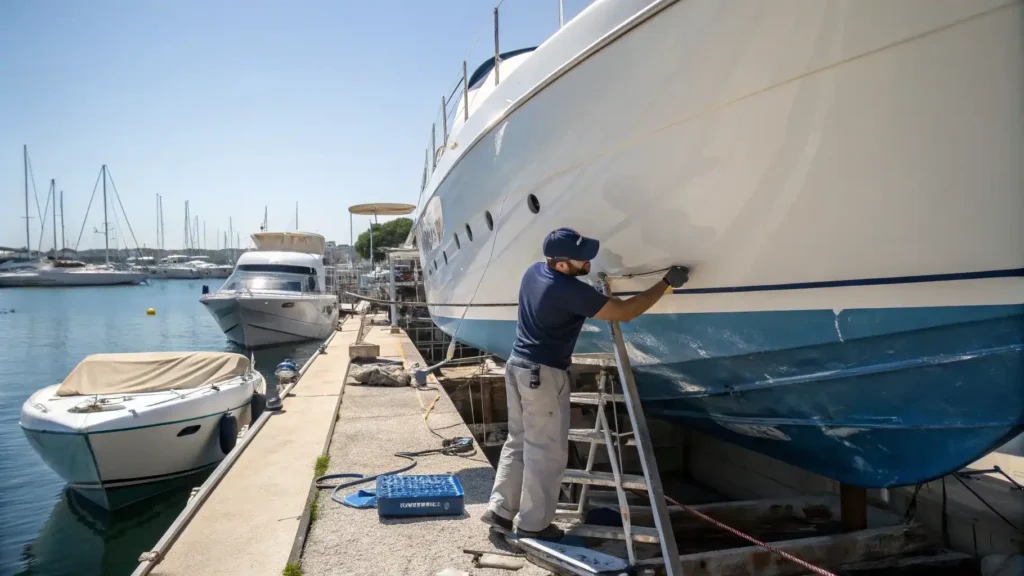
In the world of luxury yachting, sustainability is no longer a choice, it’s a responsibility. Every stage of boat construction, from material selection to propulsion systems, leaves an imprint on the ocean. That’s why sustainable boat building matters: it ensures that the beauty of the seas we sail today can still be enjoyed tomorrow. When you choose a sustainably built boat, you’re actively protecting the marine ecosystems that make your voyages possible.
But it’s not just about the environment. Sustainable boat building also impacts on performance and long-term value. Boats that are cleverly designed with efficient hull shapes and materials that are both eco-friendly and lightweight, will require less energy to move, which means less fuel consumption and lower running costs for you. It’s all about getting a better onboard experience while also reducing emissions. And that’s proof that caring for the planet can also improve your sailing experience.
It’s also a matter of legacy. The boats being built today will set the tone for the next generation of marine craftsmanship. By choosing to go with sustainable practices, you’re not just buying a boat, you’re also investing in innovation, in craftsmanship, and in a new era of conscious luxury. In the end, sustainable boat building matters because it shows that it’s possible to own something truly timeless, a boat that treasures the waters it sails on.
The Pillars of Sustainable Marine Craft Design

Creating a truly sustainable boat requires more than good intentions, it’s about rethinking every detail of how a boat is designed, built, and operated. Modern shipyards are now guided by four essential pillars that define sustainable boat building:
Eco-Conscious Materials
Sustainability begins with the materials that shape the boat. Traditional fiberglass and petroleum-based resins are being replaced by certified timber, recycled aluminum, and bio-based composites that offer durability without depleting natural resources. Even interior elements are evolving, think reclaimed wood panels, natural fabrics, and non-toxic finishes that create a healthier atmosphere onboard. These choices don’t just look refined; they minimize environmental impact while preserving the artistry of marine craftsmanship.
By prioritizing renewable and responsibly sourced materials, builders set the foundation for the next stages of sustainable design, making the boat lighter, stronger, and more efficient before it even touches the water.
Efficient Manufacturing & Hull Form
The second pillar focuses on how a boat takes shape. Precision-based manufacturing methods, such as CNC cutting and 3D digital modeling, reduce waste while ensuring every curve of the hull is optimized for performance. A well-designed hull form minimizes drag, enabling smoother movement and greater fuel efficiency at sea. These technical advancements translate into tangible benefits: quieter engines, longer cruising ranges, and fewer emissions.
Efficiency in construction also means a smarter use of resources. Many shipyards now adopt modular assembly systems, which streamline the production process and reduce unnecessary waste. It’s all about finding a balance between craftsmanship and innovation, and setting the stage for the next big leap in energy and propulsion.
Renewable Propulsion & Onboard Energy Systems
Propulsion is another area where sustainable boat building comes into play. More and more builders are turning to hybrid-electric or fully electric propulsion systems, which slash dependence on diesel engines and cut emissions dramatically. And with quieter sailing comes a reduced impact on marine life. To complement these systems, renewable technologies like solar panels, hydro-generators and wind-assist systems are being integrated into onboard energy.
This shift isn’t just technological, it’s transformative. Renewable systems allow boats to travel farther, stay anchored longer, and operate more self-sufficiently, all while leaving a smaller footprint. And as sustainability goes beyond performance, it naturally leads to the next vital consideration: what happens at the end of a boat’s life cycle.
Lifecycle Thinking and Circular Economy
The final pillar of sustainable boat building looks beyond the moment of delivery. True sustainability considers how materials, systems, and components can be maintained, reused, or recycled once the boat reaches the end of its lifespan. This is the essence of lifecycle thinking, designing with the future in mind. Builders who embrace the circular economy ensure that each boat can evolve gracefully over time instead of becoming waste.
It’s about durability and adaptability. From replaceable parts to modular interiors, every design decision supports longevity. When combined, these four pillars, materials, efficiency, energy, and lifecycle, define what modern sustainability looks like at sea. And nowhere is this harmony between tradition and innovation more beautifully realized than in Indonesia’s timeless art of Phinisi boat building.
Read more: Boat Investment in Indonesia: Profiting from Luxury Tourism
Phinisi Boats: The Art of Sustainable Boat Building in Indonesia
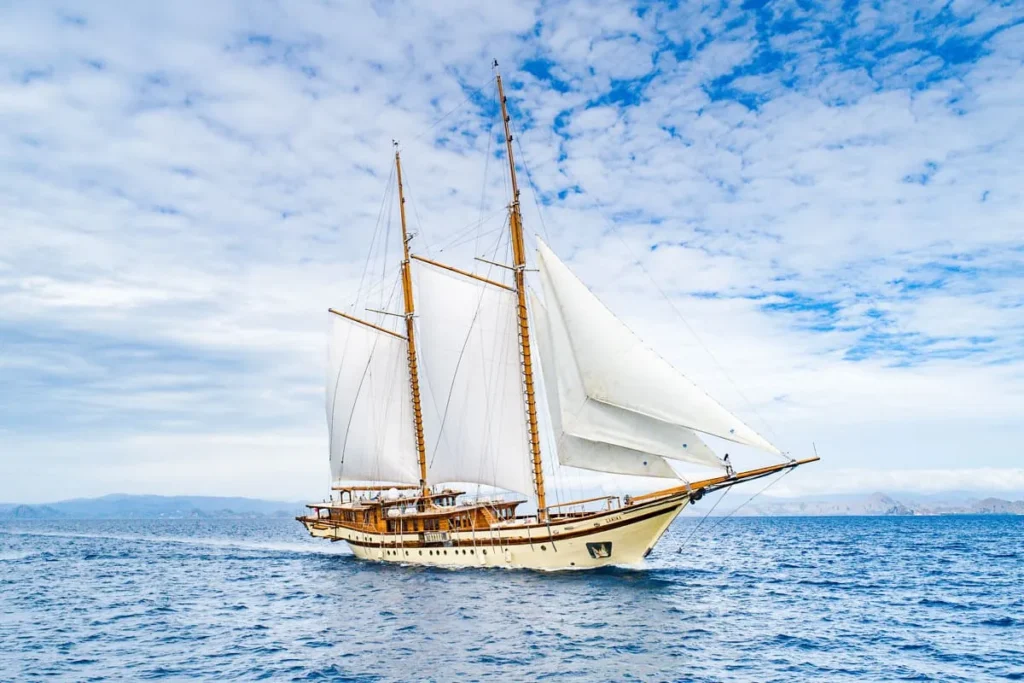
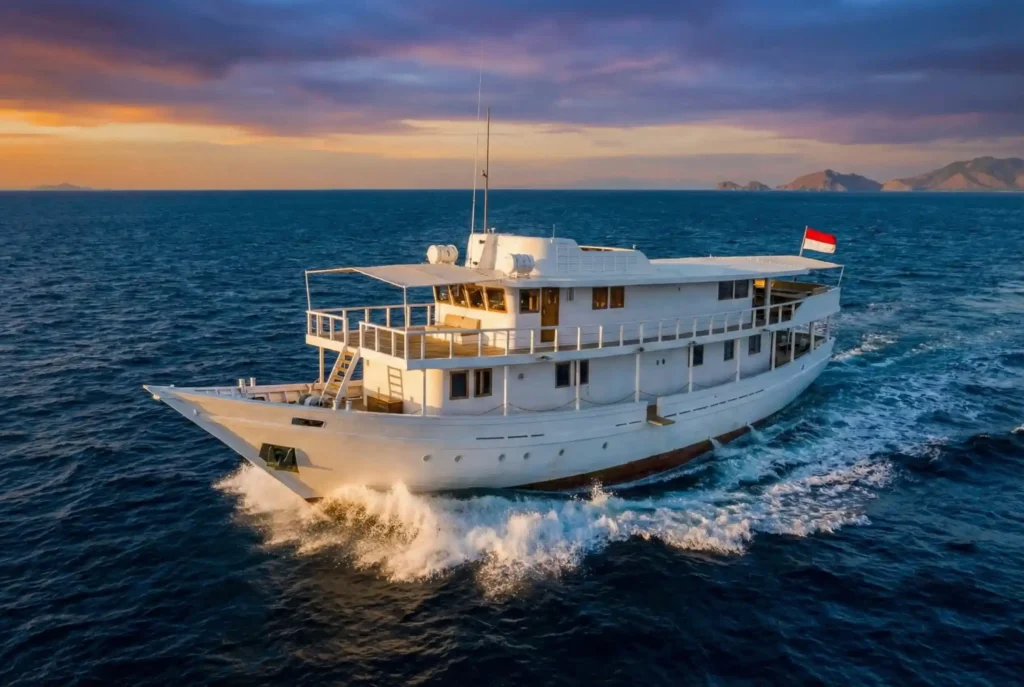
Indonesia is home to one of the world’s most remarkable maritime traditions: Phinisi boats. Crafted by the Bugis and Konjo tribes of South Sulawesi, these boats have sailed the archipelago for centuries, combining elegance with exceptional seaworthiness. Today, modern shipyards are merging this rich heritage with sustainable boat building principles, using responsibly sourced materials and energy-efficient designs. The result is a boat that honors tradition while embracing innovation and environmental responsibility.
The process of building a Phinisi boat is meticulous and highly skilled. From selecting certified timber to shaping each plank by hand, every detail reflects a commitment to quality and sustainability. Many builders in Indonesia now incorporate renewable propulsion, eco-friendly coatings, and optimized hull designs to minimize environmental impact. For owners, this means enjoying the timeless beauty of traditional craftsmanship with the benefits of modern, green technology.
Choosing to build a Phinisi boat is more than an investment in luxury; it is a conscious choice to support sustainable maritime practices. It contributes to preserving centuries-old skills while promoting environmentally responsible boating. Every boat embodies a balance between artistry, performance, and ecological mindfulness. With these insights, you may now wonder how to ensure your own boat is built with sustainability at its core, which brings us to practical tips for owners.
Tips to Ensure Your Boat is Built Sustainably
Now that you understand the elegance and responsibility behind Phinisi boats and modern sustainable boat construction, you might wonder how to apply these principles when commissioning your own boat. Here are some practical tips to help you make informed decisions and sail with purpose.
- Choose a Trusted and Environmentally Responsible Shipyard
Selecting the right partner is crucial to bringing your sustainable boat vision to life. Look for builders who combine proven craftsmanship, industry experience, and eco-conscious practices, such as responsible material sourcing, energy-efficient processes, and waste reduction. Experienced companies, like Komodo Luxury, ensure your boat is built to the highest standards while minimizing environmental impact. - Opt for Eco-Friendly Materials and Finishes
Ask about sustainable alternatives such as certified timber, recycled metals, and bio-based resins. Non-toxic paints and natural fabrics not only reduce environmental impact but also improve onboard air quality. These choices help you enjoy luxury without compromising responsibility. - Incorporate Renewable Propulsion and Energy Systems
Hybrid-electric or fully electric engines significantly reduce emissions while ensuring quiet, efficient sailing. Complementary systems like solar panels, hydrogenerators, or wind-assist technologies provide clean energy for onboard amenities. This combination enhances autonomy at sea while keeping your carbon footprint minimal. - Design for Longevity and Adaptability
Modular interiors and replaceable components make maintenance easier and extend your boat’s lifecycle. Durable design reduces waste and allows your boat to evolve with future innovations. Ultimately, a boat built for longevity is a smart investment in both performance and sustainability. - Stay Informed and Engaged Throughout the Process
Your curiosity as an owner can guide builders toward sustainable solutions that align with your values. Ask questions, request transparent documentation, and seek advice on green technologies. Active involvement ensures your boat reflects your commitment to responsible yachting.
Read more: The Ultimate Guide to Boat Construction in 2025: Everything You Need to Know
Komodo Luxury: Your Best Partner for Sustainable Boat Building

Finding the right partner is key when you’re commissioning a boat built with sustainable principles in mind. You want a vendor who not only understands luxury craftsmanship but also integrates eco-conscious materials, energy-efficient systems, and responsible construction practices. Choosing such a shipyard ensures that every detail of your boat aligns with environmental standards without compromising elegance or performance.
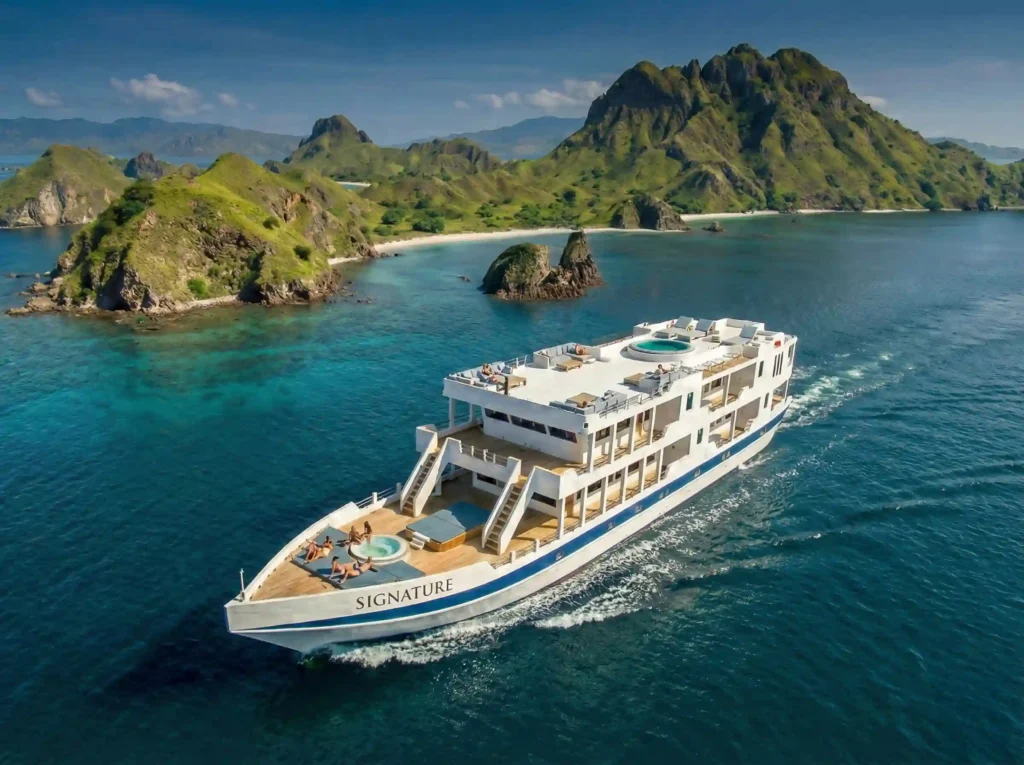
This is where Komodo Luxury stands out. With decades of experience in Phinisi boat building and a commitment to sustainability, we combine traditional Indonesian craftsmanship with modern, eco-friendly innovations. From responsibly sourced timber and optimized hull designs to hybrid propulsion systems and renewable onboard energy, every boat is built to reflect both luxury and responsibility. Working with us means your investment results in a boat that is not only visually stunning but also contributes positively to marine preservation.
Beyond construction, we guide you through every stage of your boat journey, ensuring transparency, quality, and environmental integrity. Our expertise in boat construction Indonesia makes us a trusted partner for owners who value sustainable luxury. By choosing Komodo Luxury, you’re not just acquiring a boat, you’re embracing a philosophy of conscious elegance that elevates your experience at sea while safeguarding the oceans for generations to come.
Let’s Own a Sustainable Boat with Komodo Luxury!
Sustainable boat building is the future of luxury yachting, where every choice, from eco-conscious materials and efficient hull designs to renewable energy systems, shapes a boat that’s both elegant and responsible. Phinisi boats perfectly illustrate this harmony, blending centuries-old Indonesian craftsmanship with modern sustainability principles. By making informed decisions and prioritizing eco-friendly practices, you can ensure your boat not only turns heads but also leaves a positive mark on the marine environment.
When it comes to bringing this vision to life, you can trust Komodo Luxury. Through our Boat Construction Service, we craft bespoke Phinisi boats that honor tradition while embracing innovation and sustainability. Partnering with Komodo Luxury allows you to enjoy a custom-built, luxurious boat while knowing every detail was designed with both artistry and environmental stewardship in mind. Let’s sail into a future where luxury and sustainability coexist beautifully.