










Raja Ampat vs Galapagos: Comparing Island Paradises to See Which Suits You Best!
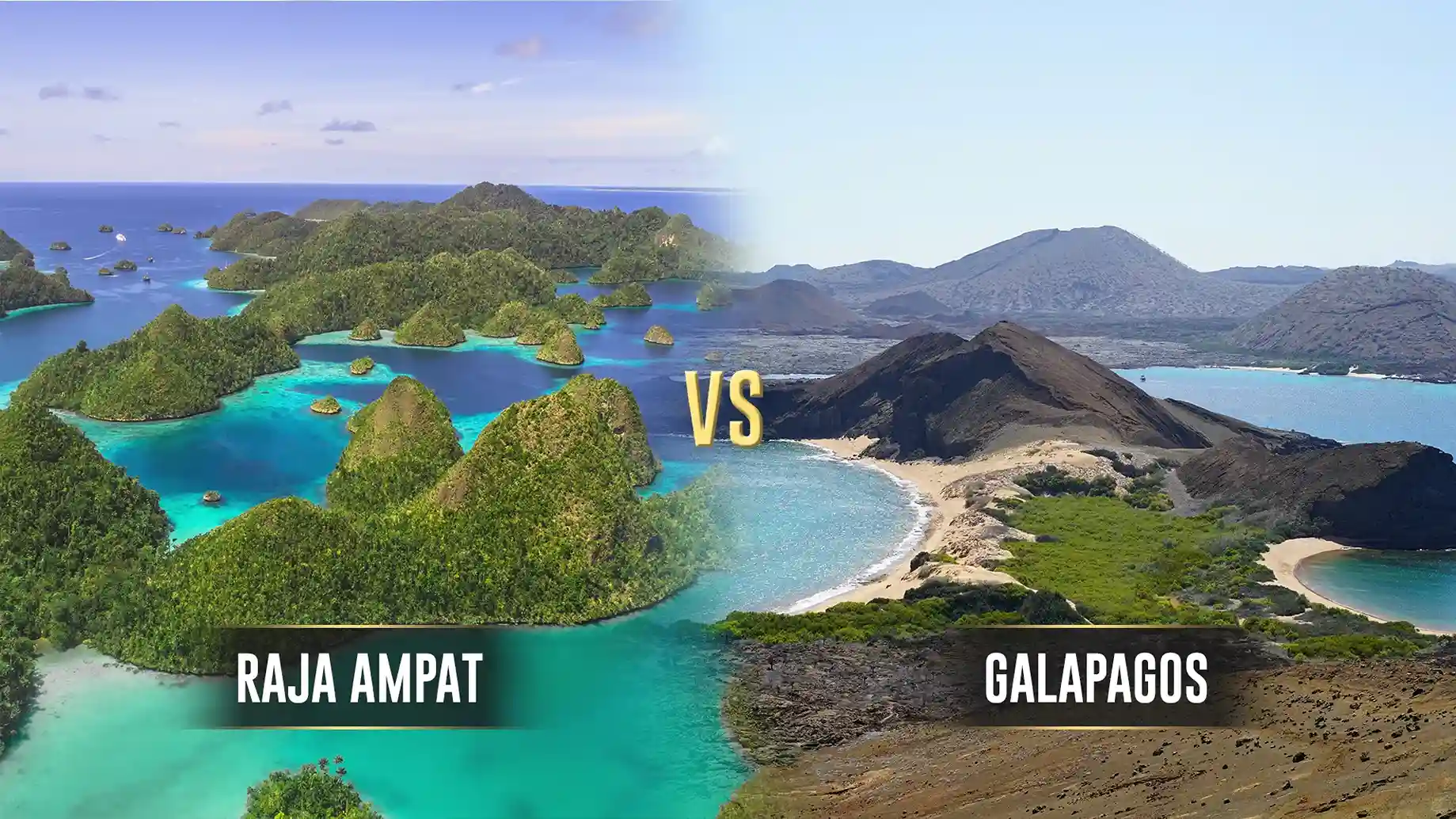
When planning your next tropical escape, you might find yourself torn between two incredible destinations: Raja Ampat in Indonesia and the Galápagos Islands off Ecuador’s coast. Both promise beautiful scenery, fascinating wildlife and experiences you’ll never forget. Raja Ampat and the Galápagos Islands are both world-renowned biodiversity hotspots with dramatically different experiences. So, how do you know which one is truly the right fit for you?
In this article, we’ll walk you through everything you need to consider, from marine life and wildlife encounters to culture, adventure and travel logistics, so that by the end, you’ll have a clear picture of which paradise matches your travel dreams. Along the way, you’ll discover how each destination offers its own unique magic and why choosing either will leave you with memories to last a lifetime.
Raja Ampat: The Coral Triangle’s Jewel
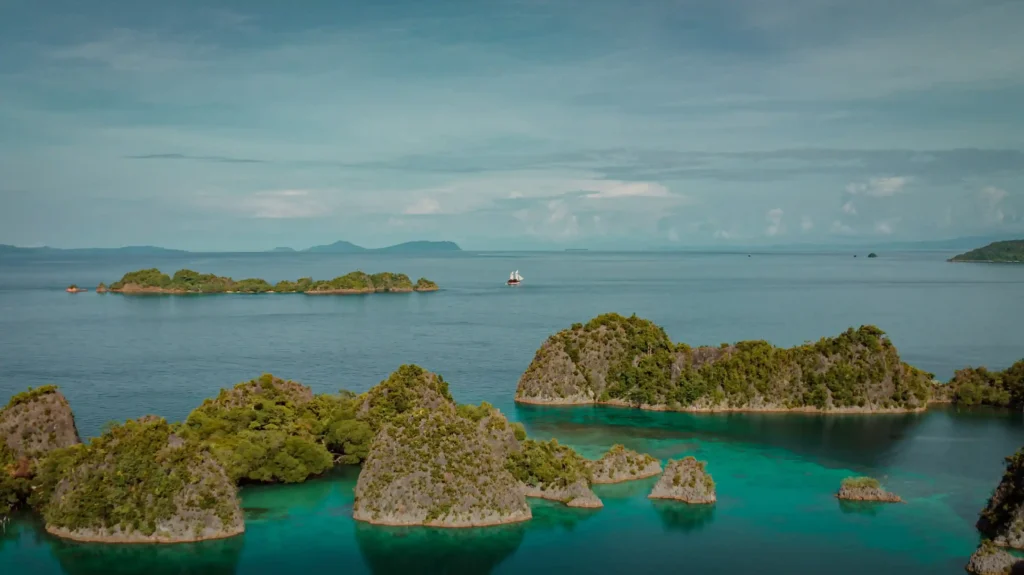
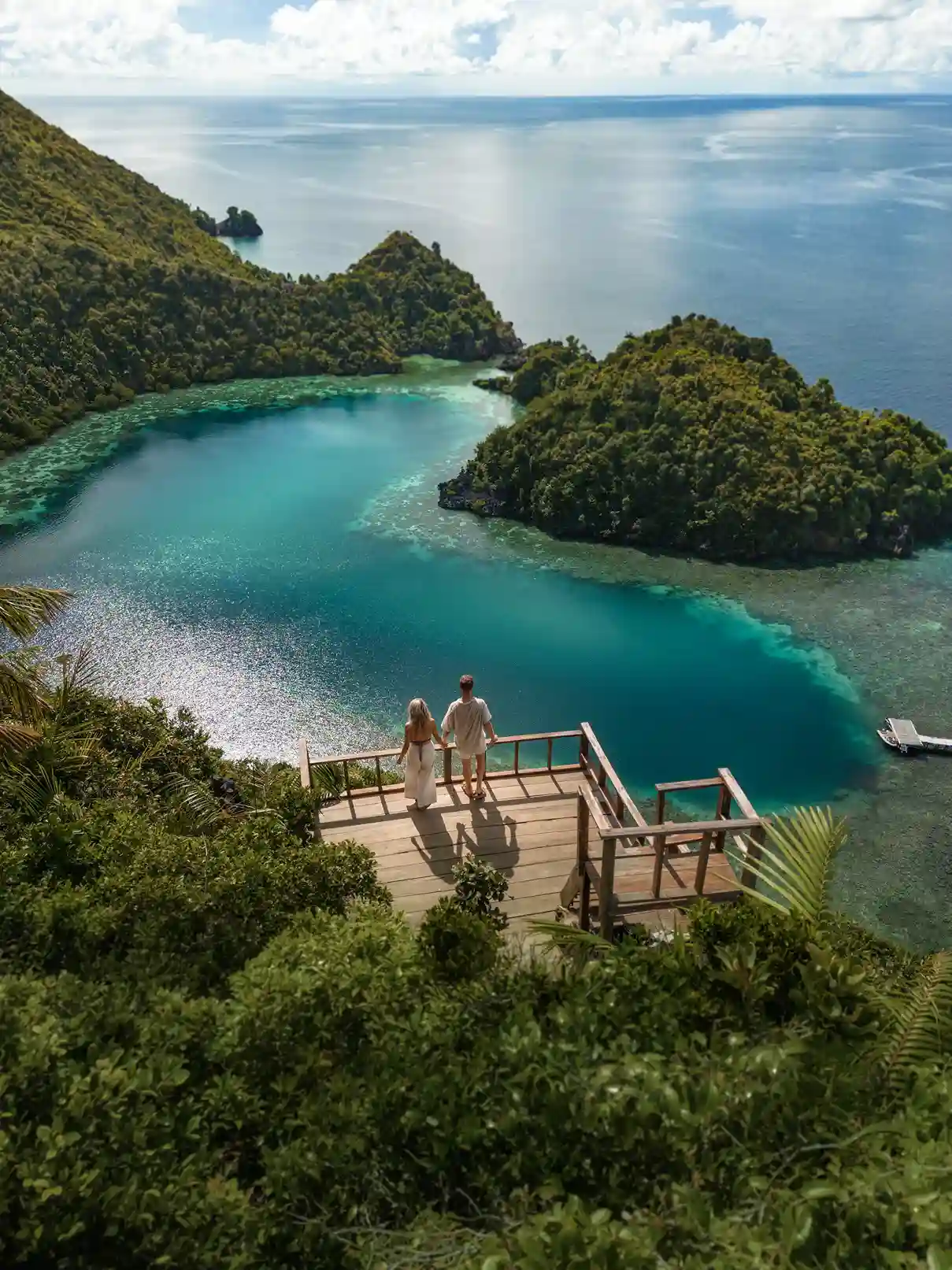
Raja Ampat is often called the crown jewel of Indonesia’s Coral Triangle and was recently declared a UNESCO Biosphere Reserve. This archipelago consists of over 1,500 remote islands, each offering pristine beaches and vibrant coral reefs. As you explore, you’ll notice the staggering variety of species that call these waters home, from tiny critters to majestic manta rays. With great visibility and incredible biodiversity, Raja Ampat is a dream come true for divers and snorkelers seeking truly incredible marine life in every dive.
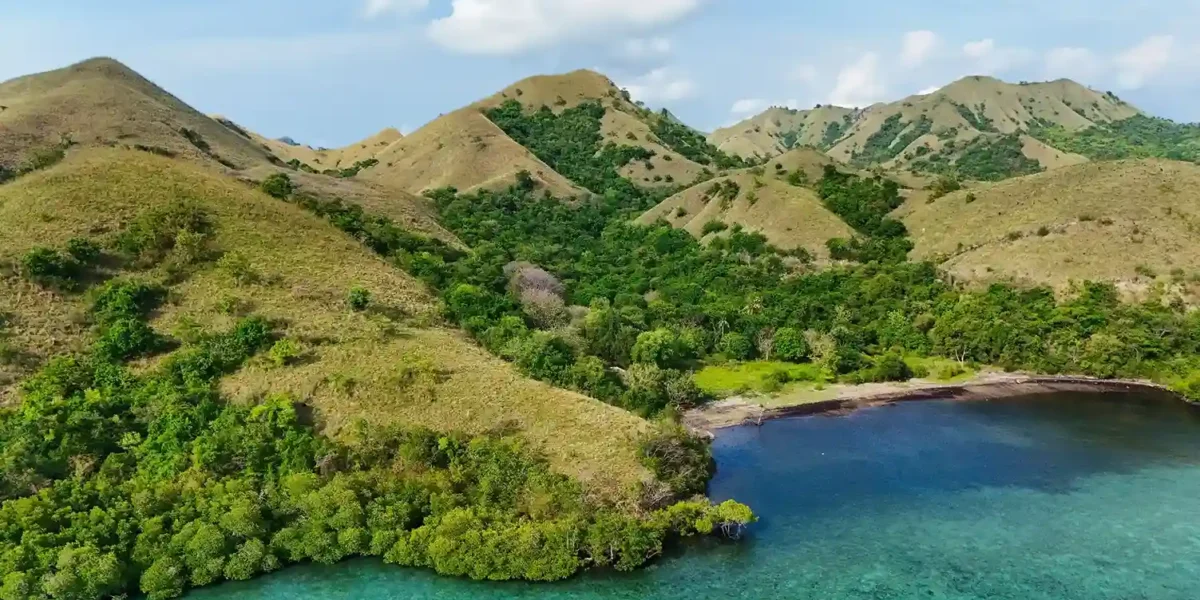
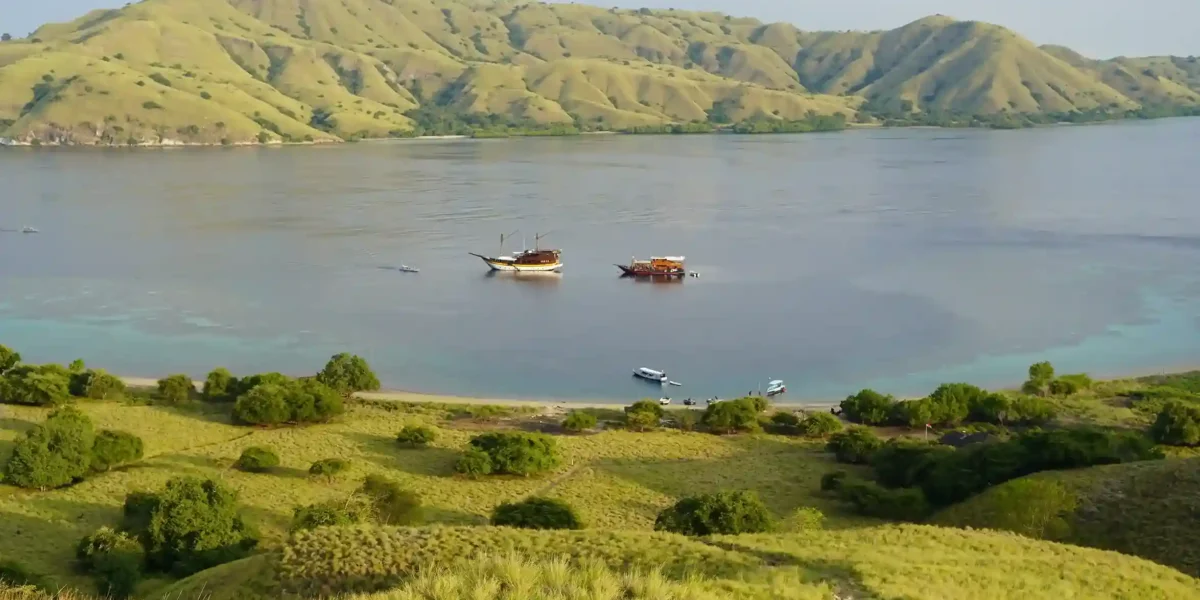
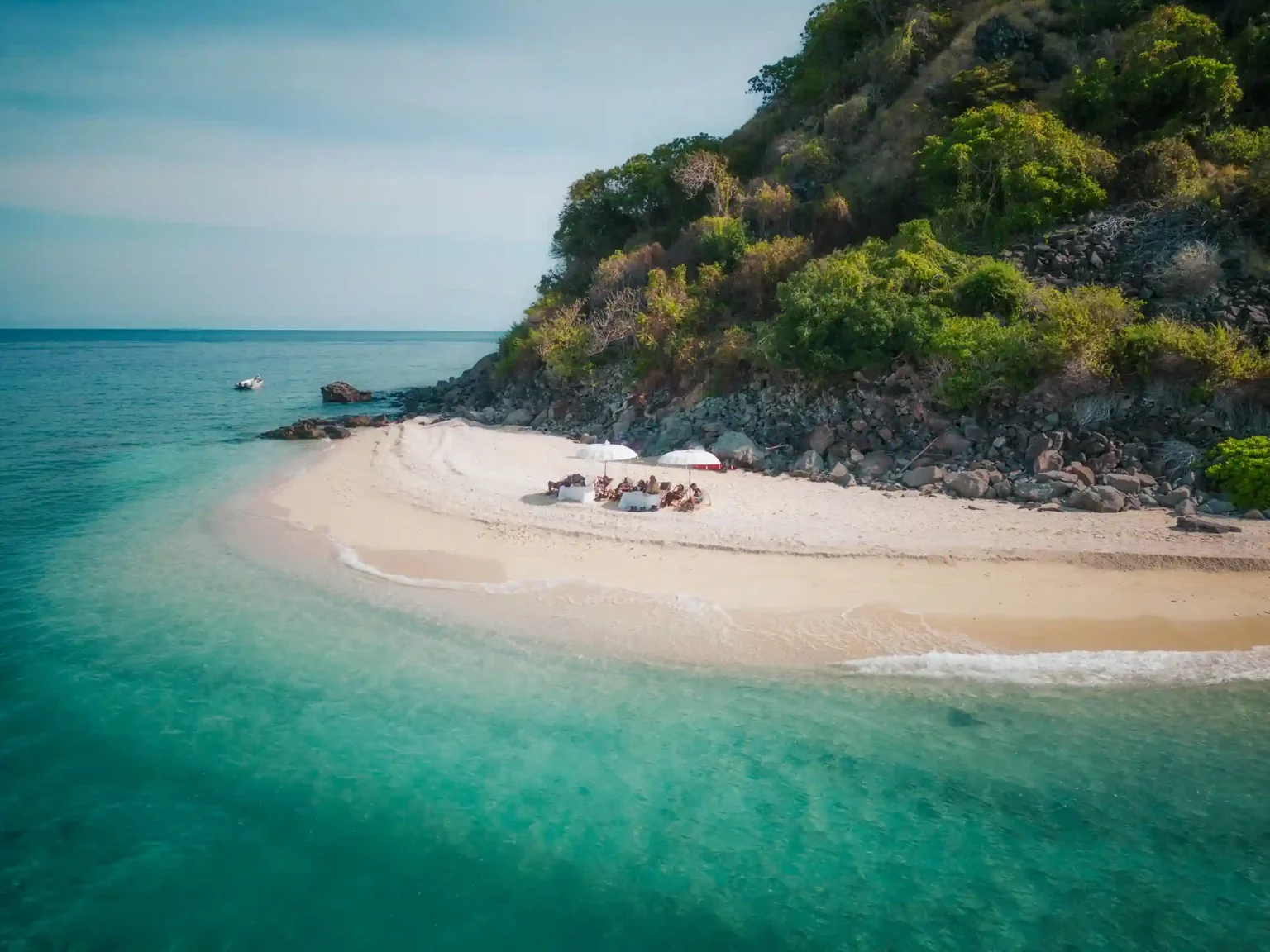
Beyond its marine richness, Raja Ampat is also home to a variety of tropical ecosystems. The islands host lush forests, hidden lagoons, and dramatic karst formations. Thanks to its excellent water visibility, you can witness coral gardens and colorful fish even from the surface. Moreover, this region remains relatively untouched by mass tourism, giving you a genuine sense of exploration across its remote islands.
Cultural encounters in Raja Ampat are another highlight. Local Papuan communities offer insights into their traditional lifestyle, crafts, and customs. Engaging with these communities allows you to connect with the human side of this pristine paradise. This blend of nature, culture, and incredible biodiversity ensures your experience is both immersive and unforgettable.
Galapagos: Islands off Ecuador’s Coast
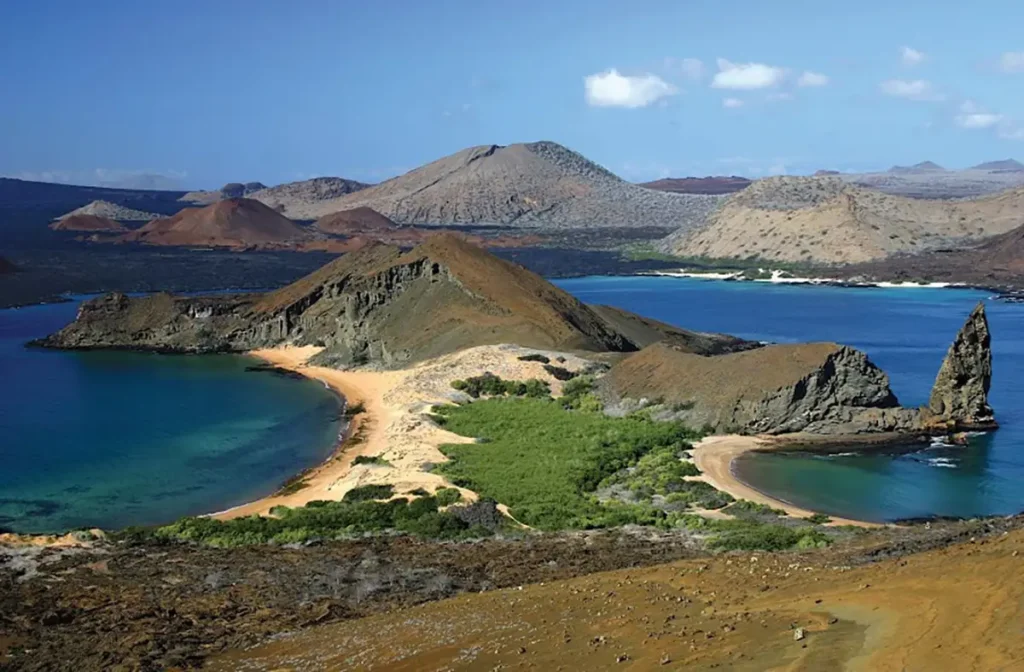
The Galápagos Islands are famous worldwide as a living laboratory of evolution. Located in the Pacific Ocean these islands showcase unique wildlife species that have evolved in isolation for millions of years. From giant tortoises to marine iguanas, the diversity is both remarkable and educational. The Galápagos Islands are also a UNESCO World Heritage site, further emphasizing their global significance. For nature enthusiasts, the Galápagos provides an extraordinary glimpse into the complexity of life.
The landscapes here are just as captivating as the wildlife. Volcanic formations, arid lowlands and lush highlands create a variety of habitats within a compact archipelago. Each island has its own distinct character and ecological significance. As you explore, you will appreciate the interplay between geography and biodiversity.
Visiting the Galápagos also offers structured educational experiences. Certified naturalist guides provide detailed explanations of species behavior and ecosystem dynamics. This makes the islands an ideal destination for travelers seeking knowledge alongside adventure. Furthermore, strict regulations ensure the preservation of these delicate environments for future generations.
Read more: Komodo Island vs Galapagos: Which Offers the Best Wildlife and Luxury Adventures?
Raja Ampat vs Galapagos: Side by Side Comparison
Choosing between Raja Ampat and the Galápagos involves more than just considering scenic beauty; it requires evaluating accessibility, biodiversity, wildlife encounters and cultural experiences. Both destinations promise remarkable adventures, yet the nature of these experiences differs significantly. Let’s dive deeper into the comparisons to help you make an informed choice.
| Aspect | Raja Ampat (Indonesia) | Galápagos Islands (Ecuador) |
| Location & Accessibility | Remote and less touristy; accessible via flight to Sorong then boat transfer for island hopping. The journey is longer but rewards you with untouched nature. | Easier to reach with flights from Quito or Guayaquil to Baltra or San Cristóbal. Travel is more straightforward but requires advance planning due to regulations. |
| Marine Biodiversity | Home to the world’s highest marine biodiversity with thousands of coral and fish species, manta rays, and walking sharks. | Offers unique species like marine iguanas, penguins, and sea lions. Waters are nutrient-rich from mixing ocean currents. |
| Wildlife Encounters | Features diverse sea life and endemic tropical birds like the Bird-of-paradise. Wildlife encounters are spontaneous and often combined with local culture. | Known for approachable land animals like giant tortoises and blue-footed boobies. Wildlife is fearless and easily observable on guided tours. |
| Culture & Local Life | Rich in Papuan heritage; local villages focus on fishing and traditional crafts. Cultural immersion adds authenticity and connection to local life. | Minimal indigenous culture; communities mostly focus on tourism and conservation. Offers more environmental education than cultural experiences. |
| Adventure & Activities | Offers kayaking, hiking, snorkeling, diving, and island hopping. You can also charter private boats to explore remote areas freely. | Focused on guided activities such as hiking volcanic terrain, snorkeling, and wildlife tours with naturalist guides. |
| Cost Considerations | More affordable with homestays and local-run tours. Spending directly benefits local communities and supports sustainability. | Generally more expensive due to conservation fees, cruises, and guided tours. Higher costs fund strict environmental protections. |
| Conservation Efforts | Community-led marine conservation and eco-tourism programs help preserve coral reefs and local ecosystems. | Strict government regulations protect wildlife through controlled access and visitor limits. Sustainability is central to all tourism activities. |
Location and Accessibility
Raja Ampat is located in Indonesia’s Southwest Papua region, making it somewhat remote for international travelers. Reaching the islands usually involves flying to Sorong and taking a boat to island hopping. While the journey may seem lengthy, the sense of discovery upon arrival is unparalleled. This relative remoteness also contributes to Raja Ampat’s pristine environment.
In contrast, the Galápagos Islands are accessible via flights from Ecuador’s mainland, landing at either Baltra or San Cristóbal airports. Direct connections from Quito or Guayaquil make it relatively straightforward for international visitors. While easier to reach, the Galápagos maintains strict visitor regulations to minimize environmental impact. Consequently, planning ahead is essential for a seamless experience.
Marine Biodiversity
Raja Ampat holds the title for the highest marine biodiversity on the planet, making it a diver’s dream. Coral reefs flourish with thousands of fish species, manta rays and rare walking sharks. Snorkeling and diving sites are abundant, allowing for consistent encounters with stunning marine life. The sheer variety ensures that each underwater adventure is unique.
The Galápagos, while smaller in scale, offers equally fascinating marine encounters. Here, you can swim alongside playful sea lions, penguins and marine iguanas. Cold and warm currents converge, creating nutrient-rich waters that support diverse species. While Raja Ampat emphasizes coral diversity, the Galápagos provides an unparalleled view of evolutionary adaptations in the ocean.
Wildlife Encounters
In Raja Ampat, wildlife extends beyond the sea to include tropical birds and forest species. You may encounter endemic birds such as the Bird-of-paradise while trekking through lush forests. The islands’ isolation ensures that many species are relatively undisturbed by human activity. Wildlife encounters here are spontaneous and often complemented by cultural immersion.
The Galápagos is famed for its approachable wildlife on land. Giant tortoises roam freely and marine iguanas sun themselves along rocky shores. Guided tours allow you to safely interact with animals that have little fear of humans. The Galápagos Islands’ wildlife is unafraid of humans due to a lack of natural predators. This combination of accessibility and diversity makes observing Galápagos wildlife a deeply rewarding experience.
Culture and Local Life
Raja Ampat offers an authentic glimpse into Papuan culture. Villages are small and local life revolves around fishing and traditional crafts. Visiting these communities provides insights into customs and daily routines that have persisted for generations. Interactions with locals enrich your journey and foster meaningful connections.
Conversely, the Galápagos Islands have minimal indigenous culture due to historical isolation. Most communities are composed of settlers who work in tourism and conservation. While cultural immersion is limited, learning about conservation efforts and island history provides a different type of educational experience. In this way, the Galápagos emphasizes environmental awareness rather than traditional lifestyles.
Adventure and Activities
Raja Ampat excels in adventure-based experiences. Beyond diving, you can kayak through hidden lagoons, hike to panoramic viewpoints, or explore untouched beaches. You can also enjoy island hopping and charter a private boat in Raja Ampat to explore remote spots at your own pace. The archipelago’s vastness allows for spontaneous exploration and a sense of discovery, making every adventure both physical and exploratory.
The Galápagos offers adventure with a structured approach. Hiking volcanic trails, snorkeling in protected bays and kayaking along coastlines are common activities. While excursions are guided, they are rich in educational content. Adventure here is intertwined with learning, providing a unique combination of excitement and knowledge.
Cost Considerations
Raja Ampat can be surprisingly affordable despite its remote location. Community-run homestays, local tours and smaller-scale accommodations keep daily expenses moderate. Planning in advance ensures better rates and a seamless experience. Your spending also contributes to local communities, adding value to your journey.
The Galápagos is generally a higher-cost destination due to conservation fees and structured tours. Entry fees to national parks, liveaboard cruises and guided excursions add up. However, these costs support strict environmental protection measures. Travelers seeking convenience and comprehensive guided experiences should consider this investment worthwhile.
Conservation Efforts
Raja Ampat emphasizes community-driven conservation. Marine protected areas, reef monitoring and sustainable tourism initiatives are integral to local life. Visitors are encouraged to respect guidelines that safeguard ecosystems. Engaging with these practices adds depth to your travel experience.
The Galápagos enforces strict national and international conservation regulations. Visitor limits, guided tours and invasive species management ensure the islands’ delicate ecosystems remain intact. While access is controlled, these measures provide unparalleled protection for wildlife. Observing these policies underscores the importance of responsible tourism.
Read more: Raja Ampat Season: Your Guide to Exploring a Tropical Island Paradise
Raja Ampat vs Galapagos: Which One Is Right for You?
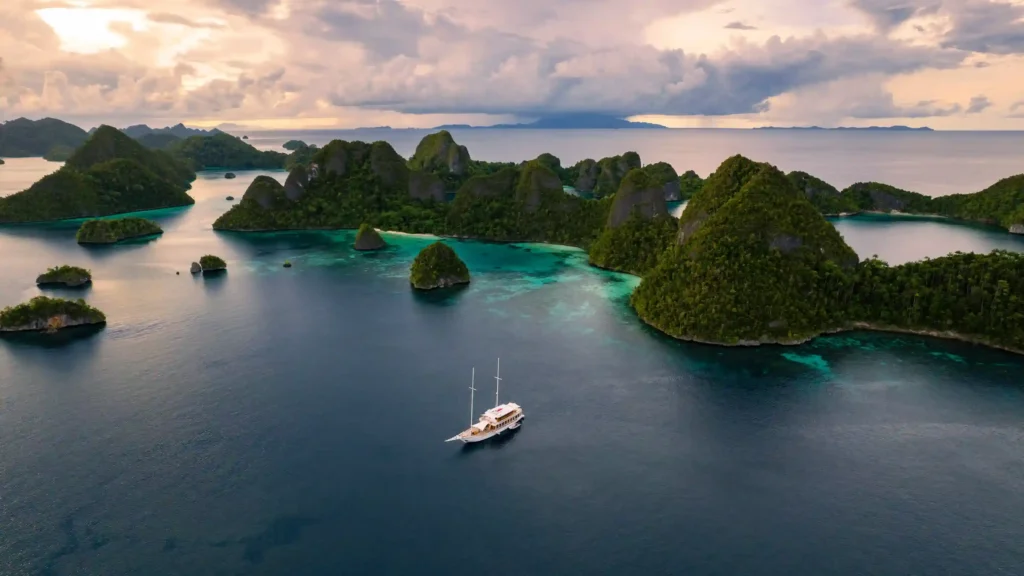
If you are a passionate diver or snorkeler seeking vibrant coral reefs and an adventurous, off-the-beaten-path experience, Raja Ampat may be your ideal choice. The combination of marine diversity, cultural immersion and remote beauty creates a truly unique adventure. Spending time in local villages adds a personal and enriching dimension to your trip.
On the other hand, if your interests lie in observing iconic wildlife, exploring volcanic landscapes and engaging with structured educational tours, the Galápagos Islands may suit you better. Its accessibility, guided activities and remarkable endemic species offer a distinctive experience. Ultimately, the right choice depends on your preferences for adventure, culture and wildlife.
Let’s Visit Raja Ampat Easily with Komodo Luxury!
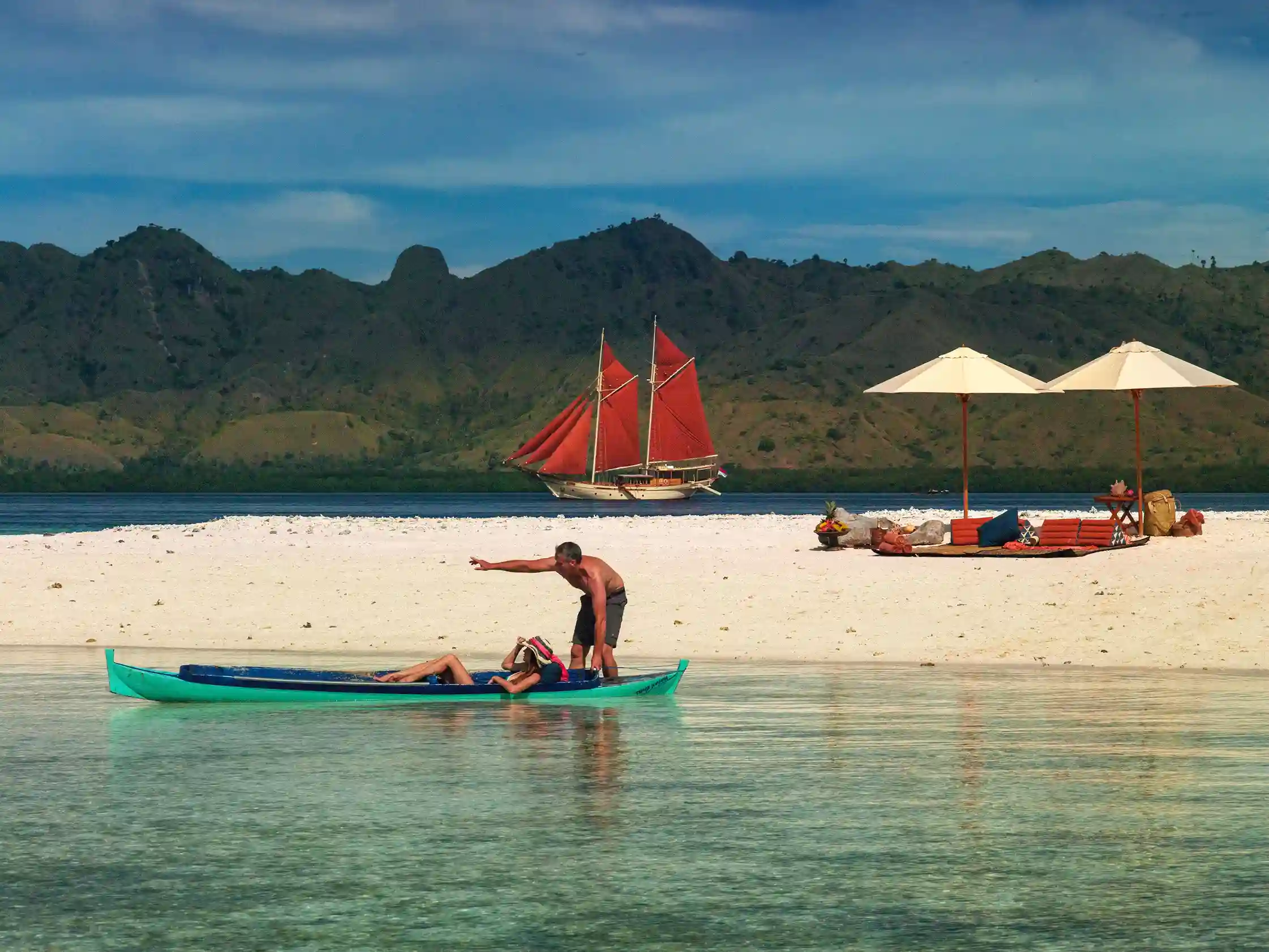
If Raja Ampat has captured your imagination, Komodo Luxury provides a seamless way to explore this paradise. Our Raja Ampat Liveaboard packages offer comfort, convenience and expert guidance, allowing you to fully immerse yourself in the region’s natural wonders. By joining a liveaboard, you can effortlessly visit remote dive sites, hidden lagoons and pristine beaches.
With Komodo Luxury, you also benefit from experienced staff who prioritize both safety and sustainable practices. This ensures your adventure is not only memorable but also responsible. Whether you are diving, snorkeling, or simply relaxing on board, Komodo Luxury transforms your Raja Ampat experience into an extraordinary journey that you will cherish forever.