












Raja Ampat Photographer Tour Guide 2026: A Complete Guide for Travelers
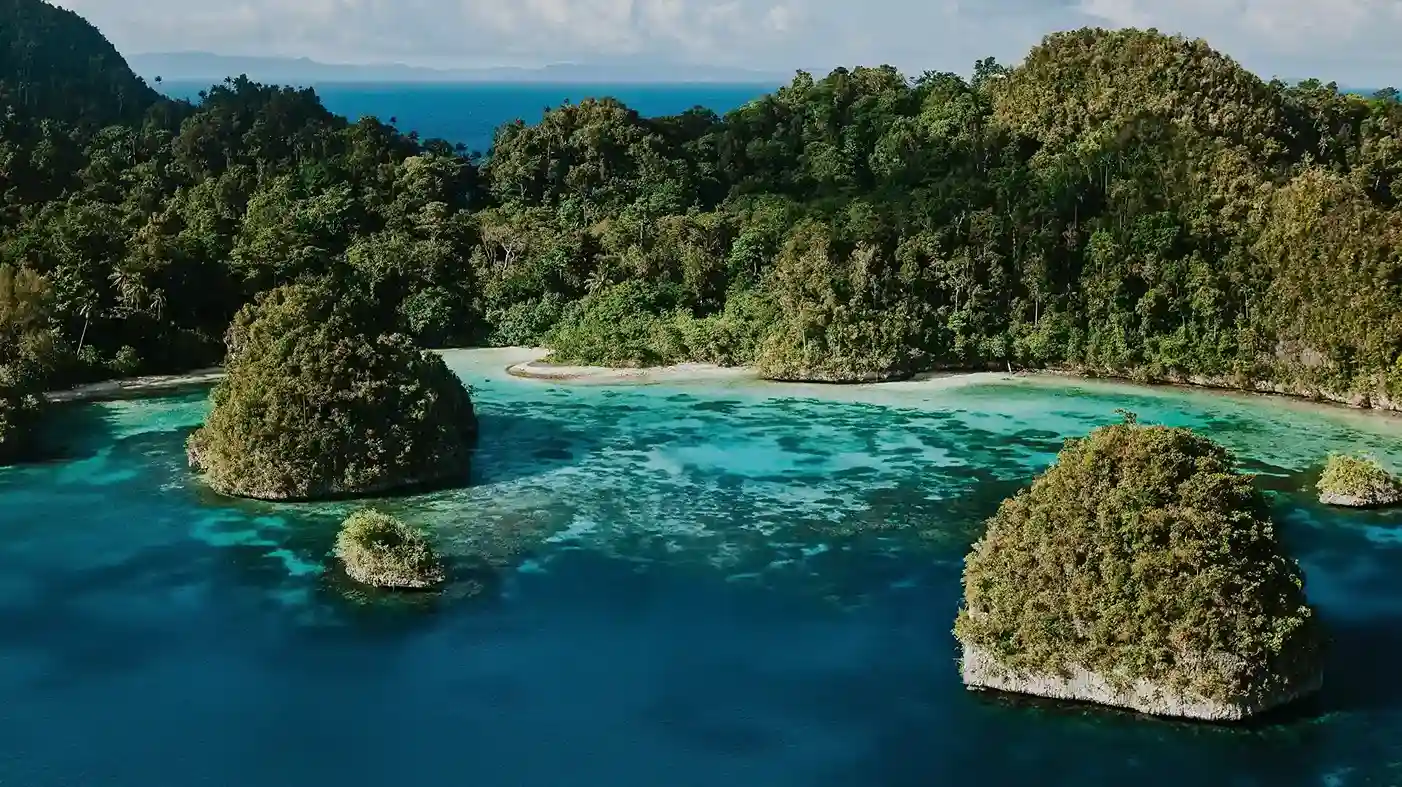
Have you ever dreamed of capturing the untouched beauty of one of the world’s most biodiverse destinations? Raja Ampat, a hidden gem in Indonesia’s archipelago, is a photographer’s paradise. Known for its vibrant coral reefs, lush landscapes, and crystal-clear waters, it offers endless opportunities for both wildlife and landscape photographers. Whether you’re diving into the depths to photograph colorful marine life or hiking to spot rare bird species, Raja Ampat Photographer Tour Guide 2026 is your key to capturing these moments in the most stunning way.
In this guide, we’ll walk you through everything you need to know to plan your perfect photographer tour in Raja Ampat Guide 2026. From the best locations and essential gear to tips on composition and ethical practices, we’ll ensure you not only capture the region’s breathtaking beauty but also help protect its delicate environment. Keep reading to learn how you can make the most of your photography adventure in Raja Ampat!
Why Raja Ampat Is a Paradise for Nature and Wildlife Photographers
Raja Ampat is truly one of the most biodiverse places on Earth, making it an unparalleled destination for photographers eager to capture the raw, untouched beauty of nature. Whether you’re drawn to the vibrant marine life or the lush rainforests, Raja Ampat offers a canvas that few places on Earth can match, here’s the reason:
- Marine Biodiversity
Known for some of the richest coral reefs globally, Raja Ampat is home to thousands of species, including colorful reef fish, manta rays, sea turtles, and even rare species like the walking shark. The clear waters allow for excellent visibility, making it easy to capture stunning underwater shots, whether you’re diving or snorkeling. - Terrestrial Wildlife
The islands are also a haven for birdwatchers, with endemic species like Wilson’s Bird-of-Paradise and Red Birds of Paradise thriving here. These vibrant, rare birds provide photographers with a unique chance to capture wildlife in its natural habitat, showcasing the region’s incredible birdlife. - Pristine Landscapes
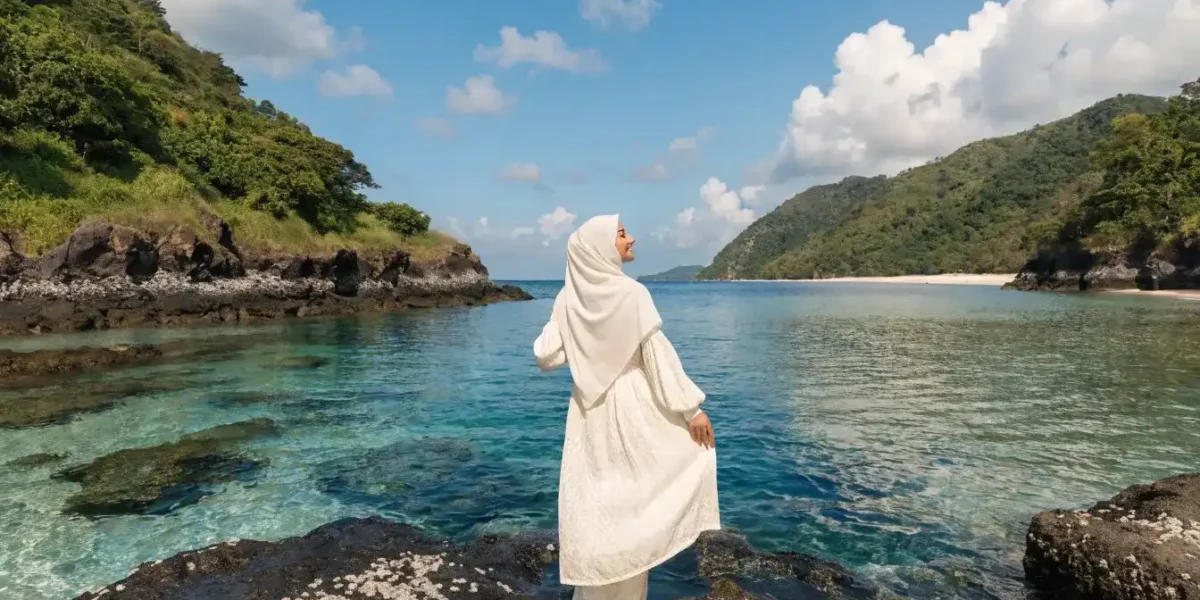
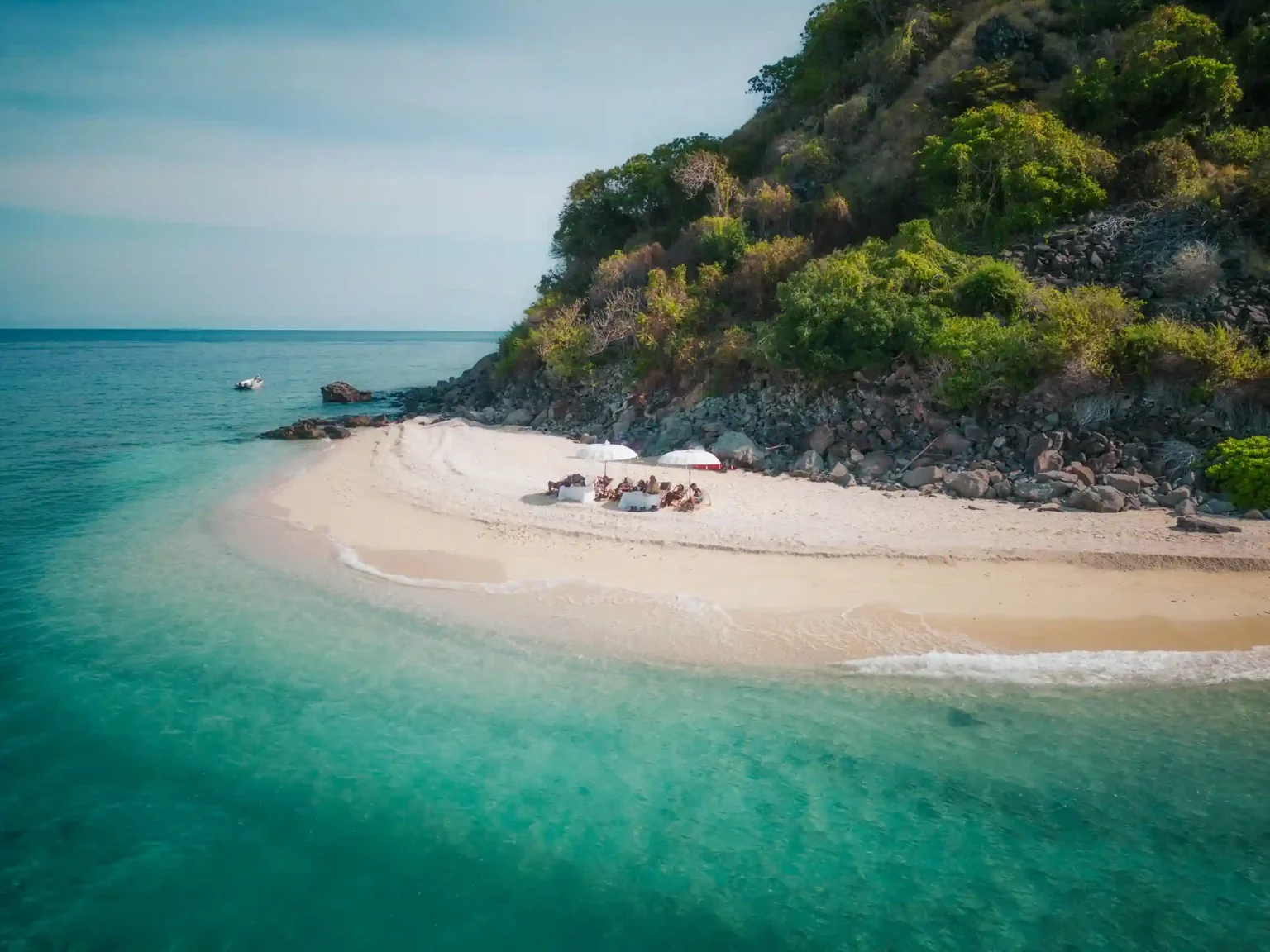
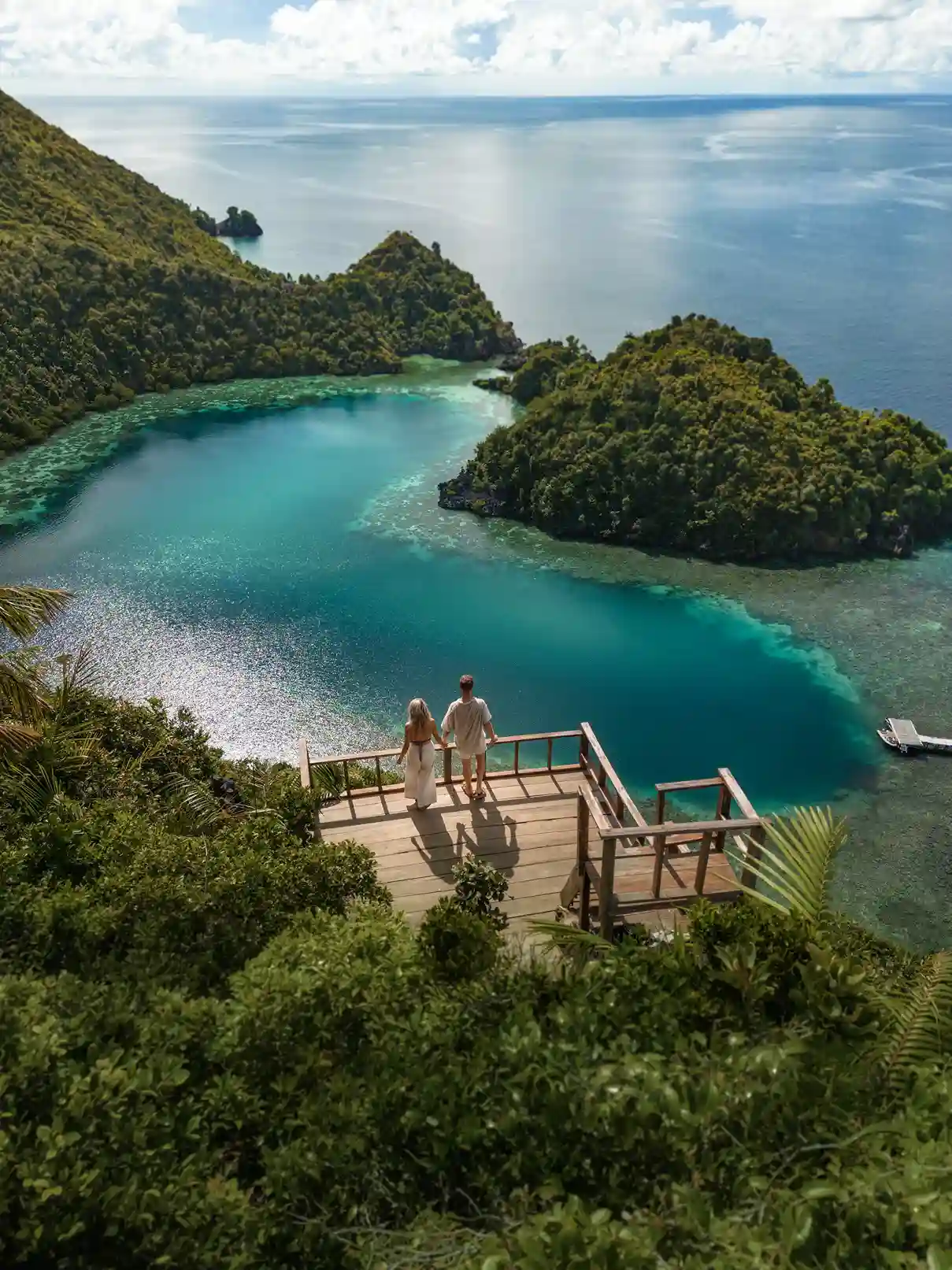
Above water, Raja Ampat’s dramatic karst islands, emerald lagoons, and pristine beaches create breathtaking backdrops for landscape photography. Whether you’re capturing the rugged cliffs or peaceful shores, these untouched vistas offer endless photo opportunities that tell the story of nature at its most unspoiled. - Unique Light and Weather Conditions
Raja Ampat’s changing light, especially during sunrises and sunsets, enhances the beauty of both its landscapes and wildlife. The soft, golden light in the early morning and late afternoon creates the perfect atmosphere for stunning photographs, while the region’s consistent weather allows for well-planned shooting opportunities.
Read more: Raja Ampat Luxury Holiday: Explore Indonesia’s Island Paradise
Raja Ampat Photographer Tour Guide 2026
A photographer’s tour in Raja Ampat is the perfect adventure for those who wish to capture the untouched beauty of this natural wonder. The tours are led by local experts who not only know the best spots for photography but also understand the optimal times for shooting and the ethical guidelines for photographing the region’s wildlife and nature. This Raja Ampat Photographer Tour Guide 2026, experience ensures that you not only take stunning images but also respect the delicate environment of Raja Ampat. So, this is everything you need to know:
1. Best Time for Photography Tour in Raja Ampat
Raja Ampat offers exceptional photography opportunities year-round, but the best time to visit depends on the season. Both the dry season and wet season offer unique advantages, depending on what type of photography you wish to pursue. Here’s a breakdown of what to expect during each season:
Dry Season (October to April)
- Predictable Weather and Calm Waters
- The dry season brings stable, sunny weather with little rain, creating ideal conditions for both landscape and underwater photography. The seas are calmer, offering excellent visibility for capturing vibrant marine life and coral reefs.
- Why it’s ideal: Clear waters and calm seas make underwater photography easier, with vibrant shots of marine life.
- Golden Hours for Capturing Stunning Shots
- Early mornings and late afternoons, the golden hours, provide soft, warm light, perfect for wildlife and landscape photography. This lighting creates dramatic effects and enhances colors in your shots.
- Why it’s ideal: The golden hours help create beautiful, atmospheric images of wildlife in action and dramatic landscapes, adding depth and warmth to your photos.
Wet Season (May to September)
- Lush Greenery and Dynamic Skies
- The wet season brings frequent rain, creating dramatic skies and lush, vibrant landscapes. The rainy weather adds a moody atmosphere, which can result in striking, atmospheric shots.
- Why it’s ideal: The rain enhances the lush vegetation, and the dynamic skies offer unique compositions, making it great for landscape photography with a touch of drama.
- Less Crowded for Intimate Shots
- With fewer tourists around, the wet season allows for quieter, more intimate wildlife encounters. You’ll have more access to popular locations without the crowds.
- Why it’s ideal: Fewer tourists means more freedom to photograph wildlife and nature in peace, allowing for unique and intimate shots.
2. Equipment Preparation
When packing for your photography tour, bringing the right gear is crucial to ensure you get the best shots. Here’s what you need to bring:
- Camera Gear
A DSLR or mirrorless camera with interchangeable lenses is recommended. A wide-angle lens will be useful for landscapes, a telephoto lens for wildlife, and a macro lens for capturing the smaller details of nature, such as insects, flowers, and tiny marine creatures. - Underwater Photography Gear
Waterproof housing for your camera is a must for underwater shots. Along with a strobe or underwater flash, this will help you capture the vibrant marine life in the clear waters. A wide-angle underwater lens is perfect for photographing coral gardens, while a macro lens is ideal for smaller marine creatures, such as pygmy seahorses. - Additional Gear
Don’t forget extra memory cards and batteries to ensure you’re ready for every shot. A sturdy tripod is essential for land-based photography, and a drone is a great addition for capturing aerial shots of the islands and landscapes from above.
3. Composition and Subjects
To help you create striking images, there are several composition tips to keep in mind:
- Underwater Shots
Pay close attention to framing and use the rule of thirds to balance your subject within the frame. Underwater lighting can be tricky, so be mindful of how you use strobes or natural light to illuminate the scene effectively. - Wildlife Photography
Capturing animals in action requires patience and timing. Shoot in burst mode to capture the perfect moment of movement, whether it’s a manta ray gliding gracefully through the water or a bird of paradise perched on a branch. Focus on the animal’s behavior to add depth and emotion to your shot. - Landscape Photography
Use wide-angle lenses to capture the expansive beauty of Raja Ampat’s landscapes. The golden hour light will give your landscape shots a magical glow, enhancing the natural drama of the scenery and adding long shadows for a more dynamic composition.
4. Environmental Respect
Raja Ampat’s ecosystems are delicate, and as a photographer, it’s important to follow ethical practices to minimize your environmental impact. Here are a few tips:
- Respect Wildlife
Always maintain a respectful distance from animals, particularly marine life. Never disturb their natural behavior for the sake of a photo, and ensure you’re not causing any harm to the environment. - Leave No Trace
After your shoots, make sure to leave no trace behind. Bring all your waste with you, including plastics and any materials that could harm the environment. - Eco-friendly Travel
Choose eco-friendly products such as reef-safe sunscreen and biodegradable soaps, and make a conscious effort to avoid using plastic whenever possible. Your actions as a traveler and photographer can help protect this beautiful region for generations to come.
5. What You Can See and Find in Raja Ampat
Raja Ampat offers a wealth of photogenic subjects, both above and below the water. Here’s a preview of what you’ll have the chance to capture:
- Underwater Wonders
The coral reefs of Raja Ampat are some of the most biodiverse in the world. You’ll encounter vibrant schools of clownfish, butterflyfish, and parrotfish, as well as majestic creatures like manta rays, sharks, and sea turtles. For those seeking rare encounters, you might also photograph the elusive walking shark or pygmy seahorses. - Birdwatching Opportunities
Raja Ampat is a prime destination for bird photographers. The Wilson’s Bird-of-Paradise and Red Birds of Paradise are among the most iconic species to capture. You’ll also find Moluccan King Parrots and Crested Cockatoos, adding more diversity to your bird photography collection. - Beautiful Landscapes
The iconic Piaynemo Viewpoint offers panoramic views of emerald lagoons surrounded by jagged limestone peaks, making it perfect for landscape photography. The Wayag Islands with their dramatic karst formations rising from turquoise waters also offer exceptional wide-angle photo opportunities. - Unique Flora and Fauna
Raja Ampat’s islands are also home to a wide range of unique plant life. Orchids, tropical trees, and dense rainforests provide rich textures and vibrant colors for macro photography, offering countless opportunities to capture the intricate details of the region’s flora.
Best Locations for Photography in Raja Ampat
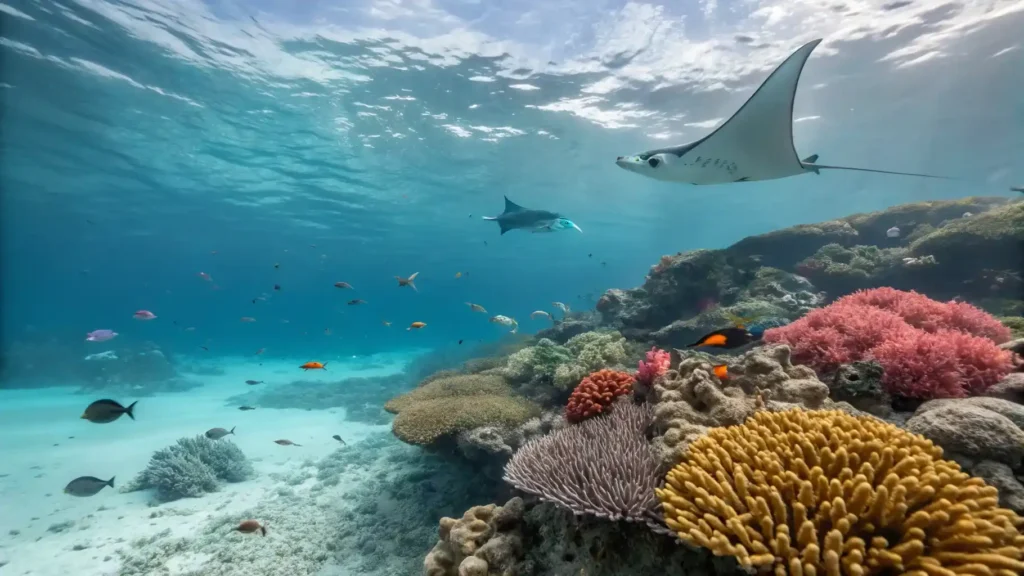
Raja Ampat is a photographer’s dream, offering a variety of stunning locations that showcase the beauty of both land and sea. Whether you’re interested in capturing the vibrant marine life or the dramatic landscapes, the archipelago offers a wealth of opportunities. Here are some of the best spots to consider for your photography tour:
- Manta Sandy
This is a prime spot for underwater photography, known for its regular sightings of majestic manta rays. The clear waters provide the perfect opportunity to capture dramatic, close-up shots of these graceful creatures as they glide through the ocean. - Blue Magic
Famous for its pelagic species and large schools of fish, Blue Magic is perfect for dynamic underwater photography. The movement of fish and the presence of larger species create exciting photo opportunities, filled with energy and life. - Wayag Islands
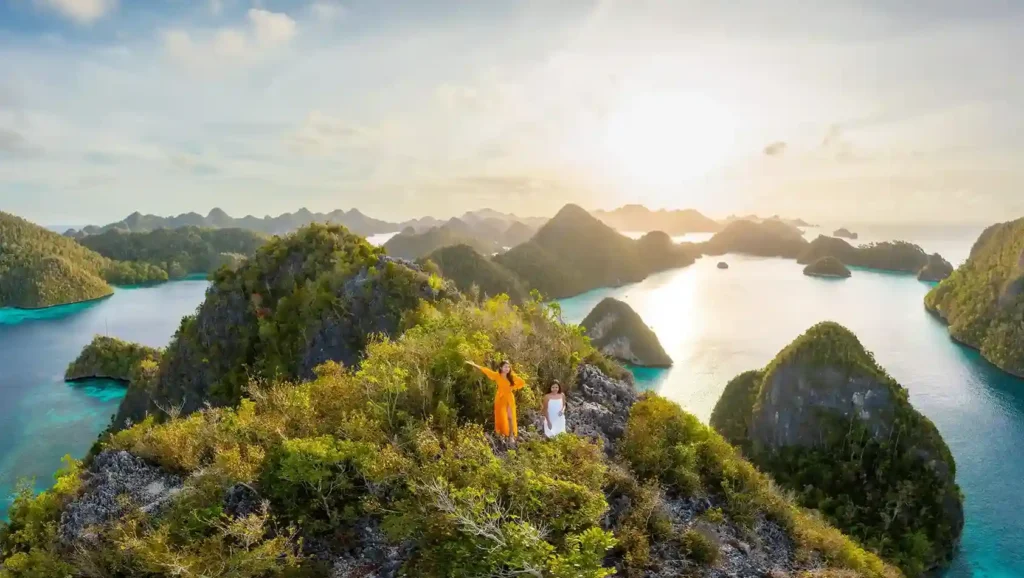
Above the water, the Wayag Islands stand out with towering limestone formations and turquoise lagoons, making it one of the most photogenic locations for landscape photographers. The dramatic views are perfect for wide-angle shots, showcasing Raja Ampat’s natural beauty. - Piaynemo
Offering panoramic views, Piaynemo is a must-visit for landscape photographers. The viewpoint offers sweeping vistas of the islands surrounded by lush greenery and clear blue waters, ideal for capturing the grandeur of Raja Ampat’s scenery. - Arborek Village
For those interested in birdwatching and local culture, Arborek Village provides the perfect setting. Home to the famous Bird of Paradise and other unique species, it’s a great location for wildlife and cultural photography, offering a glimpse into both nature and the life of the local community.
Photography Tips for Capturing the Best Moments in Raja Ampat
Raja Ampat offers an unparalleled opportunity for photographers to capture nature in its most pristine form. To help you make the most of your photography tour, here are some essential tips to ensure you capture the best moments during your time in this stunning region:
- Patience and Timing
Wildlife photography in Raja Ampat requires patience. Whether you’re waiting for a bird of paradise to perch or a manta ray to swim by, timing is everything. Animals and marine life often move quickly, so being patient and observing your subject will allow you to capture the perfect moment when it happens. - Shoot in RAW
Always shoot in RAW format to retain the most detail in your photos. RAW images give you more flexibility in post-processing, allowing you to adjust exposure, contrast, and color without losing quality. This is especially helpful in Raja Ampat, where lighting conditions can change quickly. - Use Burst Mode
For fast-moving subjects like diving birds or swimming manta rays, use burst mode to capture multiple shots in quick succession. This increases your chances of getting that perfect action shot, as wildlife can be unpredictable. - Adjust Exposure Settings
Raja Ampat’s lighting can vary, especially when shooting underwater or in bright sunlight. Adjusting your exposure settings will help prevent overexposure or underexposure, ensuring rich details and accurate colors in your photos. - Join a Liveaboard Raja Ampat Tour
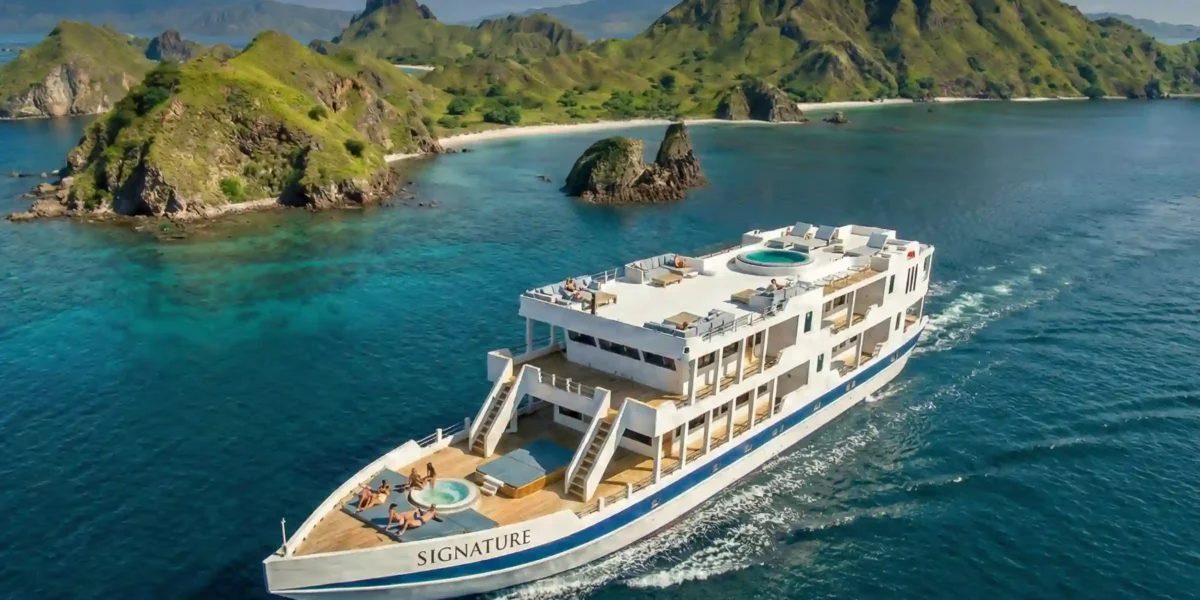
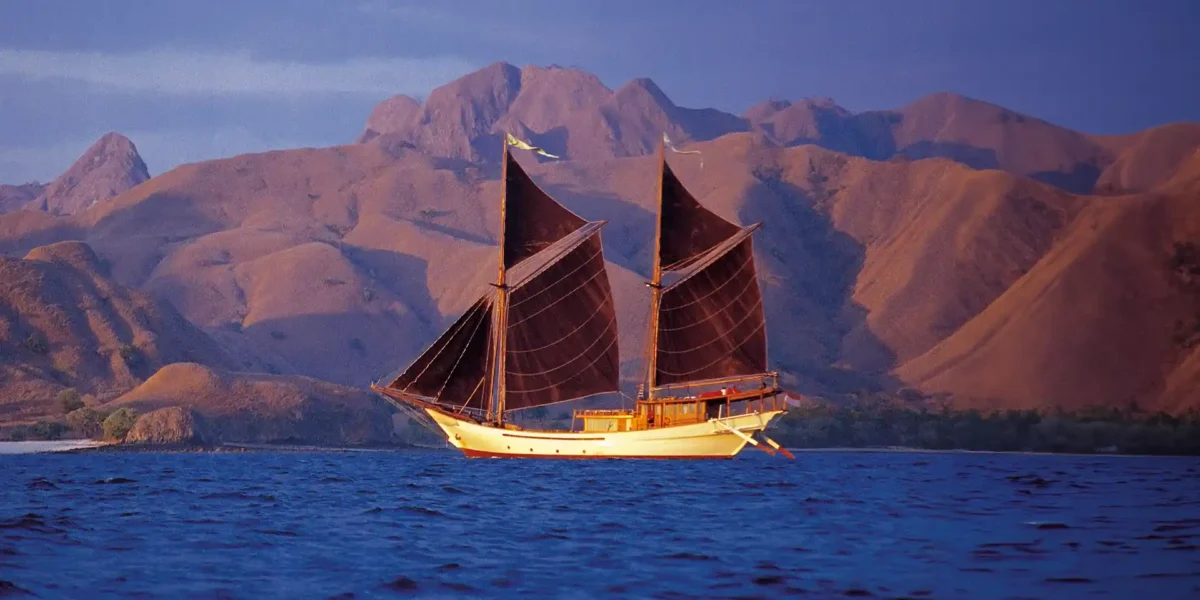
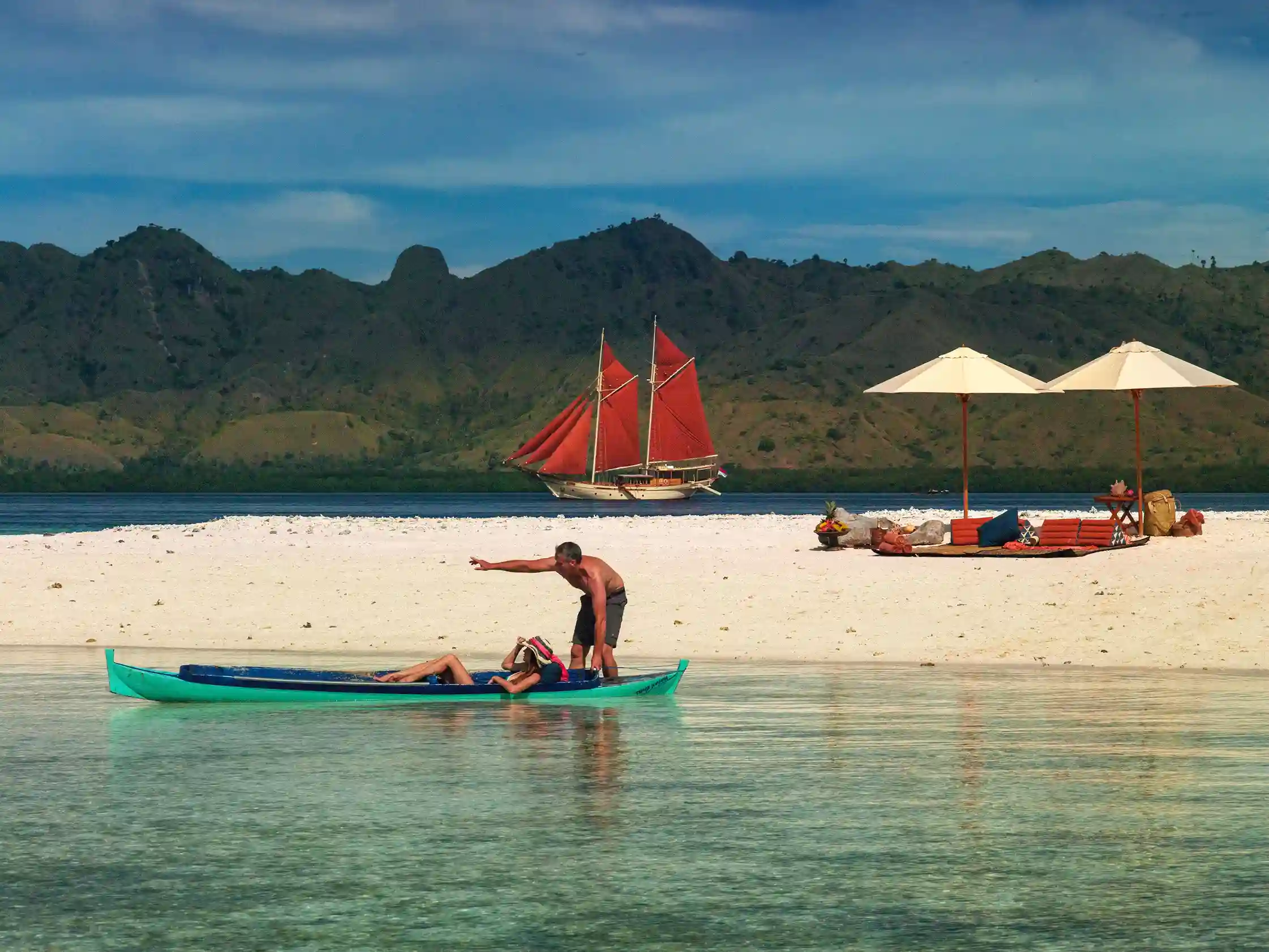
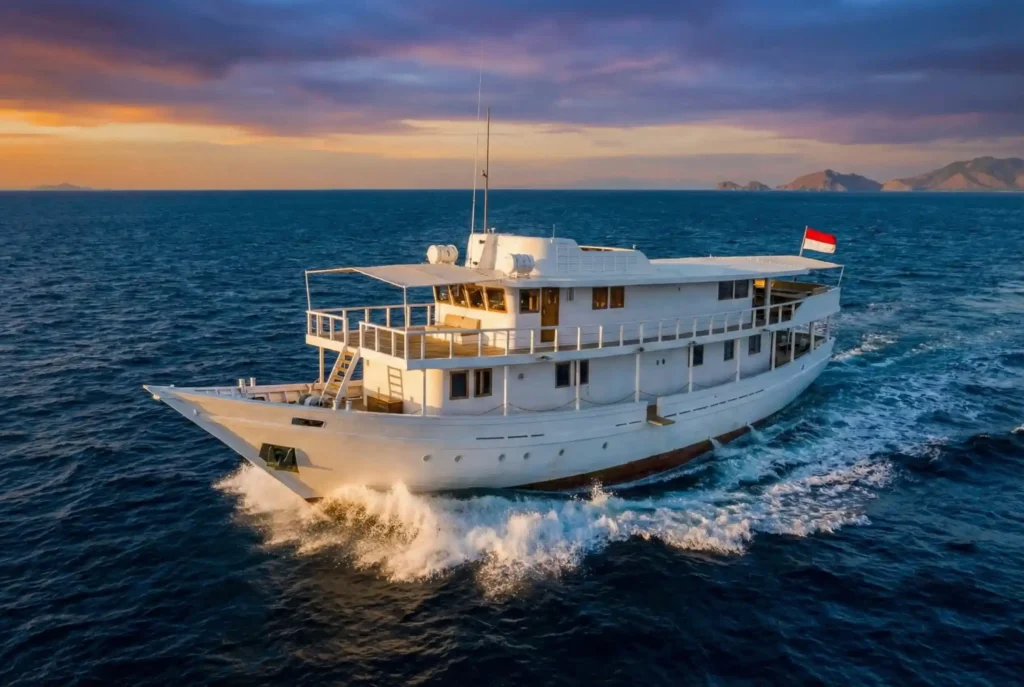
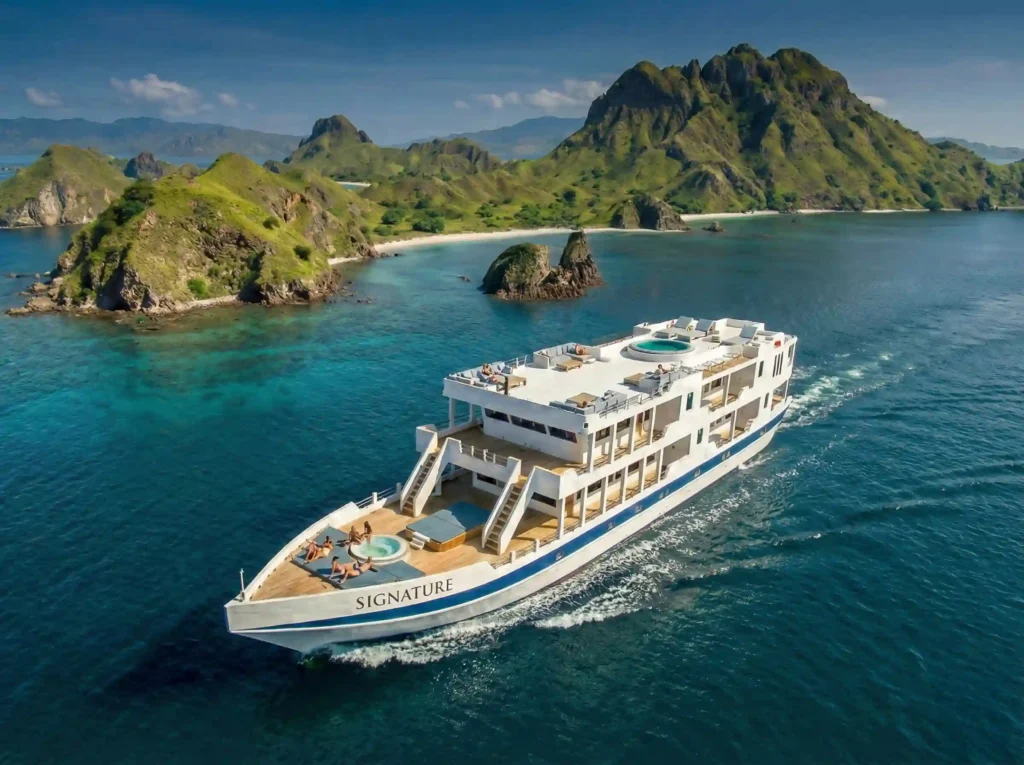
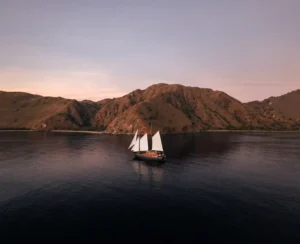
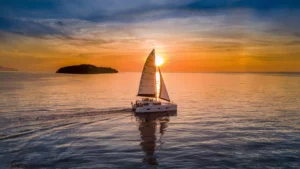
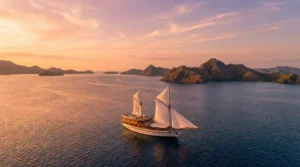
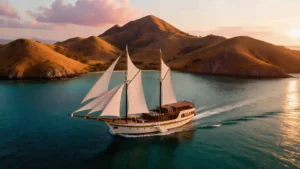
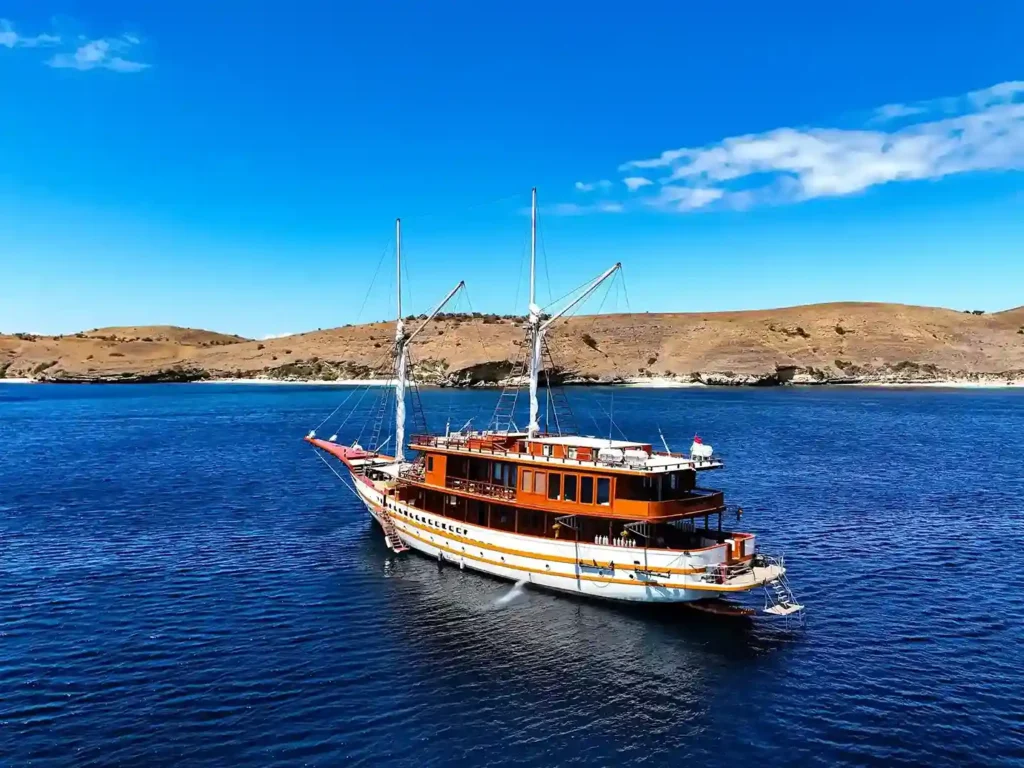
For the best experience, consider joining Raja Ampat Tour. Liveaboards provide access to remote dive sites and hidden islands that are hard to reach by land. With Komodo Luxury, you’ll be guided to the best photography locations, from coral reefs to dramatic landscapes. Staying on the water allows you to capture more moments and reach locations that are less crowded.
Read more: Top Islands in Raja Ampat You Must Visit for an Unforgettable Adventure
Capture the Beauty of Raja Ampat with Komodo Luxury!
Understanding the Raja Ampat Photographer Tour Guide 2026 is essential for anyone looking to capture the breathtaking beauty of this paradise through their lens. As one of the most biodiverse regions in the world, Raja Ampat offers endless opportunities for photographers. Whether you’re shooting vibrant underwater scenes, dramatic landscapes, or rare wildlife, knowing the best locations, timing, and ethical guidelines is key to getting the perfect shot. A dedicated photography tour guide ensures you have the expertise and access to the most photogenic spots, allowing you to make the most of your time in this destination.
To fully experience the beauty of Raja Ampat, consider joining a Raja Ampat tour from Komodo Luxury. A liveaboard allows you to explore remote dive sites and untouched islands, providing the best opportunities for both underwater and landscape photography. With a liveaboard, you’ll have the flexibility to visit some of the region’s most iconic locations, like Piaynemo Viewpoint and Manta Sandy, all while being surrounded by the comfort and convenience of a floating hotel. This unique experience not only offers unparalleled access to photogenic spots but also gives you ample time to capture every moment.
Ready to start your photography adventure in Raja Ampat? Book your liveaboard tour with Komodo Luxury today, and let us help you capture the incredible beauty of this hidden gem. Don’t miss the chance to create unforgettable memories and stunning images that showcase the wonders of Raja Ampat!