





















New Visit Regulation at Komodo National Park 2026
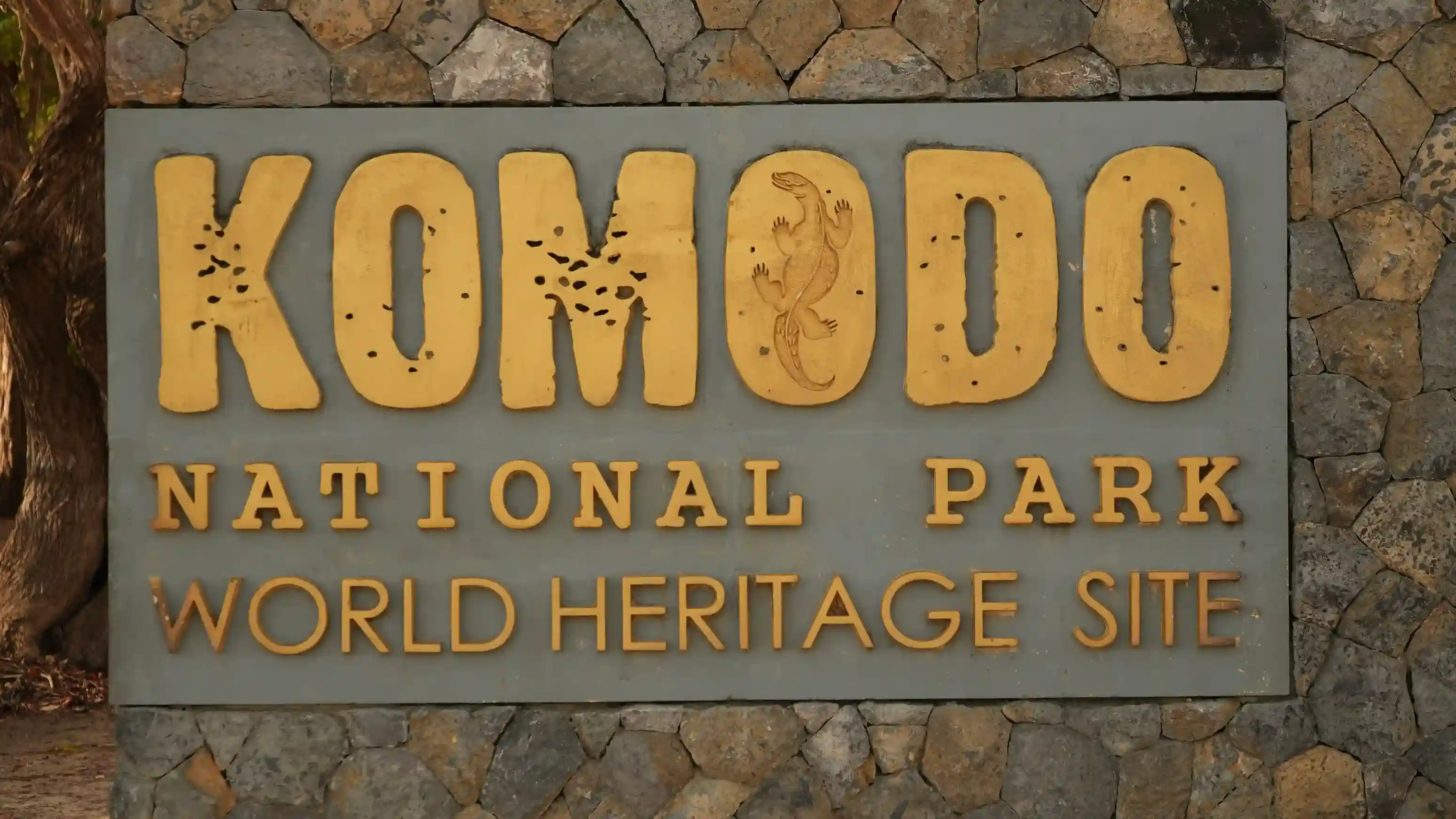
Komodo National Park has long been one of Indonesia’s most breathtaking natural treasures, a place where ancient dragons roam freely and turquoise seas surround untouched islands. For years, travelers from all over the world have dreamed of setting foot in this UNESCO World Heritage Site, whether to hike to the top of Padar Island, dive with manta rays, or simply bask in the serenity of nature.
But as more visitors discover this paradise, the park’s fragile ecosystem has faced growing pressure. To ensure the long-term preservation of its unique wildlife and marine life, the Indonesian government has announced a new visit regulation at Komodo National Park.
This new policy aims to balance environmental conservation with meaningful travel experiences. If you’re planning to explore this incredible destination, understanding these changes will help you prepare and ensure your trip remains both smooth and unforgettable.
Is Komodo Island Closing in 2026?
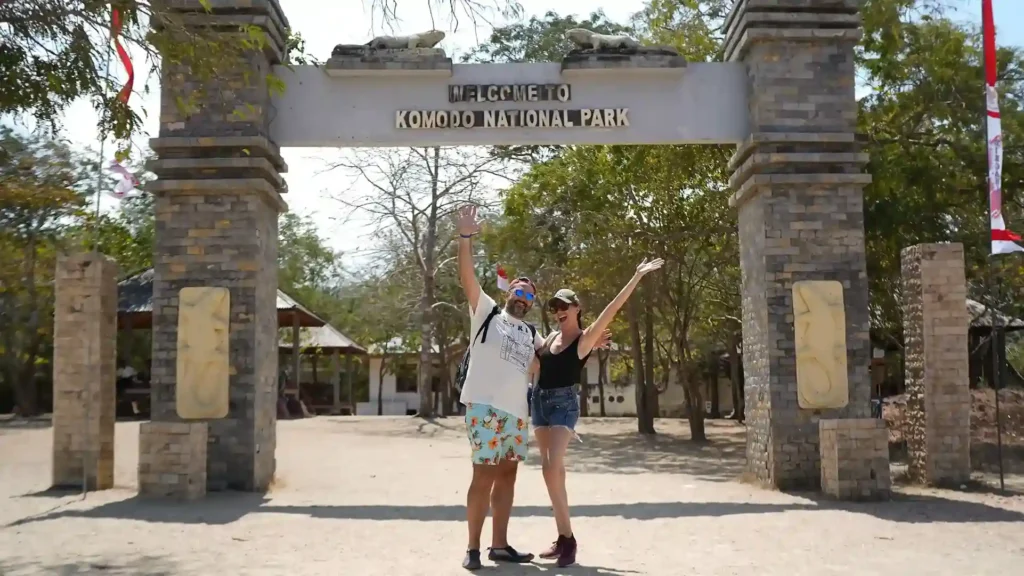
Rumors about Komodo Island “closing” in 2026 have been circulating. The truth is, the island itself is not closing, but new regulations are being introduced to protect its delicate ecosystems. It will remain open to visitors, though authorities will limit daily visitor numbers to reduce pressure on sensitive areas. These measures aim to prevent overcrowding and preserve the island’s natural beauty, allowing travelers who plan ahead to enjoy iconic sites without disruption.
Instead of closing, the new rules prioritize sustainable tourism by limiting the daily influx of tourists. This approach ensures the unique wildlife, coral reefs, and landscapes remain pristine for future generations. By adjusting schedules and planning visits in advance, tourists can still have a full Komodo experience. Overall, the changes are about responsible visitation, not restriction.
What Is the New Visit Regulation at Komodo National Park
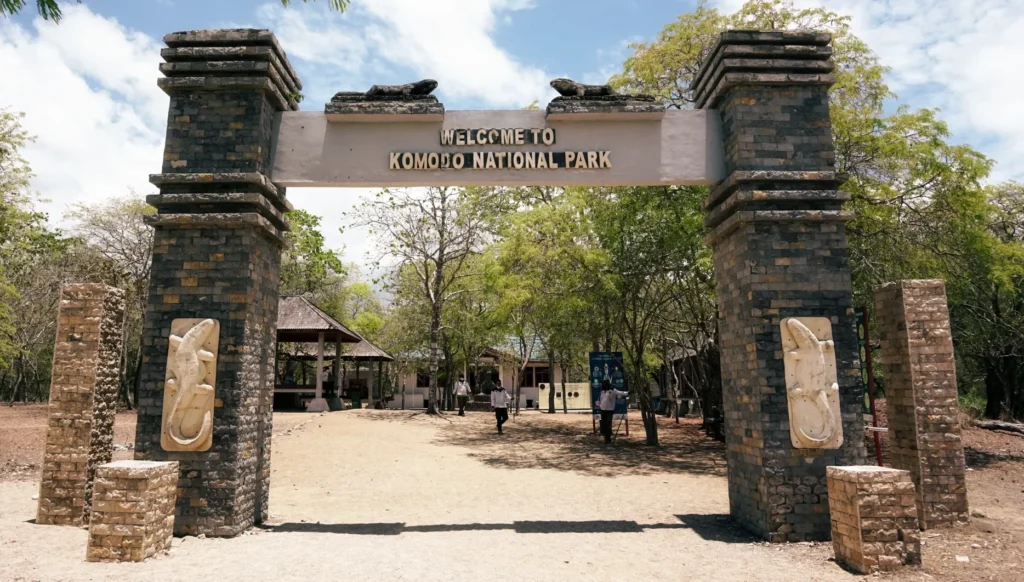
The New Visit Regulation at Komodo National Park is a structured visitor management policy designed to control the number of tourists entering the park each day. Implemented by the Balai Taman Nasional Komodo (BTNK) under the Ministry of Environment and Forestry, this regulation introduces a daily visitor quota to maintain sustainable tourism practices. Starting in April 2026, a daily cap of 1,000 visitors will be enforced to protect the park from overtourism.
Through this policy, the park authorities aim to protect the delicate balance of Komodo’s ecosystems, from its coral reefs and mangroves to its legendary Komodo dragons. Rather than focusing on high visitor numbers, the new system promotes a “quality over quantity” approach, ensuring every guest enjoys a more exclusive, peaceful experience while contributing to conservation efforts.
This regulation is also part of Indonesia’s broader sustainable tourism initiative, aligning with the Integrated Tourism Master Plan (ITMP) for Labuan Bajo and Flores. It reflects the country’s vision to make Komodo a global model of responsible luxury travel.
Reasons for the New Regulations at Komodo National Park

Over the past decade, Komodo National Park has seen a dramatic increase in visitor numbers, especially since Labuan Bajo became more accessible by air and sea. While this growth has brought undeniable benefits to local communities and the tourism sector, it has also led to growing concerns about over-tourism. The delicate balance between conservation and development has become increasingly difficult to maintain as more travelers explore the islands each year.
According to data from the Komodo National Park Authority, over 300,000 visitors entered the park in 2024 alone, a figure that highlights its global appeal but also the mounting pressure on its ecosystems. Popular trekking routes on Padar Island have begun to show signs of erosion, and excessive marine activity in diving and snorkeling zones threatens to disrupt coral reefs and underwater habitats. If left unmanaged, these impacts could have lasting effects on both the environment and the Komodo dragon population that the park is meant to protect.
The New Visit Regulation at Komodo National Park was therefore introduced as a proactive response to these challenges. By limiting daily visitor numbers and regulating access to sensitive zones, the government aims to prevent irreversible ecological damage while ensuring visitors continue to enjoy meaningful, high-quality experiences. This approach aligns with UNESCO’s call for sustainable tourism management, protecting Komodo’s natural treasures while fostering responsible, long-term travel.
Read more: How to Become an Ecotourist in Komodo National Park
Key Points of the New Regulation at Komodo National Park
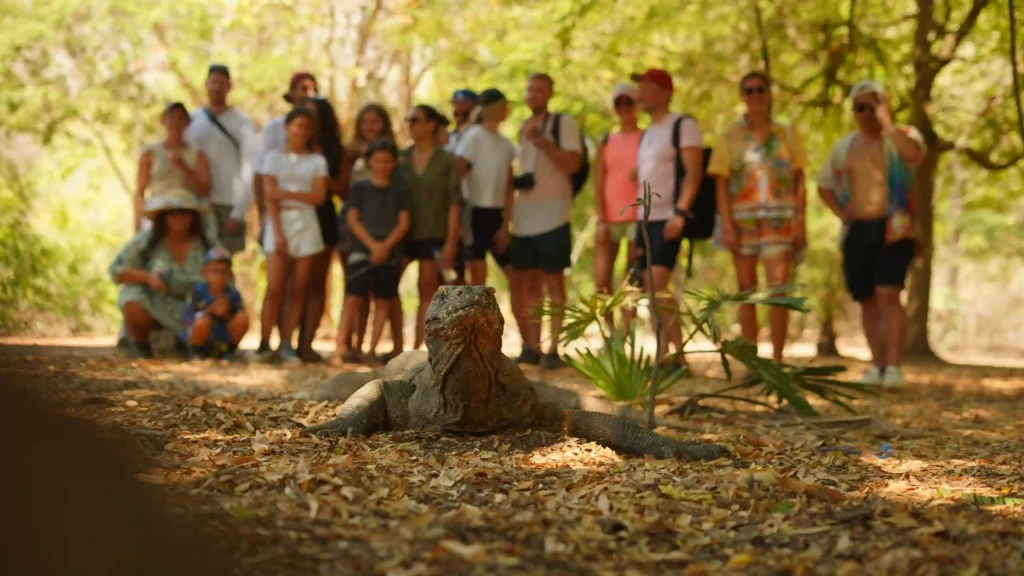
Here are the essential elements of the regulation that you must understand as a traveler.
Daily Visitor Cap of 1,000 People Each Day
The cornerstone of the new policy: a daily cap of 1,000 visitors across the regulated core zones of the park. This limit is derived from carrying capacity studies and is intended to ensure that ecosystems and visitor infrastructure are not overburdened. By capping daily numbers, the park can better manage foot traffic at iconic viewpoints, trails, and marine sites, helping preserve both aesthetics and safety.
Three Daily Visiting Sessions
To distribute visitor flow, the daily quota will be subdivided into three sessions:
- Session I: 05:00 – 08:00 WITA
- Session II: 08:00 – 11:00 WITA
- Session III: 15:00 – 18:00 WITA
Each session will accommodate about 300–330 people, particularly across heavily visited zones like South Padar. This division ensures that no single hour becomes overly congested, so trekking paths remain comfortable and photo spots aren’t overrun. It also helps spread out marine activity.
Simulation and Trial Period Before Official Launch
Instead of being implemented abruptly, the New Visit Regulation at Komodo National Park will be introduced gradually through a simulation and trial period. Authorities have begun conducting socialization programs and pilot phases to prepare tour operators, guides, and local communities for the transition. This step-by-step rollout allows everyone involved to adapt smoothly before the regulation is fully enforced.
By taking this phased approach, the government aims to minimize disruption to tourism activities while ensuring the new system runs efficiently. It also helps educate travelers and stakeholders about the importance of responsible visitation, setting a strong foundation for sustainable and well-managed tourism in the years ahead.
Focus on Quality Over Quantity Tourism
Perhaps the most profound shift is philosophical: this is not about excluding people, it’s about elevating how people visit. The regulation intends to:
- Attract mindful travelers who are willing to plan ahead and respect nature
- Offer more immersive, less hurried experiences
- Reinforce community-based tourism so that local people benefit more directly
- Uphold stricter environmental assessment for tourism infrastructure projects, as mandated by UNESCO reviews
In other words, the new regulation doesn’t just constrain, it redefines what it means to visit Komodo.
Implementation Timeline
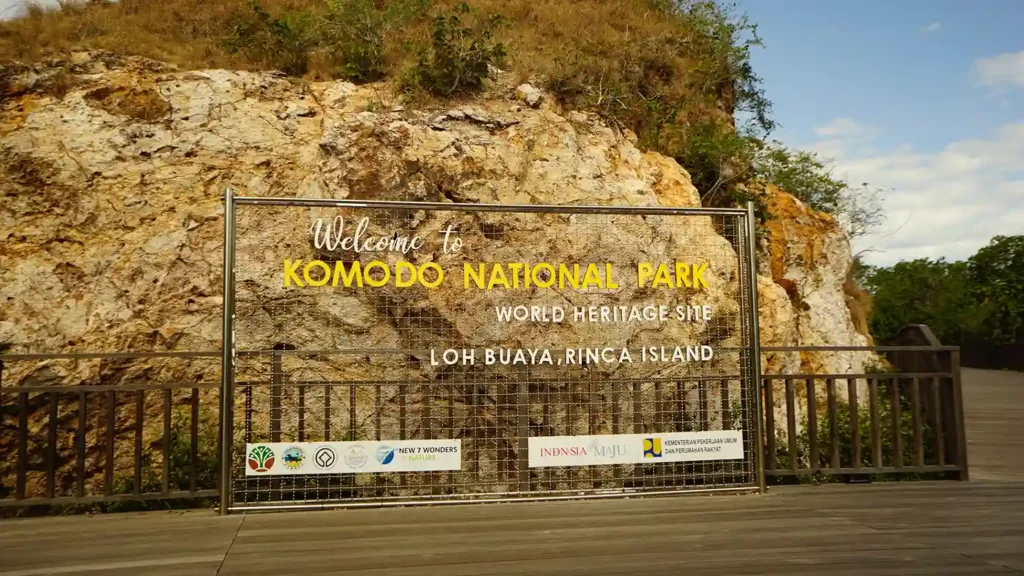
Here’s how the New Visit Regulation at Komodo National Park is rolling out over time:
| Period | Phase | What Happens |
| Oct–Dec 2025 | Socialization & Simulations | Public education, testing of session/quota models |
| Jan–Mar 2026 | Trial Phase with Maximum Quota | Quota & session schedule tested in real settings |
| April 2026 onward | Definitive Quota Implementation | Strict visitor limits, entry only by prior reservation |
Because 2025 is transitional, you may still see hybrid rules or adjustments. But from April 2026 onward, entry without compliance is likely to be refused.
Reservation Procedure via the SiORA App
To manage visitor capacity and ensure a well-regulated experience in Komodo National Park, all entry permits must be reserved through the SiORA application. Using the Komodo Reservation feature, visitors can select their visit date, destination access, time session, and required activities in accordance with official park regulations.
Below are the steps to complete your reservation through SiORA:
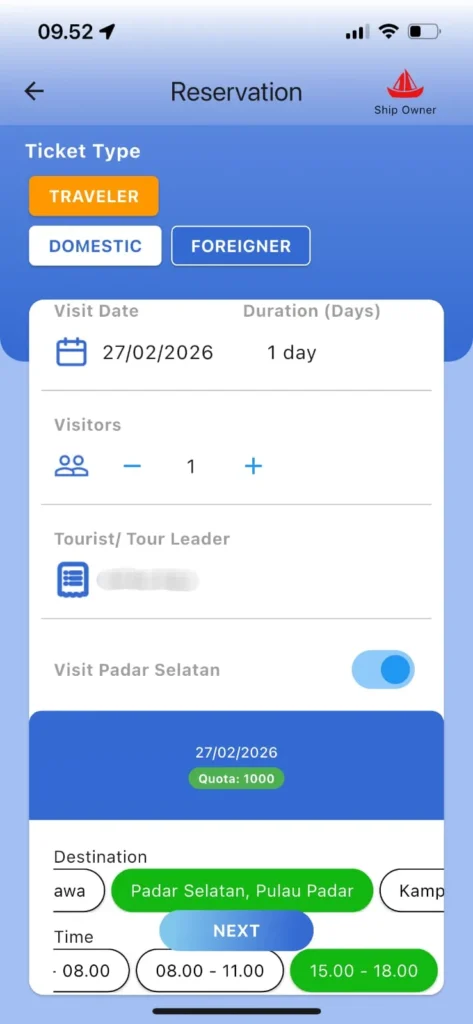
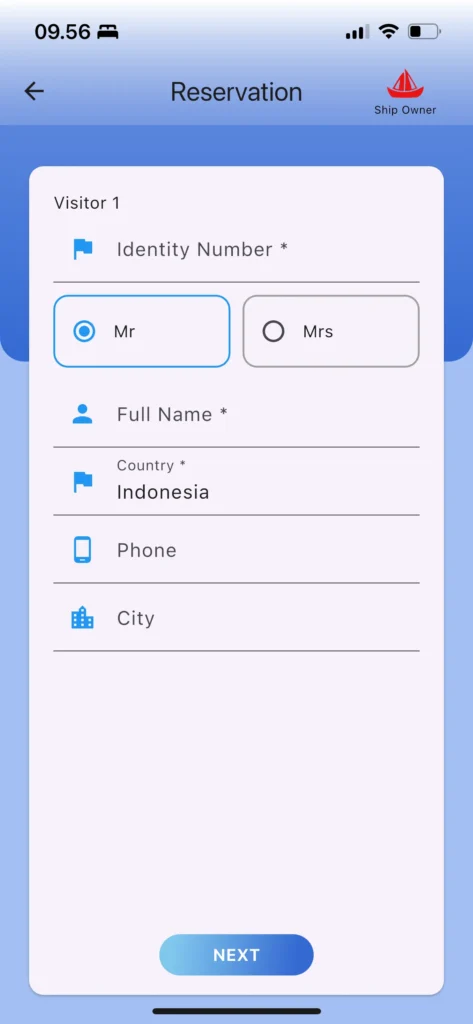
- Select the “Komodo Reservation” feature in the SiORA app
- Choose your visit date
- Check the visitor quota availability for the selected date
- Enter the number of visitors
- Activate the Visit Padar Selatan option if you plan to visit this area
- Select Padar Selatan as your destination
- Choose the time session for your Padar Selatan visit
- Add additional activity tickets if applicable
- Fill in visitor identity details, including identity number, full name, country, phone number, and city
By following these steps, your reservation will be officially registered in the system and aligned with the current regulations of Komodo National Park.
Tips for Planning Your Trip Under the New Rules
Here’s how you can navigate these new rules with confidence:
- Book as early as possible: With the strict cap, early reservation is essential. The sooner you commit, the better your chances of getting your preferred session.
- Select your visiting session smartly: Early morning (Session I) is cooler and tranquil. Midday is ideal for marine activities; late afternoon offers golden light. Be ready to adapt.
- Work with a premium operator: Partnering with Komodo Luxury ensures you’re granted quota slots, receive optimized itineraries, and avoid uncertainty. We deal with the backend so you don’t have to.
- Include buffer days in your schedule: Flights or boats may get delayed. Extra days let you shift sessions if needed without losing your trip.
- Travel during shoulder or off-peak seasons: Demand is lower, so securing slots is easier and the environment is more forgiving.
- Stay updated and flexible: Rules are still settling. Keep an eye on official announcements, operator notices, and regulatory changes.
- Respect eco-conscious guidelines: Stay on designated trails, avoid touching coral or wildlife, use reef-safe sunscreen, and carry out your trash. Under stricter enforcement, violations may carry penalties.
With these strategies, you ensure your Komodo visit is polished, respectful, and resilient to regulation changes.
Read more: Komodo Boat Tour: Complete Guide to Komodo National Park with KomodoLuxury
Let’s Visit Komodo National Park with Komodo Luxury!
As Komodo National Park enters a new era of responsible tourism, these updated regulations are designed to protect the region’s delicate ecosystems while still allowing travelers to enjoy its world-class experiences. With all the upcoming changes, one thing remains true, Komodo National Park will always be one of the world’s most extraordinary destinations. These new regulations aren’t meant to limit you, but to make sure this natural wonder stays as pristine as ever for years to come.
If you’re ready to explore Komodo National Park with comfort, convenience, and guaranteed compliance under the new rules, you can book a Komodo Island Tour through our curated Komodo Island Tour Packages. From luxury boats and curated itineraries to personalized diving or photography experiences, everything is designed to give you the best of Komodo, sustainably and seamlessly. Let’s travel in comfort, respect the park’s new sustainable standards, and witness Komodo National Park by booking Komodo liveaboard with Komodo luxury at its most serene, the way it was always meant to be experienced.