



























Komodo Dragon Season: When Is the Best Time to Witness Komodo in Komodo National Park?

When you think of adventure in Indonesia, few experiences rival witnessing the majestic Komodo dragons in their natural habitat. Known as the largest living lizards in the world, these apex predators captivate travelers with their powerful presence and fascinating behavior. Timing your visit according to Komodo Dragon Season can make all the difference between a fleeting glimpse and a truly memorable encounter.
So, how can you increase your chances of seeing these incredible creatures up close? In this article, you will understand their seasonal activity patterns. Komodo dragons are cold-blooded, which means their behavior changes with temperature and the time of year. Some months see them basking in the morning sun along trails, while at other times they retreat to shaded areas or forests, making sightings less predictable. By planning your trek around these natural rhythms, you not only enhance your chances of spotting Komodo dragons but also enjoy a more comfortable and safe experience.
Why Seasonality Matters for Komodo Dragon Sightings?

Komodo dragons don’t follow a fixed routine, their behavior changes with nature itself. Because they rely on external heat to regulate their body temperature, their activity levels shift depending on the time of year and climate conditions. This means the season you choose determines whether you’ll see them basking in the sun, guarding nests, or hiding deep in the forest. For travelers hoping to witness their true wild behavior, understanding these seasonal patterns becomes essential.
Beyond biology, seasonality also shapes your overall experience in Komodo National Park. The weather, temperature, and even the number of visitors affect how comfortably and safely you can explore. Trekking during the right season offers better visibility, calmer seas, and more active Komodo dragons along the trails. In short, knowing the Komodo Dragon Season helps you align nature’s rhythm with your own adventure.
Komodo Dragon Season: Timeline of Komodo Dragon Activity by Month

Every season in Komodo National Park brings a different rhythm to the dragons’ lives. Their behavior shifts as nature changes, from post-mating hunts to nesting and quiet retreats during hotter months. To truly understand when and how to see them at their most active, it helps to look at the timeline of Komodo Dragon Season throughout the year:
| Season | Activity Level | Why | Best Trek Time |
| March – May | Very High | Post-mating, cooler temperatures, Komodo dragons actively hunting and sunbathing | Morning (6–9 am) |
| June – August | Medium | Mating season: males are territorial, some Komodo dragons may stay hidden in forest | Early morning only |
| September – November | Very High | Post-nesting & cooler evenings, Komodo dragons feeding actively again | Morning (6–9 am) |
| December – February | Medium-Low | Hot & wet season; Komodo dragons seek shade, less active | Very early morning |
March – May: Post-Mating of Komodo Dragon
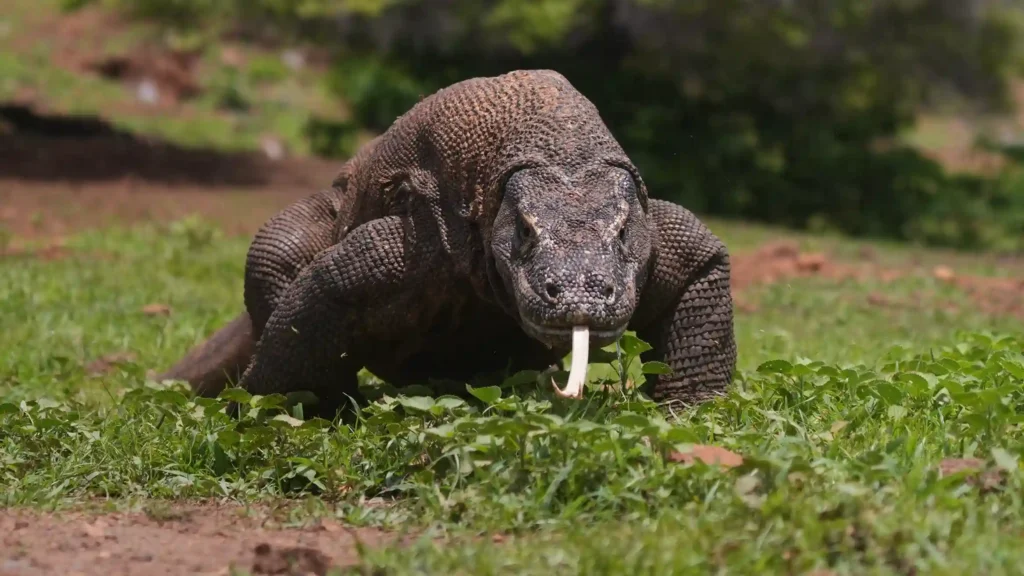
During the post-mating period, Komodo dragons are highly active. Cooler temperatures encourage Komodo dragons to move around trails, bask in the morning sun, and hunt for prey. This is one of the best times to witness multiple Komodo dragons along short and medium treks. As a visitor, the mornings between 6–9 AM offer prime viewing opportunities when the Komodo dragons are out warming themselves and patrolling their territories.
June – August: Mating Season of Komodo Dragon

The mating season Komodo dragon brings fascinating behaviors, but it also means dragons can be less visible. Male Komodo dragons become territorial, often engaging in ritual combat to establish dominance. While this is a rare spectacle to observe, it usually occurs in the forested areas, making casual sightings along popular trails less frequent. Early morning treks are still recommended for the best chance to see Komodo dragons, but expect fewer open encounters compared to post-mating or post-nesting periods.
September – November: Post-Nesting of Komodo Dragon

After nesting, female Komodo dragons rejoin the active population, and hunting activity increases across trails and waterholes. Cooler morning temperatures again encourage Komodo dragons to sunbathe and forage, making this window one of the peak periods for seeing a variety of individuals. This season also coincides with fewer tourists, offering a more exclusive experience for luxury travelers seeking high-quality encounters and photography opportunities.
December – February: Komodo Dragons Seek Shade

During the hot and wet months, Komodo dragon activity decreases as they retreat into shade to regulate their body temperature. Sightings are limited to very early morning hours, and many of the popular trekking areas may see less movement. Additionally, rough seas during the rainy season can disrupt boat transfers and limit access to remote islands, making this the least favorable period for luxury travel.
Read more: Best Time of Day to See Komodo Dragons
How Does Temperature Impact Your Chance to See Komodo Dragons?
Temperature plays a big role in how active Komodo dragons are. When the sun blazes too hot, they slow down; when the air cools, they start to roam and hunt again. Their movements, visibility, and even interactions with their environment change as the temperature shifts throughout the year. Here’s how temperature impacts your chance to see Komodo dragons in the wild:
- Cold-blooded Dragons: As reptiles, Komodo dragons rely on sunlight to regulate their body heat. When the temperature drops, they become sluggish and prefer staying in warm, open areas.
- Best Viewing – Morning (6–9 AM): This is when Komodo dragons are most active, often basking near trails or walking through open fields. Morning light also offers the best visibility and photo opportunities.
- Midday – Hiding from the Heat: As the temperature climbs, Komodo dragons retreat into shaded spots or burrows to cool off. During this time, sightings are rare, and the island feels more silent.
- Afternoon – Activity Returns: When the heat eases in late afternoon, Komodo dragons sometimes emerge again, especially near waterholes or open paths. You might spot them slowly moving as they prepare to rest before nightfall.
For travelers, understanding this natural temperature rhythm is key. it helps you plan your trek strategically and catch these ancient creatures at their liveliest moments.
What Do Komodo Dragons Do When It’s Not Mating Season?
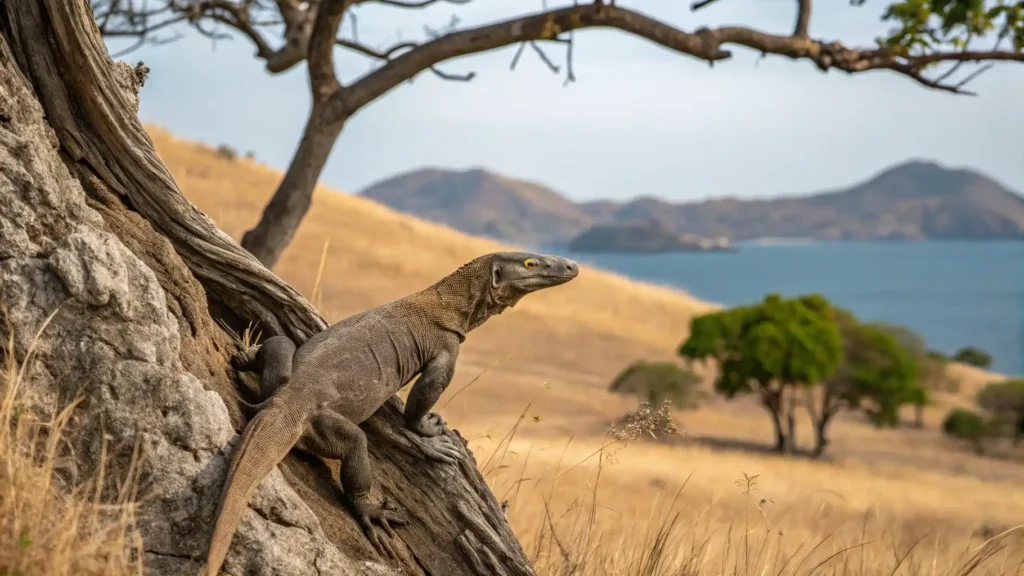
When Komodo dragons aren’t busy with courtship or guarding their nests, they still display a fascinating range of daily behaviors that reveal their instincts as apex predators. These moments, often quieter and more subtle than the mating season, offer travelers a glimpse of how these creatures truly live and survive in the wild.
Outside of mating and nesting periods, Komodo dragons engage in a variety of behaviors that are equally captivating to observe:
- Hunting and Ambushing: Komodo dragons are skilled hunters, often waiting silently along trails or near waterholes to ambush unsuspecting prey such as deer or wild boar. Their patience and precision make every encounter in the wild feel raw and primal.
- Scavenging: With their powerful sense of smell, Komodo dragons can detect carcasses from several miles away. It’s not uncommon to see multiple Komodo dragons gathering around a single kill, showcasing their dominance and feeding hierarchy.
- Thermoregulation: Even outside mating season, Komodo dragons spend a lot of time basking in the sun or retreating into the shade to maintain their body temperature. This behavior makes mornings and late afternoons the best times to spot them in open spaces.
- Juvenile Tree-Dwelling: Young Komodo dragons are surprisingly agile climbers. They spend their early years in trees to escape larger adults, a rare and memorable sight for visitors lucky enough to spot them among the branches.
What to Expect When You See Komodo Dragon?
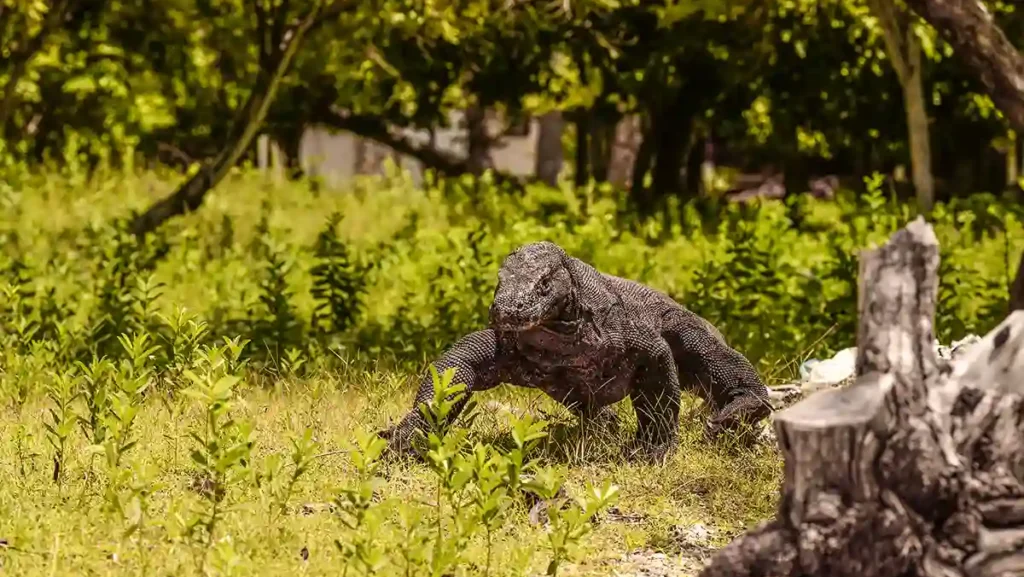
Seeing a Komodo dragon in the wild is one of those rare travel moments that feel almost unreal, like stepping into a living documentary. Yet, knowing what to expect before the encounter helps you stay safe and enjoy every second with confidence. Every sighting is unique, shaped by the Komodo dragon’s natural rhythm, temperature, and even the time of day. Here’s what typically happens when you explore their ancient habitat with a ranger-led trek.
Where You’ll See Komodo Dragons?
When you finally set foot on Komodo Island, you might wonder, where exactly can you find these legendary Komodo dragons in the wild? Their movements are influenced by heat, food sources, and terrain, so sightings can happen in several fascinating spots. Here’s where you’ll most likely encounter them during your trek:
- Ranger Station Areas: These are the easiest and safest places to spot Komodo dragons. They’re often seen resting or waiting for food scraps, making this area perfect for first-time visitors to observe their behavior up close, safely under ranger supervision.
- Trails & Clearings: As cold-blooded reptiles, Komodo dragons love open spaces where they can bask in the morning sun. It’s one of the best opportunities for close yet safe encounters and for capturing stunning photos of their scaly skin glinting under natural light.
- Waterholes: These quiet areas often reveal the Komodo dragons’ predatory instincts. You might find them drinking or lurking patiently for prey, a reminder that you’re in the territory of one of Earth’s oldest and most powerful hunters.
- Under Trees: When the day gets hotter, Komodo dragons retreat to shaded areas to cool off. Spotting one here gives you a different perspective of their behavior, calm, still, and perfectly blending into their surroundings.
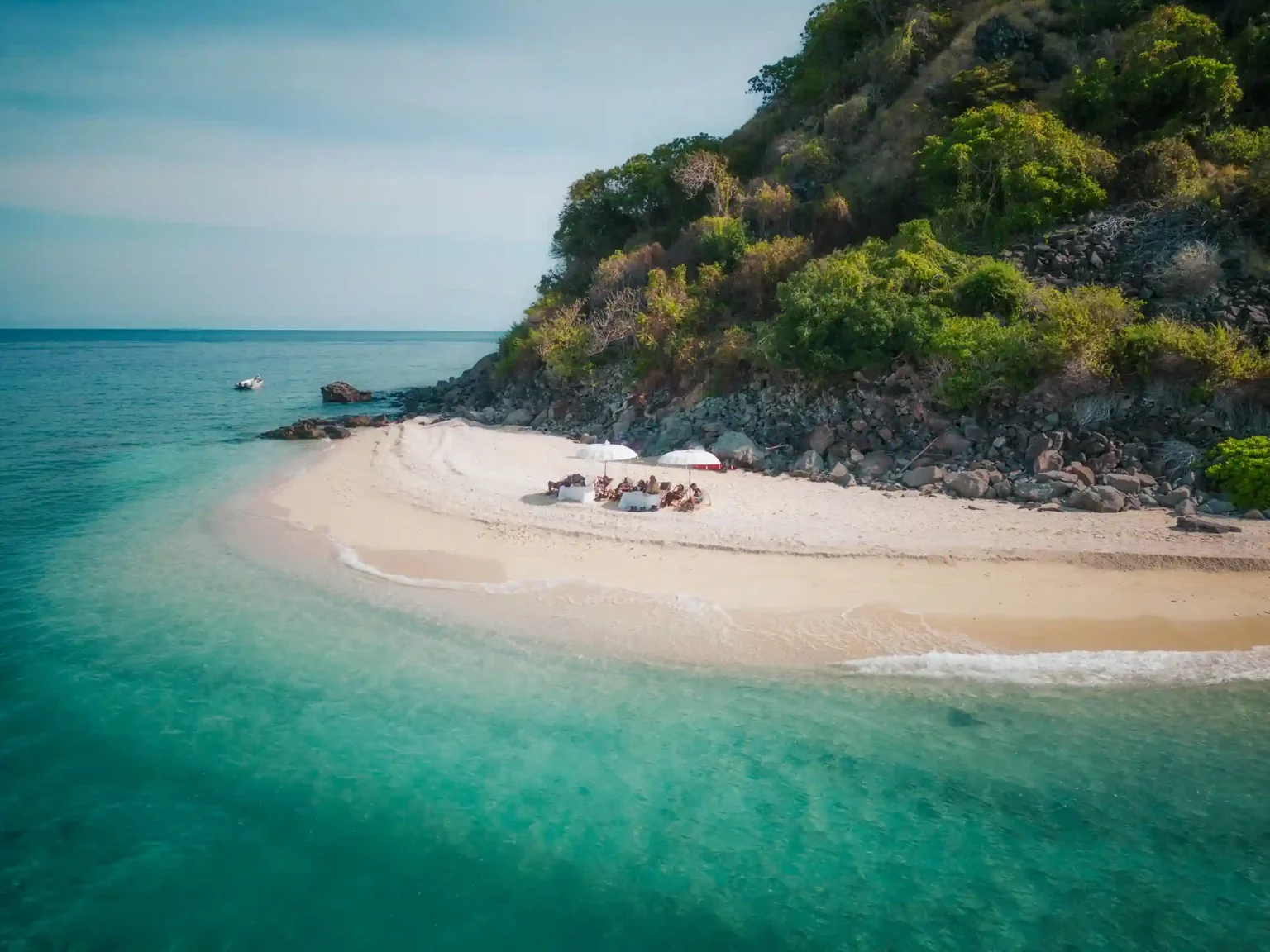
- Sometimes on Beaches Near Landing Points: Early in the morning, some Komodo dragons wander along the beach, occasionally visible right after you arrive by boat. It’s a surreal sight, a prehistoric creature against the backdrop of turquoise water and golden sand.
What You Can Do When You See Komodo Dragons?
After knowing where to find them, the next question is, what should you actually do when you finally come face to face with a Komodo dragon? These creatures may look calm from afar, but they are apex predators that demand respect and caution. Here’s how you can make the most of your encounter safely and responsibly:
- Photograph the Komodo Dragons from a Safe Distance: Capturing the moment is a must, but always stay at least three to five meters away. Use your zoom lens instead of stepping closer, it keeps both you and the Komodo dragon comfortable while still getting incredible shots.
- Ask Your Ranger Questions: Don’t hesitate to talk to your guide. Rangers know each Komodo dragon’s personality, behavior patterns, and history, so your questions often lead to fascinating insights about how these ancient reptiles survive and interact with their environment.
- Observe Their Natural Behavior: Watch how they move, rest, or even communicate with one another. You might catch moments of feeding or subtle dominance displays, experiences that feel like watching nature unfold right in front of your eyes.
- Respect the Wildlife Etiquette: Never touch, feed, or approach the Komodo dragons alone. These rules are not just for your safety but also to protect the natural instincts of these rare animals. Responsible travel ensures that future visitors can witness Komodo dragons just as you do, wild and untamed.
Read more: Komodo Dragon Myths vs Facts: You Won’t Believe What’s Actually True!
Safety Rules to See Komodo Dragons
Before you step into Komodo National Park, it’s important to remember that you’re entering the territory of one of the world’s most powerful predators. Here are essential safety guidelines every visitor should know not just to protect yourself, but also to respect the Komodo dragons and their natural habitat:
- Stay in Your Group and Behind the Ranger at All Times: Rangers are trained to read Komodo dragon behavior and react quickly if needed. Never wander off or walk ahead, staying close ensures everyone moves safely as a group.
- Keep a 5-10 Meter Distance from the Komodo Dragons: Komodo dragons can move surprisingly fast, especially when provoked. Maintaining distance allows you to observe and photograph them comfortably without crossing their comfort zone.
- Avoid Running or Making Sudden Movements: Quick actions can trigger the Komodo dragons’ instinct to chase. Move calmly and follow your ranger’s directions, especially when changing positions or taking photos.
- Do Not Feed or Provoke the Komodo Dragons: Feeding is strictly prohibited as it disrupts their natural behavior and can make them aggressive. Always observe quietly and never attempt to get their attention intentionally.
- Keep Children Close to Adults: Younger travelers should always stay near adults and rangers. Their smaller size and faster movements can unintentionally draw the Komodo dragons’ curiosity.
- Follow Ranger Instructions Immediately: When the ranger signals or gives a command, follow it without hesitation. Their experience ensures your adventure remains exciting, but always safe.
- Join a Trusted Tour Operator for a Safer Experience: The best way to explore Komodo National Park responsibly is by traveling with a professional tour operator that prioritizes safety and sustainability. With Komodo Luxury, every trip is guided by experienced local crews and certified rangers who ensure your Komodo dragon encounters are not only breathtaking but also completely secure.
Let’s Witness Komodo Dragons Safely with Komodo Luxury!
After exploring the fascinating rhythm of the Komodo Dragon Season, one thing becomes clear, timing truly defines your adventure. Each season offers its own magic, from the post-mating months when Komodo dragons roam actively under cooler skies, to the nesting period when the island feels quieter yet alive with hidden activity. By understanding when these giants are most visible, you get to witness their untamed beauty in the most authentic way possible. The best experiences always come from visiting Komodo at the right time, when nature, weather, and wildlife align perfectly.
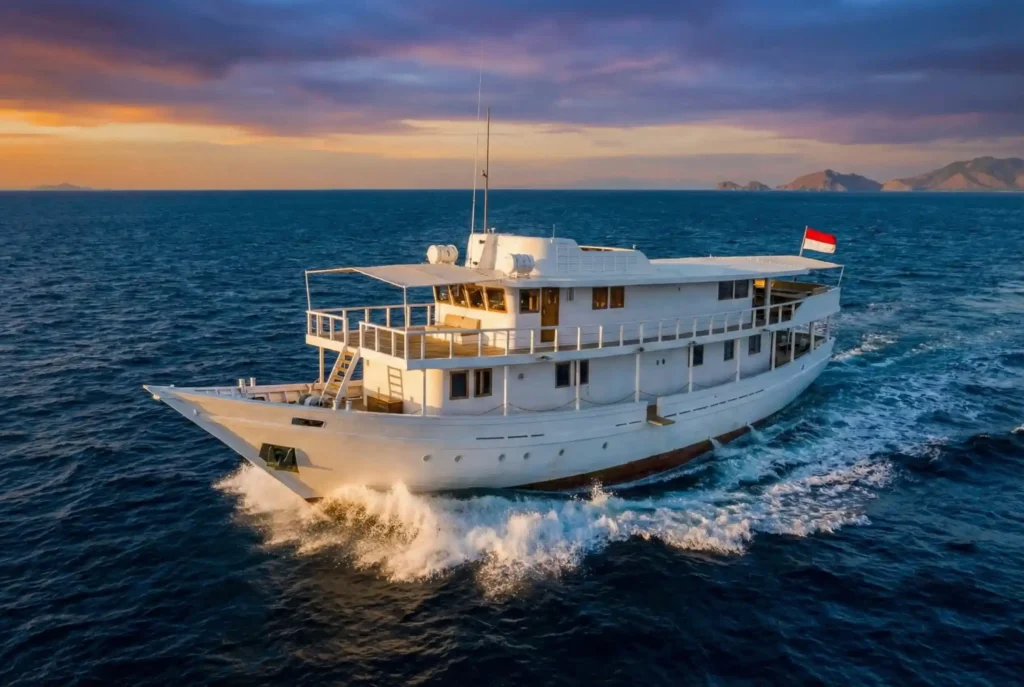
If you’re ready to turn that knowledge into a real adventure, join an exclusive Komodo Island tour with Komodo Luxury. Our private yacht experiences are designed for discerning travelers who value both comfort and discovery. Guided by expert local rangers, you’ll explore the park safely while getting front-row access to the Komodo dragons in their most active season. From breathtaking treks on Rinca and Komodo Island to tranquil moments on your luxury vessel, every moment is curated for awe and ease, the perfect way to witness the world’s last Komodo dragons in their natural kingdom.