






















Komodo Dragon Myths vs Facts: You Won’t Believe What’s Actually True!
Komodo dragons have long held a place in the imagination of explorers, adventurers, and nature lovers around the world. With their massive size, prehistoric look, and fearsome reputation, it’s no wonder they’ve inspired myths that range from the bizarre to the terrifying.
But how much of what you’ve heard is actually true? Before you head off to Komodo Island, it’s worth taking a closer look at the facts. In this guide to komodo dragon myths vs facts, we’ll debunk the most common misconceptions and uncover what makes these creatures truly fascinating.
The Allure of the Komodo Dragon
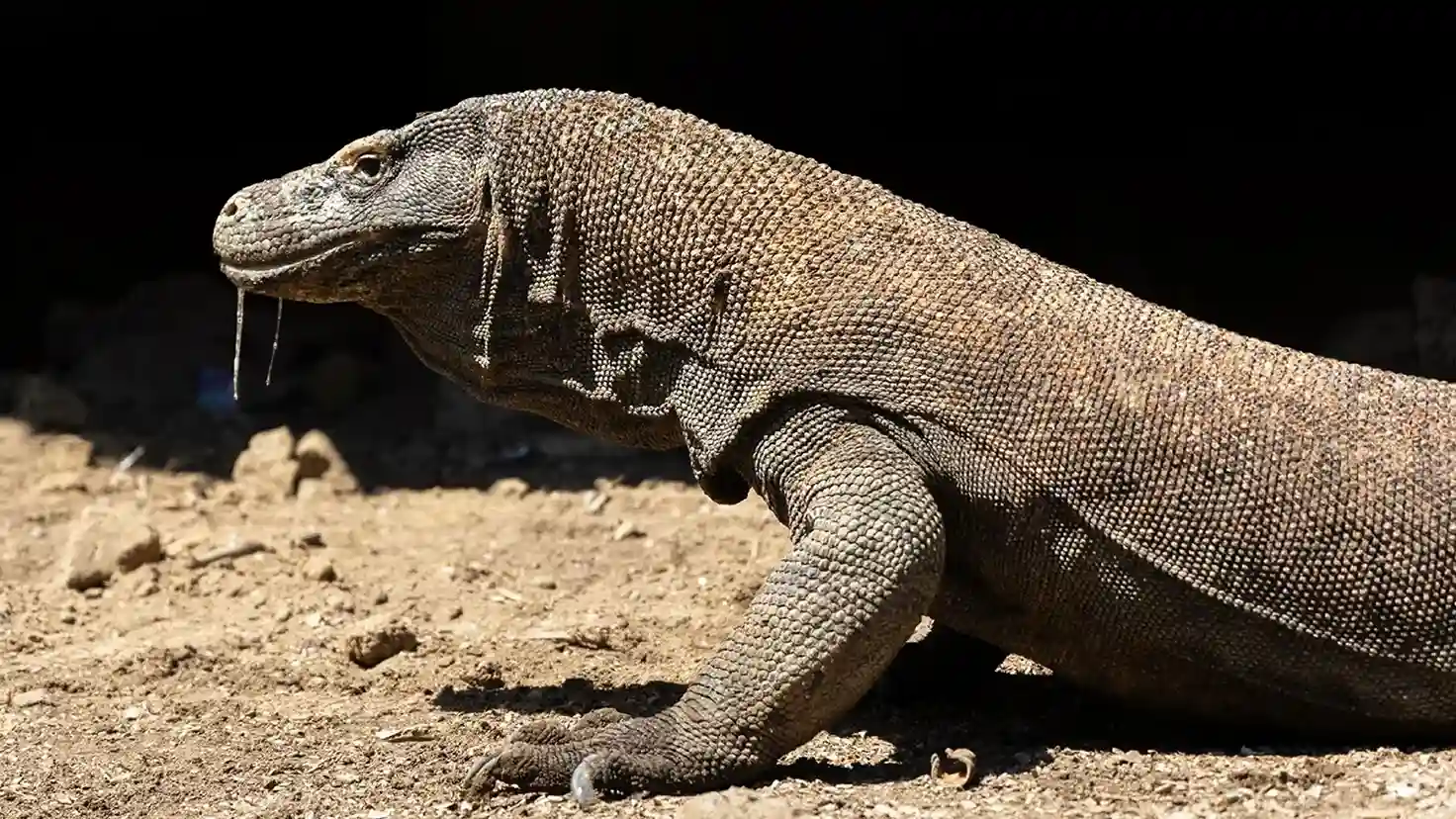
Endemic to a few islands in Indonesia, the Komodo dragon is the world’s largest living lizard, often reaching lengths of over three meters. With their rugged scales, powerful limbs, and piercing eyes, these reptiles evoke an image of prehistoric giants. It’s no surprise that many travelers are drawn to their fierce and ancient appearance. They are more than just wild animals, they are living relics of evolution.
Despite their fearsome look, Komodo dragons are fascinating creatures with distinct biological features. Many people still associate them with dinosaurs or mythical beasts, but these reptiles are very much part of our modern world. Their role as apex predators in their habitat makes them crucial to the ecosystem. Still, many of the things people believe about Komodo dragons aren’t quite true. Let’s explore what’s myth and what’s fact.
7 Komodo Dragon Myths vs Facts
Before visiting Komodo National Park, it’s helpful to sort out what’s real and what’s just rumor. Here’s a breakdown of seven popular komodo dragon myths vs facts, so you can explore with both wonder and confidence.
1. Komodo Dragon’s Bite Is Deadly Because of Dirty Saliva

For years, it was widely believed that Komodo dragons killed prey using bacteria-laden saliva, causing fatal infections over time. This myth spread through popular media and old narratives of Komodo bites. However, in 2009 scientists at the University of Melbourne demonstrated that Komodo dragons possess venom glands in their lower jaws, not merely infectious mouths. Their venom contains toxins that reduce blood pressure and prevent clotting, enabling rapid incapacitation of prey.
Instead of waiting for infections to take effect, Komodo dragons deliver a potent venomous bite and then track wounded prey until it weakens. Their serrated teeth tear flesh and allow venom to enter deeply, accelerating the process. The combination of physical bite and chemical venom makes them efficient predators, not carriers of deadly bacteria. This scientific clarification reframes the myth into a fact that emphasizes biology over rumor.
2. Komodo Dragons Can Breathe Fire Like Real Dragons
Some legends describe Komodo dragons as fire-breathing beasts, likening them to mythical dragons from fairy tales. Stories often exaggerate their size and abilities, making them seem otherworldly. In reality, Komodo dragons are modern monitor lizards and do not breathe fire or emit flames at all. These sensational descriptions stem from their prehistoric appearance, not any biological truth.
They grow up to about 3 meters long and weigh around 70 kg, far smaller than many myths suggest, and are firmly rooted in reality as reptilian predators. Although impressive, their capabilities have been verified through science, not fantasy. They don’t produce fire, nor do they have any heat-generating organs; they are real creatures with evolutionary adaptations. This myth vs fact comparison reminds readers that awe doesn’t require supernatural claims.
3. Komodo Dragons Hunt and Eat Humans Regularly
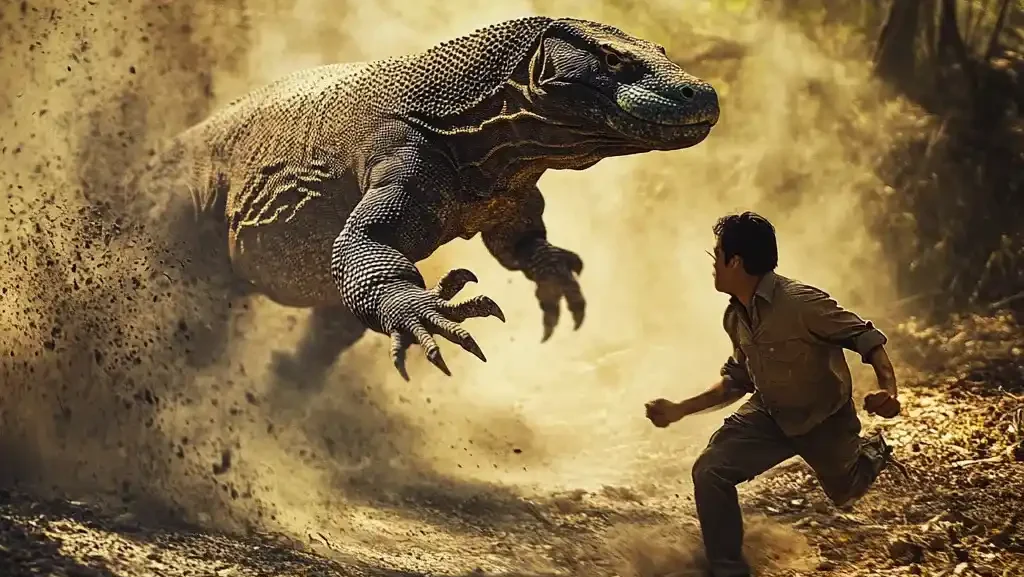
There’s a myth that Komodo dragons frequently prey on humans, reinforcing fear around them. Such portrayals make it sound as though humans are regular targets of these lizards. However, documented attacks are rare and most have occurred when people approached too closely or disturbed dragons during feeding. Incidents are usually associated with rule-breaking, not typical dragon behavior.
From 1974 to 2012, only 24 attacks were recorded, with five fatalities, and most victims were local villagers rather than tourists. In one 2017 case, a tourist in Komodo National Park was severely bitten after ignoring ranger guidance and approaching feeding dragons. Proper ranger supervision and respect for distance reduce risk substantially. Thus, the myth of regular man-eating is clearly debunked: human attacks are rare, situational, and preventable.
Read more: What to Do If a Komodo Dragon Is Chasing You? Find the Answer Here!
4. Komodo Dragon’s Bite Instantly Paralyzes Prey

A persistent myth claims that Komodo dragon bites instantly paralyze their prey, leaving targets immobile at once. This idea likely arose from dramatic storytelling or misinterpreted early observations. Factually, Komodo dragons do not release neurotoxins that immediately immobilize; instead, their strategy involves stealth, a venomous bite, and patient tracking until prey succumbs. Prey gradually weakens due to venom effects, not sudden paralysis.
They rely on ambush tactics, striking once then stalking injured prey until it is too weak to escape. The venom impedes clotting and induces shock, not instant immobilization. This gentle fading of prey’s strength is a deliberate predatory style rather than abrupt paralysis. This myth vs fact contrast clarifies how Komodos actually hunt using subtle biological tools.
5. Komodo Dragons Can Smell Blood from 5 Miles Away
Some myths claim Komodo dragons can detect blood from as far as five miles away, making them nearly preternaturally sensitive. Such exaggeration contributes to their fearsome reputation. Research shows that they use their forked tongue to sample airborne scent, and can indeed detect carrion or blood, but typically up to around 2.5 miles (≈4 km), not 5 miles.
Their keen olfactory sense helps locate prey or carrion over moderate distances, but environmental conditions like wind direction significantly influence actual range. The myth inflates their smell into a supernatural ability; the reality is impressive yet biological. In truth, it’s a sensory adaptation, not a magical power.
6. Komodo Dragons Only Exist on Komodo Island
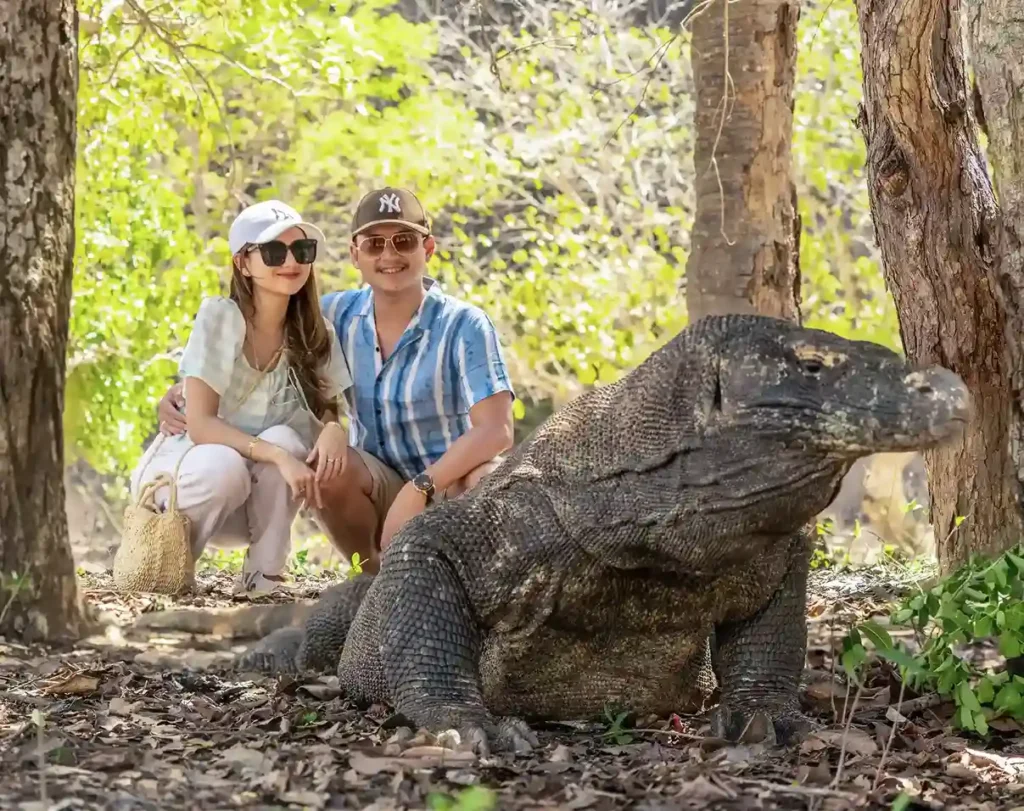
A common misconception is that Komodo dragons live only on Komodo Island, giving the species a narrow, exclusive habitat. Many people believe that’s the only place to see them. In truth, Komodo dragons inhabit several islands within Komodo National Park, including Rinca, Gili Motang, Gili Dasami, and parts of Flores Island. Their distribution spans a cluster, not a single island.
Population estimates show around 1,700 dragons on Komodo, 1,300 on Rinca, approximately 100 each on Gili Motang and Gili Dasami, and some fragmented populations on Flores. Some islands previously thought extinct in dragon presence, like Padar, have also seen occasional sightings. Visiting multiple islands increases your chances of authentic encounters and a broader ecological experience. This myth vs fact comparison corrects the narrow view and highlights the regional breadth of their habitat.
7. Komodo Dragons Are Dinosaurs That Survived Extinction
Many visitors assume Komodo dragons are living dinosaurs, carrying traits directly from prehistoric beasts. This myth taps into their fearsome looks and island isolation. Scientifically, Komodo dragons evolved around 900,000 years ago from monitor-lizard ancestors that originated in Australia, long after dinosaurs went extinct (~65 million years ago). They belong to the squamate lineage, not the dinosaur line.
Fossil evidence shows the Varanus genus dates back many millions of years, but is distinct from archosaurs like dinosaurs. Their ancient appearance may evoke dinosaurs, but biologically they are part of a reptile group separate from that era. The myth stretches their antiquity into fantasy, whereas the fact roots their evolution firmly in monitored scientific history.
Read more: How Dangerous Are Komodo Dragons? Find The Truth About These Creatures
Tips How to Navigate Komodo Dragon Myths vs Facts Wisely

With so many stories circulating about the Komodo dragon, some true, others pure myth, it can be tricky to separate fact from fiction. Especially if you’ve only heard about this creature through social media or secondhand tales. To help you navigate the confusion, here are some practical tips to tell myths apart from facts with confidence!
- Cross-Check with Credible Sources
Don’t rely on just one article or video when learning about Komodo dragons. Make sure the information comes from reputable sources like National Geographic, scientific journals, or conservation organizations. These sources are based on real research, not myths or dramatized stories. The more scientific the data, the more accurate your understanding will be. - Be Cautious of Viral Content
Social media often spreads exaggerated or false claims, like Komodo dragons being man-eaters or breathing fire. While they are powerful predators, such claims are not backed by science. Use common sense and a bit of skepticism when something sounds too extreme. Misinformation often starts with shock value to get attention. - Ask Local Guides and Experts
If you’re visiting Komodo National Park, take advantage of local expertise. Licensed guides are trained to provide factual information about the dragons and their behavior. They can help you separate cultural stories from biological facts. Asking questions on-site is one of the best ways to learn responsibly. - Understand The Science Behind Their Behavior
Many myths exist because people don’t understand Komodo dragon biology. For example, their bacteria or venom is often misrepresented in popular media. Learn how their immune system and hunting strategy actually work. Scientific knowledge helps dispel fear and builds respect for the species. - Don’t Confuse Myths with Cultural Legends
Some myths are rooted in local folklore, which can be beautiful and symbolic, but not always factual. It’s important to respect these cultural stories without taking them as literal science. Understanding this distinction helps you appreciate both the culture and the animal itself. Let the legend enrich your visit, but let science guide your understanding.
Let’s See Komodo Dragons in the Wild Safely with Komodo Luxury!
After breaking down the most common myths about Komodo dragons, one thing is clear: these creatures are often misunderstood. By separating myths from facts, we gain a deeper appreciation for just how unique and remarkable Komodo dragons really are. Understanding them better also helps promote conservation and respectful encounters in the wild.And the best way to witness these incredible reptiles for yourself? Join a Komodo Island Tour with Komodo Luxury. We offer curated, safe, and stylish trips guided by experts who know Komodo dragons inside and out. From comfortable yacht experiences to guided treks with rangers, you’ll explore Komodo National Park with confidence and awe. It’s time to turn your curiosity into a once-in-a-lifetime adventure, let Komodo Luxury take you there.