






























Komodo Dragon Digestive System: Amazing Facts You Need to Know!
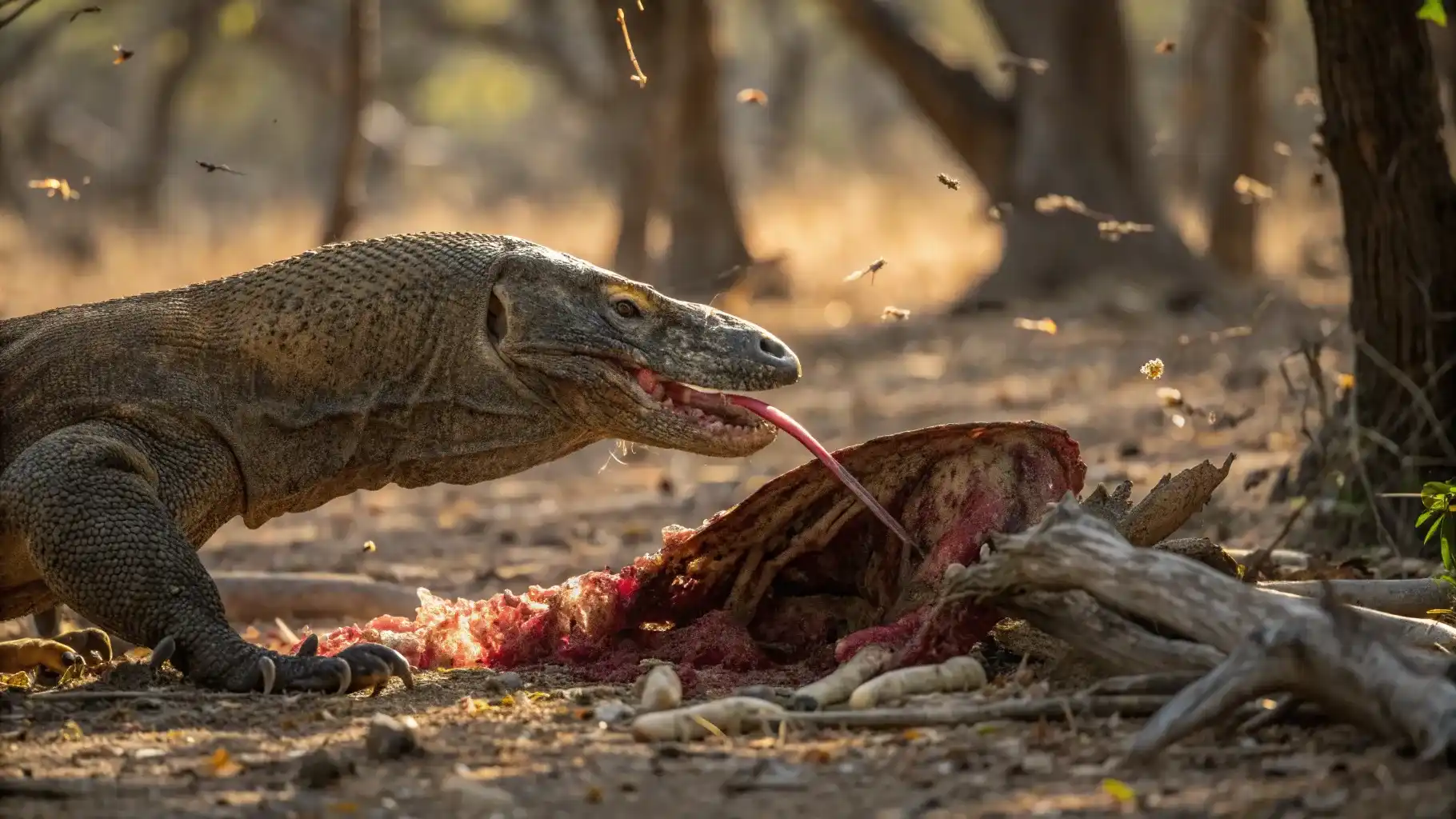
When you picture the Komodo dragon, what comes to mind first? Maybe its towering size, sharp claws, or those powerful jaws. But beyond its intimidating look lies one of nature’s most fascinating biological marvels, the Komodo dragon digestive system.
This extraordinary system is what allows the world’s largest lizard not only to survive but to thrive in some of the harshest island environments. How can a creature eat almost an entire animal, bones and all, and still walk away without harm? As you read on, you’ll uncover how this unique digestive process works, why scientists continue to be amazed by it, and what makes it such a remarkable adaptation in the animal kingdom.
Fun Fact Overview About Komodo Dragon Digestive System
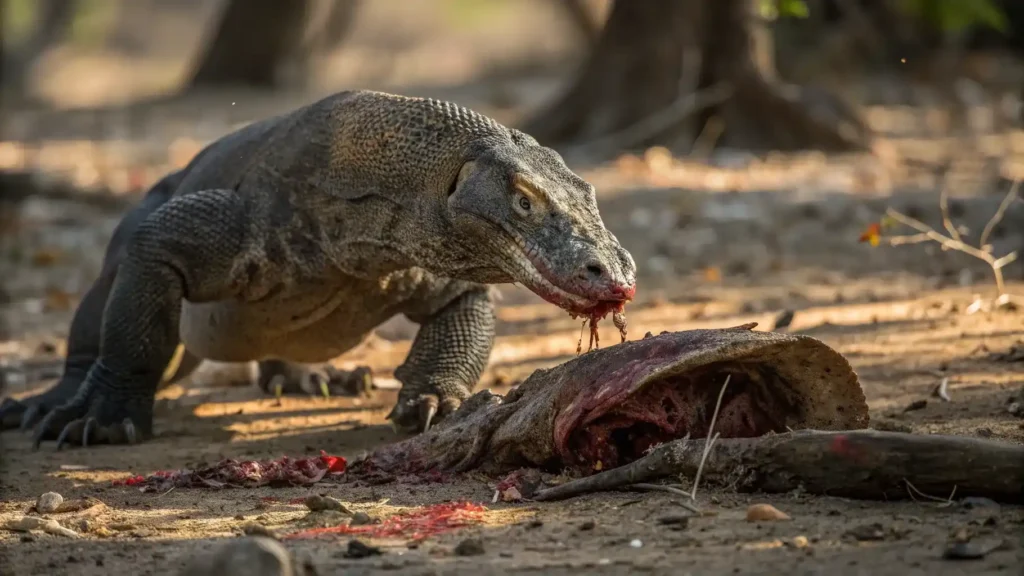
Before diving deeper, let’s look at a few fascinating facts that make the digestive system of Komodo dragons a true wonder:
- Komodos can eat up to 80% of their body weight in a single meal. To put that into perspective, imagine a 70 kg lizard swallowing over 50 kg of food in one sitting, almost like a human eating hundreds of hamburgers at once.
- What makes this even more remarkable is how little they waste. Their digestive power is so extreme that they can break down almost every part of their prey, from flesh and skin to bones, leaving behind only indigestible materials like hair or horns, which are later expelled as pellets.
- Instead of chewing their food, they gulp it down. With loosely hinged jaws and a flexible throat, Komodos are able to swallow massive chunks of prey whole, which saves them time and energy during feeding.
- After such a feast, the process doesn’t stop there. As cold-blooded reptiles, they need to bask in the sun to generate enough heat that speeds up their digestion. A full meal may take up to four weeks for a Komodo dragon to digest.
- And once their stomachs are full, patience takes over. A single large meal can provide enough energy to sustain them for weeks, allowing them to thrive in environments where food can be scarce.
- Emergency weight reduction. When threatened, Komodo dragons can throw up the contents of their stomachs to lessen their weight in order to flee. This unique ability ensures their survival in dangerous situations.
These fun facts are just the beginning. To truly understand the Komodo dragon digestive system, we need to follow the journey of food from the bite to the final waste.
Komodo Dragon Digestive System
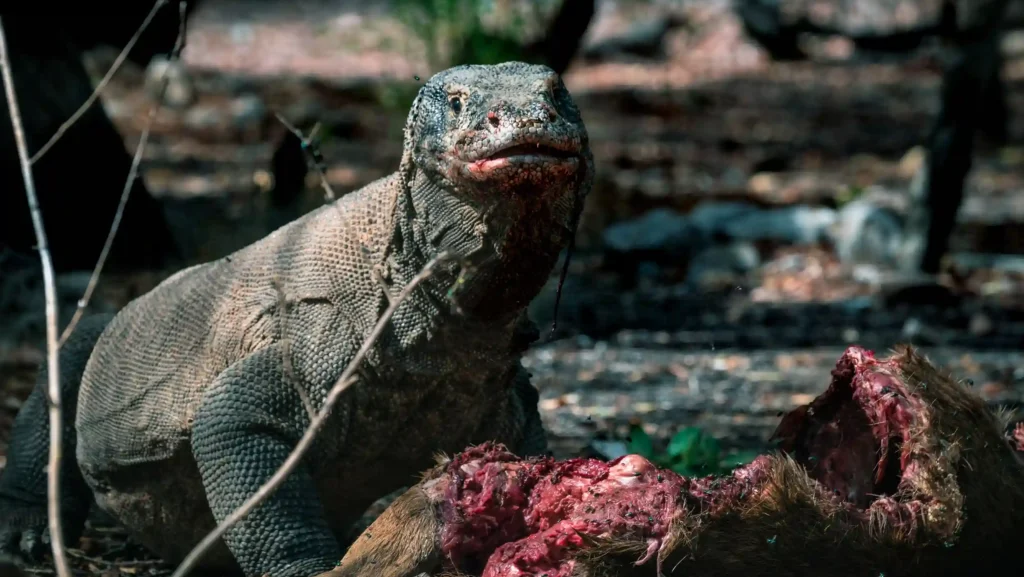
The Komodo dragon digestive system is not just about eating huge meals, it’s about how their bodies handle every stage. To understand this better, let’s look at the digestion process step by step, and then explore the unique adaptations that make it all possible.
The Komodo Dragon Digestive Process
Komodo dragon digestive system works like a perfectly tuned engine, taking food through several fascinating stages:
- The Hunt and First Bite
Everything begins with the attack. Komodo dragons eat using sharp, serrated teeth and strong jaws to kill prey such as deer or wild boar. Instead of chewing, they rely on their hunting strategy to immobilize victims with a venomous bite that delivers toxins and spreads harmful bacteria. Once the prey weakens, the dragon uses its teeth for tearing large chunks of flesh that can be swallowed nearly whole. - Swallowing Whole Chunks
Thanks to their flexible skulls, loosely hinged jaws, and stretchy throats, Komodo dragons can gulp down pieces of meat that look far too large for their bodies. Their forked tongue helps them sense the environment, track stationary objects, and detect prey from kilometers away, making their feeding more efficient. This ability to swallow large portions allows them to eat quickly before scavengers arrive. - Stomach Expansion and Breakdown
Once food reaches the stomach, the real work begins. The stomach expands like a balloon to hold an enormous amount of meat. Once in the stomach, an intense mix of acids and enzymes dissolves tough tissues, turning even bones into a nutrient-rich broth that fuels the body. - Efficient Nutrient Absorption
As digestion progresses, nutrients flow into the bloodstream, fueling the dragon’s muscles and storing energy for long periods. This efficiency is what allows them to survive weeks without another meal. - Expelling the Indigestible
Of course, not everything can be processed. Indigestible remains such as hair, horns, or hooves are compacted into foul-smelling pellets and regurgitated, keeping the system free of blockages. By ejecting waste in this way, the digestive tract stays clean and ready for the next feast.
The Komodo Dragon Digestive Adaptations
Komodo dragon digestive system has several unique adaptations that allow these reptiles to survive and thrive as apex predators. Here are the most remarkable ones:
- Exceptionally Strong Stomach Acid
Few predators come close to their stomach chemistry. Komodo dragons generate gastric acids strong enough to liquefy meat and bone, while also neutralizing dangerous bacteria that would sicken other animals. This means they can safely consume decaying carcasses that would be toxic for many other predators. - Energy-Saving Metabolism
After devouring a massive meal, Komodo dragons can slow their metabolism dramatically. This allows them to survive for days, or even weeks, without eating again, a vital adaptation in island habitats where prey can be unpredictable. - Specialized Gut Microbiome
Inside their digestive tract, Komodo dragons host unique bacterial colonies that help them process protein-heavy diets. These microbes ensure that every nutrient is absorbed efficiently, making the most out of each meal. - Efficient Waste Expulsion
Not everything they swallow is digestible. To deal with indigestible matter, their bodies compact hooves, hair, or horns into solid pellets that are eventually expelled, a smart way to maintain digestive efficiency. This protects their digestive system from blockages and keeps them healthy. - Adaptation to Harsh Environments
Living in the rugged landscapes of Komodo, Rinca, and Flores means food isn’t always plentiful. Their ability to consume large prey, store energy, and resist infections gives them a survival edge over other predators.
Together, these adaptations highlight why the Komodo dragon isn’t just impressive on the outside but also extraordinary on the inside.
Read more: What Does a Komodo Dragon Eat? Discover the Diet of the World’s Largest Lizard Here!
Tips for Observing Komodo Dragons Safely

If you’re planning a trip to Komodo National Park, here are some must-know tips to make your adventure safe, fun, and unforgettable:
- Always Follow the Ranger’s Instructions
Komodo National Park requires every visitor to be accompanied by a licensed ranger. These guides know the dragons’ behavior and the safest routes, so their instructions are your number one safety rule. - Keep a Safe Distance
Never get too close, even if the dragon looks calm. Komodos can sprint short distances with surprising speed, and their bite can be dangerous. A safe distance protects both you and the animal. - Stay Calm and Avoid Sudden Movements
Komodo dragons are sensitive to quick motions, which can trigger their predatory instincts. Move slowly and avoid startling them, ensuring a peaceful encounter. - Be Well-Prepared for the Trek
When exploring Komodo dragon territory, preparation is key. Wear lightweight and comfortable clothing, along with sturdy shoes that can handle uneven terrain. Don’t forget essentials like drinking water, sunscreen, and a hat to protect yourself from the island’s heat. Being well-prepared ensures you stay comfortable and energized throughout the adventure. - Join a Trusted Tour Operator
The safest and most convenient way to experience Komodo dragons is through a reputable tour operator. With trusted guides, organized itineraries, and well-planned safety measures, you’ll enjoy the trip with peace of mind. - Respect the Natural Habitat
Komodo dragons are wild animals living in a fragile ecosystem. Avoid leaving trash, touching wildlife, or straying off marked paths. By respecting their environment, you help preserve the island for future generations.
Read more: Best Time of Day to See Komodo Dragons
Let’s Experience Komodo Dragon Safely with Komodo Luxury!
The Komodo dragon is more than just the largest lizard in the world, it’s a living relic of prehistoric times with extraordinary survival adaptations. From their powerful digestive system to their ability to thrive in harsh island environments, every detail makes them one of nature’s most fascinating predators. Observing them in the wild is an unforgettable experience, but it also requires careful attention to safety.
To make your adventure both thrilling and worry-free, the best option is to join a Komodo Island Tour with Komodo Luxury. With expert guides, curated itineraries, and personalized service, you’ll be able to see these majestic creatures up close while staying safe and comfortable. Whether it’s trekking through Komodo National Park or relaxing on a luxury yacht, Komodo Luxury ensures your journey is not only memorable but also perfectly taken care of from start to finish.