












How to Get to Cenderawasih Bay 2026: Here’s Your Complete Guide!
Last Updated January 2026
If you’ve ever dreamed of swimming alongside gentle whale sharks in a pristine marine sanctuary far away from the crowds, Cenderawasih Bay might just be your ultimate escape. Tucked away in the remote region of West Papua, Indonesia, this extraordinary destination is more than just a dive spot, it’s a living masterpiece of marine biodiversity.
Imagine gliding through turquoise waters surrounded by untouched coral gardens, exploring historic World War II wrecks, and experiencing the rare beauty of Papua whale shark conservation efforts firsthand. Whether you’re a diver, nature enthusiast, or luxury traveler seeking exclusivity and authenticity, this hidden paradise offers an adventure that few places on Earth can match.
But where exactly is it and more importantly, how do you get to Cenderawasih Bay? In this guide, you’ll discover everything you need to know, from the best routes and travel logistics to the best time to visit and how to experience it in true luxury.
Key Takeaways
- To get to Cenderawasih Bay, first you need to fly from a major Indonesian hub, such as Jakarta or Bali, to Nabire (NBX) or Manokwari (MKW), the closest regional airports to the bay.
- Then, take a boat or join a luxury liveaboard from the airport to your chosen part of the bay, whether for diving, snorkeling, or exploring whale sharks.
- You can arrange your boat or liveaboard transfer in advance with a trusted operator like Komodo Luxury to ensure a seamless, comfortable, and stress-free arrival.
Why Cenderawasih Bay is a Must-Visit in 2026?
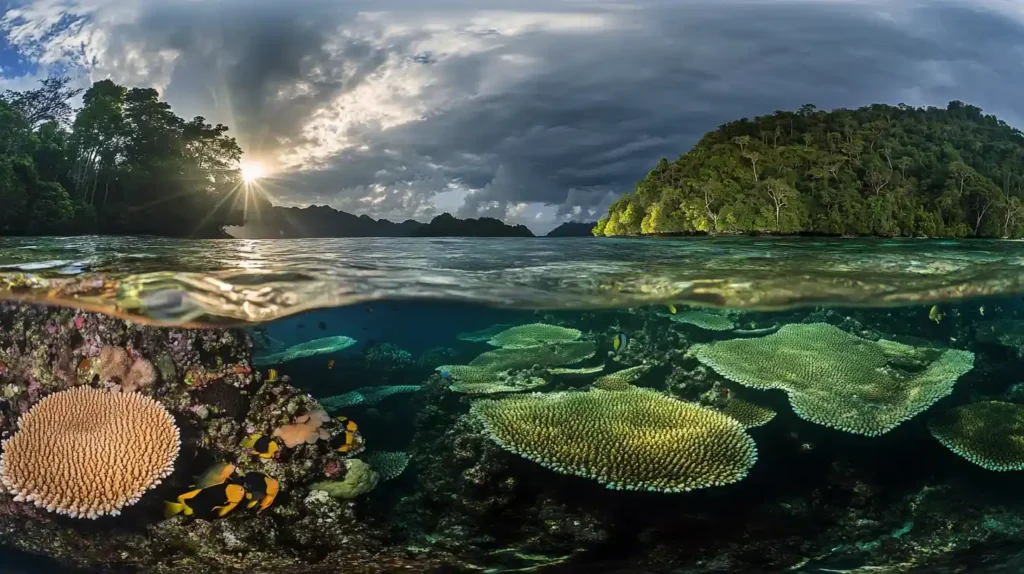
There are countless dive destinations across Indonesia, but Cenderawasih Bay National Park stands in a league of its own. Spanning over 1.4 million hectares, it’s Indonesia’s largest marine park, renowned for its calm waters and rich underwater ecosystem. What makes this destination so unique is its resident population of whale sharks, the gentle giants of the sea. Unlike most places in the world where encounters are seasonal, in Cenderawasih Bay you can swim or dive with whale sharks almost all year round.
These magnificent creatures have developed a fascinating relationship with local fishermen, often gathering near bagan (traditional fishing platforms) to feed on small fish. Beyond the whale sharks, Cenderawasih Bay is a treasure trove of marine life. You’ll find endemic species in Cenderawasih, vibrant coral formations, and even WWII shipwrecks resting peacefully beneath the surface, perfect for those who love wreck diving in Papua. Every dive site feels like a journey back in time, a chance to connect with the ocean in its purest form.
For luxury travelers, the bay offers an unparalleled sense of exclusivity. It’s remote, unspoiled, and rarely crowded, making it a true hidden gem for those seeking serenity and discovery away from commercial tourism.
Where is Cenderawasih Bay?
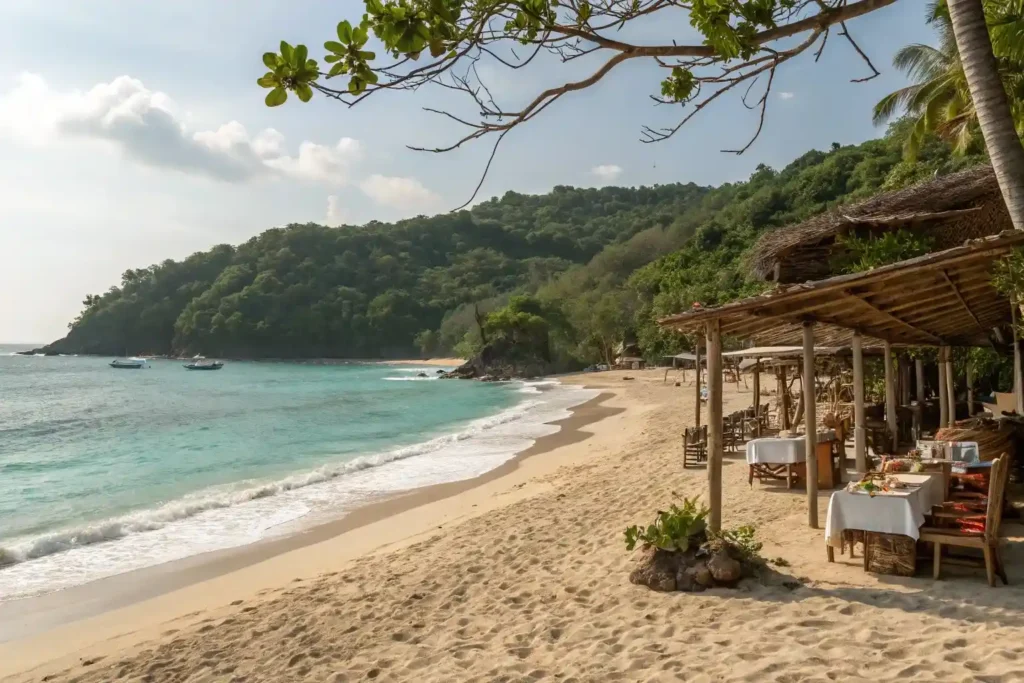
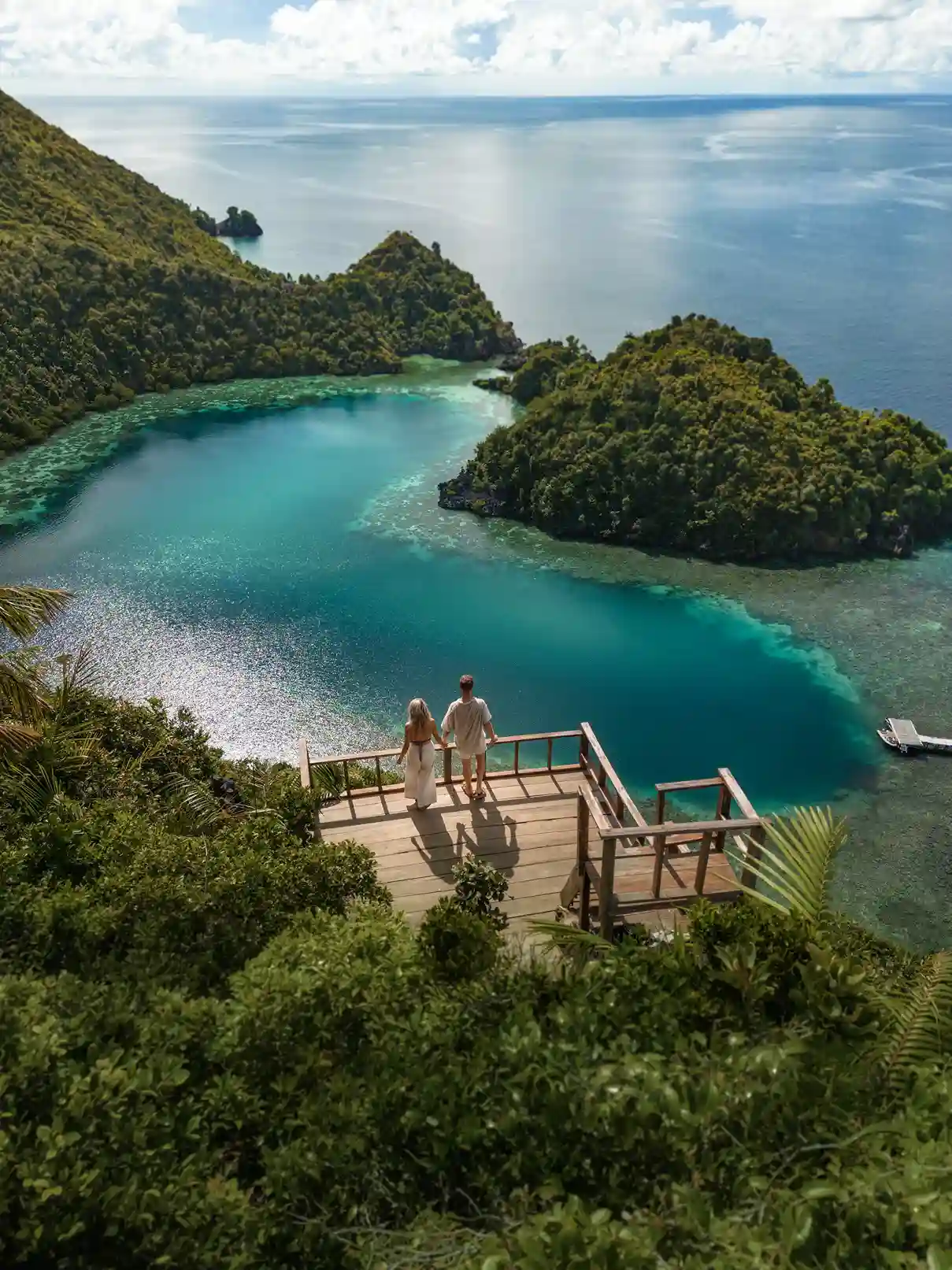
Cenderawasih Bay is located in West Papua, Indonesia, stretching across two provinces, Papua and West Papua. This vast marine park lies along the northern coastline of the Bird’s Head Peninsula, encompassing areas like Teluk Wondama, Nabire, Manokwari, and Yapen Islands Regency. It’s a remote and protected part of Indonesia, where the land meets the Pacific Ocean in a breathtaking union of wild beauty and serenity. The bay’s expansive geography makes it one of the most diverse and ecologically significant regions in the country.
Because of its secluded location, reaching Cenderawasih Bay takes some effort, but that’s exactly what makes it so special. The journey itself feels like part of the adventure, leading you into a world untouched by mass tourism. When you finally arrive, the calm waters, dramatic coastal landscapes, and peaceful atmosphere create a sense of timelessness that few destinations can offer. It’s the kind of place where nature still reigns supreme, and every moment feels intimate and pure.
The bay’s remoteness also plays a vital role in preserving its extraordinary underwater ecosystem. Cenderawasih Bay’s marine biodiversity thrives here, with more than 950 species of fish and over 500 types of coral. You might encounter manta rays, dolphins, and even whale sharks, which have become the area’s most iconic residents. This combination of pristine nature, abundant marine life, and raw tranquility makes Cenderawasih Bay one of Indonesia’s most precious natural sanctuaries.
Read more: 10 Best Places to Dive in Indonesia: Explore Underwater Paradise!
Best Time to Visit Cenderawasih Bay 2026

The best time to visit Cenderawasih Bay is from October to April, when the sea is calm, visibility is clear, and the weather is warm and stable. These months are perfect for diving, snorkeling, or simply cruising across the bay’s turquoise waters. You’ll also have the highest chance of meeting the gentle whale sharks of Papua, which are often seen feeding near traditional fishing platforms. Whether you’re an underwater photographer or a casual snorkeler, this season offers the most magical conditions.
Outside of this period, the bay remains open to visitors, but you can expect heavier rainfall and slightly rougher seas. Even then, Cenderawasih Bay diving continues throughout the year, with frequent whale shark sightings and flourishing coral life. The surrounding jungle becomes more vibrant after the rain, painting the coastline in lush tropical greens. For those seeking peace and fewer crowds, the shoulder months can be wonderfully rewarding.
Choosing the right season allows you to experience the very best of this marine paradise. From sunlit mornings on deck to unforgettable dives with whale sharks, every moment feels perfectly balanced between adventure and tranquility.
How to Get to Cenderawasih Bay 2026
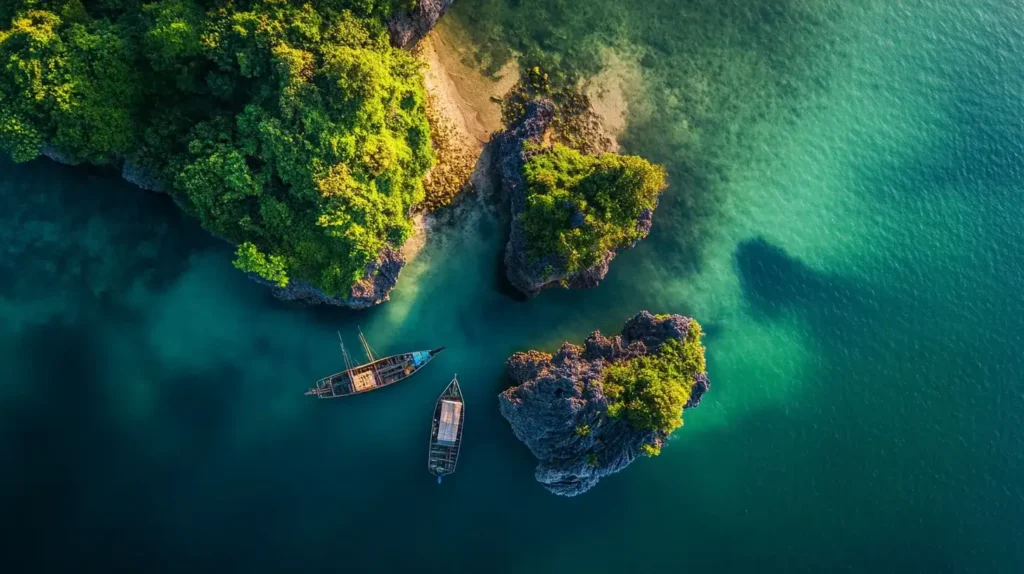
To get to Cenderawasih Bay, you’ll typically fly from Jakarta or Bali to Papua’s regional airports, then continue by boat or luxury liveaboard to reach the bay’s pristine waters.Here’s a clear breakdown of how you can get there:
- Begin at an international gateway city: Most travelers start in Jakarta or Bali, Indonesia’s major hubs, which provide numerous international flight connections. This step ensures you have a comfortable starting point before heading to remote Papua.
- Fly to Papua’s regional airports: From Jakarta or Bali, board a domestic flight to either Douw Aturure Airport (NBX) in Nabire or Rendani Airport (MKW) in Manokwari. These airports are the main entry points to Cenderawasih Bay and connect you to the region’s pristine shores.
- Plan an overnight stay if needed: Scheduling at least one night in your gateway city is wise to recover from international travel and minimize the risk of missing domestic flights due to delays, which are common in remote Papua.
- Arrange private airport transfers: Upon arrival in Nabire or Manokwari, a trusted luxury operator can meet you at the airport and escort you directly to your boat or liveaboard, making your transfer smooth and hassle-free.
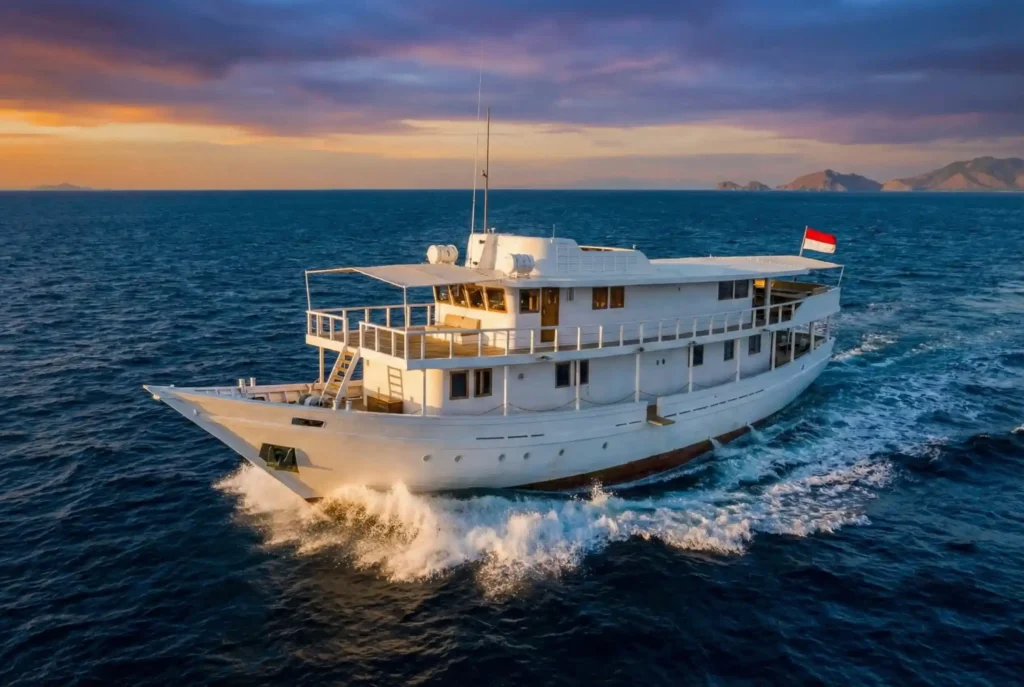
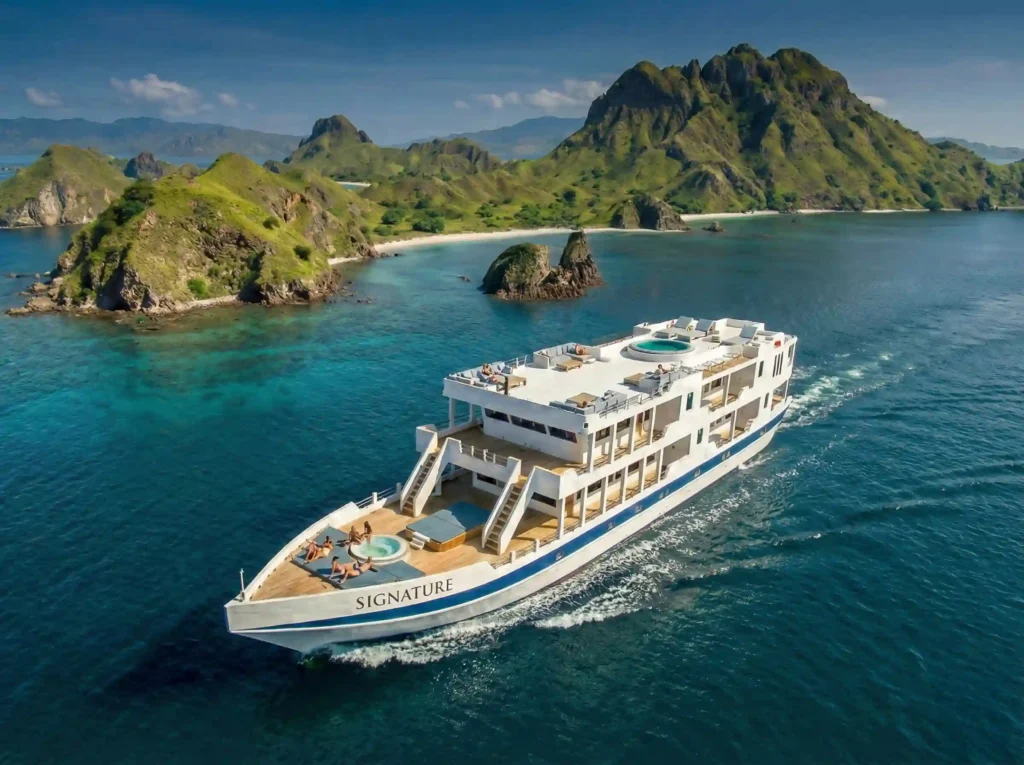
- Complete the final leg by boat or liveaboard: The last stretch to the bay is typically via high-end liveaboard or shore-based villa transfer, which provides a luxurious introduction to Cenderawasih Bay. Once onboard, you can immediately start exploring vibrant coral reefs, historic WWII wrecks, and world-famous whale shark encounters in comfort and style.
By following these steps, your journey becomes part of the experience, blending careful planning with luxury and the first taste of the bay’s untouched beauty.
Tips for Traveling to Cenderawasih Bay
Before setting off to this remote corner of Papua, it’s worth planning your trip carefully. Cenderawasih Bay offers a rare blend of pristine nature and untouched beauty, but its remote location means preparation makes all the difference for a smooth, luxurious journey.
- Choose a Trusted Liveaboard Operator
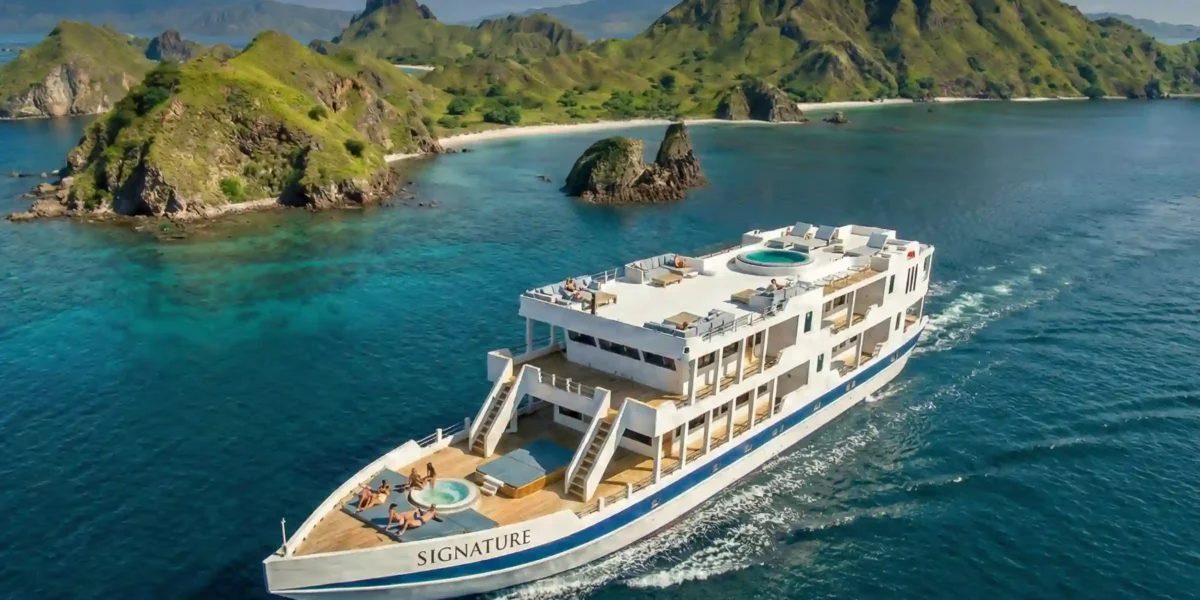
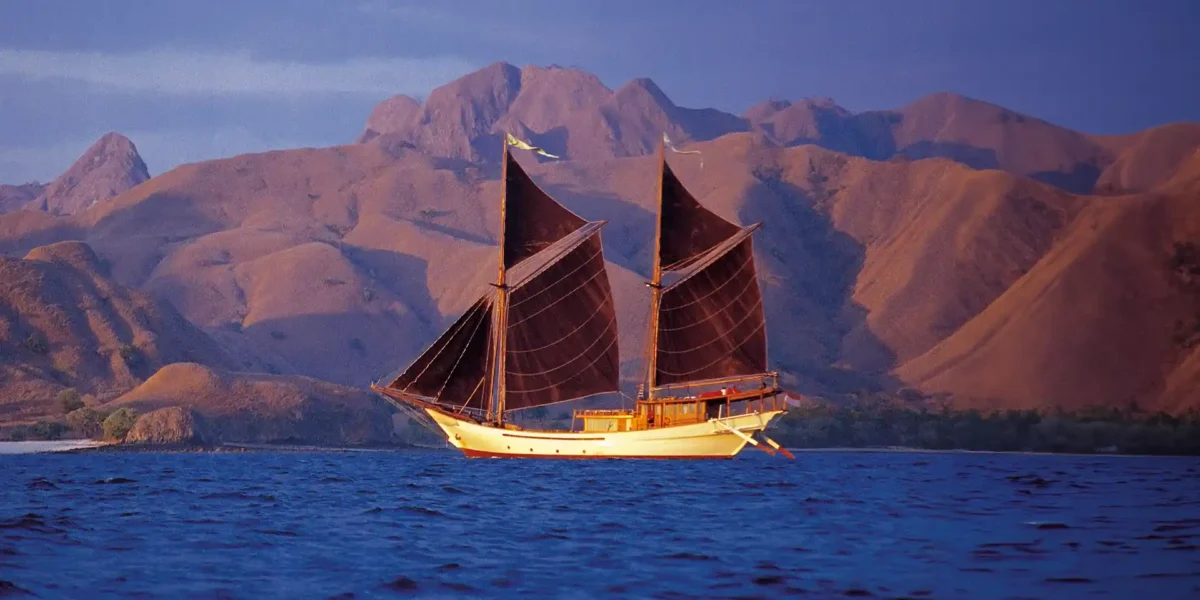
The best way to explore this marine paradise is by joining a Cenderawasih Bay luxury cruise or liveaboard. With a trusted operator like Komodo Luxury, you’ll enjoy seamless logistics, world-class service, and direct access to the most spectacular dive sites. - Travel Between October and April
These months offer calm seas, ideal visibility, and a higher chance to meet whale sharks in Cenderawasih Bay. You’ll experience perfect diving and snorkeling conditions across the bay’s vibrant coral gardens. - Pack Light and Practical
Bring lightweight clothes, reef-safe sunscreen, and your essential dive or snorkeling gear. A waterproof camera or dry bag will also come in handy to capture unforgettable moments beneath the surface. - Respect Nature and Local Culture
The Cenderawasih Bay National Park is home to diverse marine life and welcoming Papuan communities. Be mindful when diving or snorkeling, avoid touching coral reefs, feeding whale sharks, or leaving any waste behind. - Prepare for Limited Connectivity
Once you’re cruising through Papua’s remote dive sites, expect minimal phone signal and internet coverage. Use this as a chance to disconnect, recharge, and fully embrace the serenity of the open sea.
Let’s Visit Cenderawasih Bay with Komodo Luxury!
Now that you know how to get to Cenderawasih Bay, the next step is to turn that dream into reality. Whether you’re drawn by the rare chance to swim alongside gentle whale sharks or explore the historic wreck diving sites in Papua, this region promises an adventure that feels both exclusive and deeply personal. Reaching this remote paradise might take time, but every moment of the journey will be worth it once you’re surrounded by the crystal-clear waters of Indonesia’s largest marine park.
And if you’re eager to explore beyond Cenderawasih Bay, your adventure doesn’t have to stop here. You can continue your journey across the eastern frontier of Indonesia, from the mysterious atolls of Triton Bay to the breathtaking islands of Raja Ampat. With joining Raja Ampat liveaboard by Komodo Luxury, you’ll uncover another layer of Indonesia’s marine magic, all while enjoying the same standard of elegance, expertise, and unforgettable service that defines every voyage.
So when you’re ready to experience the untouched heart of Papua, let Komodo Luxury guide your way. Because in places as remote and magnificent as Cenderawasih Bay, having the right team makes all the difference between a simple trip, and a truly life-changing journey.