





Last updated: October 2025 · Prices & availability verified for the 2026/2027 season
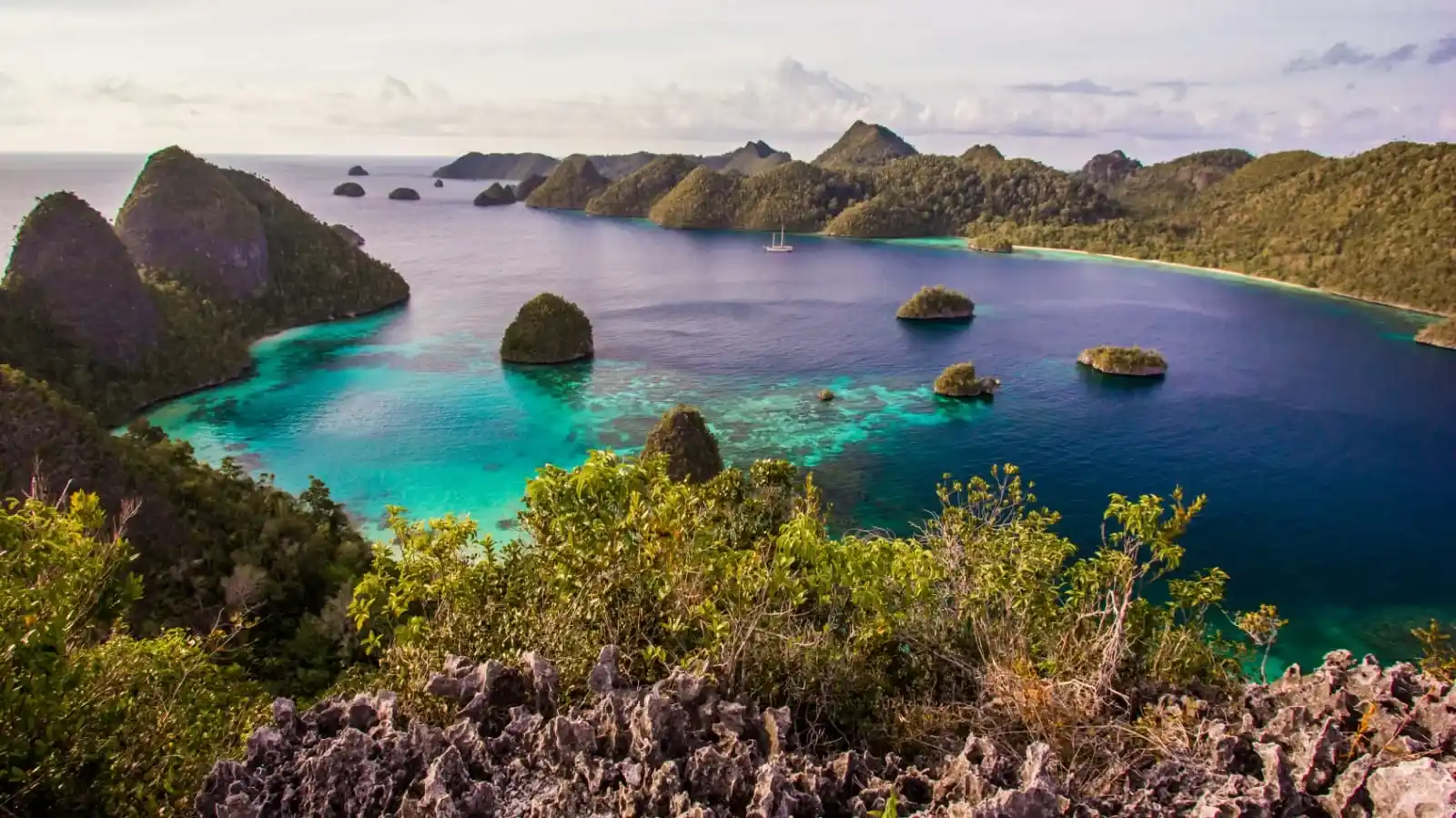
Have you ever dreamed of visiting a place where nature’s wonders feel almost untouched, yet globally recognized for their ecological importance? Raja Ampat, an enchanting archipelago in Indonesia’s Southwest Papua, has recently earned the prestigious title of a UNESCO Biosphere Reserve. This recognition highlights not only its breathtaking landscapes and rich biodiversity but also the delicate balance between conservation and sustainable development that defines the region.
In this article, you’ll discover what makes a UNESCO Biosphere Reserve unique, why Raja Ampat deserves this global attention, and how you can explore it responsibly while supporting its preservation.
What Is a UNESCO Biosphere Reserve?
A UNESCO Biosphere Reserve is a specially designated area that promotes a balanced relationship between people and nature. These reserves are part of the Man and the Biosphere (MAB) Programme, which seeks to combine biodiversity conservation with sustainable use of natural resources. They serve as models for how humans can live in harmony with the environment while supporting local livelihoods. As of September 2025, UNESCO has added 26 new sites, including Raja Ampat, bringing the global network to 785 reserves in 142 countries .
Each biosphere reserve functions as a “living laboratory,” where scientists, local communities, and policymakers work together to study ecosystems and test sustainable practices. By monitoring the interactions between humans and nature, these reserves provide critical insights that help guide conservation strategies. This collaborative approach ensures that ecological protection goes hand in hand with social and economic development. In essence, biosphere reserves aim to create a replicable model of sustainable living that can be adapted worldwide.
Furthermore, UNESCO Biosphere Reserves are organized into three interrelated zones: core, buffer, and transition areas. The core area is strictly protected for conservation and scientific research, while the buffer zone supports education, tourism, and sustainable activities. The transition area integrates human communities and economic development with environmentally friendly practices. This zoning system allows both nature and people to thrive together, demonstrating how development and conservation can coexist effectively.
The Role of Raja Ampat Biosphere Reserve
Understanding the role of Raja Ampat as a UNESCO Biosphere Reserve goes beyond appreciating its stunning landscapes and rich biodiversity. It’s about recognizing the structured efforts that maintain this delicate balance between nature and human activity. The reserve serves as a platform where conservation, sustainable development, and knowledge exchange come together to ensure that both ecosystems and local communities can thrive. In the following sections, we’ll explore how these initiatives unfold.
Conservation and Research Efforts
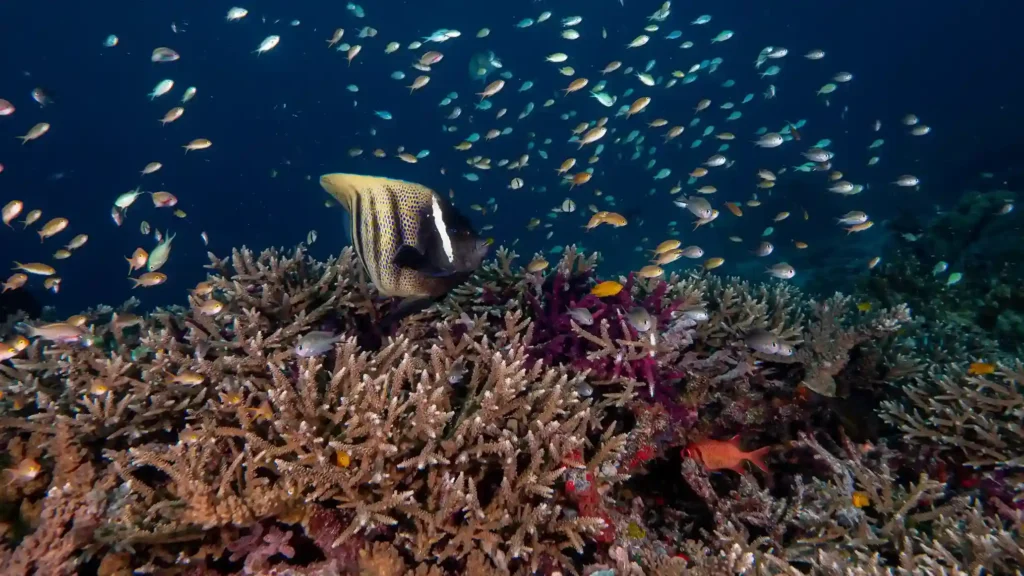
As a UNESCO Biosphere Reserve, Raja Ampat is recognized not only for its stunning beauty but also for its role as a model for effective conservation. The Raja Ampat Research and Conservation Centre (RARCC) is at the heart of these efforts, conducting scientific research to monitor coral reef health, marine biodiversity, and ecosystem dynamics. Through these studies, researchers can identify threats such as overfishing, climate change, and habitat degradation, and propose evidence-based strategies to mitigate their impact. This scientific approach ensures that conservation measures are practical, targeted, and sustainable over the long term.
In addition to research, RARCC collaborates closely with local communities and international organizations such as Conservation International and The Nature Conservancy. These partnerships support community-led projects that promote sustainable livelihoods, including eco-friendly fisheries, responsible tourism, and environmental education programs. By combining science, local knowledge, and capacity building, Raja Ampat’s conservation initiatives foster a balance between protecting ecosystems and supporting human well-being. This integrated approach exemplifies how biosphere reserves can safeguard biodiversity while benefiting the people who depend on these natural resources.
Sustainable Development
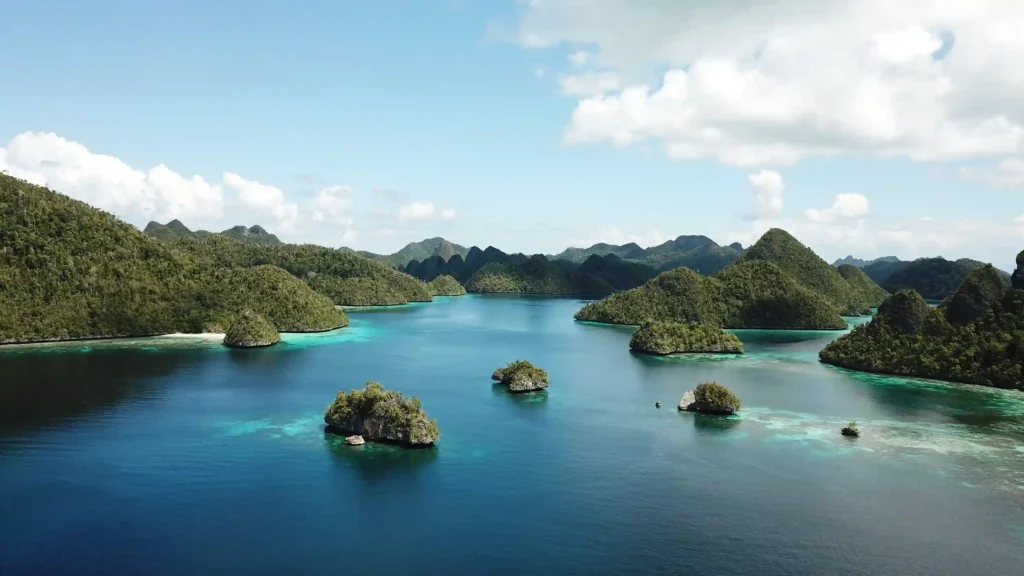
Sustainable development is a key component of Raja Ampat’s status as a UNESCO Biosphere Reserve, ensuring that economic activities do not compromise its unique ecosystems. The local communities rely on fishing, small-scale agriculture, and increasingly, tourism for their livelihoods. By implementing sustainable practices, such as regulated fishing, eco-friendly aquaculture, and responsible tourism, these activities can generate income while minimizing environmental impact. This approach helps maintain the delicate balance between human needs and ecological preservation.
Tourism, in particular, plays a significant role in Raja Ampat’s sustainable development strategy. Eco-conscious resorts, guided tours, and liveaboard cruises follow strict environmental standards to reduce waste and protect coral reefs. Moreover, tourism revenue often funds local conservation projects and community education programs, reinforcing the link between economic benefits and ecological stewardship. By engaging visitors in responsible travel, Raja Ampat demonstrates that development and conservation can work hand in hand to support both people and nature.
Knowledge Exchange

Knowledge exchange is a vital element of Raja Ampat’s biosphere reserve framework, allowing scientists, local communities, and policymakers to collaborate effectively. Through workshops, training programs, and community outreach, local residents gain valuable skills in sustainable resource management, environmental monitoring, and eco-tourism practices. At the same time, researchers benefit from traditional ecological knowledge passed down through generations, which provides insights that scientific methods alone might miss. This two-way flow of information strengthens conservation strategies while empowering local communities to actively participate in protecting their environment.
International collaboration also plays a significant role in knowledge exchange, as Raja Ampat partners with global organizations and universities for research, monitoring, and education programs. These partnerships facilitate the sharing of best practices and innovative approaches to biodiversity conservation, climate resilience, and sustainable development. By integrating global expertise with local wisdom, Raja Ampat serves as a living laboratory that demonstrates how conservation, science, and community engagement can work together. Ultimately, this exchange of knowledge ensures that both ecological and human communities benefit from the reserve’s UNESCO designation.
Read more: How to Become an Ecotourist in Raja Ampat
Tips for Visiting Raja Ampat
If you want to experience the beauty of Raja Ampat while respecting its UNESCO Biosphere Reserve status, here are some essential tips:
- Best Time to Visit – The dry season, from October to April, offers calm seas and clear skies for exploring marine and terrestrial ecosystems. Visiting during this period helps you enjoy the islands without disturbing sensitive habitats during rough weather.
- Travel Logistics – Sorong, West Papua, is the main gateway to Raja Ampat. From there, professional operators can take you by speedboat or liveaboard cruise, ensuring a smooth journey that minimizes environmental impact.
- Pack Smart – Lightweight, breathable clothing keeps you comfortable in tropical conditions. Be sure to bring reef-safe sunscreen, a wide-brimmed hat, and an underwater camera to capture the vibrant marine biodiversity responsibly.
- Respect Local Culture – Learn about the traditions and customs of indigenous communities in Raja Ampat. By engaging respectfully and supporting local businesses, you contribute positively to the region’s sustainable development goals.
- Support Eco-Friendly Practices – Choose eco-conscious accommodations and tour activities that reduce environmental impact. From reef-friendly snorkeling tours to community-led initiatives, these choices help maintain Raja Ampat’s ecosystems for future generations.
- Join Tours with Professional Operators – Experienced guides follow sustainable practices and navigate sensitive marine and terrestrial areas safely. Traveling with professional operators ensures that your visit supports conservation programs and local communities.
Let’s Visit Raja Ampat Responsibly with Komodo Luxury!
Visiting Raja Ampat as a UNESCO Biosphere Reserve is a unique opportunity to experience its stunning marine biodiversity while supporting conservation efforts. By traveling responsibly, you help protect coral reefs, forests, and local communities, ensuring that this extraordinary ecosystem remains vibrant for future generations. One of the best ways to explore Raja Ampat responsibly is by joining Raja Ampat Liveaboard with a professional tour Komodo Luxury. This service provides expert guidance, eco-conscious accommodations, and curated itineraries that allow you to enjoy snorkeling, diving, and island exploration safely. By choosing a liveaboard experience, you not only have an unforgettable adventure but also contribute directly to sustainable tourism and local conservation initiatives.