Komodo diving offers access to one of the planet's most biodiverse marine ecosystems, where nutrient-rich currents converge to create underwater conditions rivaling the world's top dive destinations. Located within the Coral Triangle, Komodo National Park harbors over 1,000 species of fish, 260 species of reef-building coral, and encounters with manta rays, sharks, sea turtles, and pelagic species that draw experienced divers from every continent.
Komodo National Park sits at the convergence of the Indian and Pacific Oceans, creating a unique marine environment where cold, nutrient-rich waters from the south meet warm tropical currents from the north. This convergence drives extraordinary biodiversity and creates diving conditions found nowhere else on Earth. The park encompasses over 1,733 square kilometers of marine territory, protecting pristine reef systems, volcanic underwater landscapes, and deep channels teeming with marine life.
The underwater topography includes dramatic walls, pinnacles, current-swept channels, and sheltered bays offering diverse diving experiences within a single destination. Visibility ranges from 15 to 30 meters depending on season and site, with water temperatures between 22 and 29 degrees Celsius creating comfortable conditions for extended underwater exploration. Professional dive operators based in Labuan Bajo provide expert guidance through the park's complex current systems and diverse dive sites.
Batu Bolong stands as Komodo's most celebrated dive site, a small rocky pinnacle rising from deep water completely encrusted with soft corals, sea fans, and sponges. The site attracts massive schools of fusiliers, surgeonfish, and trevally, while reef sharks patrol the deeper sections. Strong currents require intermediate to advanced experience, but reward divers with some of the most spectacular reef scenery in Southeast Asia.
Castle Rock and Crystal Rock, located in the northern section of the park, offer exhilarating drift dives along submerged seamounts. These sites consistently deliver encounters with grey reef sharks, white-tip reef sharks, giant trevally, and Napoleon wrasse. During peak season, schools of thousands of fish create living walls of movement around the pinnacles, providing unforgettable visual spectacles.
Manta Point (Makassar Reef) provides reliable encounters with oceanic manta rays, particularly between December and March when these magnificent creatures congregate at cleaning stations. Divers settle on sandy observation points while mantas glide overhead, their wingspans reaching up to seven meters. The shallow depth makes this site accessible to divers of all experience levels, including those completing their first Komodo exploration.
Tatawa Besar offers a spectacular coral garden suitable for all skill levels, with gentle currents carrying divers along pristine hard coral formations. The site showcases Komodo's coral diversity, including massive table corals, branching formations, and colorful soft corals hosting countless marine species. Macro enthusiasts discover nudibranchs, pygmy seahorses, and ghost pipefish among the coral gardens.
Siaba Besar, known locally as Turtle City, provides reliable sea turtle encounters in clear, calm waters. Green and hawksbill turtles rest among coral bommies, offering patient photographers extended observation opportunities. The protected bay location makes this an ideal site for divers seeking relaxed conditions combined with exceptional marine life.
Komodo's diving reputation partly derives from its dynamic current systems. The Lintah Strait between Komodo and Rinca islands channels massive water volumes between the Indian and Pacific Oceans, creating conditions that concentrate nutrients and attract marine life. Understanding these currents is essential for safe, productive diving experiences.
Northern sites generally experience warmer water temperatures (26-29 degrees Celsius) with better visibility, while southern sites feature cooler, nutrient-rich water (22-26 degrees) that attracts larger pelagic species. This temperature gradient creates distinct diving ecosystems within a single national park, enabling diverse experiences across multi-day boat trip itineraries.
Current strength varies with tidal cycles, and experienced dive operators time their visits to match optimal conditions at each site. Slack tide periods provide the calmest conditions, while incoming currents often trigger feeding activity that creates the most dramatic wildlife encounters. Safety protocols include surface marker buoys, current hooks, and experienced guide supervision for all drift dives.
Komodo's marine biodiversity delivers consistent encounters that justify its world-class reputation. Manta rays represent the park's most iconic marine residents, with both reef and oceanic species present year-round though concentrations vary seasonally. The park's manta population, estimated at over 1,000 individuals, represents one of the largest documented populations globally.
Shark species including white-tip reef sharks, grey reef sharks, blacktip reef sharks, and bamboo sharks inhabit various reef zones throughout the park. Reef shark encounters are nearly guaranteed on sites like Castle Rock and Crystal Rock, where multiple species patrol the currents. Larger species including hammerhead sharks occasionally appear at deeper sites during the right conditions.
The coral reef ecosystem supports an extraordinary density of marine species. Schooling fish including fusiliers, anthias, and damselfish create colorful clouds over reef structures, while larger predators including giant trevally, barracuda, and Spanish mackerel hunt along reef edges. Macro life including pygmy seahorses, blue-ringed octopus, and frogfish reward patient observation among coral formations.
Sea turtles, dolphins, eagle rays, and occasional whale sharks complete the megafauna encounters available to Komodo divers. The park's protected status ensures healthy populations of species increasingly rare in other dive destinations, making every dive an opportunity for meaningful wildlife observation.
Liveaboard vessels represent the optimal approach for serious Komodo diving, providing access to remote sites unreachable on day trips while eliminating daily transit time from Labuan Bajo. Multi-day itineraries allow divers to explore both northern and southern dive zones, experiencing the full range of Komodo's underwater diversity across different current conditions and water temperatures.
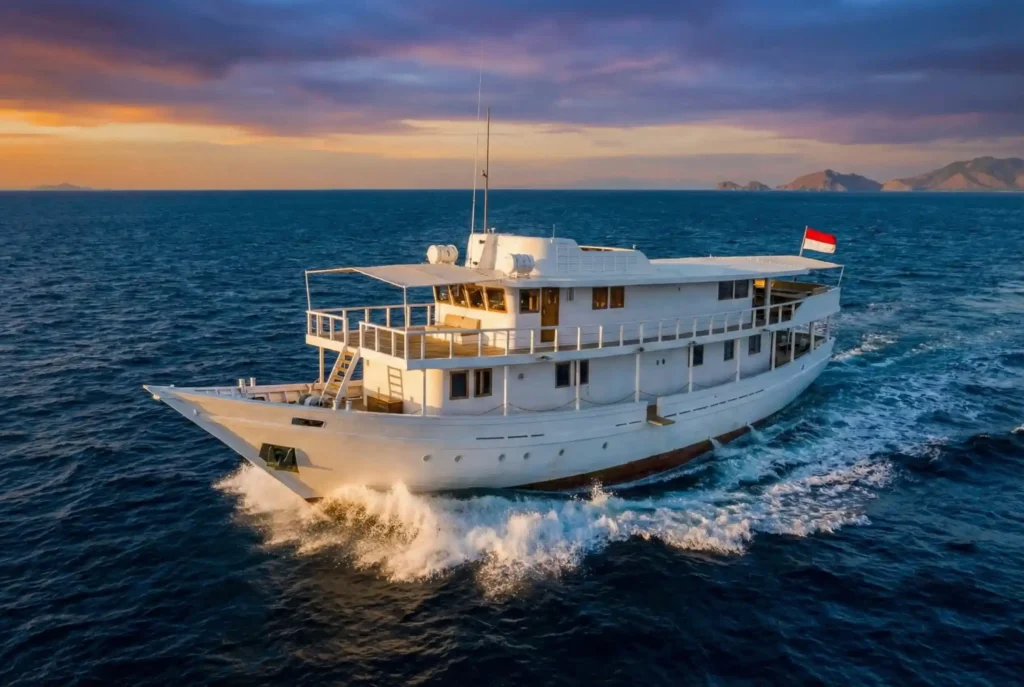
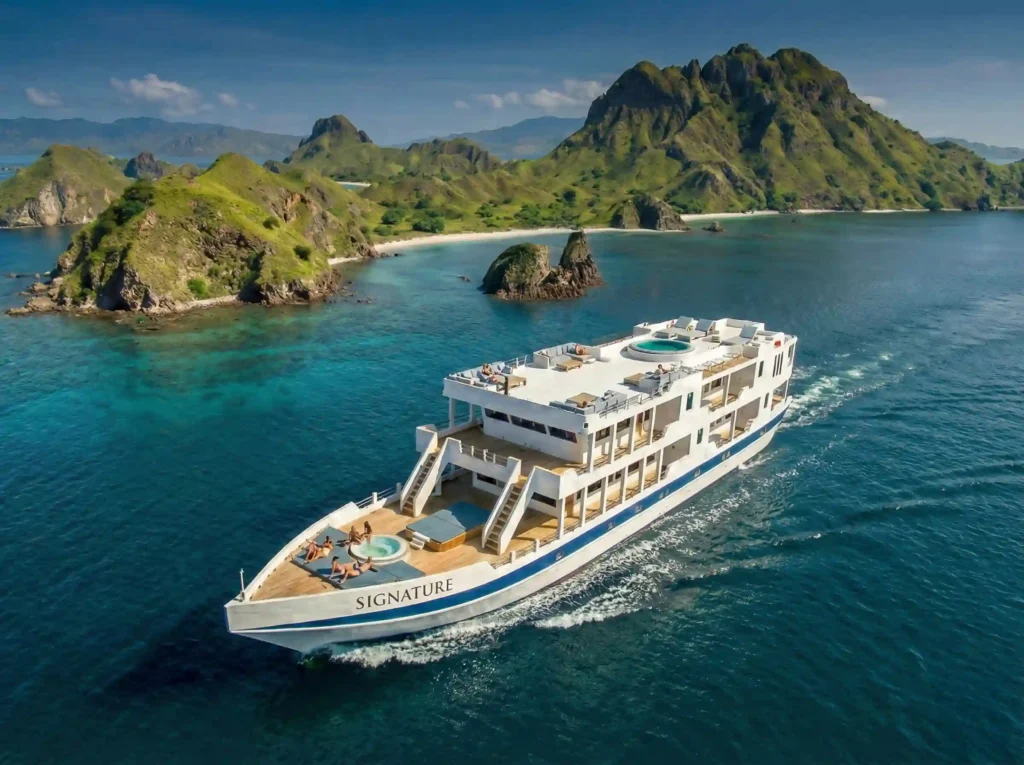
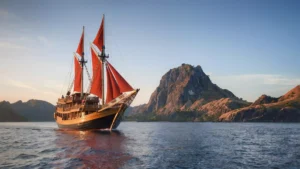
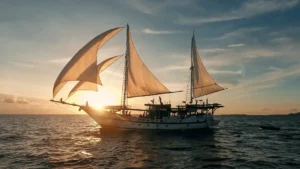
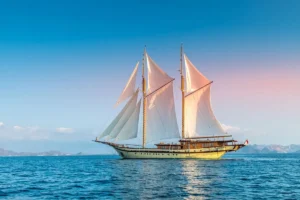
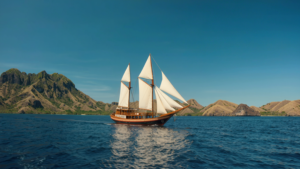
Our luxury yacht charters combine world-class diving with premium onboard accommodations, gourmet cuisine, and professional crew service. Purpose-built dive platforms, rinse stations, and equipment storage ensure seamless dive operations, while spacious sundeck areas provide comfortable surface intervals between dives.
Day trip diving from Labuan Bajo accesses northern sites within one to two hours' boat travel, suitable for divers with limited time. However, southern sites including Manta Alley and the best manta cleaning stations remain inaccessible on single-day excursions, making liveaboard experiences essential for comprehensive Komodo diving coverage.
Standard liveaboard itineraries include three to four dives daily over three to five days, with night dives available at sheltered anchorages. Sailing trip packages combine diving with surface activities including island trekking for Komodo dragon encounters, creating integrated Komodo experiences satisfying both underwater and terrestrial exploration interests.
Most Komodo dive sites require Open Water certification as minimum qualification, though Advanced Open Water certification is strongly recommended given the current conditions at premier sites. Specialty certifications in nitrox diving extend bottom times at medium-depth sites, while deep diving certification opens access to deeper pinnacle sites.
Divers should have logged at least 30 dives before attempting current-intensive sites like Batu Bolong and the Channel sites. Less experienced divers enjoy excellent diving at protected sites including Tatawa Besar, Siaba Besar, and several bay sites offering world-class marine life in manageable conditions.
Dive operators in Labuan Bajo offer PADI and SSI certification courses from beginner through professional levels. Discovery Scuba Diving introductory experiences allow non-certified visitors to experience Komodo's underwater world under close professional supervision at suitable shallow sites.
Komodo offers year-round diving with distinct seasonal characteristics influencing site selection and marine life encounters. The dry season (April through November) provides the most consistent conditions with calm seas, excellent visibility, and comfortable surface conditions. Peak diving months of May through September combine optimal underwater conditions with the best weather for island exploration.
The wet season (December through March) brings warmer water temperatures and increased manta ray activity at southern sites. While surface conditions may be less predictable, underwater visibility remains good at many sites, and reduced visitor numbers create more exclusive diving experiences. This season particularly rewards divers focused on manta encounters and those seeking quieter conditions.
Water temperature variations between seasons affect wetsuit requirements. A 3mm wetsuit suffices for northern sites during the dry season, while 5mm protection is recommended for southern sites year-round and all sites during the wet season when thermoclines can create significant temperature drops at depth.
Komodo National Park's UNESCO World Heritage status reflects its global ecological significance, and responsible diving practices ensure continued protection of this irreplaceable marine ecosystem. Park regulations prohibit touching, standing on, or collecting any marine organisms, with strict penalties for violations.
Reef-safe sunscreen use, proper buoyancy control, and streamlined equipment configuration prevent accidental reef contact. Experienced divers demonstrate neutral buoyancy throughout dives, avoiding fin kicks near delicate coral formations. Photography-focused divers practice particular care with camera positioning near reef structures.
Park entrance fees directly fund conservation and enforcement activities, supporting ranger patrols that combat illegal fishing and monitor reef health. Choosing licensed operators committed to sustainable practices ensures your diving activities contribute positively to the park's long-term protection.
Standard liveaboard itineraries include three to four dives daily, including an optional night dive at sheltered sites. Day trip operations typically offer two to three dives. Surface intervals between dives follow established safety protocols, with comfortable rest periods on the vessel between each dive.
Most dive operators and liveaboard vessels provide complete rental equipment including BCD, regulators, wetsuits, masks, and fins. However, serious divers often prefer bringing personal masks, computers, and exposure protection for optimal fit and comfort. Underwater photographers should bring their own camera systems and housings.
Yes, several sites offer sheltered conditions suitable for newly certified divers. Tatawa Besar, Siaba Besar, and selected bay sites provide gentle currents and excellent marine life. However, Komodo's most famous sites require intermediate to advanced experience due to current conditions. A mix of easy and challenging sites can be incorporated into any itinerary.
Visibility typically ranges from 15 to 30 meters depending on site, season, and tidal conditions. Northern sites generally offer clearer water, while nutrient-rich southern sites may have reduced visibility compensated by more abundant marine life. Peak visibility occurs during the dry season months of May through September.
All diving operations depart from Labuan Bajo on Flores island, accessible via direct flights from Bali (approximately 1.5 hours). Learn more about transportation options to reach Komodo. Liveaboard vessels and day trip boats depart from Labuan Bajo harbor, with most operators offering hotel pickup and transfer services.
While Komodo waters host reef sharks and various marine species, incidents with divers are extremely rare when following professional guidance. Reef sharks are non-aggressive and typically shy around divers. The primary safety consideration is current management, which professional dive guides handle through careful site selection and timing. Always follow your guide's instructions regarding approach distances and behavior around marine life.
Discover world-class diving aboard our luxury vessels with professional dive guides, premium equipment, and itineraries designed to showcase Komodo's finest underwater experiences. From manta ray encounters to pristine coral gardens, every dive reveals the extraordinary marine biodiversity that makes Komodo one of the world's top diving destinations.
With over a decade of expertise in luxury maritime travel, Komodo Luxury is a subsidiary of Juara Holding Group, a TripAdvisor Travelers’ Choice award recipient on TripAdvisor. Explore luxury yacht charters across Komodo National Park and Raja Ampat with our curated Phinisi cruises and personalized itineraries
Proud Partner of Indonesia's Award-Winning Tour Operators


We Accept Payment

Most Popular Boat
Connect With Us
| Jl. Pemuda I No.1, Denpasar, Bali | |
| Jl. Mgr Vitalis Jebar, Garon Tolo, Kec. Komodo, Kab. Manggarai Barat, Nusa Tenggara Timur | |
| (+62) 811 3823 875 [EN] | |
| (+62) 811 3810 8110 [EN] | |
| [email protected] | |
| [email protected] |
Follow Us