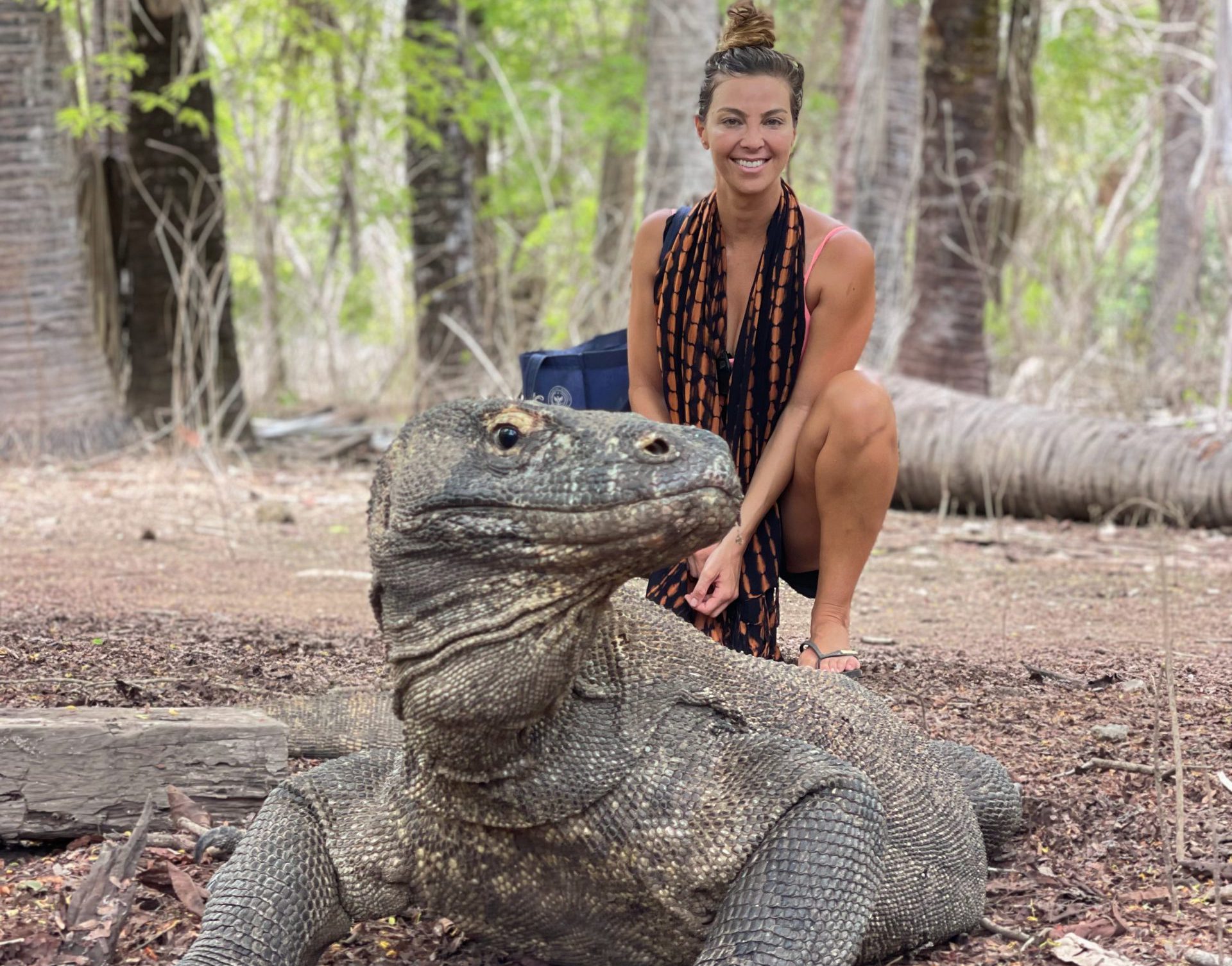
These cooler months are also a great time to learn more about the Komodo dragon itself, from its record-breaking size to the hunting habits that let it rule these islands.
The best time to visit u003cstrongu003eKomodo Island for divingu003c/strongu003e is during the u003cstrongu003edry seasonu003c/strongu003e, from u003cstrongu003eApril to Septemberu003c/strongu003e. During this time, visibility is clearer, and the seas are calmer, making it ideal for exploring the vibrant marine life around u003cstrongu003eKomodo National Parku003c/strongu003e. The u003cstrongu003ewet seasonu003c/strongu003e (from u003cstrongu003eNovember to Marchu003c/strongu003e) can reduce visibility due to rain and currents, making it less optimal for diving.
The u003cstrongu003erainy seasonu003c/strongu003e in u003cstrongu003eKomodo Islandu003c/strongu003e typically runs from u003cstrongu003eNovember to Marchu003c/strongu003e. During this period, there are occasional heavy rains, high humidity, and rougher seas. While the u003cstrongu003erainy seasonu003c/strongu003e offers lush green landscapes, it’s less ideal for u003cstrongu003eoutdoor activitiesu003c/strongu003e like hiking or diving. However, it can be a quieter time for those looking for fewer crowds and unique experiences like u003cstrongu003ebirdwatchingu003c/strongu003e.
The best month for wildlife sightings in Komodo Island is typically April to June. During this time, the Komodo dragons are more active, and there’s a higher chance of seeing them in their natural habitat. Additionally, birdwatchers can enjoy spotting migratory species. The dry season, between April and September, is ideal for wildlife viewing due to the abundance of animals gathering at waterholes. This period aligns with the u003cstrongu003ebest time to see Komodo dragonsu003c/strongu003e, offering an unforgettable experience of witnessing these magnificent creatures in their prime.
Yes, u003cstrongu003eKomodo Islandu003c/strongu003e is an excellent destination during the u003cstrongu003edry seasonu003c/strongu003e, which lasts from u003cstrongu003eApril to Septemberu003c/strongu003e. This period offers u003cstrongu003ewarm temperaturesu003c/strongu003e, u003cstrongu003eclear skiesu003c/strongu003e, and calm seas, making it perfect for outdoor activities like u003cstrongu003ehikingu003c/strongu003e on u003cstrongu003ePadar Islandu003c/strongu003e, u003cstrongu003esnorkelingu003c/strongu003e, and u003cstrongu003edivingu003c/strongu003e in the surrounding waters. The dry season also provides the best conditions for u003cstrongu003eKomodo dragon trekkingu003c/strongu003e and u003cstrongu003escenic photographyu003c/strongu003e.
Yes, you can visit u003cstrongu003eKomodo Islandu003c/strongu003e during the u003cstrongu003erainy seasonu003c/strongu003e (from u003cstrongu003eNovember to Marchu003c/strongu003e), but it comes with a few challenges. The weather can be unpredictable with higher humidity and occasional downpours, which may impact u003cstrongu003eoutdoor activitiesu003c/strongu003e like hiking or diving. However, the u003cstrongu003erainy seasonu003c/strongu003e offers a unique opportunity to see the island’s u003cstrongu003elush green landscapesu003c/strongu003e, and there are fewer tourists, providing a more peaceful experience.
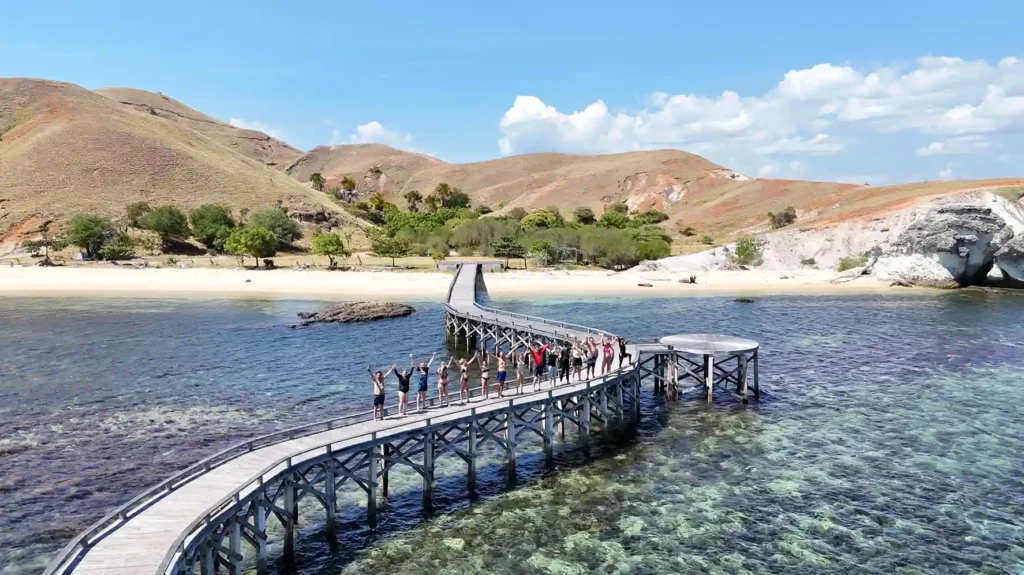
During the u003cstrongu003edry seasonu003c/strongu003e (from u003cstrongu003eApril to Septemberu003c/strongu003e), the best activities in u003cstrongu003eKomodo Islandu003c/strongu003e include u003cstrongu003edivingu003c/strongu003e to explore the vibrant underwater world, u003cstrongu003esnorkelingu003c/strongu003e at u003cstrongu003ePink Beachu003c/strongu003e, and u003cstrongu003etrekkingu003c/strongu003e to view u003cstrongu003eKomodo dragonsu003c/strongu003e in their natural habitat. The clear weather also makes it perfect for u003cstrongu003ephotographyu003c/strongu003e and enjoying u003cstrongu003esunset viewsu003c/strongu003e from u003cstrongu003ePadar Islandu003c/strongu003e or u003cstrongu003eKomodo Islandu003c/strongu003e itself.
The u003cstrongu003eweather in Komodo Islandu003c/strongu003e is generally u003cstrongu003etropicalu003c/strongu003e, with two distinct seasons: the u003cstrongu003edry seasonu003c/strongu003e (from u003cstrongu003eApril to Septemberu003c/strongu003e) and the u003cstrongu003erainy seasonu003c/strongu003e (from u003cstrongu003eNovember to Marchu003c/strongu003e). The dry season offers sunny days with temperatures around 80-90°F (27-32°C), while the rainy season brings cooler temperatures and more humidity. The island’s climate allows for year-round travel, but the dry season is particularly popular for outdoor activities and wildlife viewing.
The u003cstrongu003edry seasonu003c/strongu003e (from u003cstrongu003eApril to Septemberu003c/strongu003e) is the peak travel period for u003cstrongu003eKomodo Islandu003c/strongu003e, so it can get relatively crowded, especially during u003cstrongu003eJuly and Augustu003c/strongu003e when most tourists visit. If you prefer a quieter experience, consider traveling during the shoulder months of u003cstrongu003eApril, May, or Septemberu003c/strongu003e. These months still offer excellent weather and activities but with fewer crowds.
Yes, it is generally safe to visit u003cstrongu003eKomodo Islandu003c/strongu003e during the u003cstrongu003erainy seasonu003c/strongu003e (from u003cstrongu003eNovember to Marchu003c/strongu003e), but there are some risks to consider. The heavy rainfall can make u003cstrongu003eoutdoor activitiesu003c/strongu003e like trekking or diving less enjoyable, and certain routes may become slippery or inaccessible. However, fewer tourists visit during this period, making it a good option for those seeking a quieter, more relaxed trip. It’s also the time to see the island’s u003cstrongu003elush landscapesu003c/strongu003e.
Komodo dragons are u003cstrongu003emore activeu003c/strongu003e during the u003cstrongu003edry seasonu003c/strongu003e (from u003cstrongu003eApril to Septemberu003c/strongu003e) because the u003cstrongu003ewaterholesu003c/strongu003e are fewer, and they gather at these locations to drink. During the u003cstrongu003erainy seasonu003c/strongu003e, the dragons tend to be u003cstrongu003eless activeu003c/strongu003e, but this is also a great time for u003cstrongu003ebird watchingu003c/strongu003e. If your main goal is to see Komodo dragons, visiting during the dry season increases your chances.