



Last updated: September 2026 · Prices & availability verified for the 2026/2027 season
Last updated: September 15, 2026
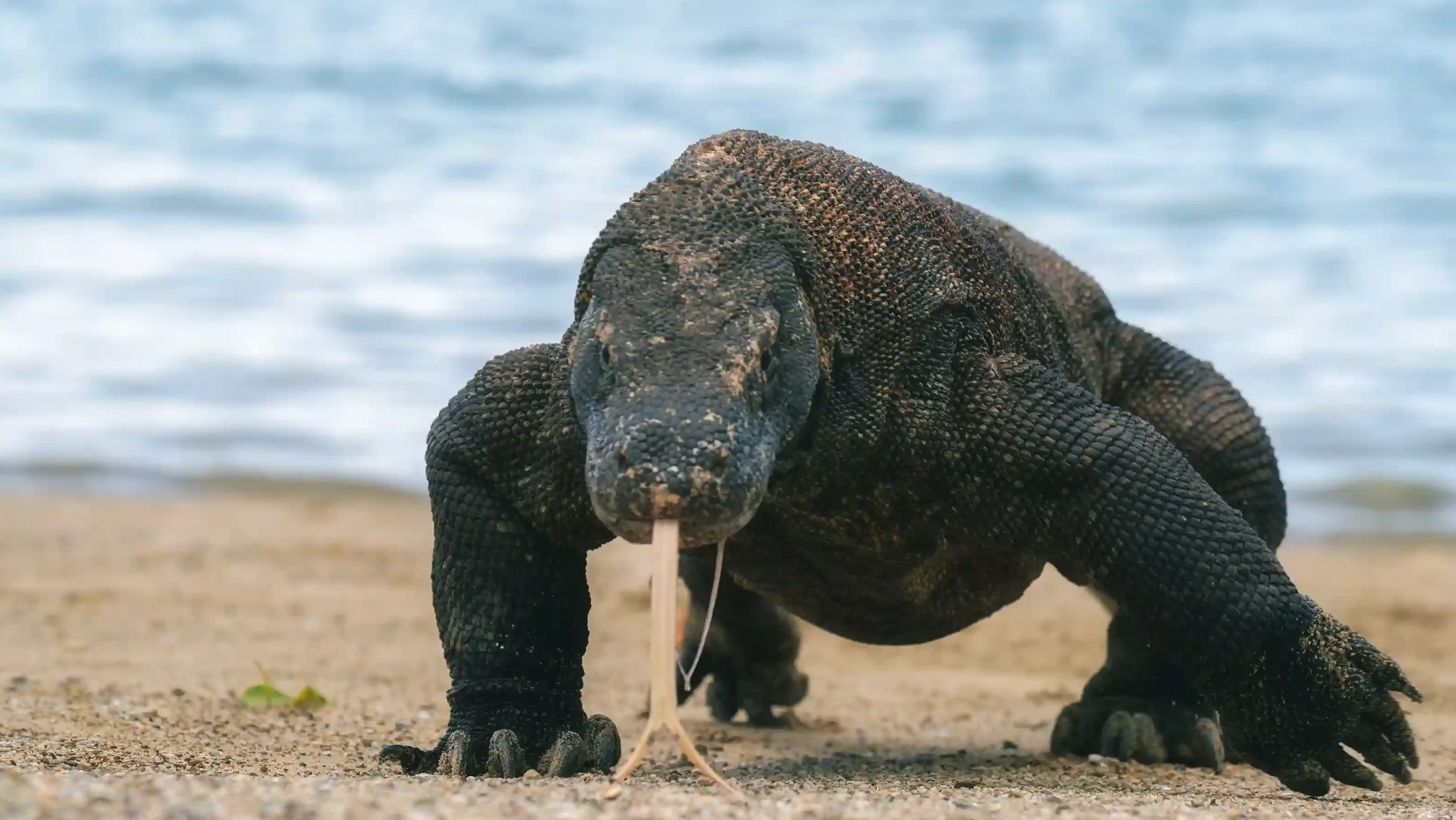
drago di Komodo Il varano di Komodo (Varanus komodoensis) è una leggenda vivente, un rettile gigante che vagano per le isole tropicali dell’ Indonesia , con una presenza senza pari. Ma anche le creature più feroci in natura devono guardarsi le spalle. Quindi, drago di Komodo il varano di Komodo ha un nemico? Questa domanda può sembrare semplice, ma la risposta rivela una complessa storia di sopravvivenza, selezione naturale e impatto umano.
Il fenomeno “apice contro apice” è qualcosa a cui le nostre guide hanno assistito solo due volte in undici anni di escursioni quotidiane: l’avvistamento più raro durante le “passeggiate dei draghi” incluse in ogni Vela Komodo itinerario che organizziamo.
In questo articolo scopriremo quali sono le minacce che incombono sull’ Draghi di Komodo e nelle diverse fasi della sua vita. Vi mostreremo inoltre come osservare questi magnifici animali in modo responsabile.
Punti chiave
- Adult Komodo dragons have no natural predators and sit as the undisputed apex predator on every island they inhabit, but their greatest threat comes from within their own species.
- Cannibalism is the biggest natural danger to young dragons, with adults preying on hatchlings and juveniles, which is why hatchlings live in trees for their first few years to avoid being eaten.
- Once a Komodo dragon grows past roughly a meter and a half, nothing else on Komodo, Rinca, Flores, Gili Motang, or Nusa Kode is able to hunt it.
- The real long-term threat isn’t another predator but humans, through habitat loss, shrinking prey populations, and a warming, drying climate that threatens low-lying nesting areas.
- Only about 3,400 Komodo dragons remain in the wild, and the IUCN listed the species as Endangered in 2021, which is why ranger-led conservation tourism plays such an important role.
drago di Komodo: Il predatore al vertice della catena alimentare delle isole
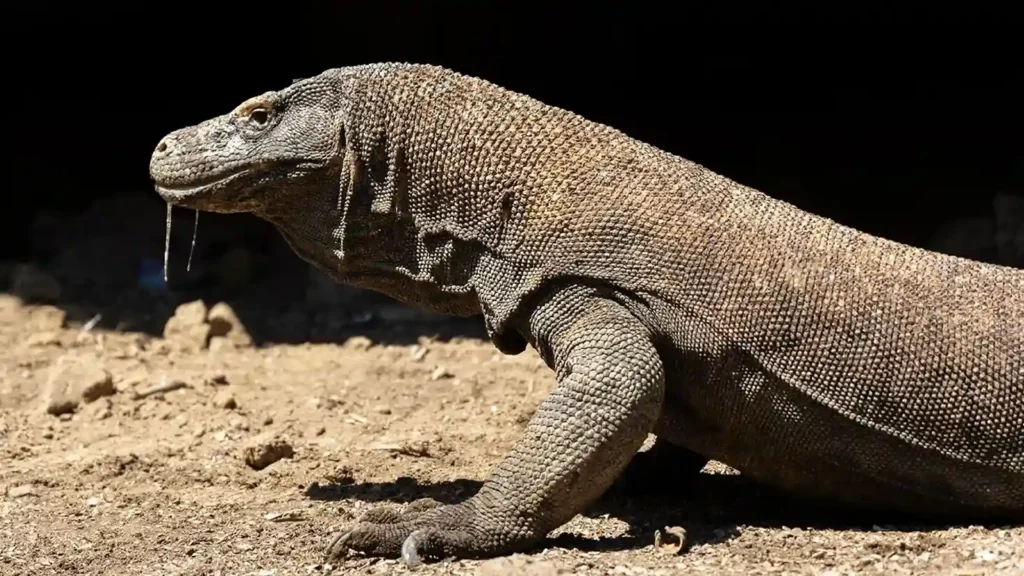
Draghi di Komodo sono i predatori al vertice della catena alimentare nel loro ecosistema. Gli esemplari adulti possono superare i 3 metri di lunghezza (10 piedi) e pesare fino a 150 kg (330 libbre). Cacciano con furtività, potenza e armi biologiche: una combinazione di saliva velenosa, artigli affilati, denti seghettati ricoperti di ferro e la capacità di seguire le tracce di una preda ferita per miglia. Si nutrono di cervi, maiali, bufali d’acqua e, occasionalmente, persino di cavalli.
Una volta che un animale viene morso, il veleno e i batteri del varano di Komodo iniziano ad agire, provocando perdita di sangue, paralisi e shock. Il varano di Komodo segue quindi la vittima fino a quando questa non crolla, spesso ore o giorni dopo. Nel loro habitat, i varani di Komodo adulti ( Draghi di Komodo ) non hanno predatori naturali. Dominano il territorio come predatori al vertice della catena alimentare e nessun altro animale dell’ Isole di Komodo e può sfidarli seriamente, almeno non quando sono in buona salute e hanno raggiunto la piena maturità.
The Hidden Threat: Cannibalism Among Komodo Dragons
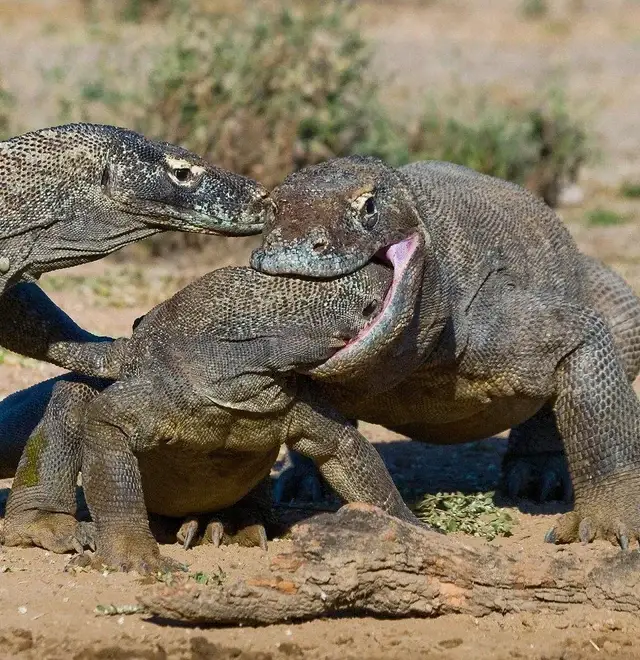
One of the most brutal and surprising threats to Komodo dragons is the danger that comes from within their own species. Cannibalism is a well-documented behavior among Komodo dragons, with adult individuals frequently preying on hatchlings and juveniles. It’s estimated that up to 10% of an adult Komodo’s diet can consist of younger Komodos. This forces hatchlings to seek refuge in trees shortly after hatching, often within just a few hours, where they spend their first years feeding on insects, small birds, and reptiles until they grow large enough to defend themselves on the ground.
This survival instinct reveals how harsh the early life of a Komodo dragon can be. Instead of facing external predators, hatchlings must constantly avoid being eaten by their older, more powerful relatives. It highlights a rarely discussed reality: the apex predator’s greatest threat in early life is not another species, it’s the apex predator itself.
Leggi di Più: Quanto sono pericolosi Draghi di Komodo? Scopri la verità su queste creature
Human Impact and Conservation Efforts
Although Komodo dragons have no natural predators once they reach adulthood, they are increasingly vulnerable to the growing presence and impact of humans. Habitat loss from deforestation, expanding agriculture, and infrastructure development has significantly reduced their natural living space, while overhunting of prey species like deer and wild pigs has made it harder for Komodos to find food. Beyond that, illegal trade, pollution, and direct human-wildlife conflict add further pressure, and rising sea levels from climate change threaten the low-lying nesting areas these dragons depend on.
To address these challenges, Indonesia has implemented conservation programs centered around Komodo National Park, a UNESCO World Heritage Site, with strict regulations on tourism, habitat protection, and population monitoring. Conservation organizations and local communities are also actively involved in sustainable tourism and educational initiatives, aiming to protect the Komodo dragon while ensuring local residents benefit economically without compromising the fragile ecosystem. Through this collaboration, conservation efforts play a vital role in keeping the Komodo dragon from becoming a mere legend of the wild.
Le iniziative di conservazione e perché sono importanti
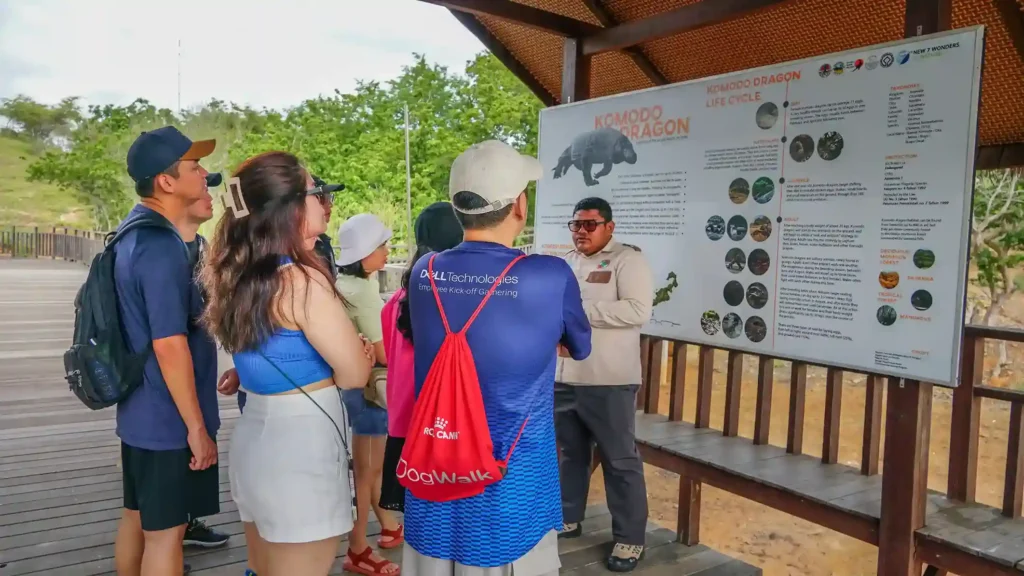
Sebbene i delfini tursiopi ( Draghi di Komodo ) si trovino al vertice della catena alimentare, non sono invincibili. Negli ultimi decenni, le pressioni ambientali e l’attività umana hanno rappresentato rischi significativi per la loro sopravvivenza. Una delle minacce più urgenti è la perdita dell’habitat, causata dallo sviluppo delle infrastrutture, dall’espansione del turismo e dai cambiamenti climatici. L’innalzamento del livello del mare e l’aumento delle temperature stanno lentamente modificando gli ecosistemi costieri da cui dipendono i delfini tursiopi ( Draghi di Komodo ), soprattutto per la nidificazione e la caccia.
Per affrontare queste sfide, l’ Indonesia ha messo in atto vari programmi di conservazione incentrati sull’ Parco Nazionale di Komodo, sito dichiarato Patrimonio dell’Umanità dall’UNESCO. Quest’area protetta funge da rifugio fondamentale per la specie, con norme rigorose in materia di turismo, tutela dell’habitat e monitoraggio della popolazione. Oltre agli sforzi del governo, anche le organizzazioni ambientaliste e le comunità locali sono attivamente coinvolte in iniziative di “ turismo sostenibile ” e di educazione. Questi programmi mirano non solo a proteggere l’ Draghi di Komodo , ma anche a garantire che i residenti locali ne traggano benefici economici senza compromettere il fragile ecosistema. Attraverso la collaborazione e la sensibilizzazione, gli sforzi di conservazione svolgono un ruolo fondamentale nell’impedire che l’ drago di Komodo diventi una semplice leggenda della natura selvaggia.
Allora, l’ drago di Komodo e ha un nemico?
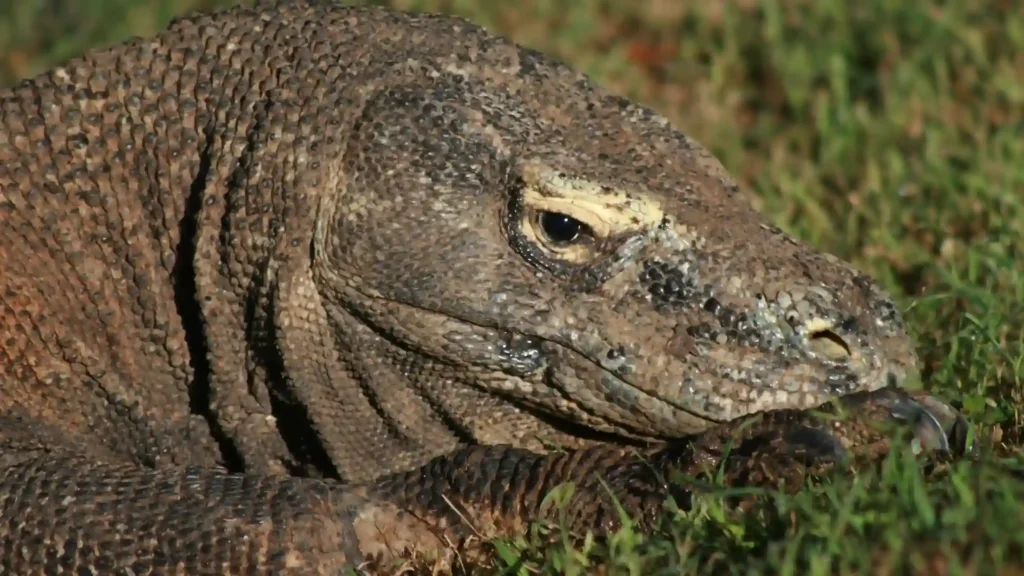
Yes, but not in the form of lions, tigers, or bears. The Komodo dragon’s real enemies are its own kind in youth, and human expansion in adulthood. Understanding these factors shifts the conversation from awe to action. Protecting this ancient reptile is no longer a matter of curiosity but of urgent responsibility. The Komodo dragon may dominate its natural world, but it’s our world that determines whether it survives. Travelers who want to observe this apex predator across several islands in one trip usually choose a multi-day Komodo liveaboard itinerary, which combines ranger-led treks with time in the park’s protected marine zones.
Read more: Komodo Dragon (Varanus komodoensis): The Complete Guide to the World’s Largest Lizard
Andiamo a vedere “ drago di Komodo ” in modo responsabile con “ Komodo Luxury ”!
If you’re fascinated by the mighty Komodo dragon and feel inspired to witness it in real life, there’s a way to do it responsibly and memorably. Join the Komodo Island Tour with Komodo Luxury, a curated sailing experience that showcases the majestic beauty of Komodo Island while aligning with sustainable travel principles. Travelers who want to observe this apex predator across several islands in one trip usually choose a multi-day Komodo liveaboard itinerary, which combines ranger-led treks with time in the park’s protected marine zones, or trek with ranger-guides on the 3D2N shared trip.
The experience goes beyond just a photo opportunity, it’s about creating meaningful, low-impact encounters that leave you in awe without leaving a trace. Whether you prefer the company of a shared open trip or want to charter a private phinisi and stay for the quiet hours, Komodo Luxury lets you witness the Komodo dragon up close while respecting national park guidelines and supporting local communities, all with expert Komodo yacht charter fleets to choose from.

A cura del team di spedizione dell’ Komodo Luxury — un tour operator autorizzato Parco Nazionale di Komodo che dal 2015 organizza spedizioni giornaliere con partenza da Labuan Bajo . Flotta, tariffe e itinerari: Komodo noleggio yacht.