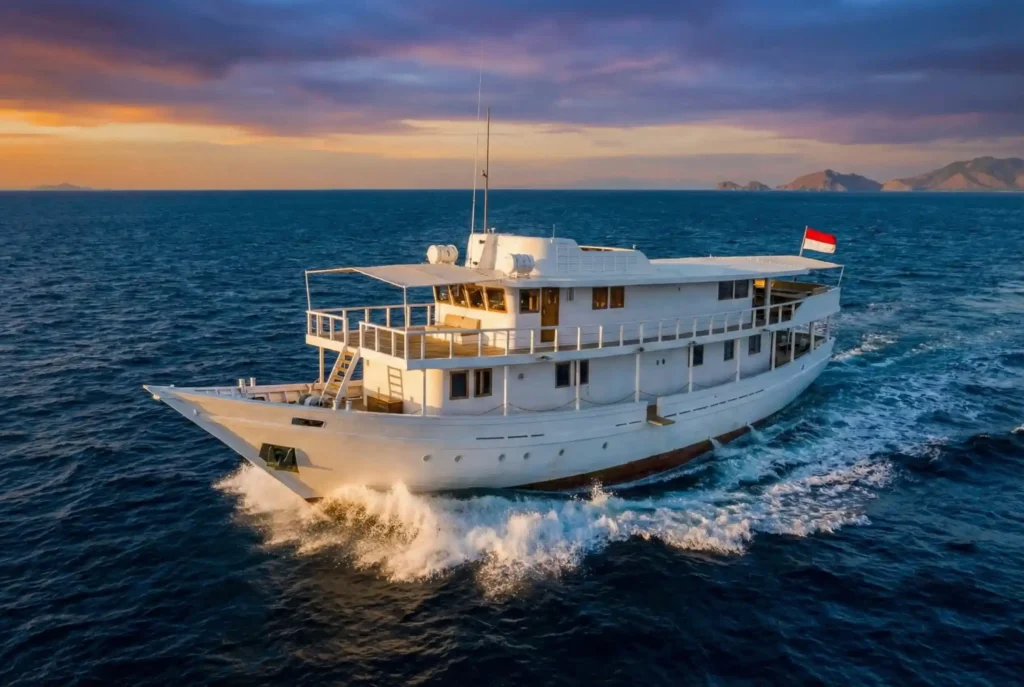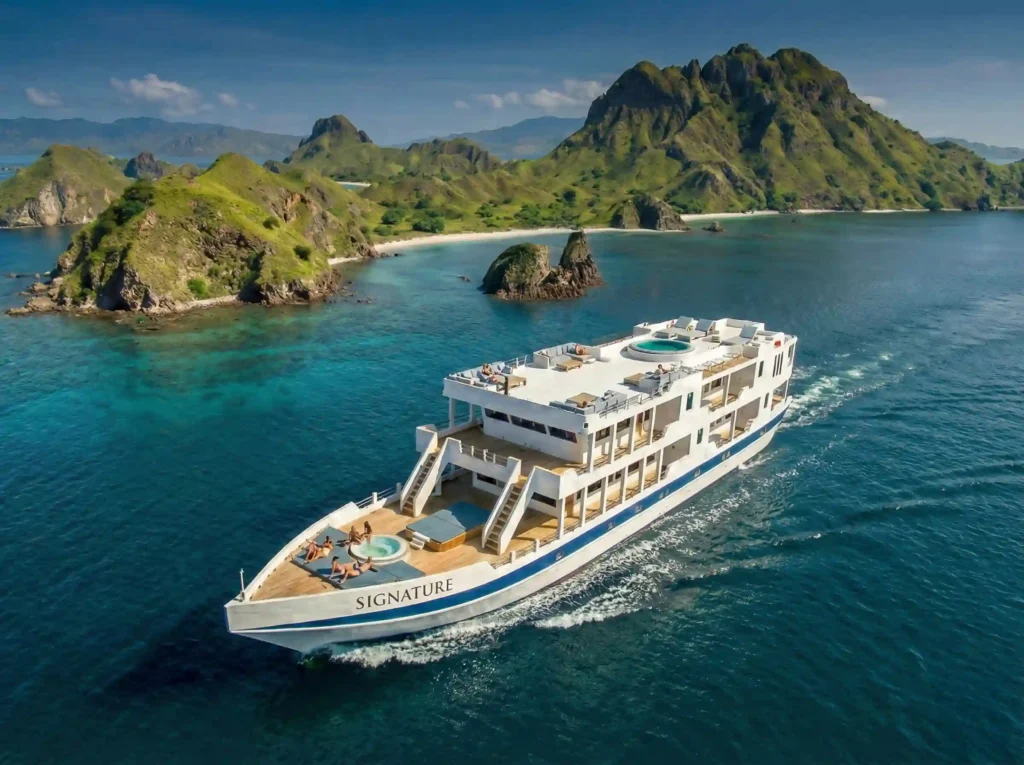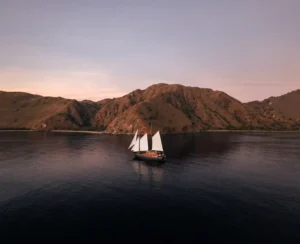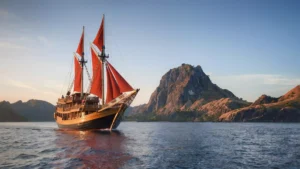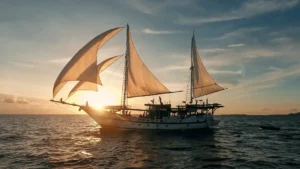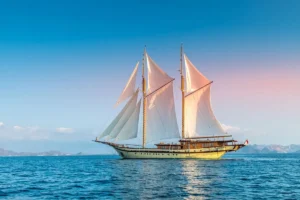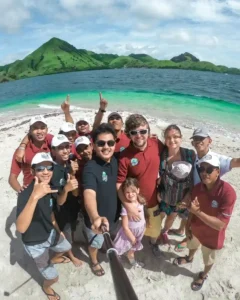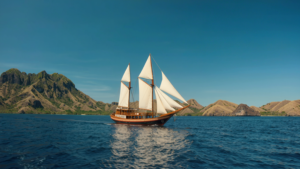
Few destinations on Earth offer the concentrated visual richness that Komodo delivers to photographers. The combination of prehistoric Komodo dragons, unique wildlife, volcanic landscapes, pristine beaches with rare pink sand, dramatic ocean vistas, and some of the world's finest dive sites creates an environment where nearly every moment presents photographic opportunity. Komodo national park photos have graced international publications, coffee table books, and prestigious photography exhibitions worldwide. The park's rugged, undeveloped character means that landscapes remain largely untouched by human modification—you're photographing genuinely wild scenery rather than developed tourist attractions. The volcanic geology creates natural compositions with dramatic textures, varied elevations, and striking color contrasts between dark volcanic rock, golden grassland, turquoise water, and orange-tinted earth. Wildlife photography Komodo presents singular opportunities: where else on Earth can you photograph the world's largest living lizards in their natural habitat with relative accessibility? The predictable behavior patterns of habituated dragons allow photographers to anticipate behaviors and position themselves for compelling shots. The diversity of wildlife subjects—from Komodo dragons to wild horses, deer, eagles, and marine megafauna—ensures visual variety throughout multi-day expeditions. The region's underwater environments rival terrestrial landscapes, offering equally compelling subjects for photographers equipped with underwater gear.
Padar Island stands as arguably the most photogenic location in the entire park, its elevated viewpoint providing sweeping vistas across neighboring islands, beaches, and ocean. The three distinct colored beaches visible from above—white, pink, and black sand—create natural compositional elements that frame the landscape. Golden hour photography at this location yields some of the region's most dramatic images, with warm sidelighting creating texture and depth across the volcanic terrain. The approach hike itself offers photographic subjects: endemic birds, native vegetation, and panoramic views at various elevations.
Komodo Island's diverse environments provide varied photography opportunities within a single location. The coastal plains offer open landscapes with scattered dragons, while inland terrain provides elevated perspectives revealing topographic variations. The ranger station area features habituation patterns that allow closer approaches to dragons than wild populations elsewhere in the park, essential for detailed wildlife work.
Rinca Island offers similar advantages to Komodo with often greater dragon concentrations, making it statistically likely to encounter and photograph multiple dragons during a single trek. The island's varied terrain—from coastal scrub to elevated ridge lines—provides compositional diversity.
Manta Point and other designated dive sites present extraordinary underwater photography subjects. Manta rays with wingspans exceeding six meters gliding through crystal-clear water create dramatic compositions impossible to achieve in other settings. The bioluminescent waters during certain conditions offer specialized photographic possibilities requiring technical expertise and specialized equipment.
Labuan Bajo's waterfront and harbor areas provide cultural photography opportunities—traditional boats, fishing practices, local markets—that contextualize Komodo within broader Indonesian culture. Many photography tours extend experiences beyond the park to capture human-interest subjects and cultural dimensions complementing natural history photography.
Photographing Komodo dragons represents the pinnacle challenge and reward for many nature photographers. These creatures present unique technical and compositional challenges. Dragons' dark coloration requires careful metering to maintain detail in both shadow and highlight regions. Back-lighting often enhances texture in scales and creates edge-lighting that separates subjects from backgrounds. Close-up work reveals extraordinary detail—the texture of scaly skin, the piercing gaze of their reptilian eyes, the powerful musculature of their limbs.
Komodo dragon close-up photography demands wide-angle lenses combined with relatively close proximity, positioning challenges given the animals' unpredictability. Professional guides understand dragon behavior sufficiently to predict movements and position photographers accordingly. Early morning sessions offer optimal light quality and tend to feature more active dragon behavior as animals move to bask in warming sunlight. The approach angles matter tremendously—side-lighting reveals scale texture and body form, while front angles capture the intimidating facial features that define these creatures.
Environmental portraiture contextualized dragons within their landscape habitat, showing the relationship between predator and environment. Wide-angle compositions capturing dragons in their savanna or volcanic habitat create narrative power impossible with extreme close-ups alone. Behavioral photography captures feeding, interaction with other dragons, or movement across landscape—technically challenging but visually compelling.
Technical considerations include shutter speed adequate to freeze motion if dragons move unpredictably, aperture balancing depth of field requirements against light availability in shadowed areas, and ISO flexibility to maintain image quality across varying lighting conditions. Professional equipment typically includes telephoto lenses for distant subjects, standard lenses for environmental portraits, and macro capability for detail work.
Underwater photography Komodo experiences rank among the world's finest for dedicated underwater photographers. The convergence of ocean currents and tropical waters creates visibility regularly exceeding 20 meters, exceptional for underwater work. Manta rays represent the most iconic underwater subject, their grace and scale creating dramatic compositional possibilities. The wing structure and movement patterns of these massive creatures gliding through water create dynamic visual narratives impossible with static subjects.
Coral garden photography requires attention to color accuracy and depth-of-field management. Strobes or artificial lighting become essential for color accuracy and detail revelation in underwater environments where natural light becomes increasingly blue-shifted with depth. Wide-angle lens work captures the scale and complexity of healthy coral ecosystems, while macro work reveals the intricate details of small organisms and coral polyps.
Fish school photography captures the collective behavior of schooling fish, creating abstract compositional opportunities through patterns of movement and color variation. Pelagic species—tuna, jacks, sharks—demand faster shutter speeds and continuous autofocus capability to track movement through open water.
Technical underwater photography requires specialized equipment: underwater camera housings, dome ports for wide-angle lenses enabling close focusing and curved glass correction, strobes with sufficient power and color temperature accuracy, and redundant backup systems ensuring reliability in saltwater environments. Buoyancy control becomes critical—improper buoyancy compromises composition, damages fragile coral, and increases air consumption. Professional underwater photographers often dedicate significant time perfecting buoyancy skills to enable precise positioning.
Capture underwater composition principles require adaptation to the three-dimensional underwater environment. Foreground/midground/background layering enhances depth perception in two-dimensional images. Silhouettes against blue water create dramatic visual impact. Understanding color absorption with depth—reds disappearing beyond 10 meters depth—informs creative use of artificial lighting for color revelation.
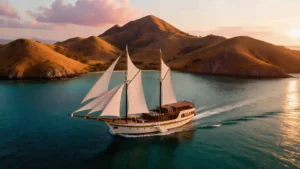
Komodo's volcanic landscapes offer extraordinary opportunities for landscape photography. The contrast between deep blue ocean, golden-brown volcanic terrain, and emerald vegetation creates natural color harmonies. Wide-angle landscape photography captures environmental context—how dragons inhabit their world, the relationship between islands, the vastness of undeveloped wilderness. Elevated vantage points from island peaks provide perspectives revealing topographic variation and scale.
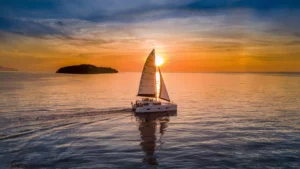
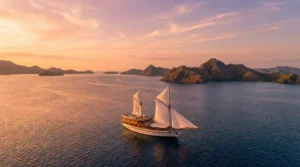
Sunrise and sunset photography dominate many photographers' working schedules, with golden hour conditions creating warm, directional light revealing texture and form impossible under midday sun. The specific timing varies seasonally—understanding precise twilight windows becomes essential for optimal color and light quality. Graduated neutral density filters balance sky brightness against foreground darkness, maintaining detail across luminance extremes.
Drone photography expands landscape photography possibilities, revealing topographic patterns and perspectives impossible from ground level. Aerial views of three-colored Padar Island beaches, the radiating ridge patterns of volcanic peaks, and the relationship between islands within the archipelago create compositional possibilities unique to aerial perspectives. Regulatory considerations require coordination with park authorities before drone operations.
Storm photography capitalizes on dramatic weather events—towering cumulus clouds, rain shafts, dramatic light breaks—creating environmental portraits with emotional intensity. The volatility of tropical weather creates unpredictable opportunities requiring vigilance and flexibility.
Professional wildlife photography demands reliable, versatile equipment. A full-frame mirrorless or DSLR body with professional autofocus capability ensures accurate focus tracking of moving animals. Fast, telephoto lenses (70-200mm with wide apertures) enable wildlife work at safe distances while maintaining image quality. Standard zooms (24-70mm) provide versatility for environmental portraiture and landscape work. Ultra-wide-angle lenses (16-35mm) capture dramatic landscape and environmental contexts.
Tripod systems with fluid heads enable precise composition and camera stability essential for optimal sharpness. Neutral density and graduated ND filters extend creative possibilities in bright conditions. Extra batteries (tropical heat significantly reduces battery life), memory cards with substantial capacity and fast write speeds (4K video requirements and burst shooting demands), and lens protection filters prevent saltwater and dust damage.
Underwater photographers require specialized housings, typically rated for depths exceeding typical diving parameters. Strobes with sufficient guide numbers, color temperature accuracy, and recycling speed become critical. Dome ports for wide-angle lenses provide superior optics compared to flat ports. O-ring maintenance kits and backup O-rings prevent saltwater corrosion failures.
Backup equipment deserves emphasis—tropical heat, humidity, and saltwater exposure create equipment failure risks requiring redundant critical components. Professional photographers travel with backup bodies, backup lenses for critical focal lengths, backup batteries, and backup memory cards ensuring mission continuity despite equipment failures.
Dedicated Komodo photography tours tailor itineraries specifically for photographic success rather than generic tourism. Early departures capture dawn light and active animal behavior. Prime locations receive multiple visits at different times and lighting conditions, recognizing that light, weather, and subject availability vary dramatically throughout the day. Professional photographic guides understand composition principles, equipment capabilities, and optimal camera settings—providing real-time coaching improving photographers' technical and creative skills throughout the expedition.
Specialized tours accommodate different skill levels and interests. Wildlife specialists emphasize dragon photography and fauna subjects. Underwater photography tours coordinate with dive operators experienced in managing photographers underwater. Landscape-focused expeditions prioritize elevated viewpoints, dramatic light conditions, and compositional opportunities. Multi-day itineraries allow photographers to revisit promising locations at different times and lighting conditions, a key advantage over single-visit destinations.
Post-processing workshops often complement field work, addressing RAW file development, color grading, and creative processing techniques optimizing captured images. Professional photographers recognize that optimal final images result from integrated field technique and post-processing excellence.
Photography timing considerations extend beyond general tourism preferences. The dry season (May through September) provides consistent, predictable weather with minimal rain interruptions. June through July offer the most stable weather patterns enabling multi-day consistency in light quality and visibility. Cool morning temperatures encourage dragon activity and provide comfortable working conditions.
Underwater visibility peaks May through August, with consistent good conditions enabling reliable marine photography scheduling. Manta ray season (December through March) concentrates photographic opportunities on specific marine species, creating specialized photography focus different from general wildlife work.
Wind conditions affect both terrestrial and aquatic work—calm seas enable stable boat positioning for underwater photography, while moderate wind conditions create dramatic cloud formations enhancing landscape drama. Professional photographers balance weather predictability preferences against seasonal wildlife activity variations, recognizing that different seasons emphasize different subjects and photographic opportunities.
A mirrorless or DSLR body, telephoto lens for wildlife (70-200mm), standard zoom for versatility (24-70mm), wide-angle for landscapes, tripod with fluid head, neutral density filters, extra batteries, and substantial memory card capacity form the core. Underwater photographers require specialized housings, strobes, and dome ports. Travel with backup equipment for critical components.
Absolutely. Photography-focused tours accommodate all skill levels, from advanced enthusiasts to serious amateurs. Professional guides provide real-time coaching, explain equipment settings, and suggest compositional improvements throughout expeditions. The guided structure accelerates skill development while ensuring quality results.
A telephoto zoom like 70-200mm enables safe approaches while maintaining subject size in frame. Wide-angle lenses enable dramatic environmental portraits showing dragons within habitat. A versatile approach combines multiple focal lengths, using telephotos for close work and wide-angles for environmental context.
Flash photography is prohibited to avoid disturbing wildlife. Approach distances must maintain ranger-specified minimums. Drone operations require special authorization. Commercial photography for publication may require additional permits. Always consult with rangers regarding specific restrictions before undertaking specialized photography projects.
RAW files from the field require color grading, contrast adjustment, and detail enhancement to realize their full potential. Vibrant landscapes benefit from graduated exposure adjustments and selective clarity enhancement. Professional workflows incorporate environment-specific adjustments—saturation boosting for underwater images, shadow detail recovery for wildlife backlighting situations.
Yes, but comply with all park regulations and diving safety requirements. Ensure your housing is properly maintained and sealed to prevent saltwater damage. Coordinate with professional dive operators experienced managing photographers underwater, ensuring you maintain proper buoyancy and safety protocols while focusing on photography.
Join expert photographers and naturalists aboard our luxury vessels for dedicated expeditions designed for photographic excellence. From golden hour landscapes to intimate wildlife moments and world-class underwater encounters, capture images worthy of your adventure.
With over a decade of expertise in luxury maritime travel, Komodo Luxury is a subsidiary of Juara Holding Group, a TripAdvisor Travelers’ Choice award recipient on TripAdvisor. Explore luxury yacht charters across Komodo National Park and Raja Ampat with our curated Phinisi cruises and personalized itineraries
Proud Partner of Indonesia's Award-Winning Tour Operators


We Accept Payment

Most Popular Boat
Connect With Us
| Jl. Pemuda I No.1, Denpasar, Bali | |
| Jl. Mgr Vitalis Jebar, Garon Tolo, Kec. Komodo, Kab. Manggarai Barat, Nusa Tenggara Timur | |
| (+62) 811 3823 875 [EN] | |
| (+62) 811 3810 8110 [EN] | |
| [email protected] | |
| [email protected] |
Follow Us