
Swim with the Giants



沉浸式体验
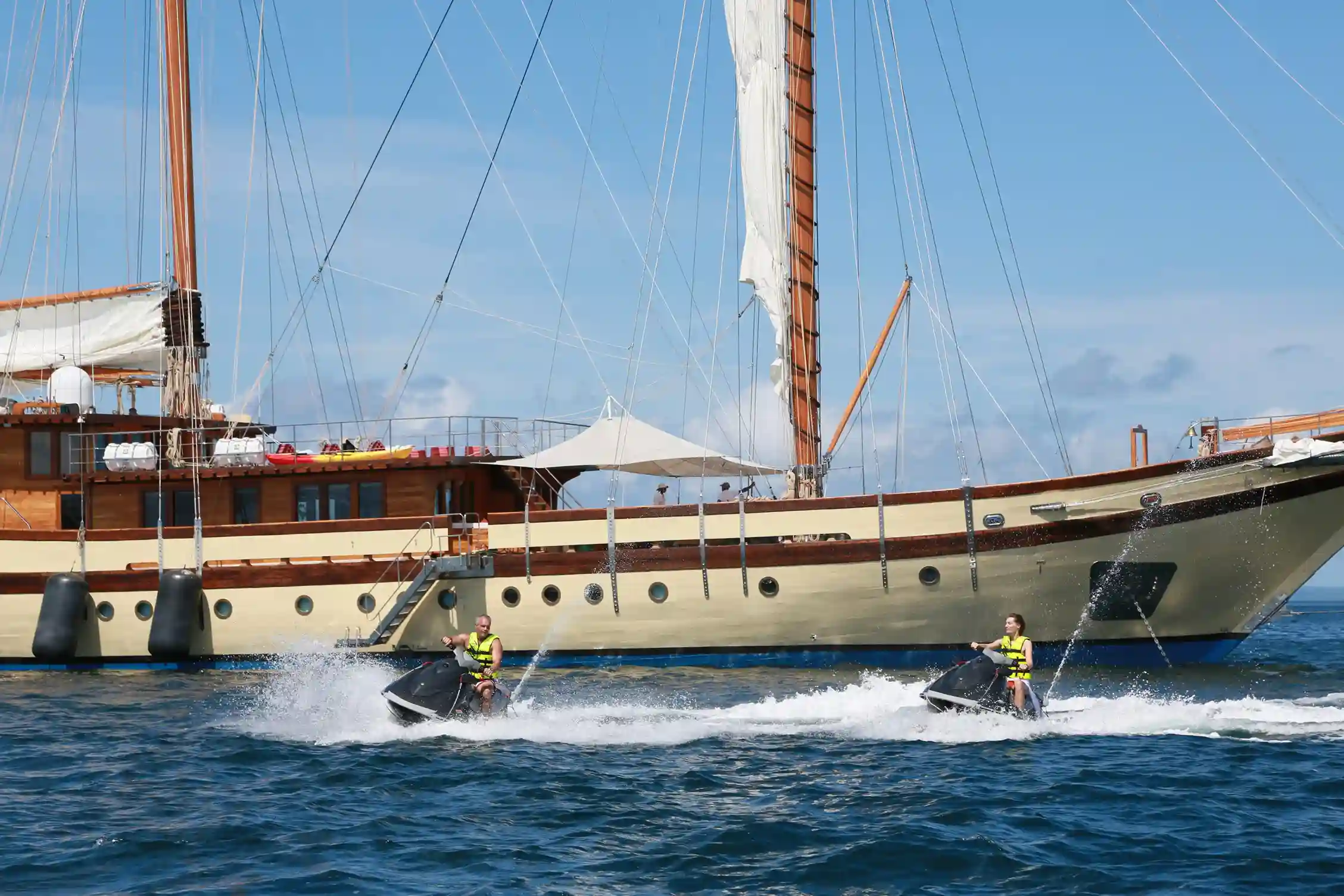
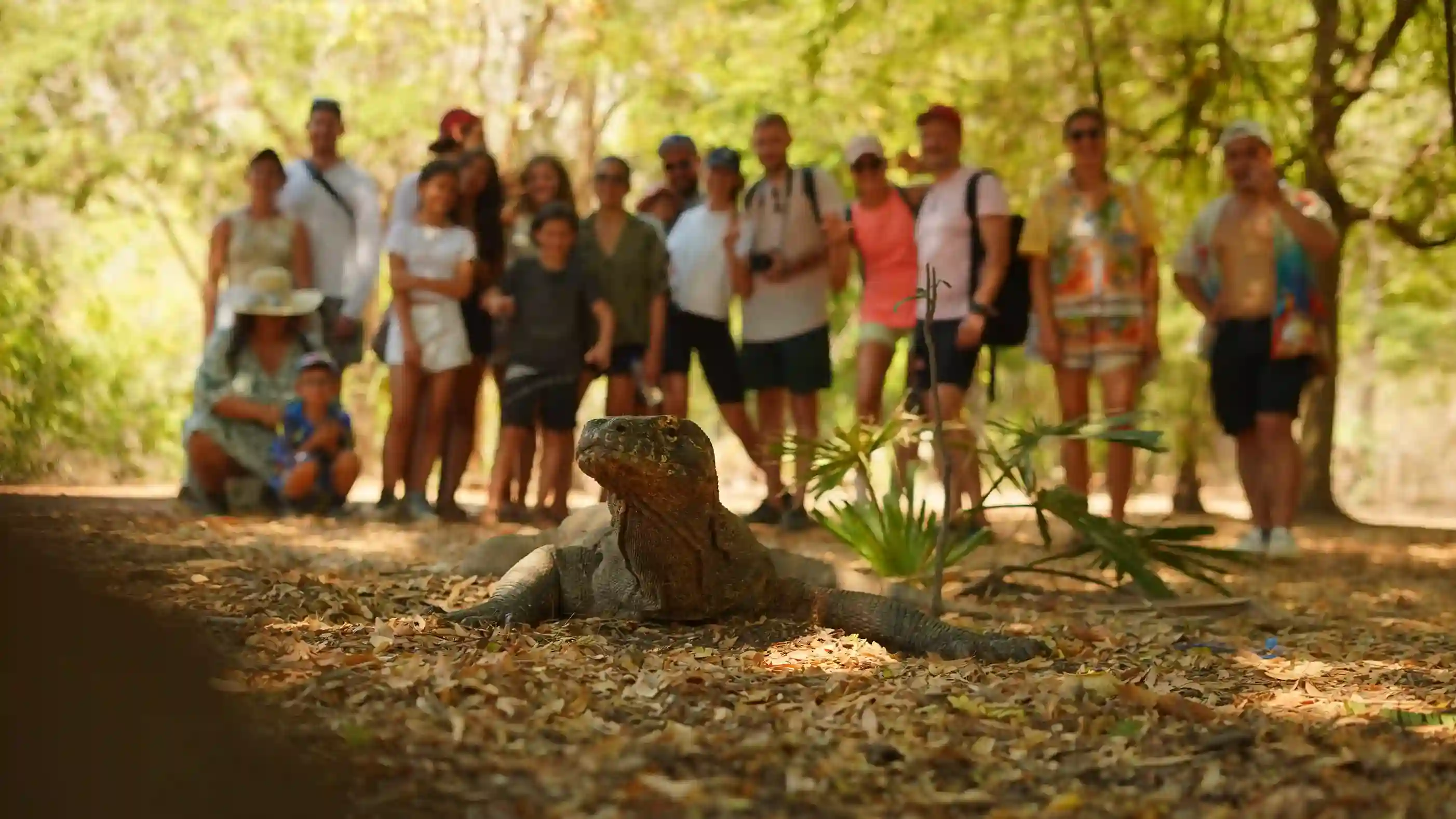
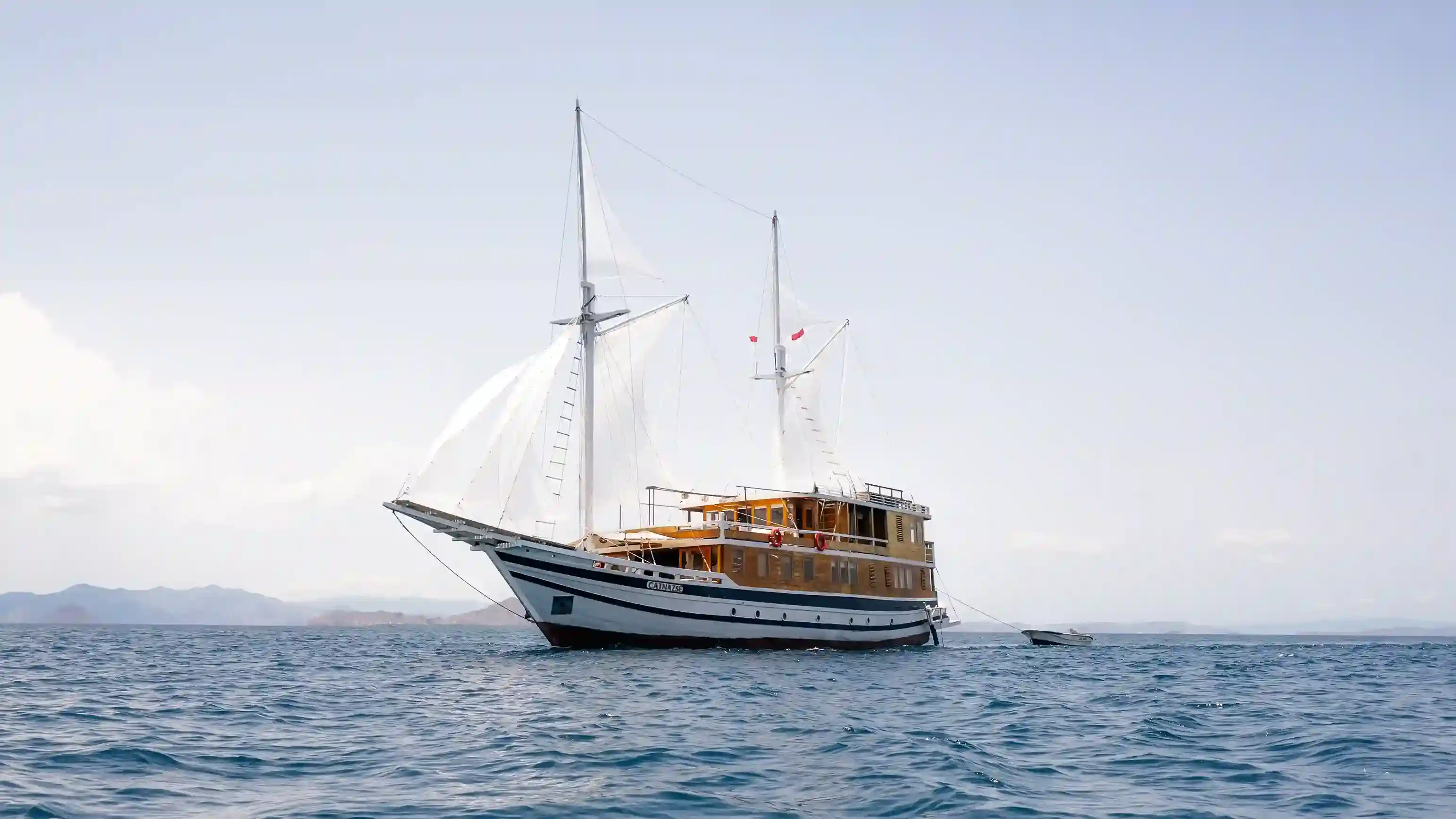
在我们的豪华帆船之旅中,潜入原始珊瑚礁,徒步偏远岛屿,邂逅野生动物。
问答
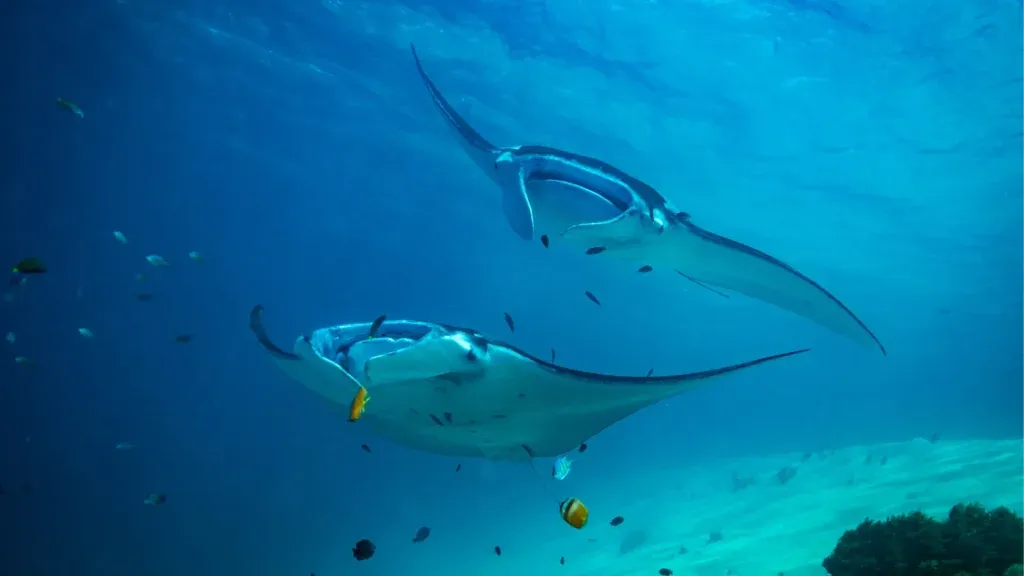
No. Manta rays are harmless filter feeders with no venomous spine and no interest in humans. They often approach swimmers calmly. The only rule—don’t touch them—is for conservation, not safety.
Mantas are present year-round. Peak aggregations occur September–November, with another strong window in February–April (fewer crowds). May–August offers good conditions, though July–August is busiest.
Early morning (before 9am) is best—fewer boats and calmer conditions. Private charters can access the site earlier for a quieter experience.
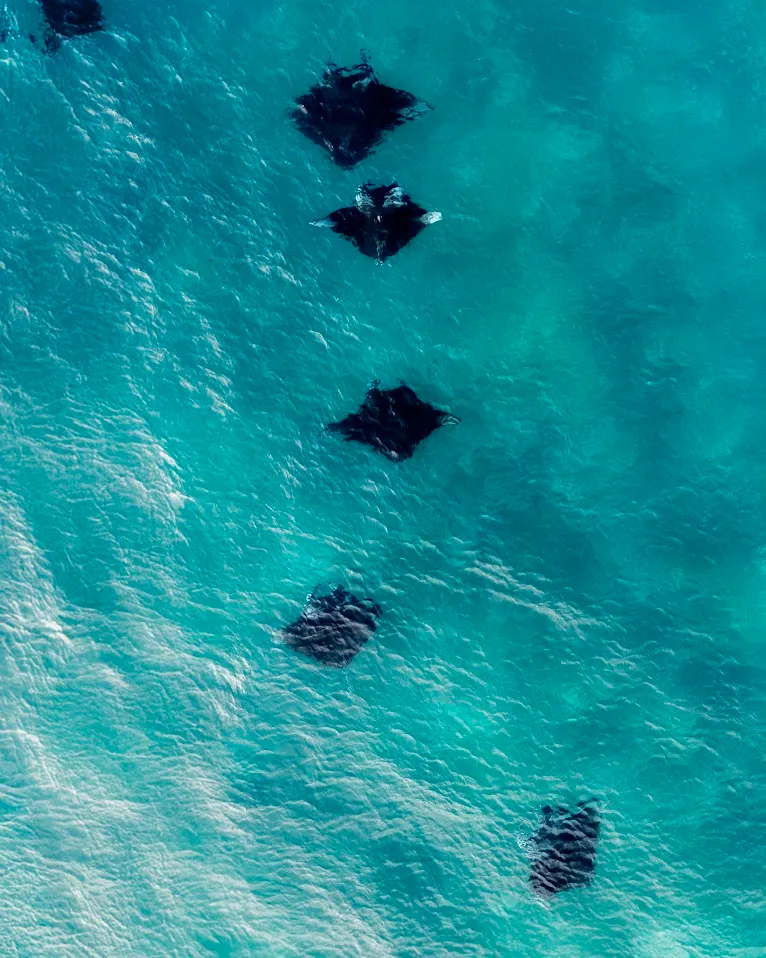
Typically 2–6 mantas per visit. During peak months, groups of 10+ are possible. Sightings are highly consistent but never guaranteed.
Yes, for confident swimmers comfortable in open water. Parents should assess readiness, and setups can be adjusted for younger guests.
Not recommended if you haven’t dived in 12+ months. Currents can be strong—consider a refresher dive (e.g., at Siaba Besar) first.
Included in most multi-day itineraries, but routes are customized based on guest preferences, timing, and conditions. Mention it in advance to prioritize your visit.
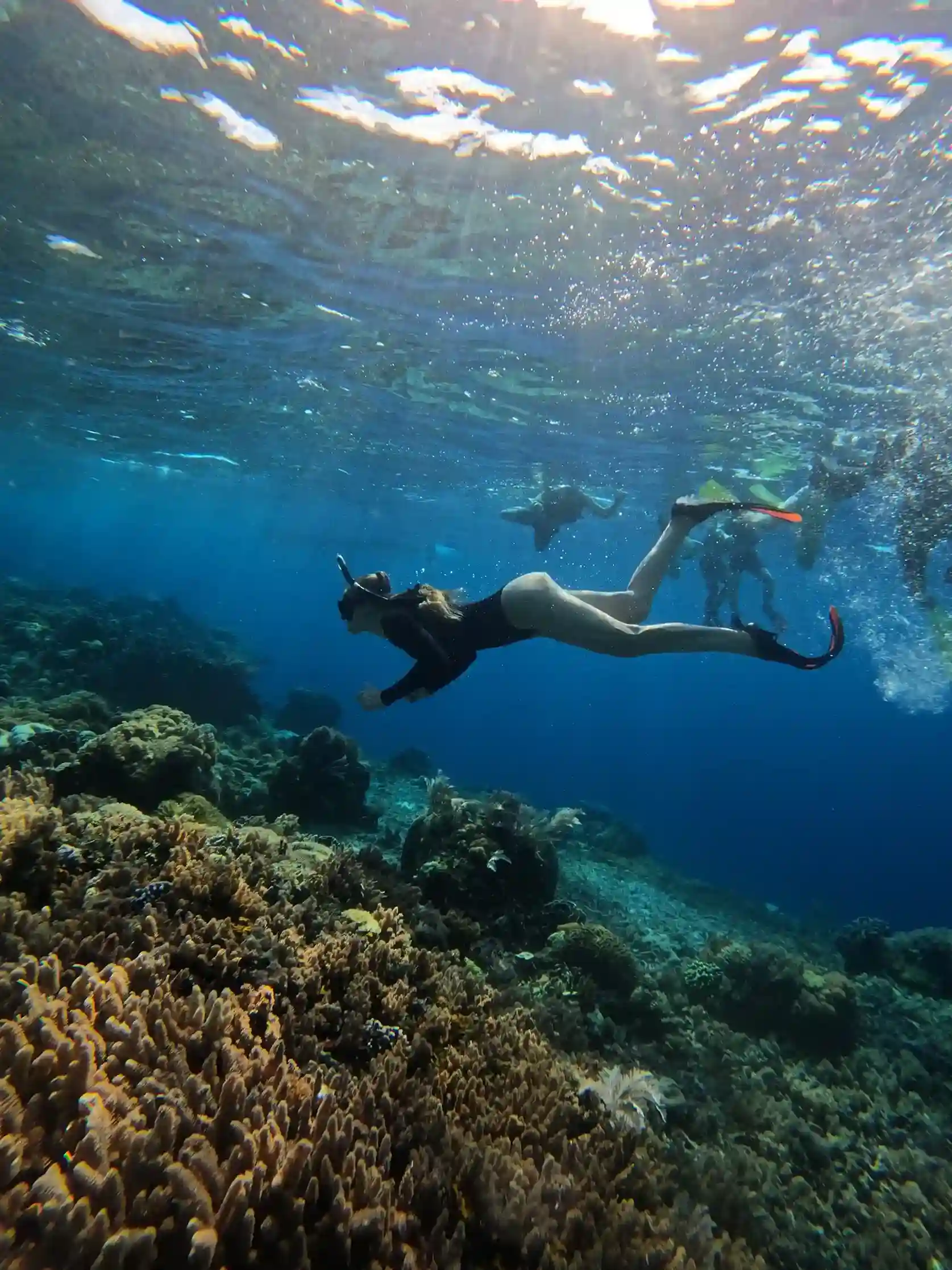
Manta Point (Karang Makassar) is a relatively shallow site, with depths ranging from approximately 5 metres at the shallowest cleaning stations to around 15 metres across the main plateau. This shallow profile is one of the site's defining characteristics — it makes manta rays accessible to snorkelers as well as divers, and the surface light creates exceptional conditions for underwater photography. There is no need to dive deep to have an outstanding Manta Point experience.
Yes — Manta Point is one of the few manta ray destinations in the world with reliable year-round sightings. Komodo National Park supports a resident population of approximately 1,200 reef manta rays, and Karang Makassar's nutrient-rich waters and cleaning stations attract them consistently across all seasons. Peak aggregations typically occur from October to June, with the highest numbers often seen from November to March when cooler, plankton-dense water draws mantas to the central zone. Sightings remain reliable throughout the rest of the year.