
Komodo Luxury - O melhor passeio de barco em Komodo e excursão de mergulho em Raja Ampat
Batu Bolong Destination

Batu Bolong Destination

Top Dive Site

Batu Bolong

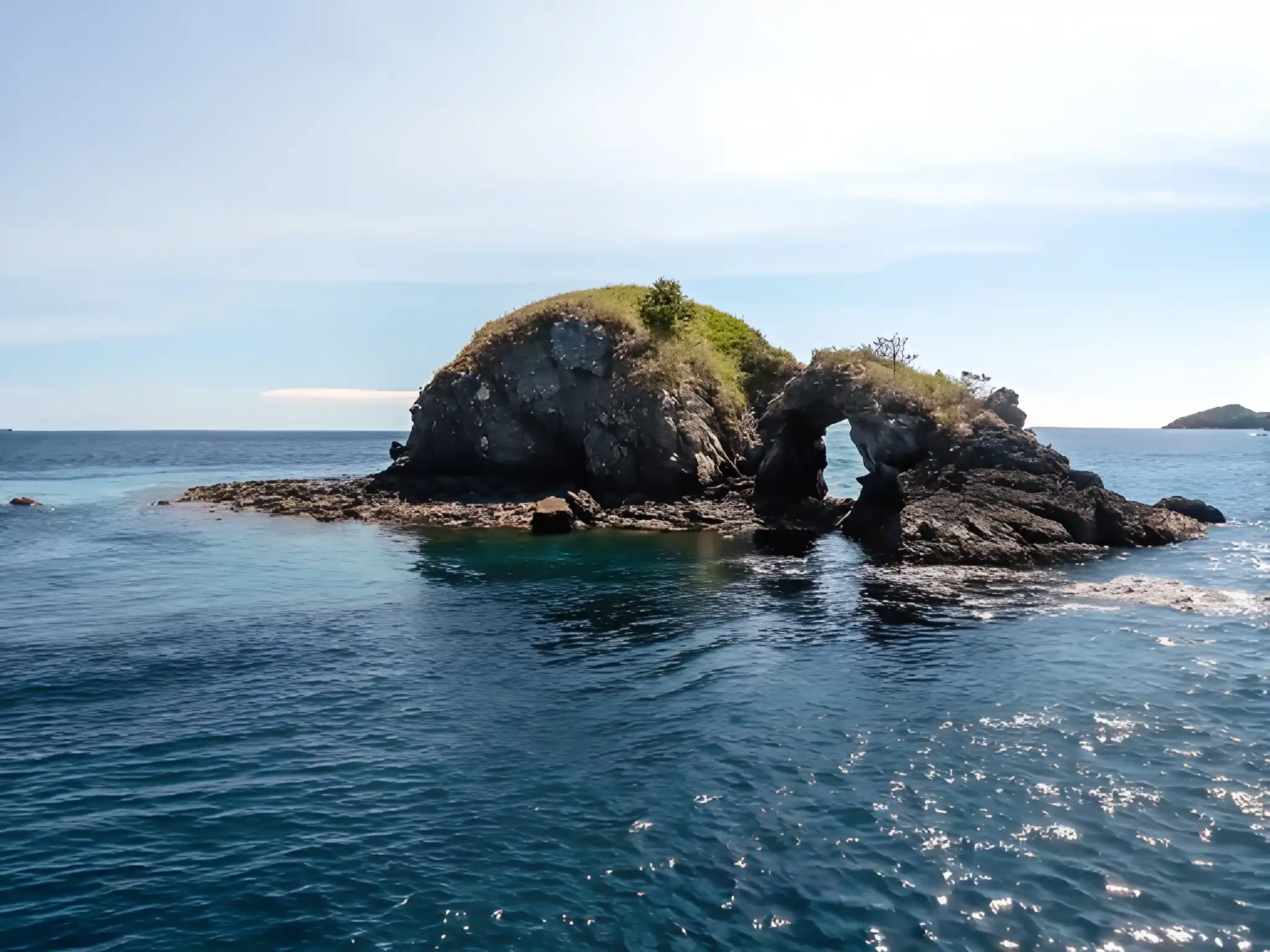
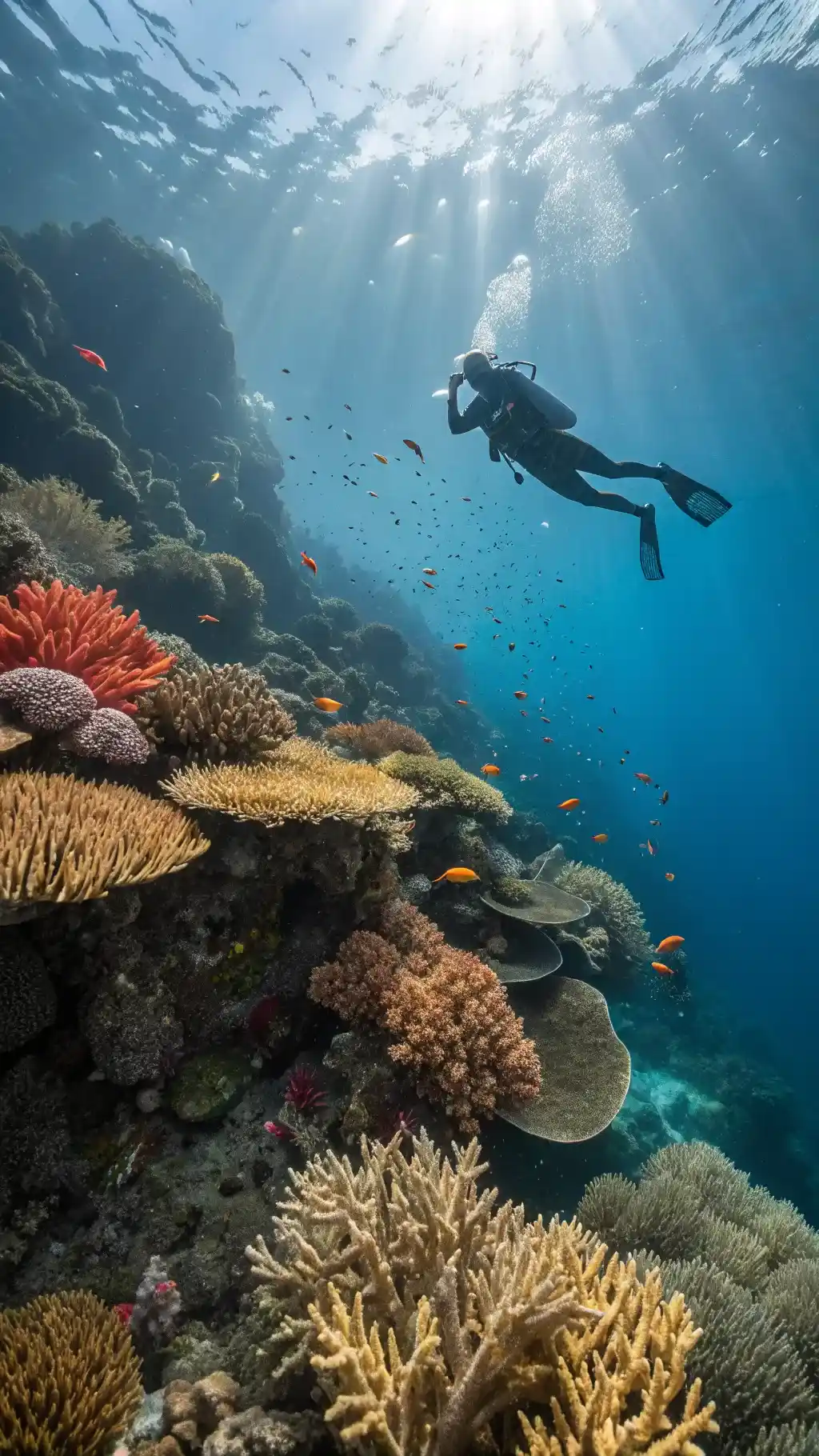
Batu Bolong — meaning "rock with a hole" in Indonesian — is a submerged volcanic pinnacle rising from depths exceeding 75 metres to just beneath the surface, in the strait between Tatawa Kecil and Komodo Island. Its tip breaks above the waterline: an unassuming surface landmark for what lies beneath one of the most biodiverse dive sites on the planet. Consistently ranked among the world's finest dive sites and cited by Scuba Diving Magazine and CNN Travel, Batu Bolong is the undisputed centrepiece of any Komodo itinerary. For guests aboard a Komodo Luxury private charter, it is almost always the dive people talk about first when they return to the deck — still breathing hard, still smiling.

Where is Batu Bolong

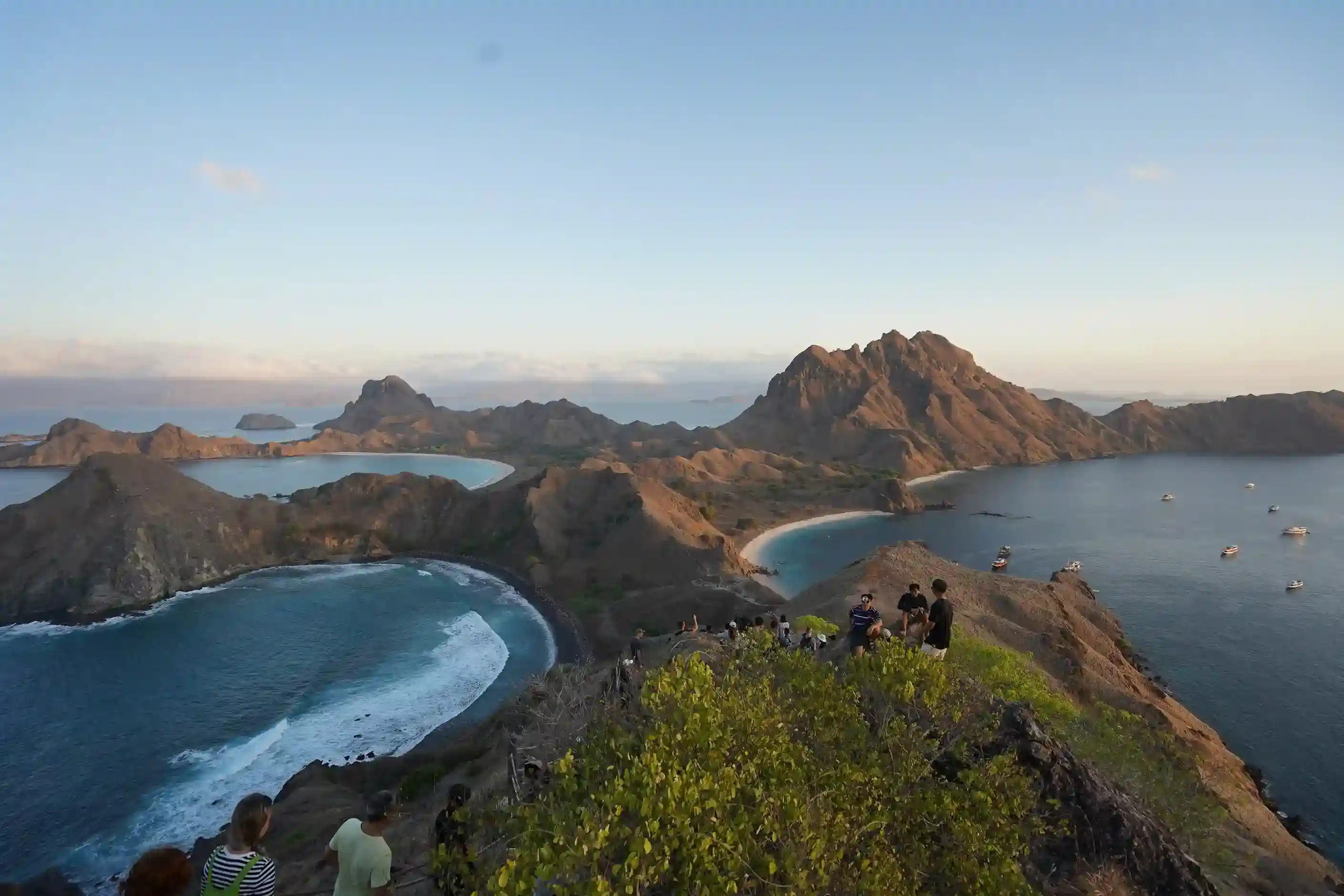
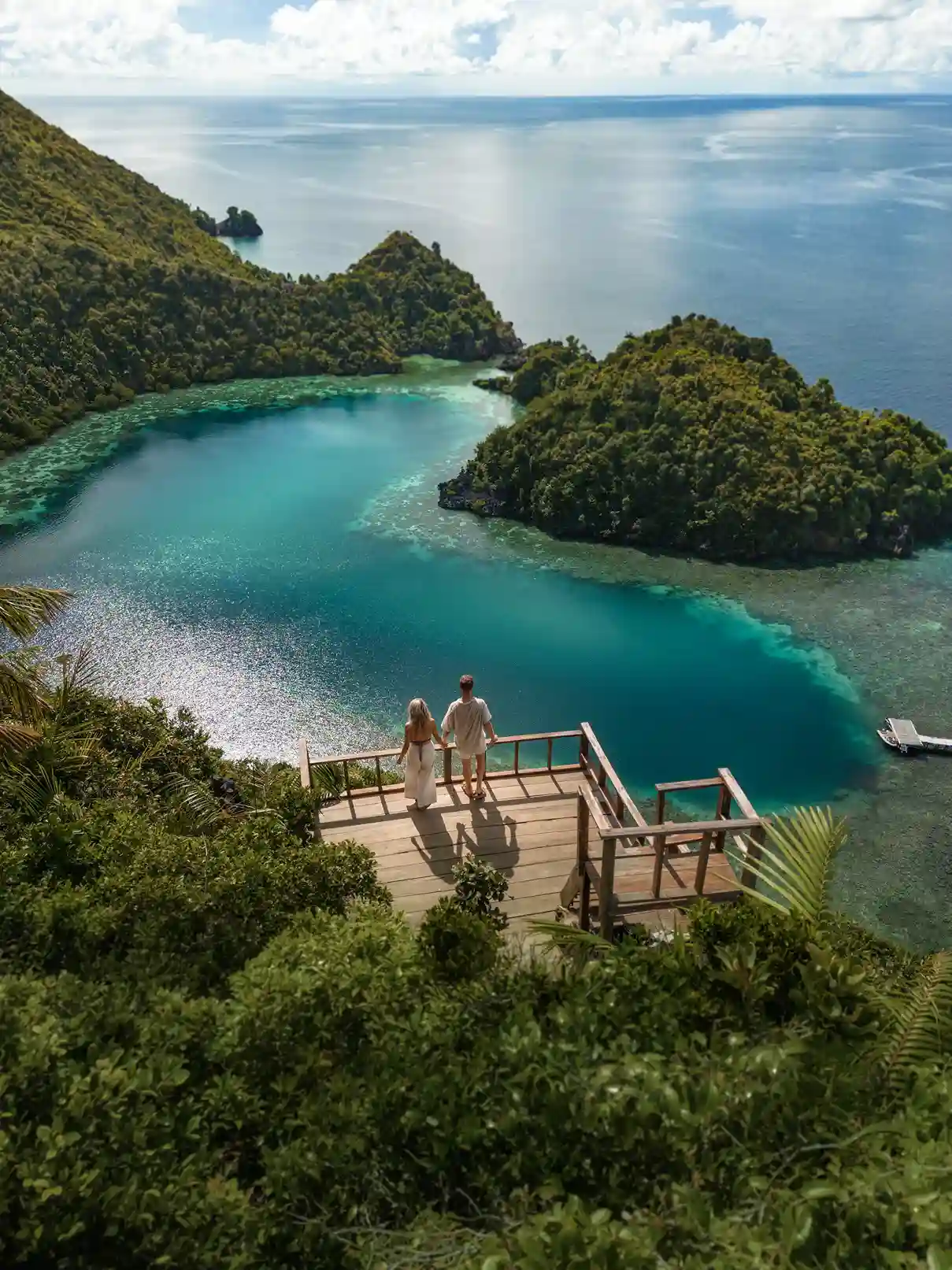
Batu Bolong sits between Komodo Island and Tatawa Island, right in the midst of Komodo's rich underwater territory. Its strategic location allows nutrients to flow from surrounding waters, attracting various fish species and making it a haven for big pelagics and colorful reef dwellers alike.
Where is Batu Bolong
Batu Bolong Diving | Komodo Liveaboard | Komodo Tour | Komodo Luxury

The Name, the Rock, and Why It Matters

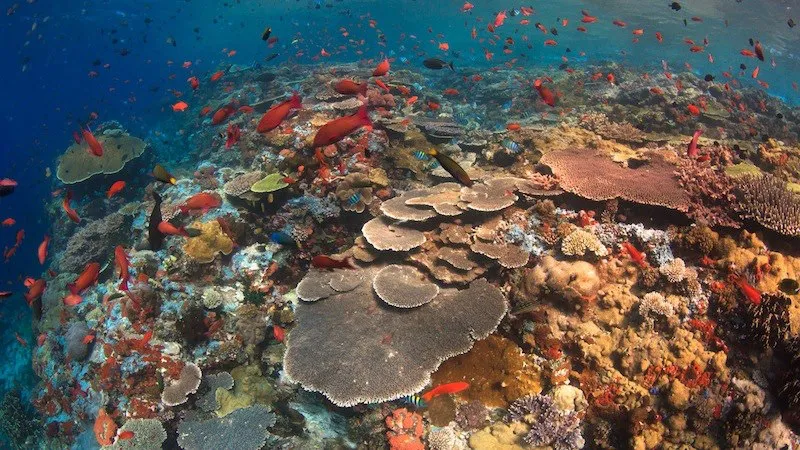
The "hole" in the name refers to a natural opening in the rock formation, though what defines Batu Bolong is less the structure above water and far more what lies beneath: walls and slopes smothered in hard and soft corals, surrounded by marine life so concentrated it has been described, more than once, as diving inside an aquarium that forgot to set limits. The reef here is in genuinely pristine condition — one of the most intact in Komodo — and that is no accident. The strong currents that make this a challenging dive are the same forces that have protected it.

Diving Batu Bolong — Conditions, Depth & What to Expect

A typical dive at Batu Bolong begins on the lee side of the pinnacle — the protected face determined by the current's direction at that specific moment of tide. Your Komodo Luxury dive guide will assess conditions before entering and brief the group on which side to dive, the recommended entry, and the depth profile for that session. No two dives here are exactly alike; the experience changes with the tide, the season, and the direction of the current. Divers enter at the safe zone between the current edges and descend to their preferred depth — typically 15 to 25 metres for the most productive reef zone. From there, the dive traces a pendulum pattern along the wall, arcing outward with the current's allowance, then traversing back. Visibility regularly reaches 20 to 30 metres, and the sheer volume of fish at any given depth means there is rarely a moment without something worth watching. Maximum recorded depth at the site exceeds 90 metres, but the best marine life sits firmly in the upper and mid-water ranges — there is no need to go deep to have an exceptional dive.
Batu Bolong Diving | Komodo National Park | Komodo Luxury
Diving in Komodo Island | Komodo Island Tour | Komodo Luxury

The Role of Current — and Why It's a Feature, Not a Problem

The strong tidal currents at Batu Bolong are the engine behind everything you see there. They deliver the nutrients that feed the plankton, which attracts the small fish, which in turn draw the pelagics, the sharks, and the rays. Without the current, Batu Bolong would be a good reef. With it, it is one of the greatest on earth. Experienced divers treat the current as part of the experience rather than an obstacle. Your guide will place you in the lee — the sheltered zone — where you can observe the action with comfort, while the drama plays out in the current just beyond the reef edge. It is one of the most compelling positions in diving: protected, yet with front-row access to open-ocean life.

Best Time to Visit Batu Bolong

Batu Bolong is diveable year-round, though conditions vary by season. April to November brings the best visibility, calmer surface conditions, and the strongest chance of pelagic encounters — June to August being the peak window. Water temperature ranges from approximately 24°C to 29°C depending on season and depth, with thermoclines possible on the deeper slopes. The wet season (December to March) brings rougher surface conditions and occasionally reduced visibility, making Batu Bolong better suited to experienced divers during this period. Speak with our team about seasonal advisories before confirming wet-season dive dates.
Best Time to Visit Batu Bolong
Things to Do at Batu Bolong

Things to Do at Batu Bolong

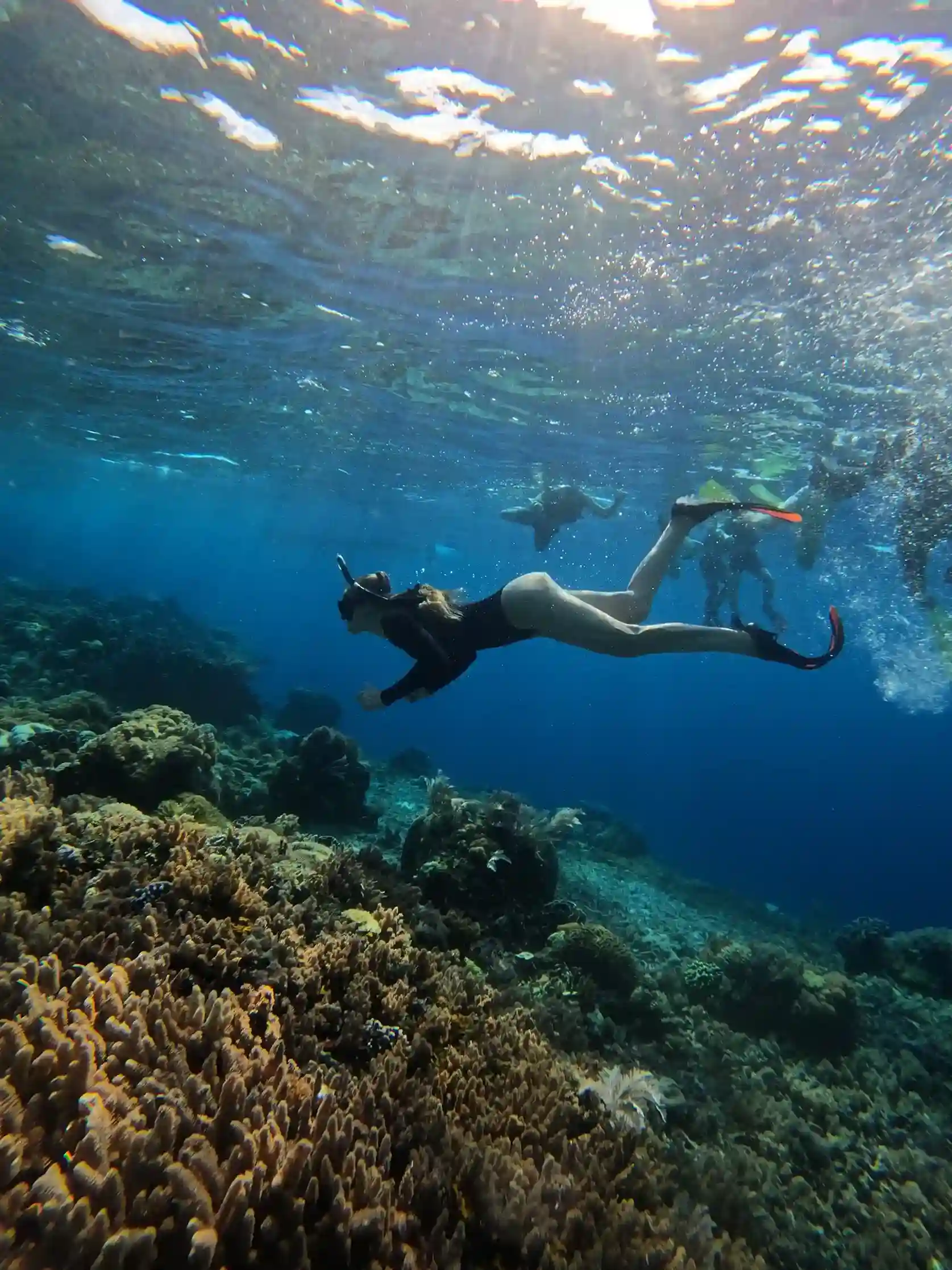
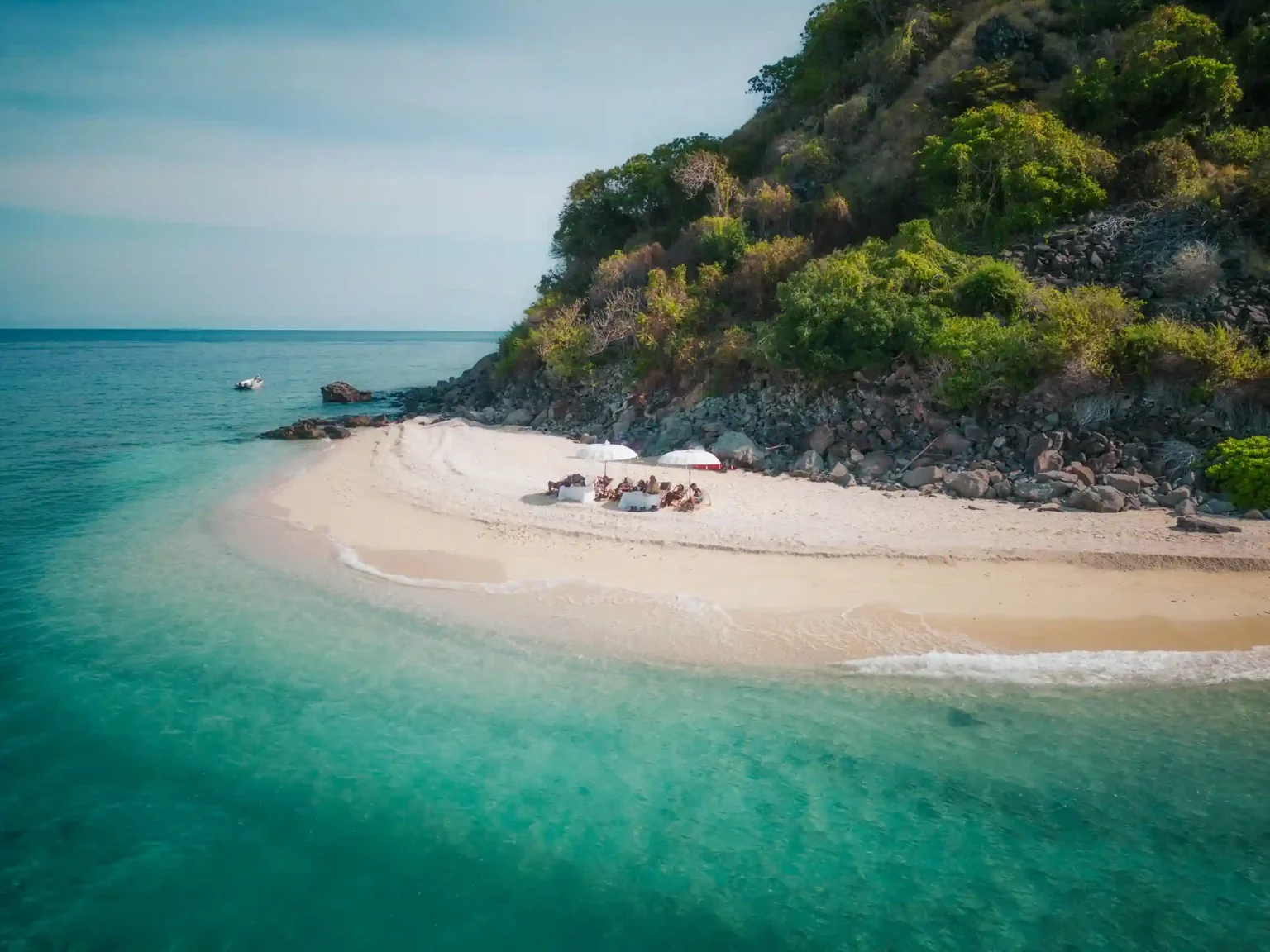
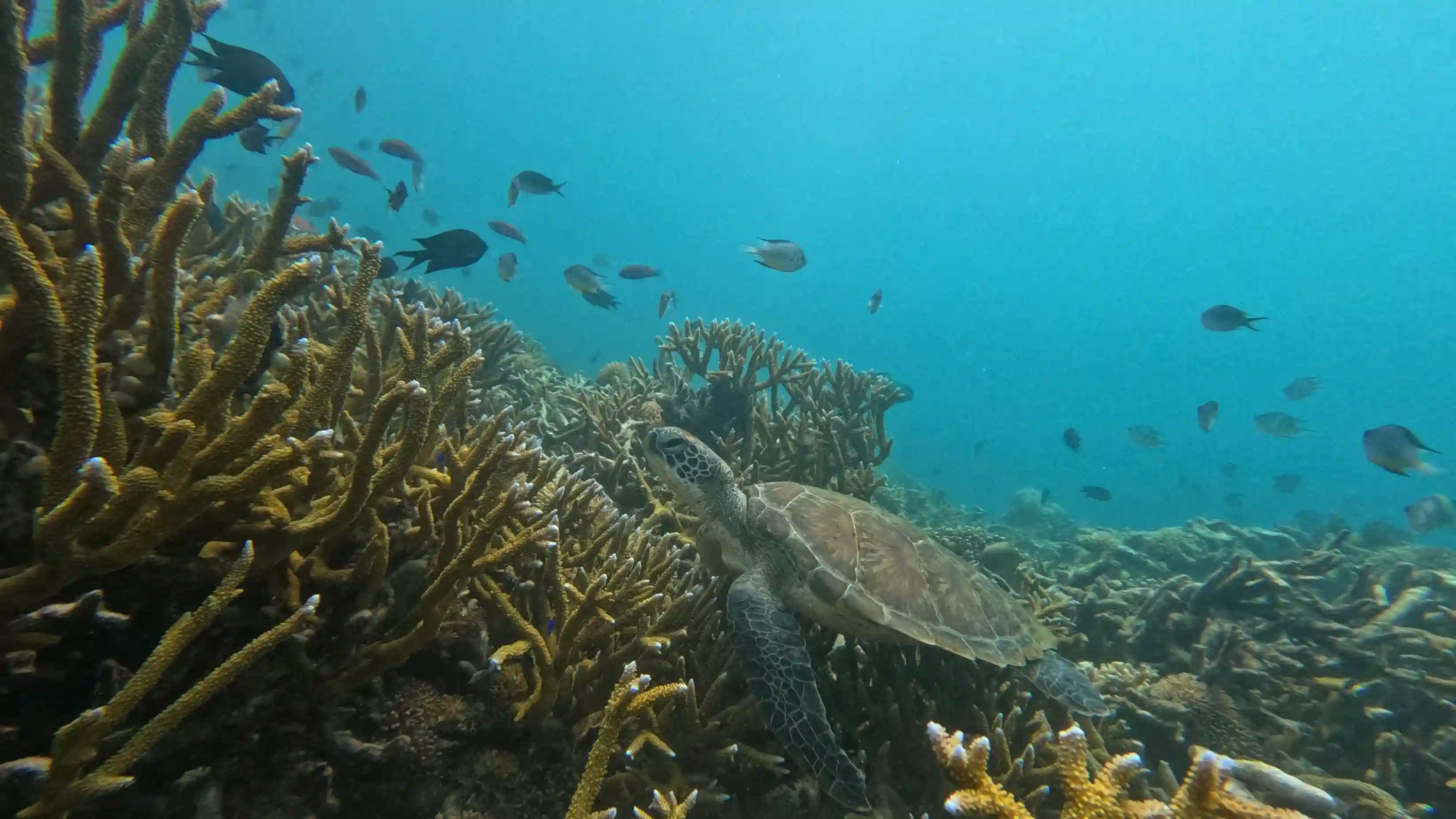
Plunge into Batu Bolong's underwater paradise and discover thriving reefs teeming with reef sharks, giant trevally, and countless other marine creatures. If you prefer staying closer to the surface, bring your snorkel gear and explore the vibrant corals bustling with smaller fish. From kaleidoscopic corals to cruising mantas, Batu Bolong's marine scenery offers unbeatable photo ops above and below the surface.

How to Get to Batu Bolong

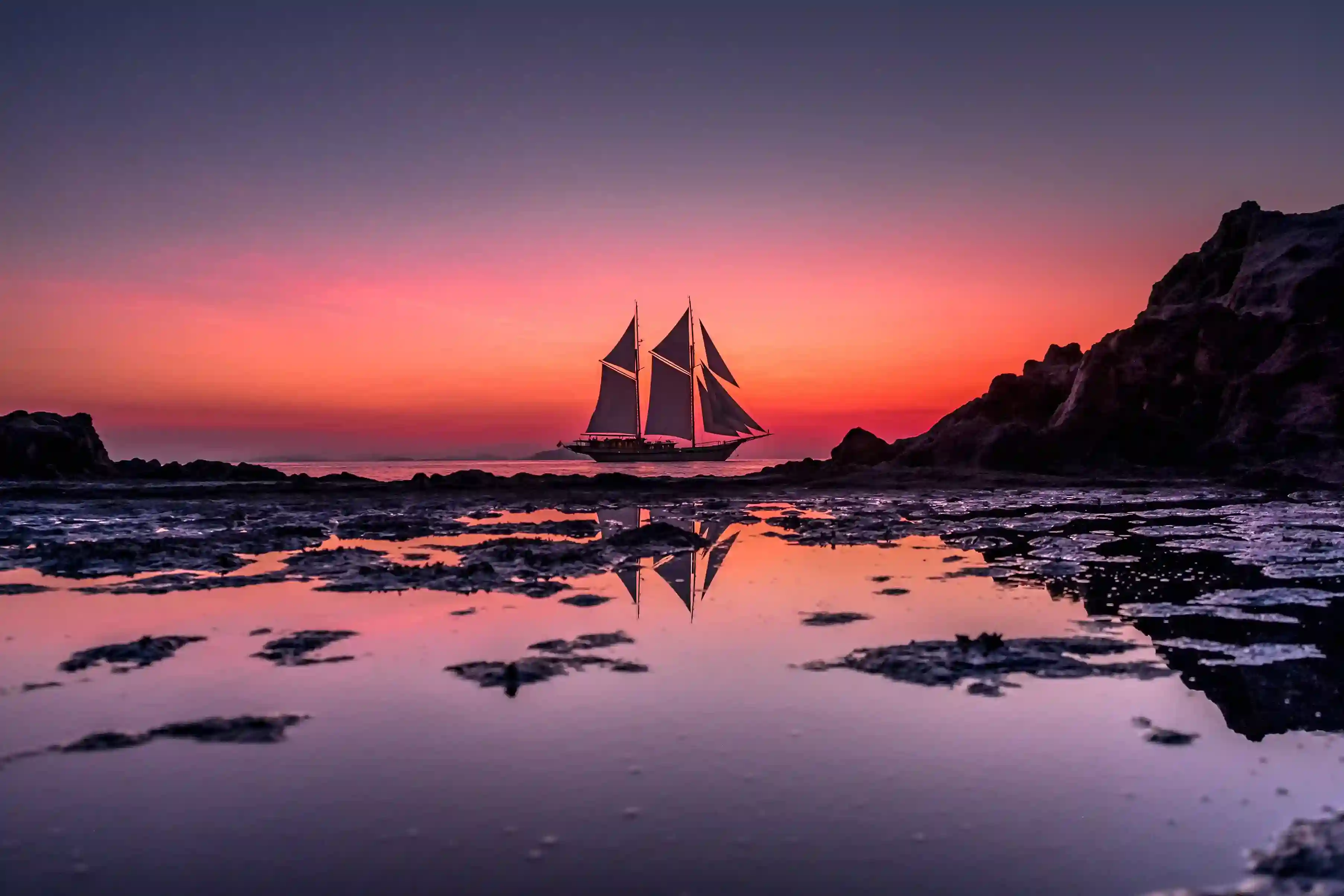
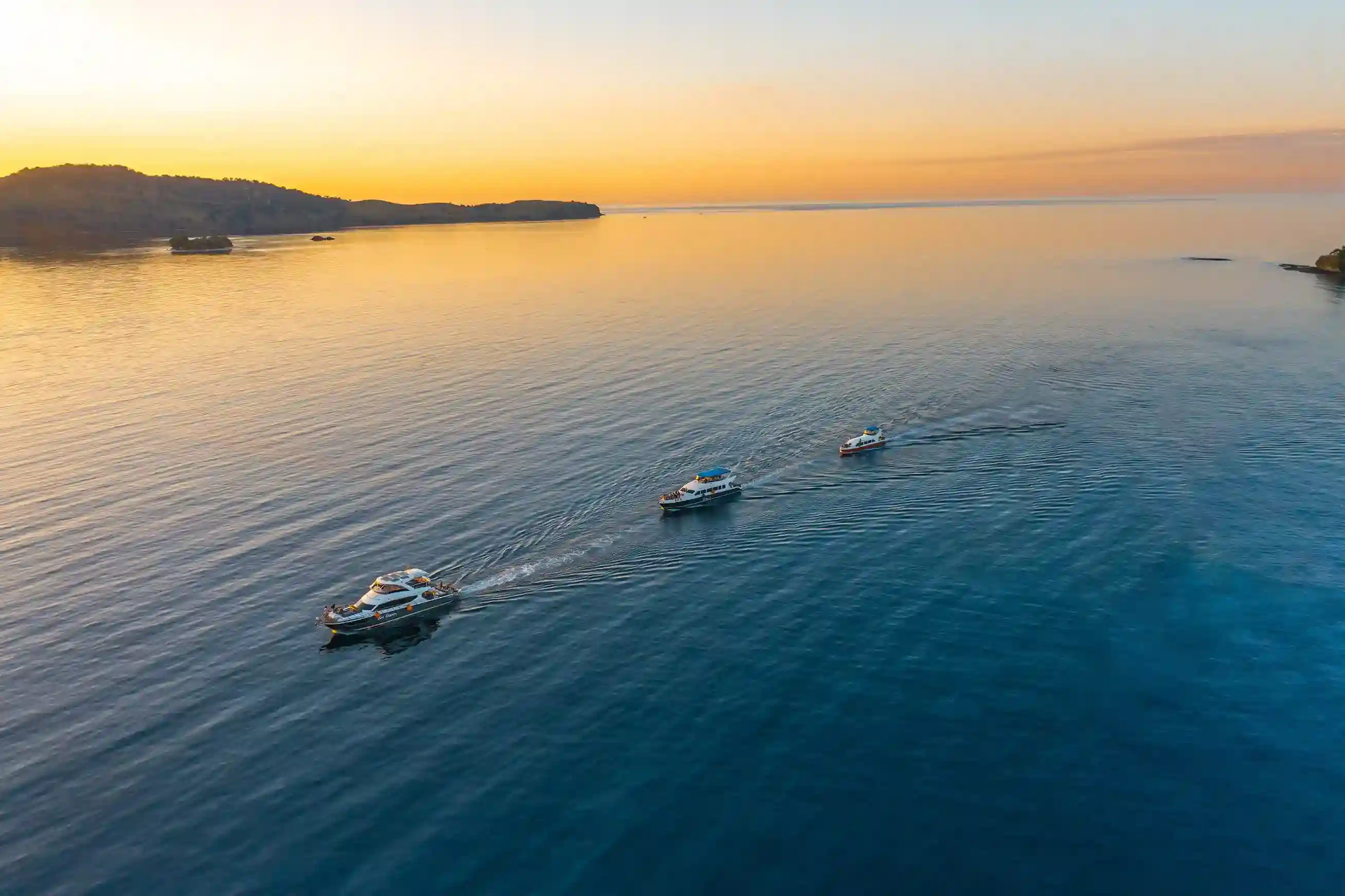
The easiest way to reach Batu Bolong is via a liveaboard or speedboat trip departing from Labuan Bajo, the gateway to Komodo National Park. Flights from Bali or Jakarta to Labuan Bajo are available daily, and the boat ride to Batu Bolong typically takes a couple of hours, depending on sea conditions. Batu Bolong is one of the highlight destinations included in our Komodo Island Tour. Sail with Komodo Luxury and experience this legendary dive site in style. From five-star yacht amenities to professional dive guidance, our team ensures you enjoy a safe, comfortable, and memorable journey through Komodo's iconic waters.
How to Get to Batu Bolong

Immersive Experiences

Activity

Dive pristine reefs, trek remote islands, and encounter wildlife during our luxury sailing tours.

Viagens Exclusivas

Passeios de luxo personalizados

Itinerários de luxo exclusivos, cuidadosamente elaborados para revelar os destinos e experiências mais exclusivos da Indonésia

Questions & Answers

Komodo Island Tour Packages - Frequently Asked Questions (FAQs)

The best time to visit Komodo Island is between April and November when the weather is dry and the seas are calm. During these months, you can enjoy clear skies, warm temperatures, and excellent visibility for snorkeling and diving. The peak season is between July and August, ideal for spotting Komodo dragons and experiencing the island's stunning landscapes. If you prefer fewer crowds, consider visiting during the shoulder months of April-May or September-November.
Booking a Komodo Island 1 Day Tour with Komodo Luxury is simple! Visit our website, navigate to the "Tour Packages" section, and select the 1 Day Tour option. You can then fill out the booking form with your preferred date, number of guests, and any special requests. Alternatively, you can contact our team directly via WhatsApp or email for personalized assistance. We offer a range of day trips that include speedboat tours to Komodo National Park's top spots, ensuring a memorable experience.
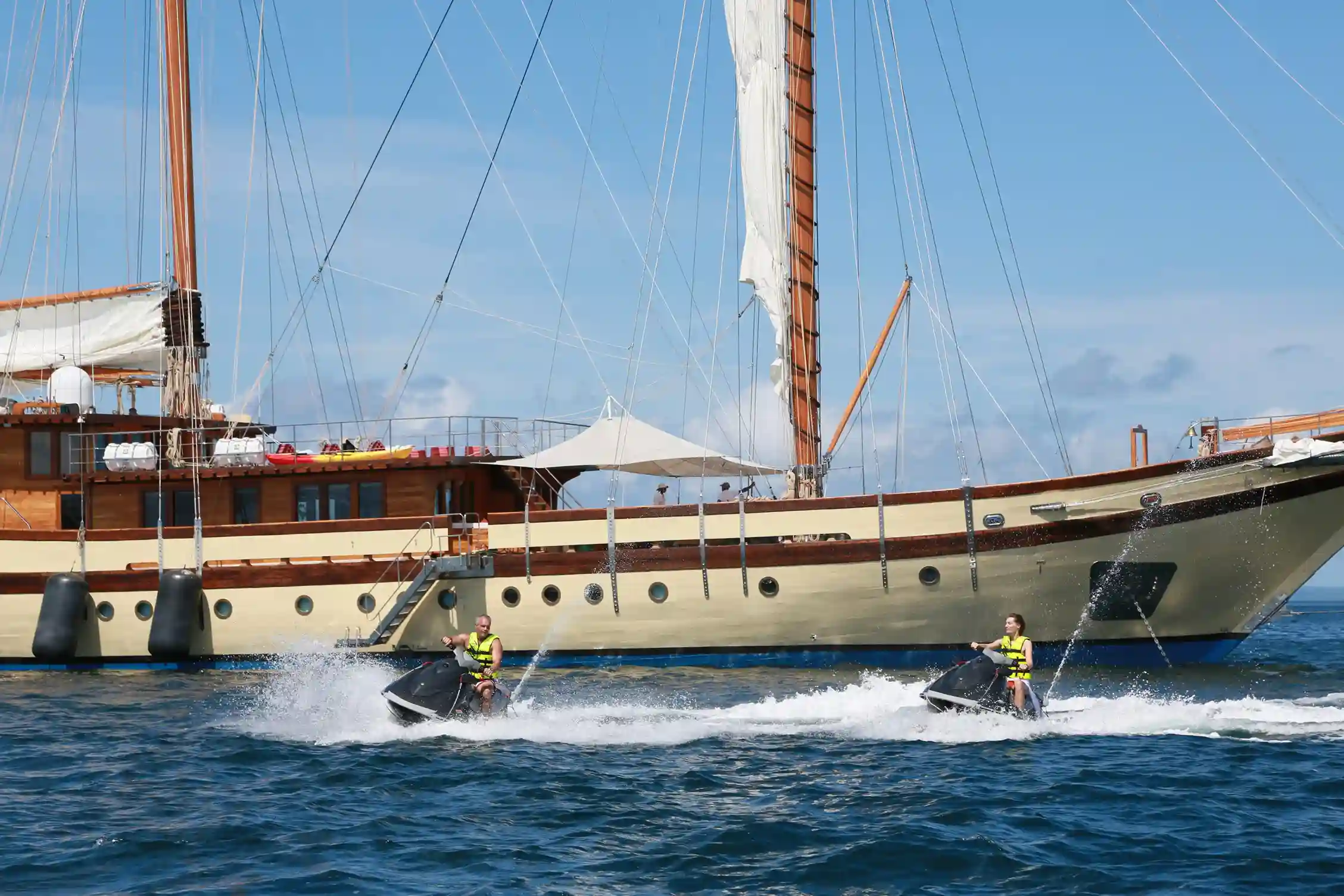
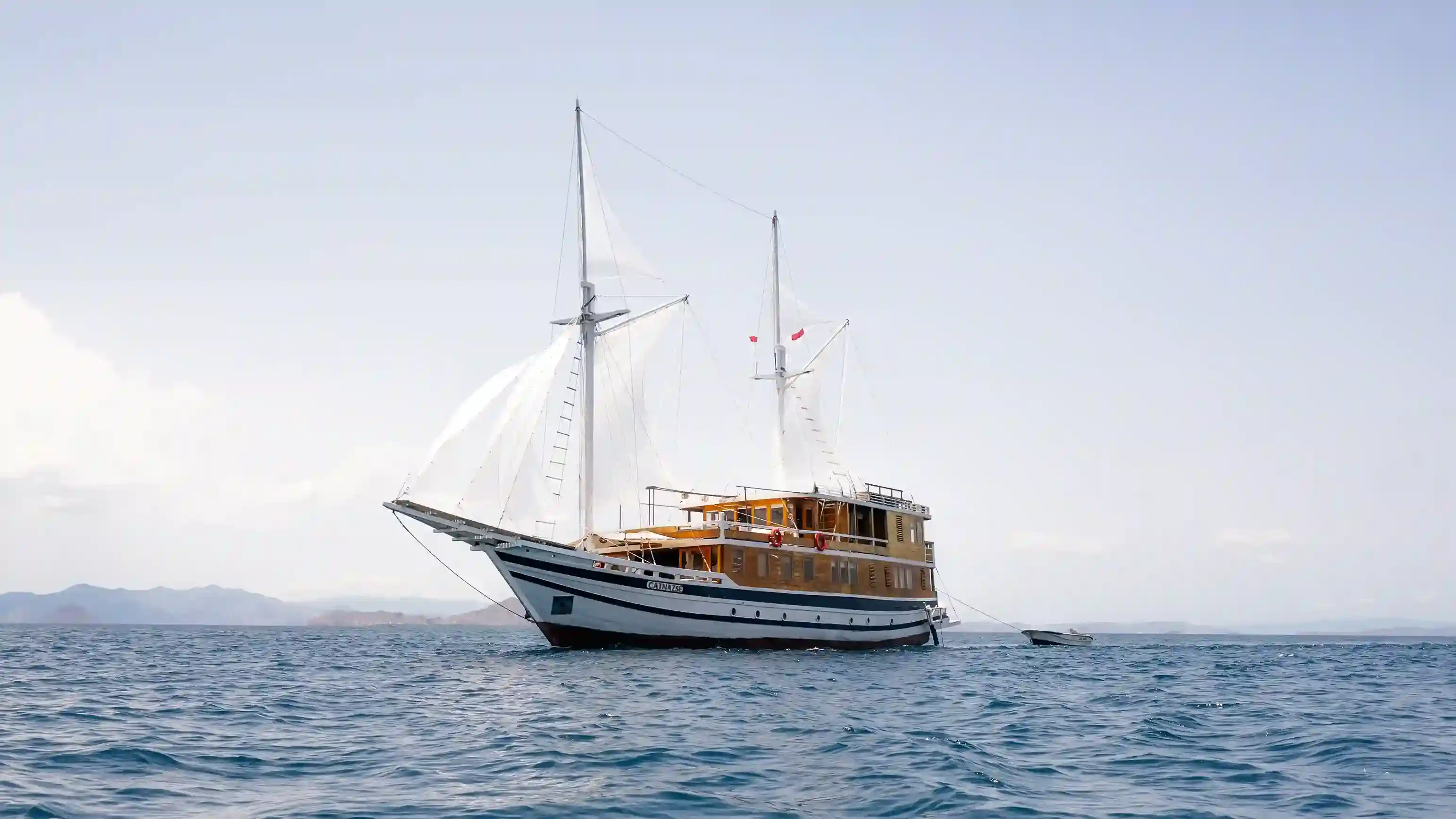
Our luxury Phinisi boats are designed to offer a premium experience while exploring Komodo Island. Amenities include spacious cabins with en-suite bathrooms, air conditioning, a dedicated crew to cater to your needs, and a professional chef offering delicious meals. Enjoy social areas like lounges, a sun deck for relaxing and taking in the views, and snorkeling equipment for underwater adventures. Each Phinisi boat has been thoughtfully equipped to provide a comfortable and memorable sailing experience.
Os pacotes turísticos no Parque Nacional de Komodo variam de acordo com o tipo de barco, as comodidades e a duração do aluguel. Entre em contato conosco para receber um orçamento personalizado que se adapte ao seu orçamento.
Sim, o preço dos pacotes turísticos inclui a tripulação e o guia. Eles garantirão a segurança e o prazer da sua viagem no Parque Nacional de Komodo
O processo de reserva é simples. Você pode entrar em contato conosco por e-mail ou WhatsApp para verificar a disponibilidade e discutir os detalhes da sua viagem. Em seguida, iremos orientá-lo durante o processo de reserva
Fornecemos o equipamento básico de mergulho com snorkel; no entanto, se você tiver preferências pessoais ou seu próprio equipamento, recomendamos que o traga. Não hesite em nos consultar sobre os preparativos necessários antes da viagem para confirmar a disponibilidade do equipamento de mergulho e snorkel.
Com certeza! Nossos pacotes turísticos são voltados tanto para mergulhadores quanto para quem não mergulha. Quem não mergulha também pode apreciar as paisagens de tirar o fôlego, praticar snorkeling e explorar as ilhas e praias do Parque Nacional de Komodo durante a viagem
Devido à viagem de 3 dias e 2 noites pelo Parque Nacional de Komodo, navegamos pelas águas da baía, garantindo ondas e correntes calmas.
For open trip departures, participants are expected to arrive at Komodo Airport by 09.00 am at the latest, as pick-ups will commence between 09.30 am and 10.30 am. Private trips allow more flexibility, as the check-in time for private charter boats can be adjusted according to participants' schedules. However, an earlier check-in is recommended to avoid time constraints at the destination.
As viagens ao Parque Nacional de Komodo são conhecidas por sua beleza natural e maravilhas subaquáticas, exigindo frequentemente longas viagens. A estadia a bordo do barco permite que os participantes visitem todos os destinos sem pressa, proporcionando uma experiência descontraída com acomodações em cabines reservadas, eliminando a necessidade de se hospedar em um hotel.
Esta viagem é segura para idosos, mas é importante observar que envolve muita atividade física, como caminhadas, mergulho com snorkel e mergulho autônomo. Recomendamos que os idosos que desejarem participar desta viagem avaliem sua condição física e não se forcem a participar de atividades extenuantes.
As viagens abertas são programadas para os fins de semana, a fim de atender às pessoas que costumam tirar folga nesse período.
As excursões abertas permitem que pessoas individuais (de 1 a 4 pessoas) se juntem a um grupo com outros participantes. As excursões privadas são recomendadas para grupos de 5 a 30 pessoas, oferecendo a opção de alugar um barco privado exclusivamente para o grupo.
A pesca é proibida no Parque Nacional de Komodo, uma vez que se trata de uma área protegida.
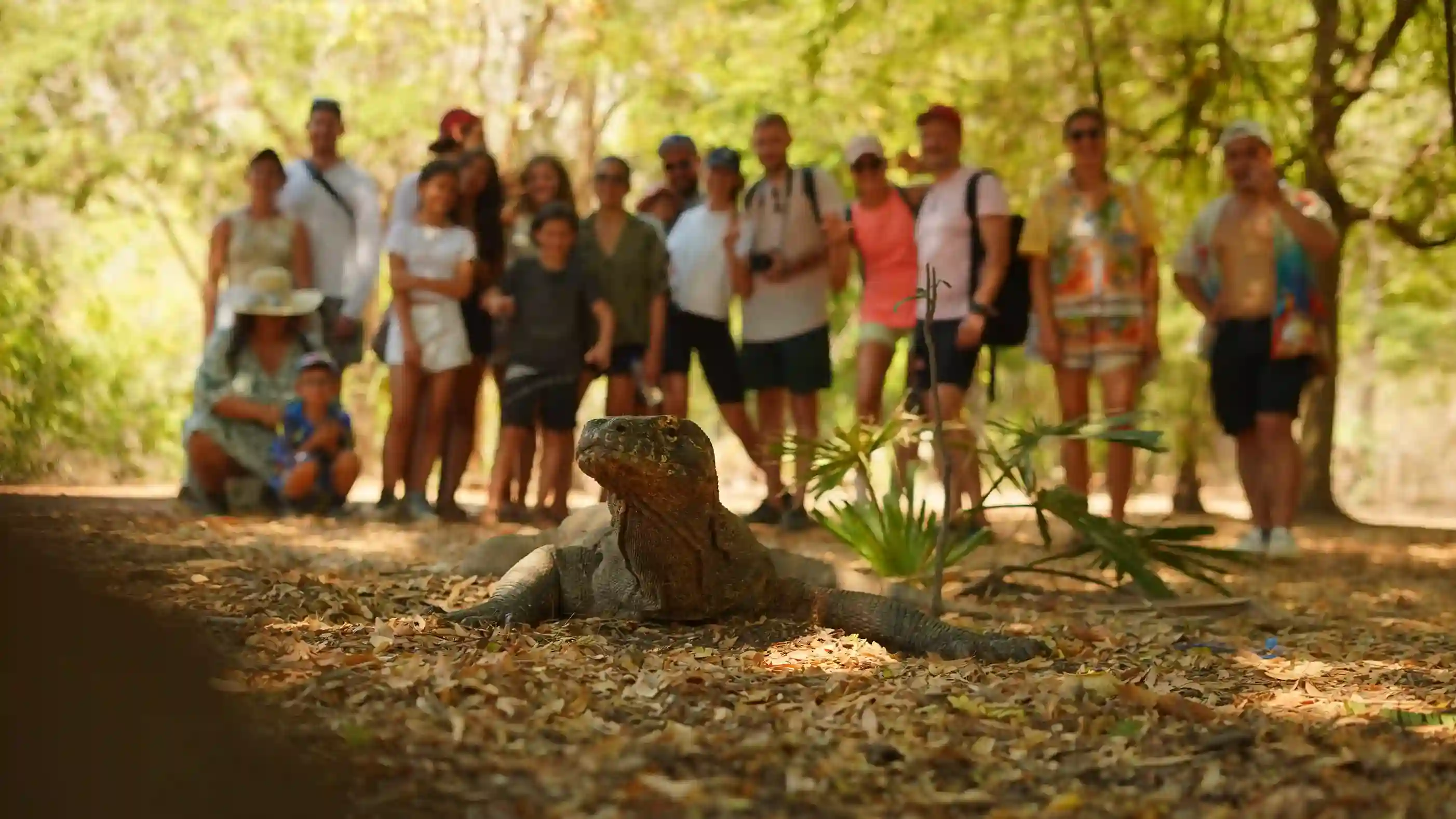
Para ver os dragões-de-komodo na Ilha de Komodo, é preciso caminhar pela floresta bem perto deles, acompanhado por guias locais e guardas florestais.
É necessária uma cópia de um documento de identidade (KTP/passaporte/SIM/carteira de identidade) para a verificação dos participantes e para fins de segurança, em caso de imprevistos. Os dados serão excluídos após a obtenção da autorização de navegação.
O sinal no barco pode oscilar, mas os usuários da operadora TSEL provavelmente terão uma conexão mais estável.
A energia elétrica no barco funciona 24 horas por dia, 7 dias por semana. Embora seja possível usar carregadores portáteis para dispositivos pessoais nas ilhas, o barco oferece energia elétrica ininterrupta.
Please note that cancellations made within 29 days prior to the trip departure are non-refundable. This policy helps us secure accommodations, transportation, and other essential arrangements in advance. We recommend confirming your availability and commitment before this period to avoid any inconvenience, but the participant can find a replacement person (change name). Cancellation due to Force Majeure (natural disasters, bad weather, riots, disease outbreaks, government regulations, and other coercive conditions), the trip can be changed/canceled, and there is no refund to participants for facilities that are not used or imposed any losses/inconvenience to the organizer.
Os participantes de viagens abertas podem solicitar um quarto ao fazer a reserva junto ao administrador, mas isso depende das condições e da disponibilidade do quarto.
Não há mosquitos no mar, mas há mosquitos ao redor do cais e em Labuan Bajo.
Não há supermercados nem minimercados na área do Parque Nacional de Komodo. No entanto, há vendedores ambulantes ou pequenas barracas em alguns pontos turísticos, como a Ilha de Komodo, a Ilha de Kelor e a Praia Rosa.