





Last updated: September 2026 · Prices & availability verified for the 2026/2027 season
Last updated: September 09, 2026
This is the story our guides tell on the crossing from Labuan Bajo, the context behind the ranger-led trek that anchors every itinerary we sail, from 3D2N open trips to private expeditions through Komodo National Park. We’ve been introducing travelers to these living fossils since 2015, and the backstory is stranger than most guests expect: the Komodo dragon, or Varanus komodoensis, is the largest living lizard species on Earth, and most visitors get its evolutionary origin completely wrong. Here’s the full story: where it actually came from, when the West first found out about it, and why it survives nowhere else on the planet.
Points clés à retenir
- The Komodo dragon evolved in Australia roughly 4 million years ago, not on the Indonesian islands where it lives today, fossils place it in Flores by around 1.4 million years ago.
- It’s the largest living lizard, reaching up to 3 metres and 150 kg, and an apex predator with a venomous, bacteria-laden bite.
- It shares a common ancestor with Megalania, an extinct 5+ metre Australian giant monitor, but the two are distinct species, not the same lineage.
- Its closest living relative is the lace monitor of eastern Australia.
- It survives today only because Wallacea’s isolation shielded it from the extinctions that wiped out its Australian relatives, with the Padar Island population itself going extinct in the 20th century.
- Western science only documented the species in 1910–1912, though the Manggarai people of Flores had long known and revered it as the ora.
- It’s currently listed as Endangered by the IUCN, protected primarily within Komodo National Park, a UNESCO World Heritage Site since 1991.
- It is not related to dinosaurs, the resemblance is convergent evolution, not shared ancestry.
Dragon de Komodo : quand a-t-il été découvert pour la première fois ?
Although the Komodo dragon has lived for thousands of years in the Lesser Sunda Islands, it wasn’t until the early 20th century that the outside world learned about it. Rumours of a “land crocodile” (buaya darat) in the Lesser Sundas reached Dutch colonial officials for years before Lieutenant van Steyn van Hensbroek sailed to Komodo in 1910, following reports from local fishermen who’d long known the animal as the “ora” in the Manggarai language.
Not believing the stories at first, van Hensbroek went to see for himself. He secured a specimen and sent its skin and photographs to Pieter Antonie Ouwens, director of the zoological museum at Buitenzorg, today’s Bogor. Ouwens published the formal scientific description in 1912, naming it Varanus komodoensis, and within three years the colonial government had granted the species legal protection, an unusually fast conservation response for the era. Since then, the Komodo dragon has drawn global attention and was even dubbed “the last dinosaur” by the media, a nickname that, as you’ll see below, is more myth than fact.
Taxonomie et nom scientifique : où se Dragon de Komodo le Dragon de Komodo ?
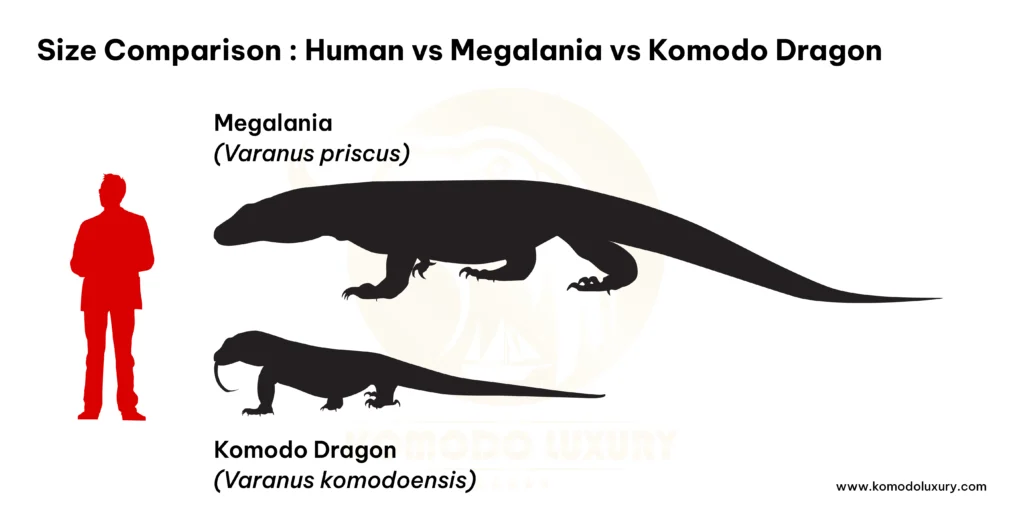
Le Dragon de Komodo à la famille des Varanidae (varans), dont font partie ses proches parents, tels que les varans d'Asie et d'Australie. Son nom scientifique, Varanus komodoensis, a été donné par Ouwens en l'honneur de Île de Komodo. Ces reptiles possèdent une tête large et plate, un museau arrondi et une queue musclée, qui contribuent à leur apparence caractéristique. Cependant, sa taxonomie a autrefois fait l'objet de débats.
Dans les années 1920, les scientifiques pensaient que le Dragon de Komodo une sous-espèce du lézard géant australien Megalania prisca, disparu il y a environ 50 000 ans. Cependant, des analyses ADN ont démontré que les deux espèces sont distinctes, bien qu’elles partagent un ancêtre commun. Aujourd'hui, le Dragon de Komodo reconnu comme une espèce unique qui a évolué séparément en Indonésie. En tant que prédateurs au sommet de la chaîne alimentaire, ils dominent leurs écosystèmes et jouent un rôle crucial dans le maintien de l'équilibre de leurs habitats. De plus, Dragon de Komodo contient des bactéries potentiellement nocives et pourrait posséder des propriétés venimeuses, ce qui joue un rôle crucial dans ses stratégies de chasse et de prédation.
Megalania: Ancient Cousin, Not Ancestor
Australia’s Pleistocene savannas were once ruled by Varanus priscus, Megalania, a monitor lizard estimated at over 5 metres long, the largest terrestrial lizard known to science. Early 20th-century scientists actually thought the Komodo dragon was a subspecies of Megalania, but DNA analysis has since proven the two are separate species that share a common ancestor rather than a direct lineage.
Komodo dragons belong to that same giant-monitor radiation, close kin, not descendants. When Australia’s megafauna collapsed in the late Pleistocene, Megalania went with it. The smaller, island-isolated Komodo dragon survived, which is why Komodo National Park is sometimes called a living window into Ice Age Australia, the one place where the age of giant monitors never actually ended.
Lire la Suite: Dragon de Komodo le Megalania : comparaison entre deux lézards géants de l'histoire
Histoire évolutive : d'où Dragon de Komodo le Dragon de Komodo d'après les fossiles Dragon de Komodo?
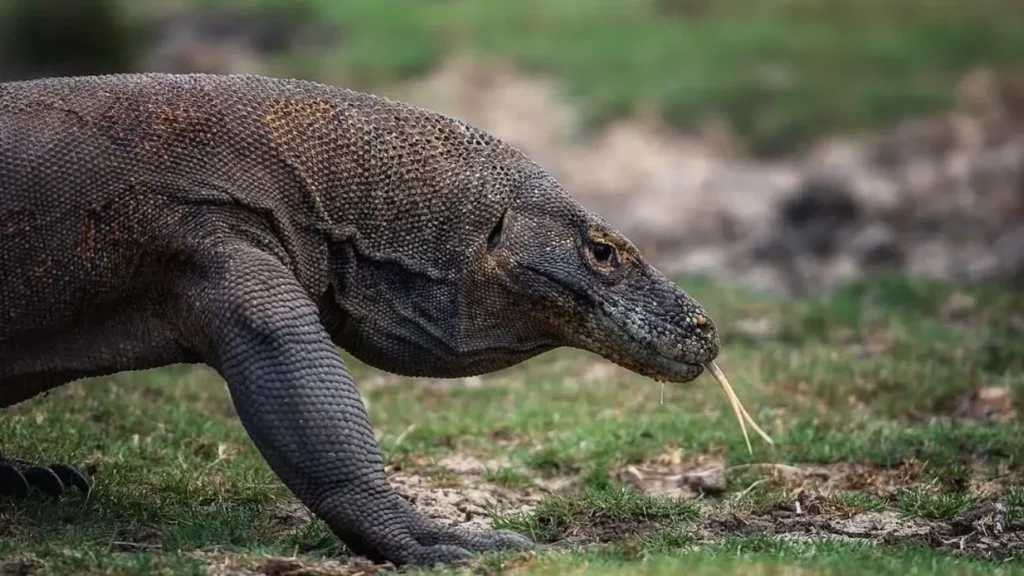
Here’s the part most people get backwards: the Komodo dragon is often assumed to be a purely Indonesian product, a modest monitor that grew huge in isolation on its islands. The fossil record tells a different story.
Fossil evidence published in 2009 by Scott Hocknull’s team, drawing on Queensland Museum material, shows the species evolved in Australia around four million years ago, as part of an entire radiation of giant monitor lizards, not a lone island oddity. Excavations in eastern Australia produced Varanus komodoensis fossils millions of years old, proving the species reached full size on a continent before it ever saw Flores. That finding quietly undermines the tidy textbook tale of “island gigantism”: the Queensland fossils indicate dragons were already dragon-sized in Australia, so the islands preserved their bulk rather than produced it.
From there, ancestors dispersed westward along the volcanic chain of the Lesser Sunda Islands using land bridges formed by falling sea levels. Fossils place dragons on Flores by roughly 1.4 million years ago, the lineage was established in Wallacea long before recorded history. On Flores, Rinca, and the surrounding islands, they evolved into apex predators, their size shaped by available prey, from small lizards to ancient pygmy elephants (Stegodon), with modern-day Javan rusa deer now their main food source.
Interestingly, a 2021 study by the Australian National University complicated the picture further, finding that the modern Komodo dragon population as we know it today actually diversified within Indonesia rather than being a simple direct transplant from Australia, opening ongoing scientific debate about exactly how the species became the dominant predator on these islands. Today’s dragons are best described as a relict giant: the last surviving member of an Australian dynasty, holding out on a handful of savanna islands.
The Evolutionary Timeline
| When | Event |
| ~4 million years ago | Komodo dragon lineage present in Australia (Hocknull et al., 2009; Queensland fossils, ~3.8–4 Ma) |
| ~1.4 million years ago | Fossils attributable to Komodo dragons appear on Flores, the lineage established in Wallacea |
| ~50,000–40,000 years ago | Giant relatives, including Megalania, vanish from Australia; the Komodo dragon becomes the last giant varanid |
| 1910 | Lieutenant van Steyn van Hensbroek investigates “land crocodile” reports on Komodo |
| 1912 | P.A. Ouwens formally describes Varanus komodoensis at Buitenzorg (Bogor) |
| 1915 | Dutch colonial authorities grant the species legal protection |
| 1980 / 1991 | Komodo National Park established; inscribed as UNESCO World Heritage Site |
Lire la Suite: Le Dragon de Komodo -il en Australie ? Découvrez la vérité et découvrez Île de Komodo!
Why Did Komodo Dragons Survive Only in Indonesia?
If the species evolved in Australia, why does it only exist in Indonesia today? The consensus explanation is isolation plus extinction elsewhere.
During Pleistocene ice ages, sea levels dropped by more than a hundred metres, narrowing the straits of Wallacea enough for a strong-swimming monitor lizard to island-hop westward along the volcanic chain. Crucially, Wallacea’s deep channels never closed completely, which kept Asian big cats, wild dogs, and other mainland carnivores out. When seas rose again, the populations on Flores and its satellite islands were cut off, and cut off, too, from the mainland catastrophes that later wiped out their Australian relatives. On their dry savanna islands, dragons kept what mattered: abundant deer and pig prey, no competing large carnivores, and (for most of history) no human hunting pressure heavy enough to erase them.
That balance is still dynamic, not static: the dragon population on Padar Island went extinct in the twentieth century after its prey base collapsed, which is part of why the species is now listed as Endangered on the IUCN Red List rather than the “Vulnerable” rating it held in earlier decades.
Le Dragon de Komodo est-il Dragon de Komodo parent des dinosaures ?
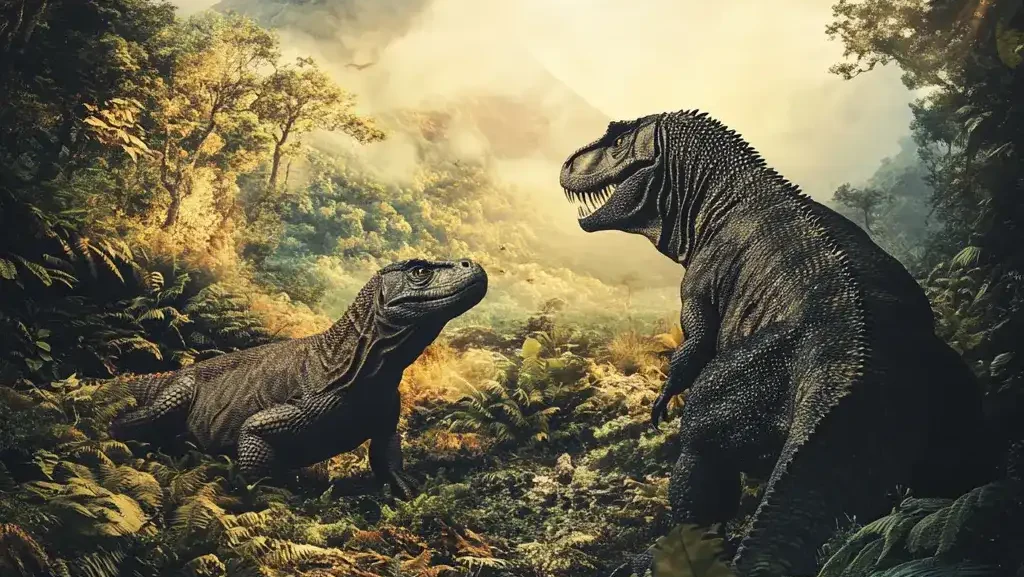
Bien qu’on le qualifie souvent de « dinosaure vivant », le Dragon de Komodo pas directement apparenté à des dinosaures tels que le T-Rex ou le brachiosaure. Les dinosaures se sont éteints il y a 66 millions d’années, tandis que la famille des varanidés n’est apparue qu’il y a environ 40 millions d’années.
Il existe toutefois certaines similitudes adaptatives entre Dragons de Komodo les dinosaures. Citons par exemple leur morsure mortelle, qui contient des bactéries nocives — un principe similaire à celui du venin chez les dinosaures. Ce phénomène est connu sous le nom d’évolution convergente, où deux espèces sans lien de parenté développent des traits similaires en raison de pressions environnementales similaires. Le venin des Dragons de Komodo présente Dragons de Komodo des similitudes avec celui des serpents, car les deux espèces utilisent leur venin comme mécanisme de chasse ou de défense contre leurs proies ou les menaces. Bien que le Dragon de Komodo un véritable dinosaure, il a développé certains traits de survie qui ressemblent à ceux des prédateurs anciens.
Quels sont les mythes et la signification culturelle du Dragon de Komodo?
For the Manggarai people of Flores, the Komodo dragon is far more than a giant lizard, it’s a mystical being intertwined with human life and spirituality. In the Komodo village telling, the Putri Naga, the Dragon Princess, bore twins: a human son, Si Gerong, and a dragon daughter, Orah. Raised apart, the two met as hunters chasing the same deer; when Si Gerong raised his spear against her, the princess appeared between them and revealed their kinship. To this day, islanders call the animals ora and treat them as kin, a living reason the community protected the species for generations before any statute did.
That belief in twin-sibling kinship has encouraged a genuine coexistence: locals traditionally avoid hunting the dragons, and in turn the dragons rarely pose a threat to people. The giant lizard is also seen as a guardian of nature, capable of sensing bad intentions and maintaining the balance of the ecosystem. You can go deeper into this tradition in the legend of the Komodo Dragon and in the Ora legend, which preserves the older, community-held version of the same story.
Why are Komodo dragons important? Ecologically, they’re the apex predator regulating deer, boar, and buffalo populations across the park. Scientifically, they’re a living window into large-varanid evolution stretching back to Australia. Culturally, they’re kin in the origin story of the island’s own people. Three reasons, one species, anchoring an entire UNESCO World Heritage Site.
Quelles sont les 5 faits intéressants à propos Dragons de Komodo?
While the Komodo dragon’s evolutionary history and cultural legends reveal its remarkable past and significance, there are also some fascinating biological and behavioral traits that make this giant lizard truly unique. Here are 5 interesting Komodo dragon facts that highlight their extraordinary adaptations and survival skills:
- Le plus grand lézard vivant – Dragons de Komodo adultes Dragons de Komodo atteindre 3 mètres de long et peser jusqu’à 150 kg. Leur taille gigantesque en fait les plus grands lézards vivants à l’heure actuelle et les rend immédiatement reconnaissables.
- Prédateur au sommet de la chaîne alimentaire – Dragons de Komodo le sommet de leur chaîne alimentaire ; ils chassent le cerf et les petits reptiles, et se nourrissent parfois de charognes. Leurs membres puissants, leurs griffes acérées et leurs sens aiguisés en font des chasseurs redoutables dans la nature.
- Morsure venimeuse – Ces lézards possèdent des glandes à venin qui libèrent des toxines, et leur salive contient des bactéries nocives. Cette combinaison leur permet d'affaiblir ou d'immobiliser leurs proies, ce qui rend leur chasse plus efficace.
- Parthénogenèse – Les femelles Dragons de Komodo se reproduire de manière asexuée, sans mâle, et donner naissance à une progéniture mâle viable. Cette capacité rare permet aux populations de se maintenir même dans des environnements isolés.
- Exceptional Swimming Ability – Komodo dragons can swim surprisingly well, allowing them to move between islands in their habitat. This skill helps them expand their territory and access new hunting grounds across the Indonesian archipelago.
Ces Dragon de Komodo donnent un aperçu de leur biologie extraordinaire et de leurs stratégies de survie, et expliquent pourquoi ils sont considérés comme l'un des reptiles les plus impressionnants de la planète.
Lire la Suite: Dragon de Komodo et réalités sur Dragon de Komodo : vous n’en croirez pas vos yeuxest en réalité vrai !
Dragon de Komodo : où trouve-t-on Dragon de Komodo ?
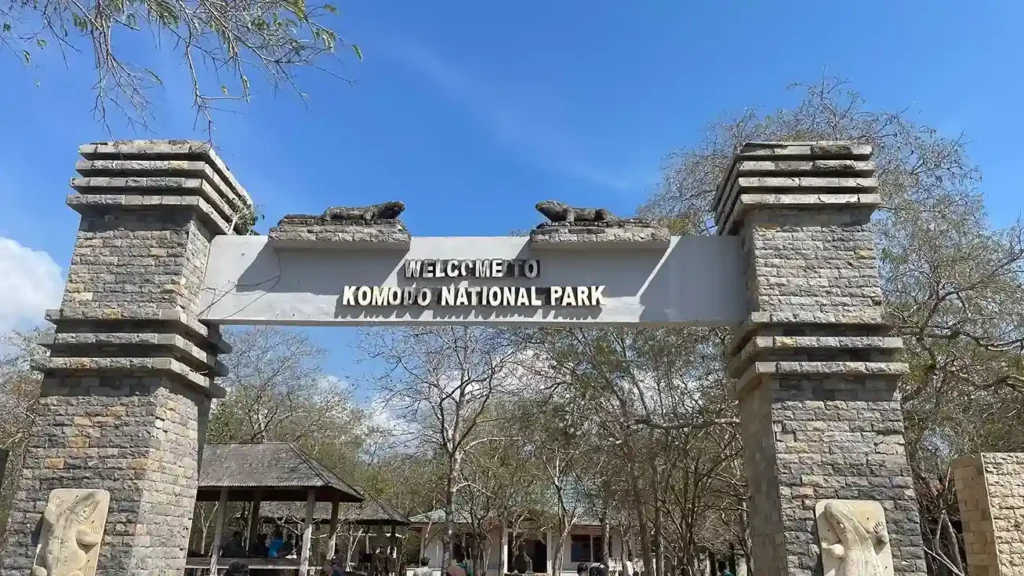
Dragons de Komodo sur cinq îles Indonésie: Komodo, Rinca, Flores, Gili Motang, Nusa Kode et Gili Dasami. Ils préfèrent la savane sèche, la forêt tropicale et les côtes rocheuses. Bien qu'ils prospèrent dans les forêts tropicales, on les trouve également dans les prairies et les zones de broussailles de ces îles. Les températures élevées de la savane les aident à chasser, car ils comptent sur de courtes accélérations pour tendre des embuscades à leurs proies vivantes dans ces environnements.
Malheureusement, leur habitat naturel est menacé par le changement climatique et les activités humaines. L'élévation du niveau de la mer constitue une menace majeure pour l'habitat des Dragons de Komodo, car elle accentue la fragmentation et l'isolement de leurs populations. Cependant, les efforts visant à les protéger par le biais du Parc National de Komodo, site classé au patrimoine mondial de l’UNESCO, ont permis de préserver plus de 80 % de la Dragon de Komodo mondiale Dragon de Komodo . Ce parc n’est pas seulement un sanctuaire pour les Dragon de Komodo, mais aussi pour d’autres espèces rares et menacées.
Lire la Suite: Dragon de Komodo : où vivent-ils et comment les observer ?
Statut de conservation : Protection du Dragon de Komodo
The Komodo dragon is currently listed as Endangered on the IUCN Red List, an uplisting from its earlier “Vulnerable” status that reflects continued habitat loss, poaching pressure, and fragmentation across its already-restricted range. The Indonesian government established Komodo National Park in 1980, a UNESCO World Heritage Site now sheltering over 1,700 dragons, with ongoing habitat restoration, research, and education programs, and international trade in the species is prohibited under IUCN protections. One added genetic wrinkle: because parthenogenesis produces only male offspring, isolated populations can face female shortages and elevated inbreeding risk, adding another layer to long-term survival planning.
Lire la Suite: L'histoire du Parc National de Komodo: une merveille de la nature et un site classé au patrimoine mondial de l'UNESCO
Où peut-on observer un Dragon de Komodo en toute sécurité Dragon de Komodo Parc National de Komodo?
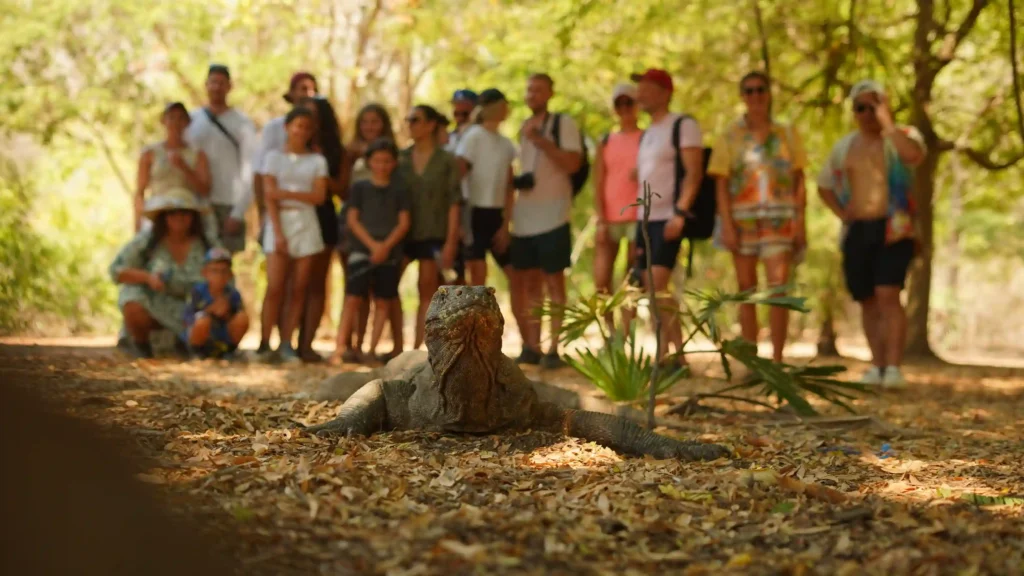
Bien que l'habitat Dragon de Komodos'étende sur plusieurs îles, les meilleurs endroits pour les observer en toute sécurité sont l'île de Komodo et Rinca . Ces deux îles font partie du Parc National de Komodo, qui est strictement protégé. Ici, les visiteurs sont accompagnés par des guides locaux experts dans le comportement des Dragons de Komodo veillent à ce que vous puissiez les observer en toute sécurité.
Grâce à une réglementation stricte, les visiteurs peuvent s'approcher des dragons sans craindre d'être attaqués, à condition de respecter les règles. Ces deux îles abritent une population suffisamment importante de Dragons de Komodo pour que les chances d'en croiser un soient très élevées. Vous pourrez également profiter de paysages naturels époustouflants, notamment de magnifiques plages et d'eaux cristallines.
Lire la Suite: Île de Komodo Rinca : laquelle est la meilleure pour observer Dragons de Komodo?
Vivez une aventure en toute sécurité aventure la rencontre du Dragon de Komodo Komodo Luxury
For an adventure that’s not only exciting but also comfortable, Komodo Luxury offers complete tour packages to Komodo Island. Our tours include luxurious accommodations, experienced guides, and a strong focus on safety, allowing you to explore Komodo National Park with confidence.
One of the most iconic ways to experience this journey is through a luxury phinisi Komodo, where you can sail across the islands on a beautifully crafted traditional vessel combined with modern luxury amenities. This experience allows you to enjoy curated island routes, personalized service, and breathtaking ocean views, giving you a seamless way to explore the habitat of Komodo dragons while traveling in comfort and style.
Le Dragon de Komodo un témoignage vivant des merveilles de l'évolution en Indonésie. Qu'il s'agisse de migrations ancestrales, d'adaptations uniques ou d'histoires culturelles fascinantes, le Dragon de Komodo d'être considéré comme un trésor national. Observer ce « dragon » de ses propres yeux n'est pas seulement une expérience incroyable, mais aussi une précieuse leçon sur la puissance de la nature et la biodiversité de Indonésie.
If you want to witness this once-in-a-lifetime experience, make sure to choose a trusted tour that combines safety, comfort, and education. Don’t miss out on the chance to see history unfold right in front of you. Book your Komodo Island tour today and witness the living history of the Komodo dragon!

Foire aux questions sur l'histoire et les sites touristiques d'Dragon de Komodo
Four million years of history are still walking around Komodo and Rinca Island today. Komodo Luxury brings guests face-to-face with them on sailing trips from Labuan Bajo, see the Komodo sailing trip itineraries for 2D1N and 3D2N routes.
Revivez cette histoire sur les lieux mêmes où elle s'est déroulée : nos circuits combinent le trek de Loh Liang avec l'Padar , le tout Plage Rose en une seule boucle — découvrez l’ Forfaits Touristiques de Komodo ou planifiez un itinéraire plus tranquille sur un croisière plongée.
By the Komodo Luxury Expedition Team, a licensed Komodo National Park tour operator running daily expeditions from Labuan Bajo since 2015. Fleet, rates and itineraries: Komodo yacht charter.