






Last updated: September 2026 · Prices & availability verified for the 2026/2027 season
Last updated: September 16, 2026
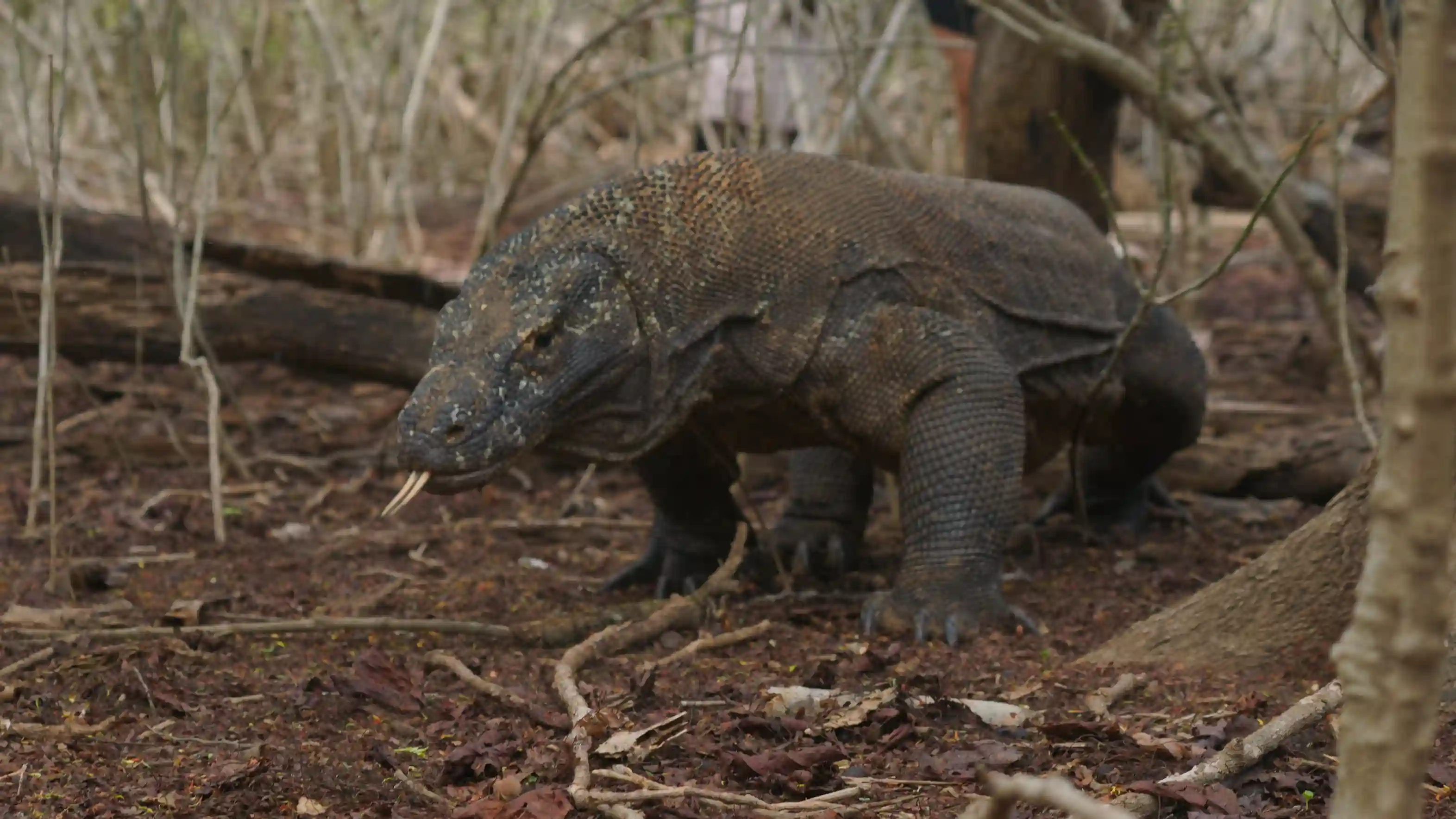
Have you ever found yourself wondering, “How long do Komodo dragons live?” These giant reptiles have captured global fascination not just for their size and power, but for the mystery surrounding their longevity. Komodo dragons live about 30 years in the wild, according to the Smithsonian’s National Zoo, and typically 20–30 years when they survive to adulthood, with individuals in professional care occasionally living longer under consistent veterinary attention.
In this article, you’ll learn the real facts about the Komodo dragon lifespan, you’ll also learn why this matters to you as a traveler, as a conservationist, and as someone who loves the natural world. So let’s dive into the life of this legendary predator and find out just how many years a Komodo dragon can actually live.
Das Wichtigste in Kürze
- Komodo dragons live an average of 30 years in the wild and typically 20–30 years overall, with select captive individuals like Fluffy at the Los Angeles Zoo reaching around 33 years.
- Hatchlings spend their first year almost entirely in trees to escape cannibalistic adults, gradually shifting to a mostly terrestrial life by the juvenile stage around 2–3 years old.
- Sexual maturity arrives late compared to other reptiles, females around 7–10 years and males around 8–10 years, before dragons enter full adulthood as apex predators.
- Claims of Komodo dragons living 50 years or more are not supported by peer-reviewed research; verified records top out in the low-30s to low-40s range.
- Wild dragons can only be seen in Komodo National Park, Indonesia, and the safest way to witness their full life cycle up close is through a ranger-led tour with an experienced local operator.
How Long Do Komodo Dragons Live in the Wild?
In their natural habitat across Komodo, Rinca, Flores, Gili Motang, and Gili Dasami, Komodo dragons face a harsh survival gauntlet. Most hatchlings never reach adulthood, and the ones that do typically live around 30 years, though wild females tend to disappear from long-term mark-recapture studies earlier than males, often by their late 20s, likely due to the physical toll of egg-laying and nest defense.
Males, being larger and less vulnerable to predation once mature, may push toward the upper end of that range or slightly beyond in undisturbed populations.
How Long Do Komodo Dragons Live in Captivity?
Captive Komodo dragons often benefit from steady food supply, veterinary care, and zero predation risk, factors that can modestly extend their lifespan compared to the wild. According to data from the Association of Zoos and Aquariums (AZA), the median lifespan in professional care is approximately 19.5 years for females and 12.9 years for males, though these medians reflect a mix of ages at death across a population and don’t represent a hard ceiling.
Some individuals have significantly outlived those medians. Fluffy, a Komodo dragon at the Los Angeles Zoo, lived to approximately 33 years old, one of the longest documented lifespans for the species. Loka, at the Calgary Zoo, reached around 30 years. These standout cases show that with the right conditions, Komodo dragons can substantially exceed typical captive averages.
You may encounter anecdotal claims online of Komodo dragons living 50, 60, or even 70+ years. These figures are not supported by peer-reviewed data. The most rigorous long-term studies, including genetic and mark-recapture research such as Laver et al. (2012), have not confirmed any wild or captive individual conclusively surviving past the low-40s range, and most verified records sit well below that. Treat any lifespan claim beyond roughly 30–35 years as unverified until backed by a documented, tracked individual.
Warum Komodowaran für Sie von Bedeutung ist
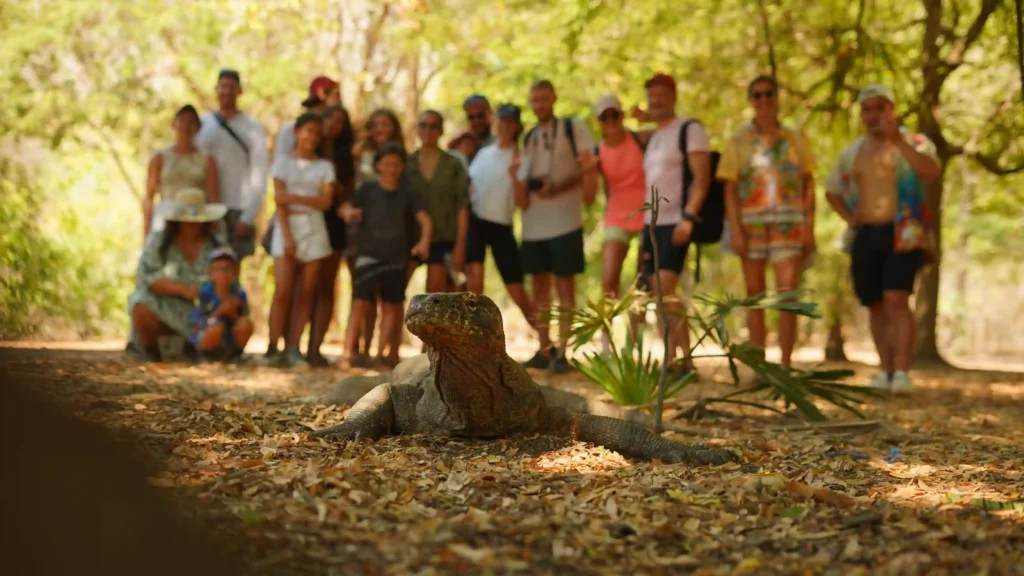
Vielleicht fragst du dich jetzt: „Was geht es mich an, wie lange Komodowarane ?“ Die Antwort geht über reine Neugier hinaus – es geht um Naturschutz und Verbundenheit. Wenn du Orte wie Komodo Nationalpark besuchst, bist du nicht nur ein Tourist. Du betrittst den Lebensraum einer Tierart, die seit Millionen von Jahren überlebt hat.
Wenn man sich ihrer Lebenserwartung bewusst wird, erkennt man besser, welchen Herausforderungen sie gegenüberstehen und wie wichtig es ist, sie zu schützen. Jede umweltbewusste Entscheidung, die du triffst – von der Unterstützung verantwortungsbewusster Reiseveranstalter bis hin zur Einhaltung der Parkvorschriften – trägt zu ihrem Überleben bei. Mit anderen Worten: Das Wissen um die Lebenserwartung der Komodowarane dir Komodowarane Teil ihrer Zukunft zu sein.
The Komodo Dragon Life Cycle: From Egg to Apex Predator
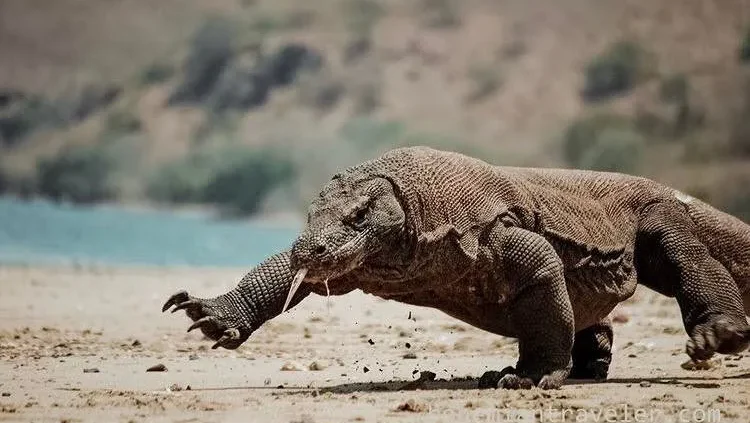
Um die Lebensdauer der Komodowarane besser zu verstehen, wollen wir ihre Lebensphasen Schritt für Schritt durchgehen.
1. Incubation (7–8 Months)
Female Komodo dragons lay a clutch of around 15–30 eggs (commonly cited around 20–21) inside megapode bird mounds or self-dug burrows, which provide stable temperature and humidity. Incubation lasts roughly 220 days, or about 7–8 months, with temperature during incubation influencing hatchling sex ratios.
2. Hatchling Stage (0–1 Year): Life in the Trees
Newly hatched Komodo dragons emerge at just 30–40 cm long and 80–100 grams, a fraction of their eventual adult size. Within hours of digging out of the nest, hatchlings climb straight into the tree canopy, where they will spend nearly all their time for the next year or so.
This arboreal lifestyle isn’t optional, it’s survival. Adult Komodo dragons are cannibalistic and will readily eat hatchlings and juveniles they encounter on the ground. Living in trees keeps young dragons safely out of reach while they feed on insects, small lizards, and birds’ eggs.
3. Juvenile Stage (1–3 Years): The Transition Begins
As they grow, juveniles gradually shift from a nearly exclusive arboreal existence toward more time on the ground, though they remain cautious. Field studies tracking immature Komodo dragons found hatchlings were arboreal roughly 98% of the time, while juveniles had already shifted to spending about 71% of their time on the ground, evidence of a clear, progressive transition rather than an abrupt switch. This period typically spans the first two to three years of life, somewhat shorter than older estimates once suggested.
4. Sub-Adult Stage (3–7 Years): Building Toward Dominance
By this stage, young dragons are largely terrestrial, growing rapidly, and beginning to hunt larger prey like rodents, birds, and smaller mammals. They’re still vulnerable to larger adults and continue to avoid direct confrontation with dominant individuals.
5. Sexual Maturity (7–10 Years)
Komodo dragons reach sexual maturity later than many reptiles of comparable size. Research indicates females typically mature around 7–10 years old, while males mature slightly later, around 8–10 years. Once mature, they begin participating in the annual breeding season, typically between June and August, competing for mates and nesting sites.
6. Adulthood (10+ Years): Apex Predator Status
Fully mature Komodo dragons dominate their island ecosystems with no natural predators. Adults can reach 2.5–3 meters in length and 60–90 kg in the wild, powerful enough to take down prey as large as deer, wild boar, and water buffalo using a combination of serrated teeth and a venomous bite that impairs blood clotting and lowers prey blood pressure. This apex status defines the remainder of their 20–30 year lifespan.
Was beeinflusst Komodowaran ?
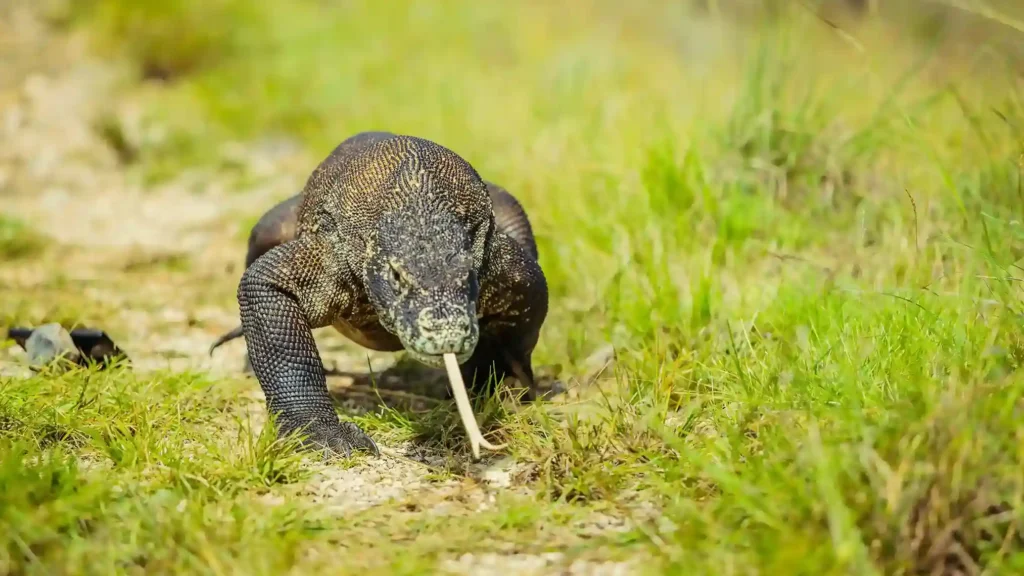
Nachdem Sie nun die Grundlagen ihrer Lebensdauer kennen, wollen wir uns die Faktoren ansehen, die darüber entscheiden, wie lange Komodowarane .
- Umwelt und Lebensraum
Wild lebende Komodowarane kommen Komodowarane auf verschiedenen indonesischen Inseln vor, insbesondere in den tropischen Savannenwäldern von Ost-Nusa Tenggara, wo die Lebensbedingungen oft rau sind. Sie sind ständigen Gefahren durch Lebensraumverlust, Naturkatastrophen und schrumpfende Komodowaran Beutetiere ausgesetzt. Dies verkürzt ihre Lebenserwartung im Vergleich zu Tieren in Gefangenschaft, wo ihre Körpertemperatur und ihre Umgebung sorgfältig überwacht werden. - Gesundheit und Ernährung
Genau wie beim Menschen spielt auch Komodowarane eine große Rolle für ihre Lebenserwartung. In freier Wildbahn kann es zu Unterernährung kommen, wenn Beutetiere aufgrund menschlicher Eingriffe oder eines Ungleichgewichts im Ökosystem knapp werden. In Gefangenschaft erhalten sie jedoch ausgewogene Mahlzeiten, die darauf ausgelegt sind, ihre Gesundheit zu erhalten. Dieser Unterschied erklärt, warum Komodowaranen in Gefangenschaft ein längeres und gesünderes Leben führen können als ihre Artgenossen in freier Wildbahn. - Naturschutzmaßnahmen
Programme zum Schutz Komodowaran, wie beispielsweise im Komodo Nationalpark, schaffen sicherere Lebensräume, in denen diese vom Aussterben bedrohten Tiere länger überleben können. Ohne diese Maßnahmen könnte ihre durchschnittliche Lebenserwartung deutlich kürzer sein, und künftige Generationen würden vielleicht nur noch als Legenden neben Geschichten über andere Drachen von ihnen erfahren. - Menschliche Aktivitäten
Wilderei, illegale Jagd auf Beutetiere und die Zerstörung von Lebensräumen wirken sich direkt auf die Komodowaran aus. Je verantwortungsbewusster wir als Reisende und Naturschützer handeln, desto größer ist die Chance, dass diese unglaublichen Reptilien noch viele Jahrzehnte überleben.
Weiterlesen: Die beste Tageszeit, um Komodowarane zu beobachten
What Kills Komodo Dragons? Mortality by Life Stage
- Eggs: nest predation (including other monitors), flooding, desiccation.
- Hatchlings/juveniles: cannibalism by adults, birds of prey, snakes, starvation.
- Adults: combat wounds from rival males, injuries from large prey such as buffalo, drought-year starvation, disease and parasites.
- Seniors: age-related decline compounding otherwise survivable injuries.
The pattern is a funnel: of a ~21-egg clutch, only a handful of dragons reach maturity, and only the toughest of those reach 25. Every big male dozing beside a ranger post is a statistical survivor several times over.
How Do Scientists Know a Dragon’s Age?
There is no birth certificate in the savanna. Researchers rely on three methods: long-term mark-recapture programs in Komodo National Park (individuals tagged and re-encountered across decades), known-age zoo records, and growth-curve modelling from body measurements. That third method is the source of the famous “62-year” figure — an extrapolated ceiling, not a measured dragon, which is why serious references stick to ~30 years.
Wie lange Komodowarane ?
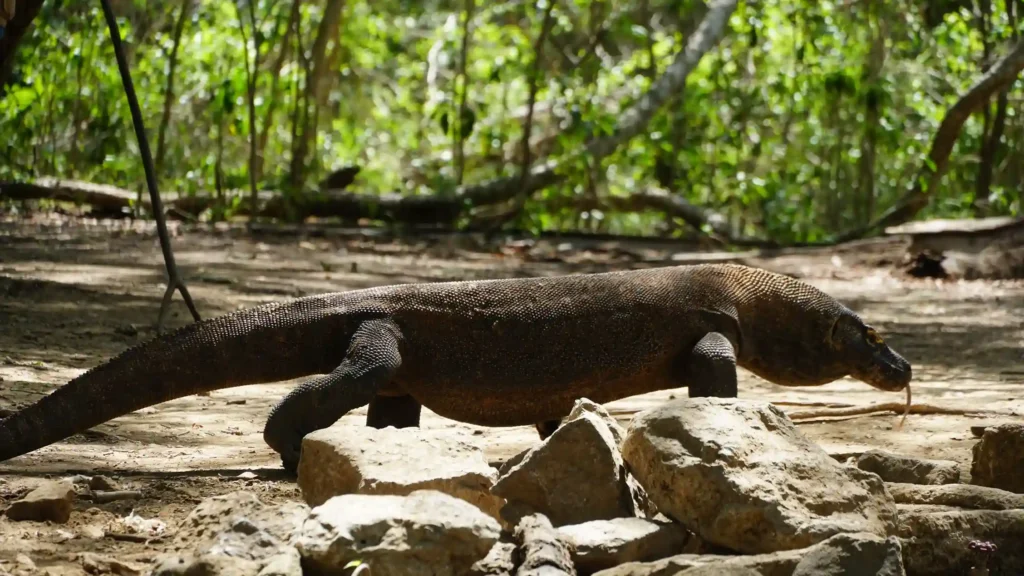
Wenn man sich fragt:„Wie lange Komodowarane ?“, lässt sich diese Frage nicht einfach mit einer einzigen Zahl beantworten. Tatsächlich hängt es stark von ihren Lebensbedingungen ab, ob sie in freier Wildbahn oder in menschlicher Obhut aufwachsen.
| Context | Lebensdauer | Source basis |
| Wild, typical | ~30 years | Smithsonian National Zoo; mark-recapture field studies |
| Captivity, typical | 20–30+ years | Zoo records |
| Captivity, median (managed care) | 19.5 yrs (males) / 12.9 yrs (females) | AZA data via San Diego Zoo fact sheet |
| Best-documented maximums | ~33 yrs (Fluffy, LA Zoo); 30 yrs (Loka, Calgary Zoo) | Zoo longevity records |
| 50–62-year claims | Unverified | Growth-curve extrapolation, anecdote (HAGR database) |
- In freier Wildbahn werden Komodowarane etwa 30 Jahre alt, wobei die meisten Quellen ihre Lebenserwartung auf 15 bis 30 Jahre schätzen. Das Leben in ihrem natürlichen Lebensraum ist voller Herausforderungen: Junge Warane müssen oft Raubtieren wie Vögeln, Schlangen und sogar erwachsenen Komodowaranen ausweichen, während ältere Tiere mit Nahrungsmangel, Revierkämpfen und Eingriffen durch den Menschen konfrontiert sind. Sie müssen mit anderen Arten um Nahrung konkurrieren und manchmal sogar große Beutetiere jagen, um zu überleben. All diese Risiken machen es vielen von ihnen schwer, ihr volles Lebensalter zu erreichen.
- In Gefangenschaft sieht die Sache ganz anders aus. Dank regelmäßiger Fütterung, tierärztlicher Betreuung und Schutz vor Raubtieren Komodowarane zwischen 20 und über 30 Jahre alt werden. Tatsächlich haben einige Exemplare in gut geführten Zoos wie dem National Zoo und in Zuchtprogrammen diesen Durchschnittswert sogar übertroffen, was zeigt, dass eine artgerechte Pflege ihre Lebenserwartung verlängern kann. In Gefangenschaft ernähren sie sich zudem meist von Insekten, kleinen Säugetieren und anderen kontrollierten Nahrungsmitteln, wobei sie sich auf ihren scharfen Geruchssinn verlassen, um Nahrung aufzuspüren, ohne das Risiko eines tödlichen Giftbisses durch Rivalen einzugehen.
- Anekdotische Schätzungen gehen sogar noch weiter und behaupten, dass Komodowarane in freier Wildbahn ein Alter von über 60 Jahren erreichen Komodowarane . Diese Berichte sind jedoch nach wie vor unbestätigt und finden in der wissenschaftlichen Gemeinschaft keine breite Akzeptanz. Dennoch wecken sie Neugier und machen deutlich, wie wenig wir tatsächlich über die äußersten Grenzen der Komodowaran wissen.
Letztendlich zeigen diese riesigen Reptilien – sei es in den rauen Landschaften der Insel Komodo oder hinter den schützenden Mauern eines Zoos – eine bemerkenswerte Überlebensfähigkeit. Ihre Lebenserwartung sagt nicht nur etwas über ihre Biologie aus, sondern auch darüber, wie stark die Umwelt und der Einfluss des Menschen ihren Lebensweg prägen.
Weiterlesen: Komodowaran und FaktenKomodowaran : Du wirst nicht glauben, was tatsächlich wahr ist!
Entdecken Sie Komodowarane mit Komodo Luxury!
Wie lange Komodowarane also ? Im Durchschnitt können diese riesigen Reptilien in freier Wildbahn bis zu 30 Jahre und in Gefangenschaft 20 bis über 30 Jahre alt Komodowarane , wobei ihre Lebenserwartung von ihrer Umgebung, ihrer Ernährung und den laufenden Schutzmaßnahmen abhängt. Auch wenn manche Berichte darauf hindeuten, dass sie 60 Jahre oder älter werden könnten, ist es doch vor allem das Besondere, diese uralten Kreaturen heute noch lebend zu sehen.
Die Chance, Drachen in verschiedenen Lebensphasen zu beobachten – von baumbewohnenden Jungtieren bis hin zu dominanten Erwachsenen – ist bei einer Mehr-Inseln -Tauchkreuzfahrt Kreuzfahrt über Komodo Nationalpark, die Komodo, Rinca, und die umliegenden Inselchen anläuft, weitaus größer.
You can experience this wonder for yourself, join a Komodo Island Tour with Komodo Luxury and witness Komodo dragons in their natural habitat. Not only will you enjoy a premium sailing journey across stunning islands, but you’ll also be part of a sustainable travel experience that supports conservation. Don’t just read about them, come face-to-face with the world’s largest lizards in an adventure you’ll never forget. This is a once-in-a-lifetime chance to meet the legendary Komodo dragons in their natural home, an adventure only Komodo Luxury can deliver.