



Last updated: September 2026 · Prices & availability verified for the 2026/2027 season
Last updated: September 15, 2026
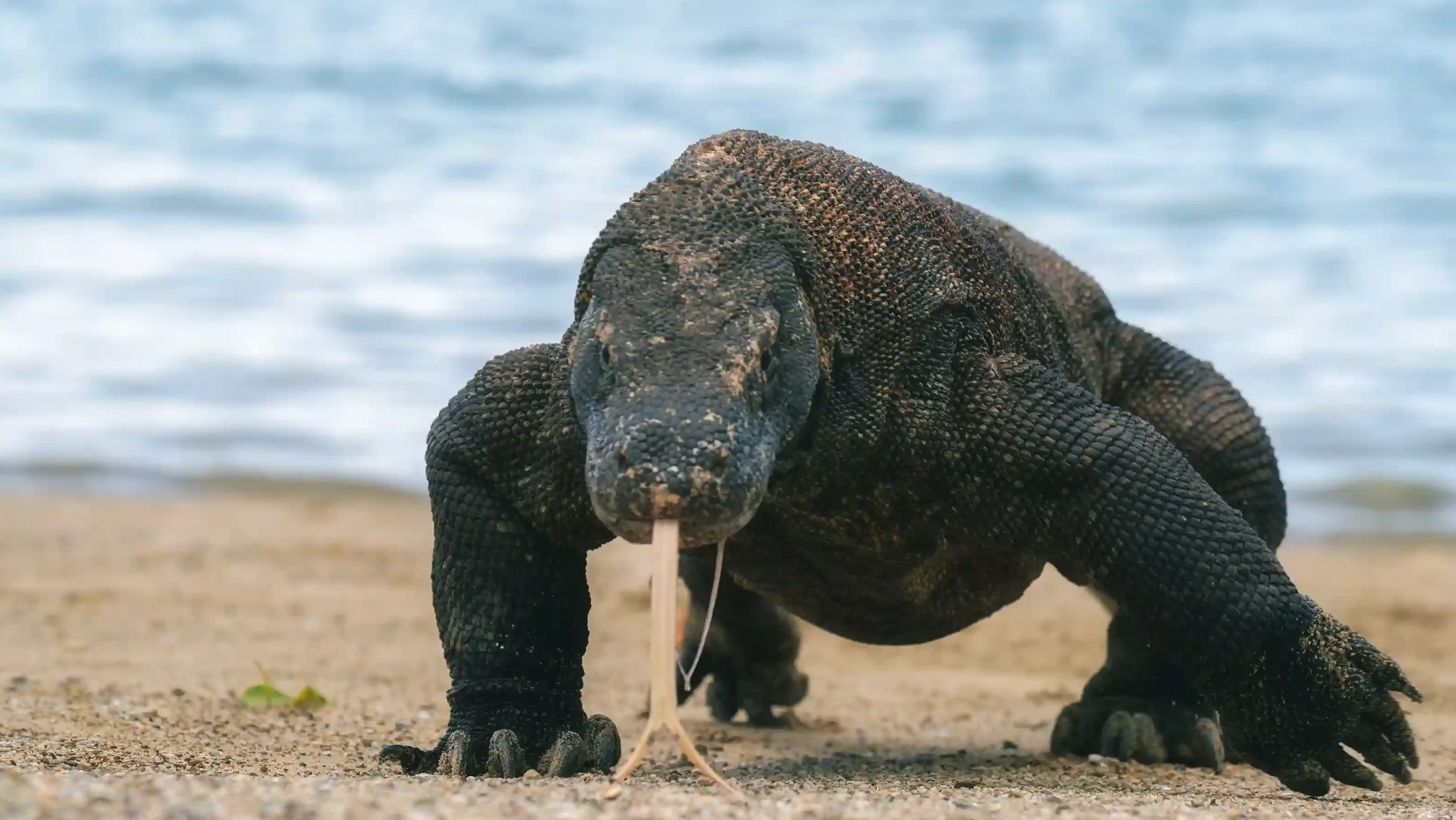
Komodowaran Der Komodowaran (Varanus komodoensis) ist eine lebende Legende, ein riesiges Reptil, das mit unvergleichlicher Präsenz die tropischen Inseln von Indonesien durchstreift. Doch selbst die wildesten Kreaturen in freier Wildbahn müssen sich vor etwas in Acht nehmen. Hat Komodowaran hat der Komodowaran einen Feind? Diese Frage mag einfach erscheinen, doch die Antwort offenbart eine komplexe Geschichte von Überleben, natürlicher Selektion und menschlichem Einfluss.
„Apex gegen Apex“ ist etwas, das unsere Wanderführer in elf Jahren täglicher Wanderungen nur zweimal beobachtet haben – die seltenste Sichtung auf den „Dragon Walks“, die in jeder Komodo Segeln Reiseverlauf von uns durchgeführten Touren enthalten sind.
In diesem Artikel gehen wir der Frage nach, welche Gefahren „ Komodowarane “ in den verschiedenen Lebensphasen drohen. Außerdem zeigen wir Ihnen, wie Sie diese beeindruckenden Tiere auf verantwortungsvolle Weise beobachten können.
Das Wichtigste in Kürze
- Adult Komodo dragons have no natural predators and sit as the undisputed apex predator on every island they inhabit, but their greatest threat comes from within their own species.
- Cannibalism is the biggest natural danger to young dragons, with adults preying on hatchlings and juveniles, which is why hatchlings live in trees for their first few years to avoid being eaten.
- Once a Komodo dragon grows past roughly a meter and a half, nothing else on Komodo, Rinca, Flores, Gili Motang, or Nusa Kode is able to hunt it.
- The real long-term threat isn’t another predator but humans, through habitat loss, shrinking prey populations, and a warming, drying climate that threatens low-lying nesting areas.
- Only about 3,400 Komodo dragons remain in the wild, and the IUCN listed the species as Endangered in 2021, which is why ranger-led conservation tourism plays such an important role.
Komodowaran: Der Spitzenprädator der Inseln
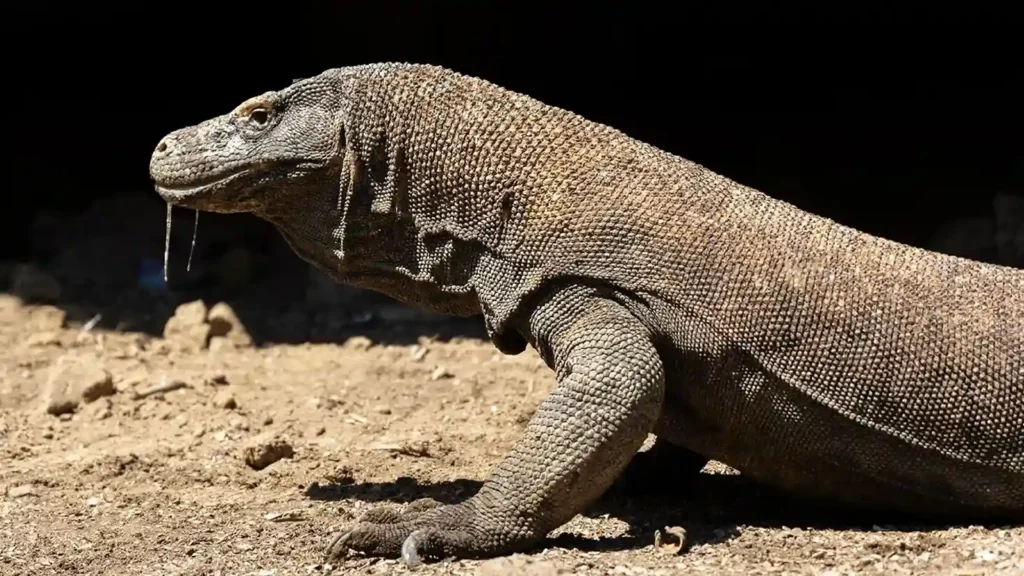
Komodowarane sind die Spitzenprädatoren in ihrem Ökosystem. Ausgewachsene Tiere können über 3 Meter lang (10 Fuß) werden und bis zu 150 kg (330 Pfund) wiegen. Sie jagen mit List, Kraft und biologischen Waffen: einer Kombination aus giftigem Speichel, scharfen Krallen, mit Eisen überzogenen, gezackten Zähnen und der Fähigkeit, verwundete Beute über Meilen hinweg aufzuspüren. Sie jagen Hirsche, Schweine, Wasserbüffel und gelegentlich sogar Pferde.
Sobald ein Tier gebissen wurde, entfalten das Gift und die Bakterien des Komodowarans ihre Wirkung und führen zu Blutverlust, Lähmung und Schock. Der Komodowaran folgt dem Opfer dann, bis es zusammenbricht – oft erst Stunden oder Tage später. In ihrem Lebensraum haben erwachsene Komodowarane keine natürlichen Feinde. Sie beherrschen das Land als Raubtiere an der Spitze der Nahrungskette, und kein anderes Tier auf der Komodo Inseln kann ihnen ernsthaft Paroli bieten – zumindest nicht, solange sie gesund und ausgewachsen sind.
The Hidden Threat: Cannibalism Among Komodo Dragons
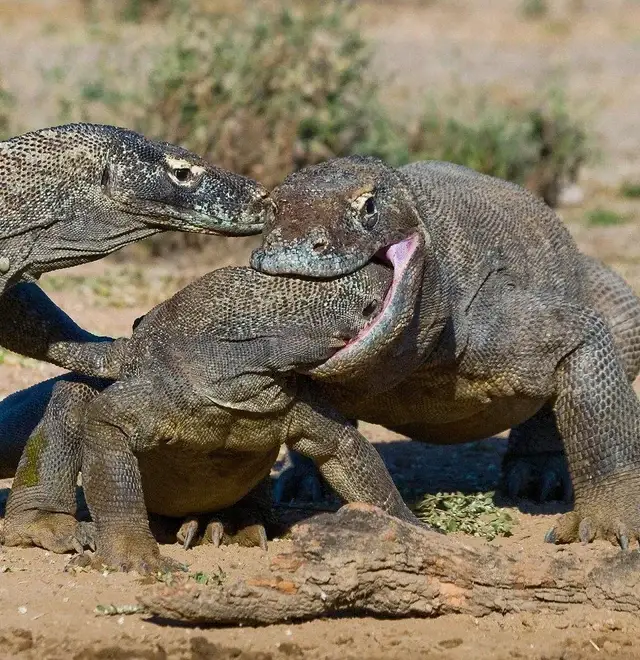
One of the most brutal and surprising threats to Komodo dragons is the danger that comes from within their own species. Cannibalism is a well-documented behavior among Komodo dragons, with adult individuals frequently preying on hatchlings and juveniles. It’s estimated that up to 10% of an adult Komodo’s diet can consist of younger Komodos. This forces hatchlings to seek refuge in trees shortly after hatching, often within just a few hours, where they spend their first years feeding on insects, small birds, and reptiles until they grow large enough to defend themselves on the ground.
This survival instinct reveals how harsh the early life of a Komodo dragon can be. Instead of facing external predators, hatchlings must constantly avoid being eaten by their older, more powerful relatives. It highlights a rarely discussed reality: the apex predator’s greatest threat in early life is not another species, it’s the apex predator itself.
Weiterlesen: Wie gefährlich sind Komodowarane? Erfahren Sie die Wahrheit über diese Tiere
Human Impact and Conservation Efforts
Although Komodo dragons have no natural predators once they reach adulthood, they are increasingly vulnerable to the growing presence and impact of humans. Habitat loss from deforestation, expanding agriculture, and infrastructure development has significantly reduced their natural living space, while overhunting of prey species like deer and wild pigs has made it harder for Komodos to find food. Beyond that, illegal trade, pollution, and direct human-wildlife conflict add further pressure, and rising sea levels from climate change threaten the low-lying nesting areas these dragons depend on.
To address these challenges, Indonesia has implemented conservation programs centered around Komodo National Park, a UNESCO World Heritage Site, with strict regulations on tourism, habitat protection, and population monitoring. Conservation organizations and local communities are also actively involved in sustainable tourism and educational initiatives, aiming to protect the Komodo dragon while ensuring local residents benefit economically without compromising the fragile ecosystem. Through this collaboration, conservation efforts play a vital role in keeping the Komodo dragon from becoming a mere legend of the wild.
Naturschutzmaßnahmen und warum sie wichtig sind
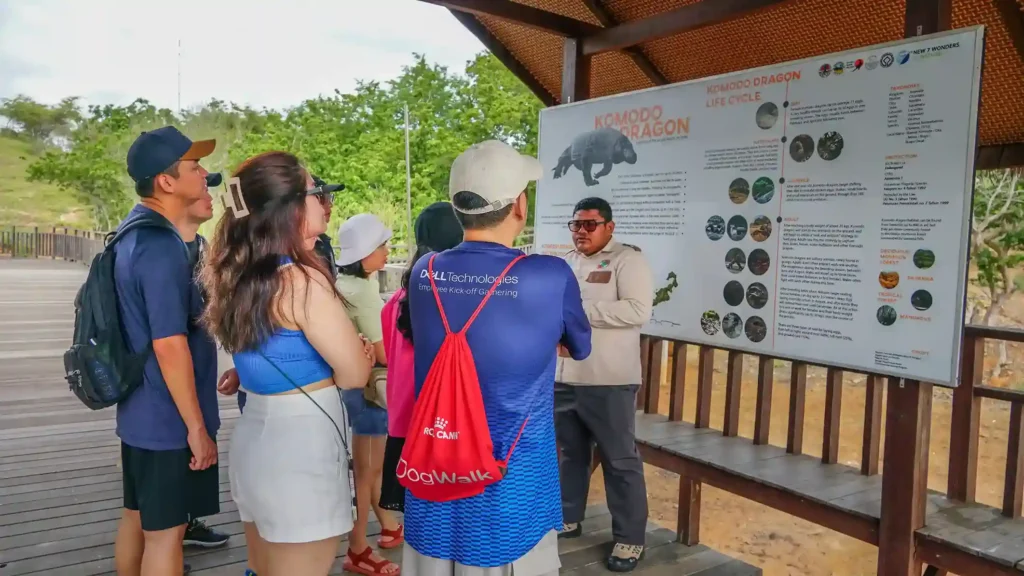
Obwohl die „ Komodowarane “ an der Spitze der Nahrungskette stehen, sind sie nicht unbesiegbar. In den letzten Jahrzehnten haben Umweltbelastungen und menschliche Aktivitäten erhebliche Risiken für ihr Überleben mit sich gebracht. Eine der drängendsten Bedrohungen ist der Verlust ihres Lebensraums, der durch den Ausbau der Infrastruktur, die Ausweitung des Tourismus und den Klimawandel vorangetrieben wird. Der steigende Meeresspiegel und die steigenden Temperaturen verändern langsam die Küstenökosysteme, auf die die „ Komodowarane “ angewiesen sind, insbesondere zum Nisten und Jagen.
Um diesen Herausforderungen zu begegnen, hat „ Indonesien “ verschiedene Schutzprogramme ins Leben gerufen, deren Schwerpunkt auf dem „ Komodo Nationalpark “ liegt, einem UNESCO-Weltkulturerbe. Dieses Schutzgebiet dient als entscheidender Rückzugsraum für die Art und unterliegt strengen Vorschriften in Bezug auf Tourismus, Lebensraumschutz und Bestandsüberwachung. Über die Bemühungen der Regierung hinaus engagieren sich auch Naturschutzorganisationen und lokale Gemeinden aktiv für nachhaltigen Tourismus und Bildungsinitiativen. Diese Programme zielen nicht nur darauf ab, den „ Komodowarane “ zu schützen, sondern auch sicherzustellen, dass die Anwohner wirtschaftlich davon profitieren, ohne das empfindliche Ökosystem zu gefährden. Durch Zusammenarbeit und Sensibilisierung spielen die Naturschutzbemühungen eine entscheidende Rolle dabei, zu verhindern, dass der „ Komodowaran “ zu einer bloßen Legende der Wildnis wird.
Hat die „ Komodowaran “ also einen Feind?
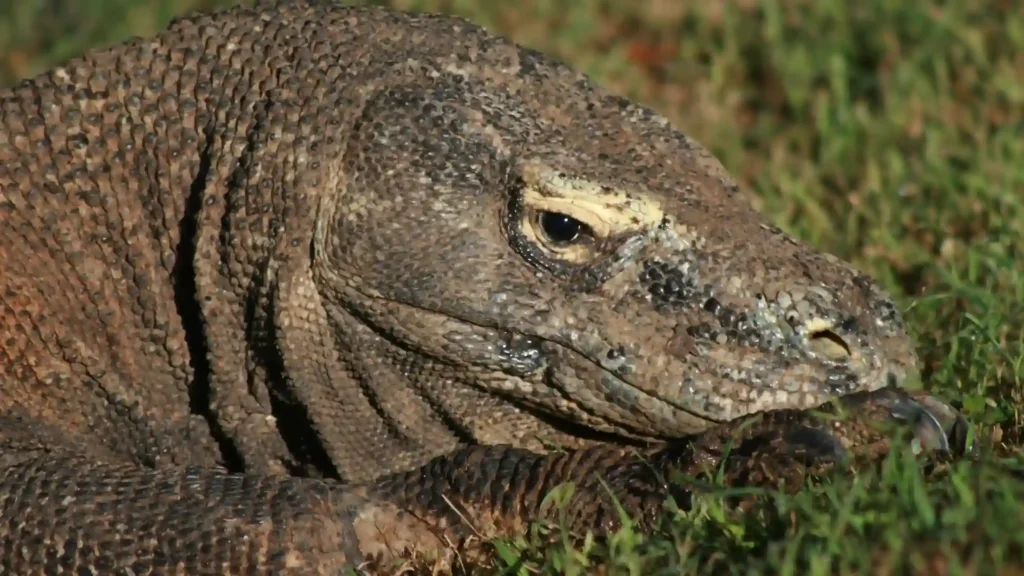
Yes, but not in the form of lions, tigers, or bears. The Komodo dragon’s real enemies are its own kind in youth, and human expansion in adulthood. Understanding these factors shifts the conversation from awe to action. Protecting this ancient reptile is no longer a matter of curiosity but of urgent responsibility. The Komodo dragon may dominate its natural world, but it’s our world that determines whether it survives. Travelers who want to observe this apex predator across several islands in one trip usually choose a multi-day Komodo liveaboard itinerary, which combines ranger-led treks with time in the park’s protected marine zones.
Read more: Komodo Dragon (Varanus komodoensis): The Complete Guide to the World’s Largest Lizard
Lasst uns die „ Komodowaran “ verantwortungsbewusst genießen mit Komodo Luxury!
If you’re fascinated by the mighty Komodo dragon and feel inspired to witness it in real life, there’s a way to do it responsibly and memorably. Join the Komodo Island Tour with Komodo Luxury, a curated sailing experience that showcases the majestic beauty of Komodo Island while aligning with sustainable travel principles. Travelers who want to observe this apex predator across several islands in one trip usually choose a multi-day Komodo liveaboard itinerary, which combines ranger-led treks with time in the park’s protected marine zones, or trek with ranger-guides on the 3D2N shared trip.
The experience goes beyond just a photo opportunity, it’s about creating meaningful, low-impact encounters that leave you in awe without leaving a trace. Whether you prefer the company of a shared open trip or want to charter a private phinisi and stay for the quiet hours, Komodo Luxury lets you witness the Komodo dragon up close while respecting national park guidelines and supporting local communities, all with expert Komodo yacht charter fleets to choose from.

Vom Komodo Luxury Expedition Team – ein lizenzierter Reiseveranstalter für Komodo Nationalpark -Touren, der seit Labuan Bajo seit 2015 durchführt. Flotte, Preise und Reiserouten: Komodo Yachtcharter.