
科莫多岛豪华游--最佳科莫多岛乘船游和拉贾安帕潜水游
林卡岛目的地

林卡岛目的地

Home of the Komodo Dragon

林卡岛

Rinca Island is one of the three main islands of Komodo National Park in Indonesia, a UNESCO World Heritage Site renowned for its Komodo dragons. Located just off the coast of Flores in East Nusa Tenggara, Rinca (pronounced “rin-cha”) is often considered a more secluded sibling to the famous Komodo Island. This makes Rinca one of the best places in the world to see Komodo dragons in their natural habitat, a major draw for adventurers and wildlife enthusiasts. For guests joining a curated Komodo yacht charter, Rinca Island is typically included as a key itinerary highlight, with visits carefully timed to align with ranger schedules, optimal wildlife activity, and comfortable trekking conditions.

What Is Rinca Island

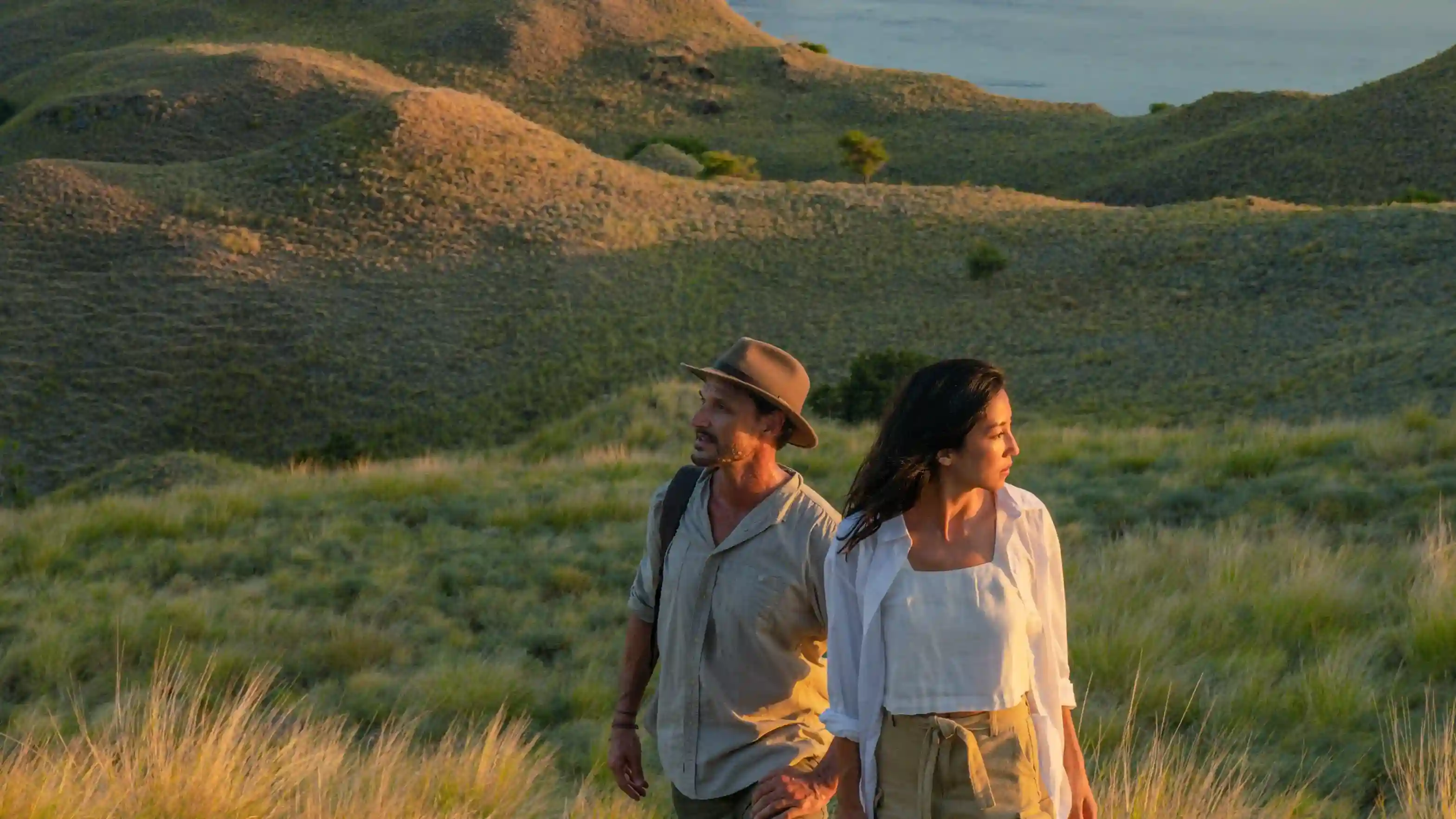
Rinca Island is the second-largest island in the Komodo National Park and is characterized by savannah landscapes, dry forests, mangroves, and rugged hills. The island is part of a UNESCO Man and Biosphere Reserve (1977) and a UNESCO World Heritage Site (1991), recognized for its exceptional terrestrial biodiversity and Komodo dragon habitat. Rinca is also a key conservation and visitor area within the park, where regulated trekking experiences are managed through ranger stations such as Loh Buaya.
林卡岛科莫多岛 | 科姆杜岛豪华酒店
Loh Buaya Rinca Island (1)

Where Is Rinca Island

Rinca Island is located within Komodo National Park in West Manggarai Regency, East Nusa Tenggara, Indonesia. It sits southeast of Komodo Island and west of Flores Island, separated from Flores by the Molo Strait. From Labuan Bajo, the main gateway town on Flores, Rinca is typically reached in around one to two hours by boat depending on vessel type and sea conditions. In most Komodo National Park itineraries, its position makes it a natural early stop for island-hopping routes across the central park area.

Why Rinca Island Is A Must-Visit

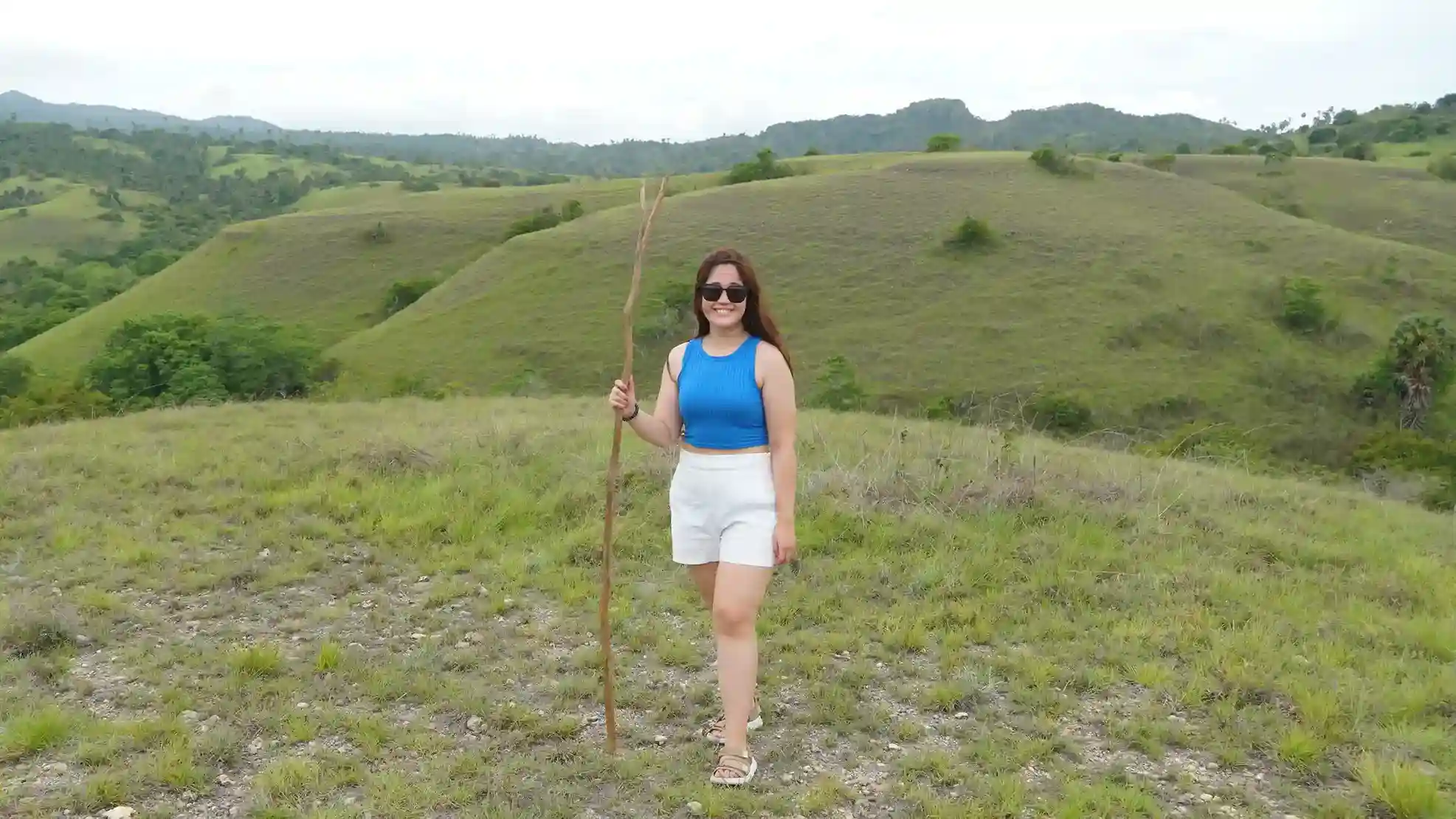
Rinca Island is one of the most reliable places in Komodo National Park to observe Komodo dragons in a natural, open savannah environment with fewer crowds than Komodo Island.
  • Higher chance of Komodo dragon sightings in open terrain: Rinca has a high density of Komodo dragons relative to its size, and the open savannah landscape allows for clearer, longer-distance wildlife observation compared to denser forested areas.
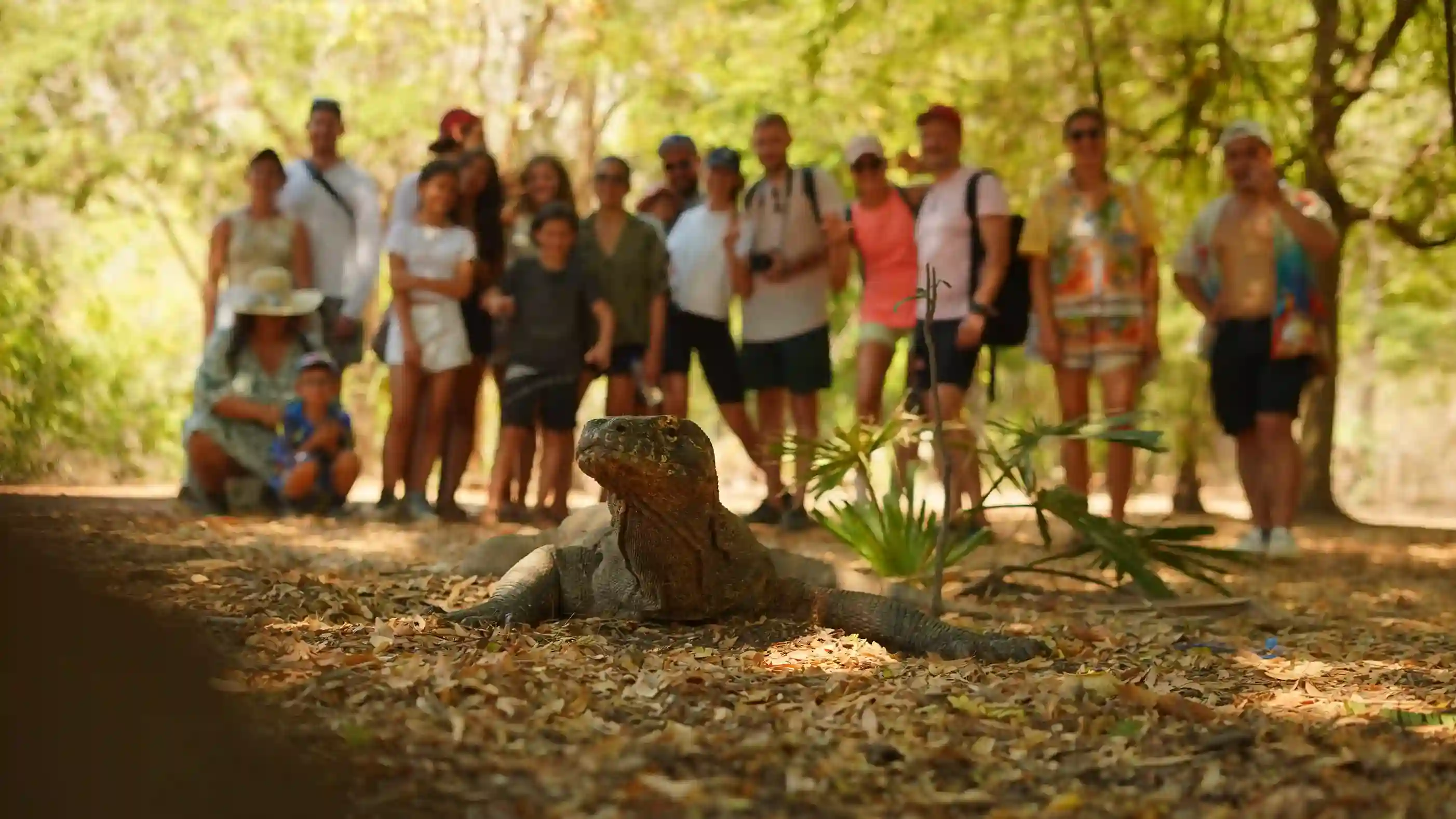
  • Loh Buaya natural gathering zone: Komodo dragons often appear near the Loh Buaya ranger station due to water sources and prey activity, meaning encounters can begin even before formal trekking starts.
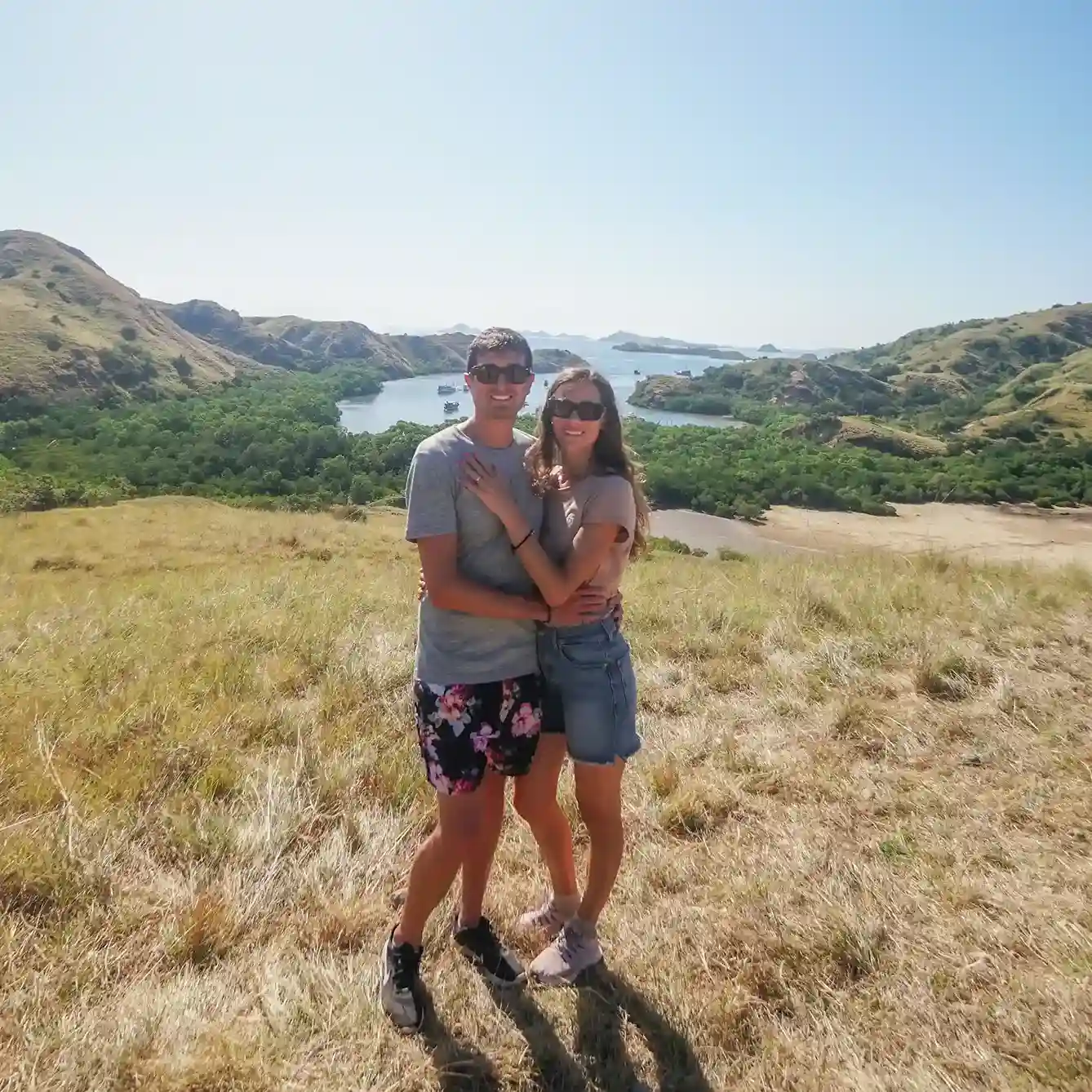
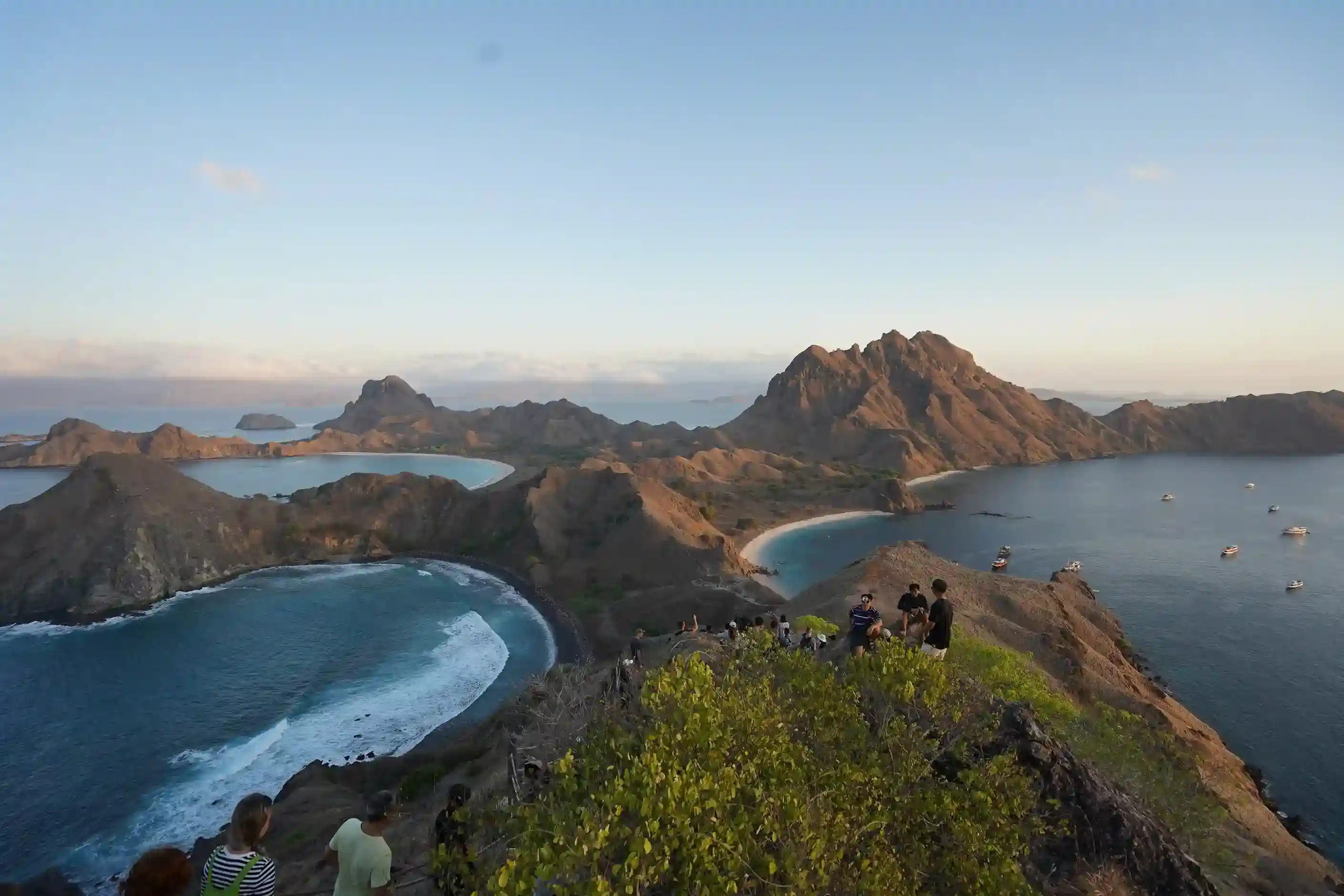
  • Panoramic savannah ridge experience: Longer trekking routes lead to elevated viewpoints overlooking Loh Buaya Bay, surrounding islands, and the Flores coastline, offering a wide, cinematic landscape rarely found elsewhere in the park.
  • Quieter experience for yacht guests: Travelers arriving via private yacht from Labuan Bajo often experience calmer trails and more flexible pacing before peak day-trip crowds arrive.
Why Rinca Island Is A Must-Visit
林卡岛上的科莫多岛 | 科莫多岛之旅 | 科莫多岛豪华游

What to Expect at Rinca Island

A visit to Rinca follows a structured ranger-guided process beginning at Loh Buaya, designed to ensure both visitor safety and controlled wildlife interaction.
  • Arrival at Loh Buaya ranger station: All visits begin at Loh Buaya (“Crocodile Bay”), marked by a pier and Komodo dragon statue, serving as the official entry point into the trekking area.
  • Mandatory safety briefing with rangers: Visitors receive clear instructions on maintaining distance, staying with guides, and avoiding sudden movements, reflecting real safety protocols used for Komodo dragon encounters.
  • Immediate wildlife encounters near the trailhead: Komodo dragons may be seen close to the station area, often resting in shaded zones or moving through open ground near water sources.
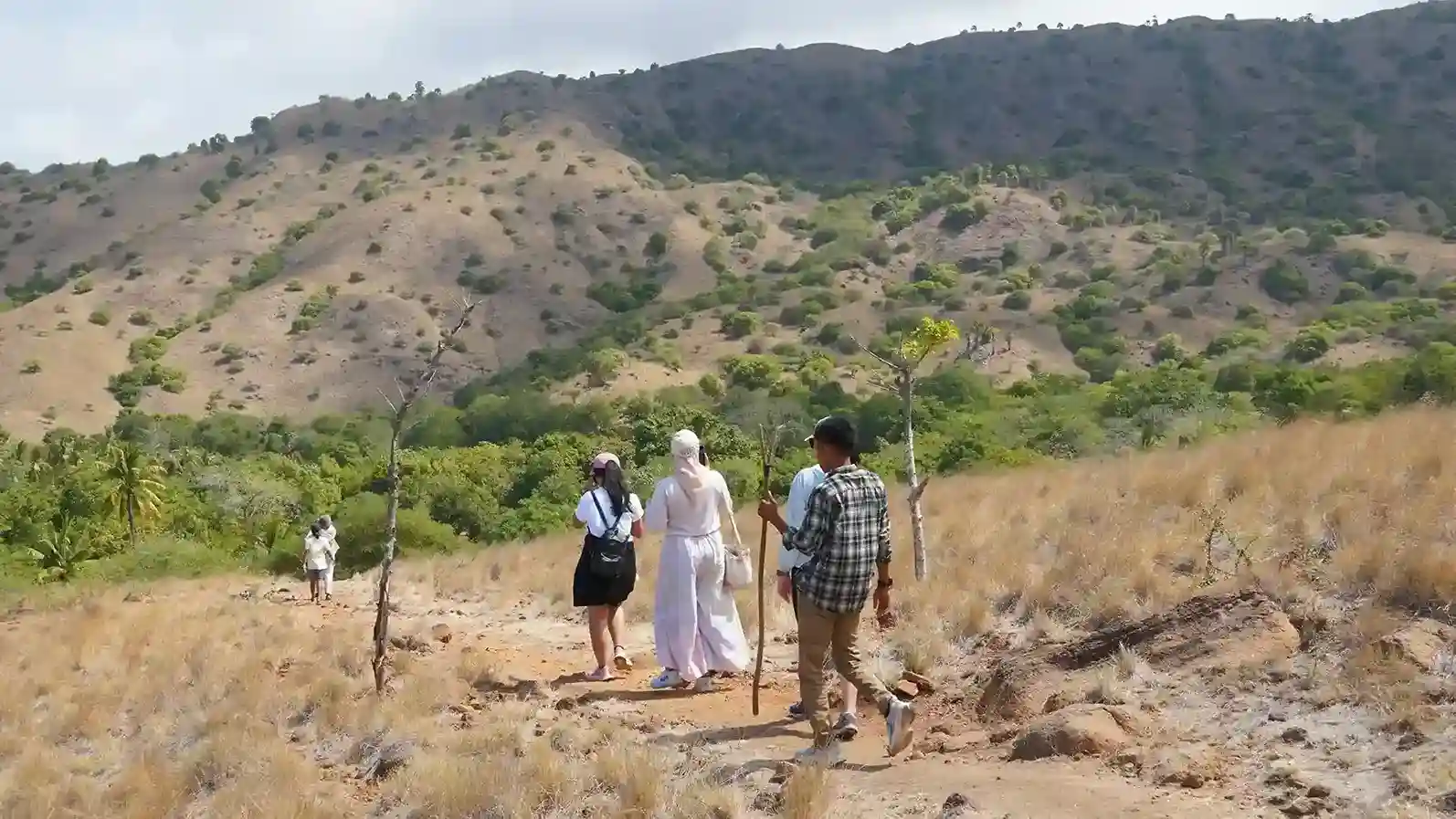
  • Dry savannah trekking conditions: The terrain is exposed, dusty, and hot during the dry season, making sun protection, hydration, and lightweight clothing essential for comfort and safety.

游览林卡岛的最佳时间

The best time to visit Rinca Island is during the dry season from April to October, when trekking conditions are stable and Komodo dragon activity is more visible across the open savannah landscape.
  • Dry season: From April to October, trails are firm and safe, sea crossings from Labuan Bajo are generally calmer, and the dry savannah environment makes Komodo dragons easier to spot in open terrain.
  • Peak season: July to September offers excellent weather and wildlife visibility, but visitor numbers are at their highest across Komodo National Park, especially on mid-day excursions.
  • Mating and nesting season requires caution (June–July): During Komodo dragon reproductive periods, certain trekking routes may be temporarily restricted to protect nesting areas, which can affect available walking paths.
  • Early morning is the best time of day: Visits between 7:00–9:30 AM are ideal, as Komodo dragons are most active in cooler temperatures before resting in shaded areas during midday heat.
游览林卡岛的最佳时间
Things To Do On Rinca Island

Things To Do On Rinca Island

Rinca Island offers a structured range of ranger-led trekking experiences, scenic viewpoints, and ecosystem encounters that together showcase both its wildlife and landscape diversity within Komodo National Park.
  • Ranger-Guided Komodo Dragon Trek (Short, Medium, Long Routes): All wildlife trekking on Rinca is conducted with official rangers from Loh Buaya and offered in three route options—short (±30 minutes), medium (±1 hour), and long (±2 hours)—each varying in terrain, duration, and wildlife exposure. The short trail is an easy walk past a waterhole with nearby dragon sightings, the medium trail crosses open savannah and nesting areas with seasonal behavior insights, while the long trail is the most immersive, passing a permanent waterhole where prey animals gather and ending at elevated viewpoints overlooking the Komodo archipelago.
  • Hilltop Viewpoints Over Komodo Archipelago: The long trekking route leads to elevated viewpoints with 360-degree scenery over Rinca, surrounding islands, and open sea channels, with especially striking sunset views over the savannah and waters.
  • Observe Rinca’s Unique Ecosystem: Rinca supports a diverse dry-land ecosystem including Timor deer, wild boar, water buffalo, macaques, sea eagles, the endemic Rinca rat, and saltwater crocodiles in nearby mangroves.

How to Visit Rinca Island with Komodo Luxury

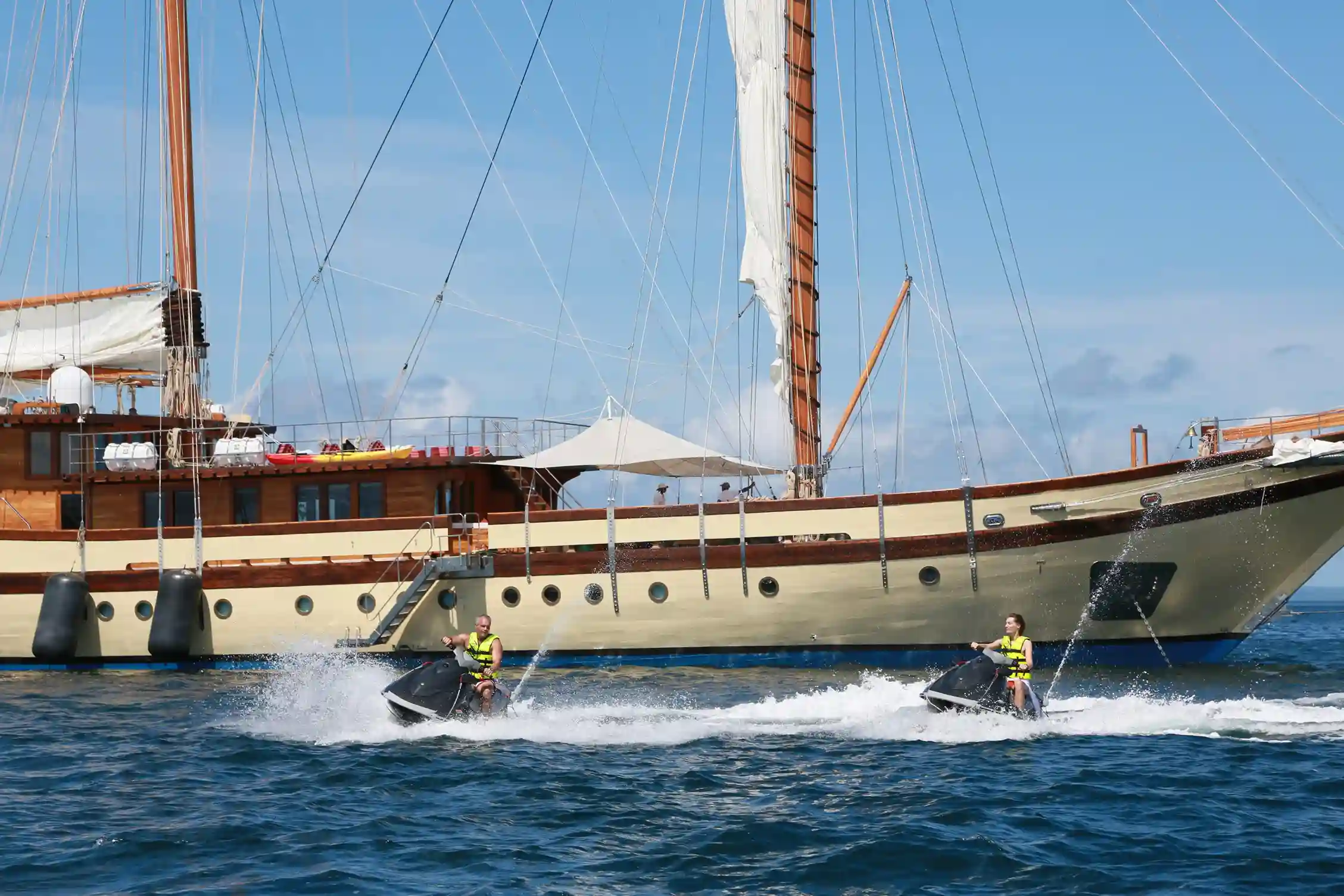
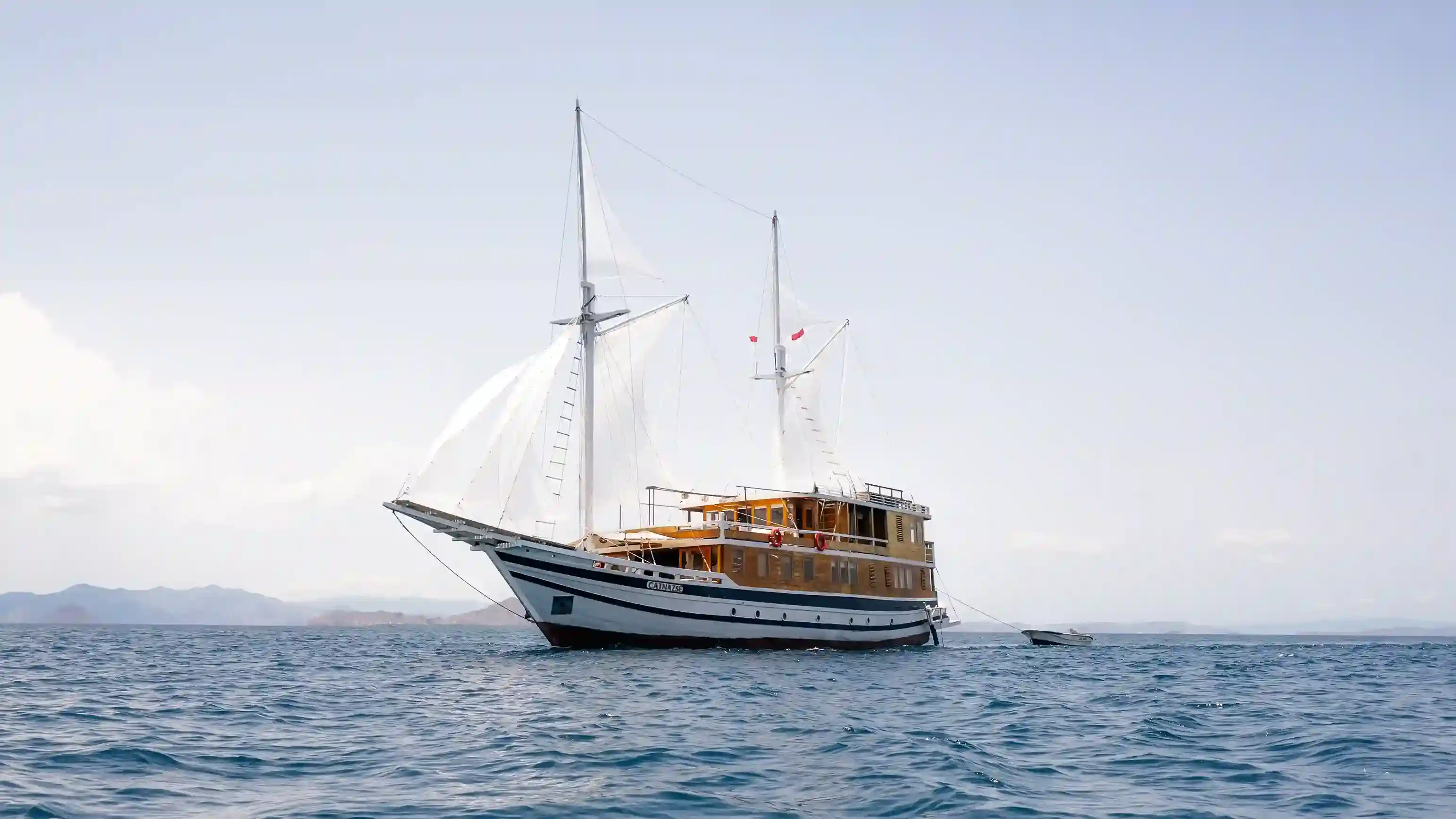
Komodo Luxury includes Rinca Island as a standard stop on its 3-night and 4-night Komodo yacht charter itineraries, with overnight anchoring near the island to enable early morning access. Guests transfer by tender to Loh Buaya and begin trekking shortly after arrival. All logistics, including ranger coordination and safety procedures, are fully managed onboard in accordance with Komodo National Park regulations to ensure a smooth and time-efficient visit.

How to Visit Rinca Island with Komodo Luxury
Tourists with Komodo

Explore Rinca Island with Komodo Luxury

You can visit Rinca Island as part of a Komodo yacht charter with Komodo Luxury, where it is included in curated Komodo National Park itineraries alongside other key island destinations. Before arriving at the trekking site, guests receive a briefing covering route conditions, ranger-led procedures, and basic safety guidelines for wildlife encounters. The experience is fully coordinated by the onboard crew in collaboration with park rangers, ensuring Rinca is explored as part of a structured, well-managed sailing journey through the park.

沉浸式体验

活动

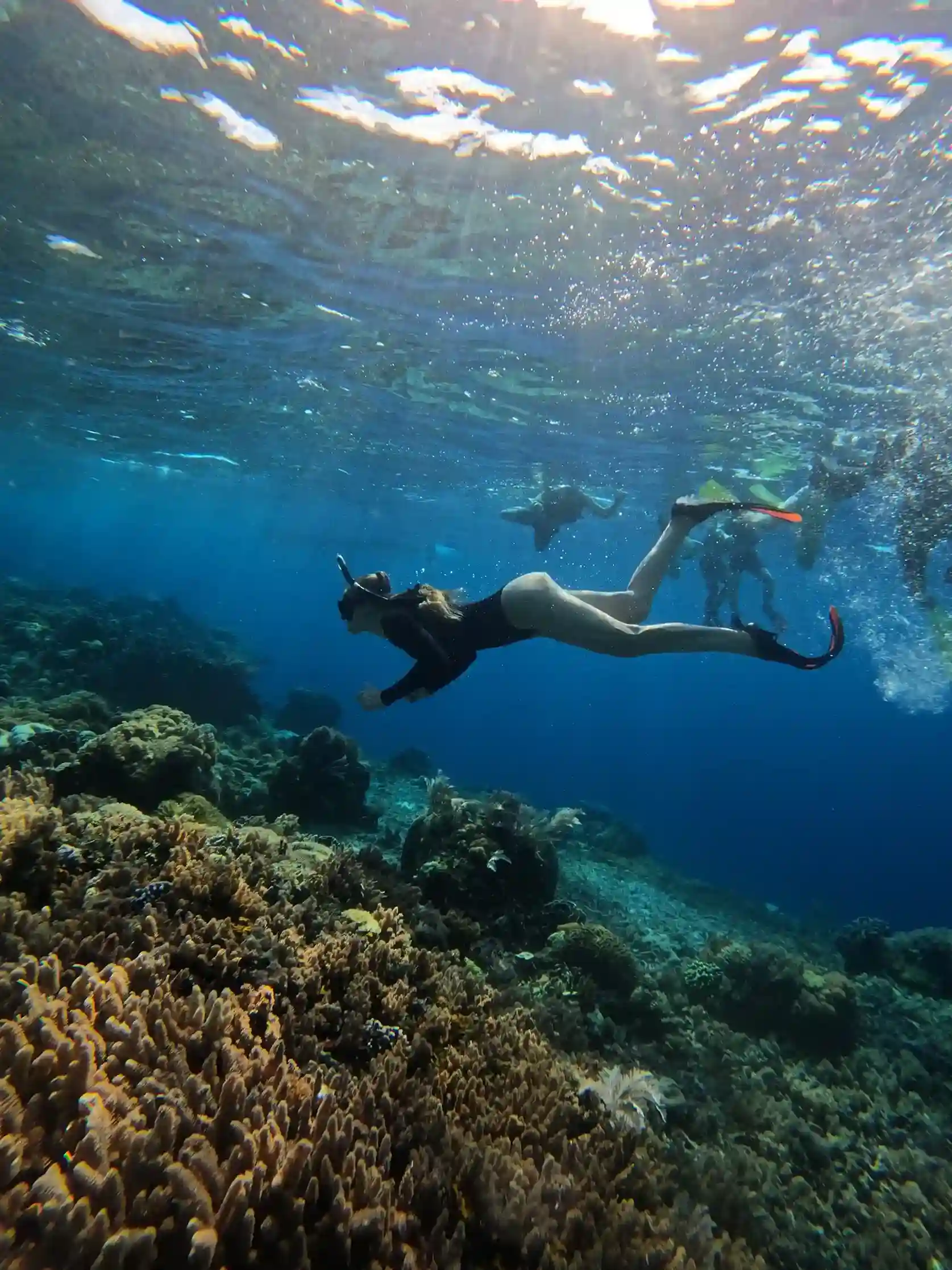
在我们的豪华帆船之旅中,潜入原始珊瑚礁,徒步偏远岛屿,邂逅野生动物。

签名之旅

精品奢华之旅

精心打造的奢华旅行路线,带您领略印尼最私密的秘境与独特体验

问答

科莫多岛旅游套餐 - 常见问题(FAQs)

Many experienced visitors rate Rinca Island as the superior choice for wildlife observation. Rinca has a higher Komodo dragon density (approximately 2,000 individuals versus approximately 1,300 on Komodo Island), tends to receive fewer visitors, and has a more open savannah landscape where animals are visible at a distance. Dragons frequently congregate around the Loh Buaya ranger station, making encounters more likely and more natural-looking. Komodo Island is larger and more famous, but for wildlife viewing specifically, Rinca is often the better option.
Rinca Island is safe for visitors when the visit is conducted properly: always with a park ranger, always maintaining the required safe distance from animals, and always following ranger instructions without hesitation. Rangers carry forked sticks and have extensive experience managing dragon behaviour. Komodo dragons are capable of moving very quickly and should be treated with complete respect. The safety record at Loh Buaya is strong when visitors comply with protocols; incidents occur when visitors disregard ranger instructions.
The short trail (30 minutes) is suitable for all fitness levels and is accessible to most guests. The medium trail (1 hour) requires moderate fitness and comfort walking in heat on uneven terrain. The long trail (2 hours) includes steep exposed ridges and significant sun exposure; a reasonable level of fitness and good footwear are essential. All trails depart from Loh Buaya and can be combined or abbreviated based on group needs.
Lightweight, breathable clothing with long sleeves and trousers for sun and insect protection; closed-toe shoes or sturdy sandals with a solid grip for uneven trails; a wide-brimmed hat; at least one litre of water per person; reef-safe sunscreen. Do not bring food — Komodo dragons have an exceptional sense of smell and will track any food scent. There are no facilities beyond the ranger station at Loh Buaya; prepare everything on board the yacht before departing.
Starting in 2020, the Indonesian government began construction of upgraded visitor facilities at the Loh Buaya area of Rinca Island. The project was referred to as 'Jurassic Park' in media coverage, and UNESCO's World Heritage Committee requested a temporary halt and revised environmental impact assessment in 2021. The government continued construction, stating that the development covers 1.3 hectares of Rinca's 198 square kilometres and is designed to manage visitor flow and reduce direct human-dragon interaction. Local communities and environmental groups expressed concerns about the impact on the island's natural character. Rinca Island remains fully open to visitors, with the Loh Buaya ranger station operational as normal. The conservation dialogue between UNESCO, the Indonesian government, and civil society is ongoing.