



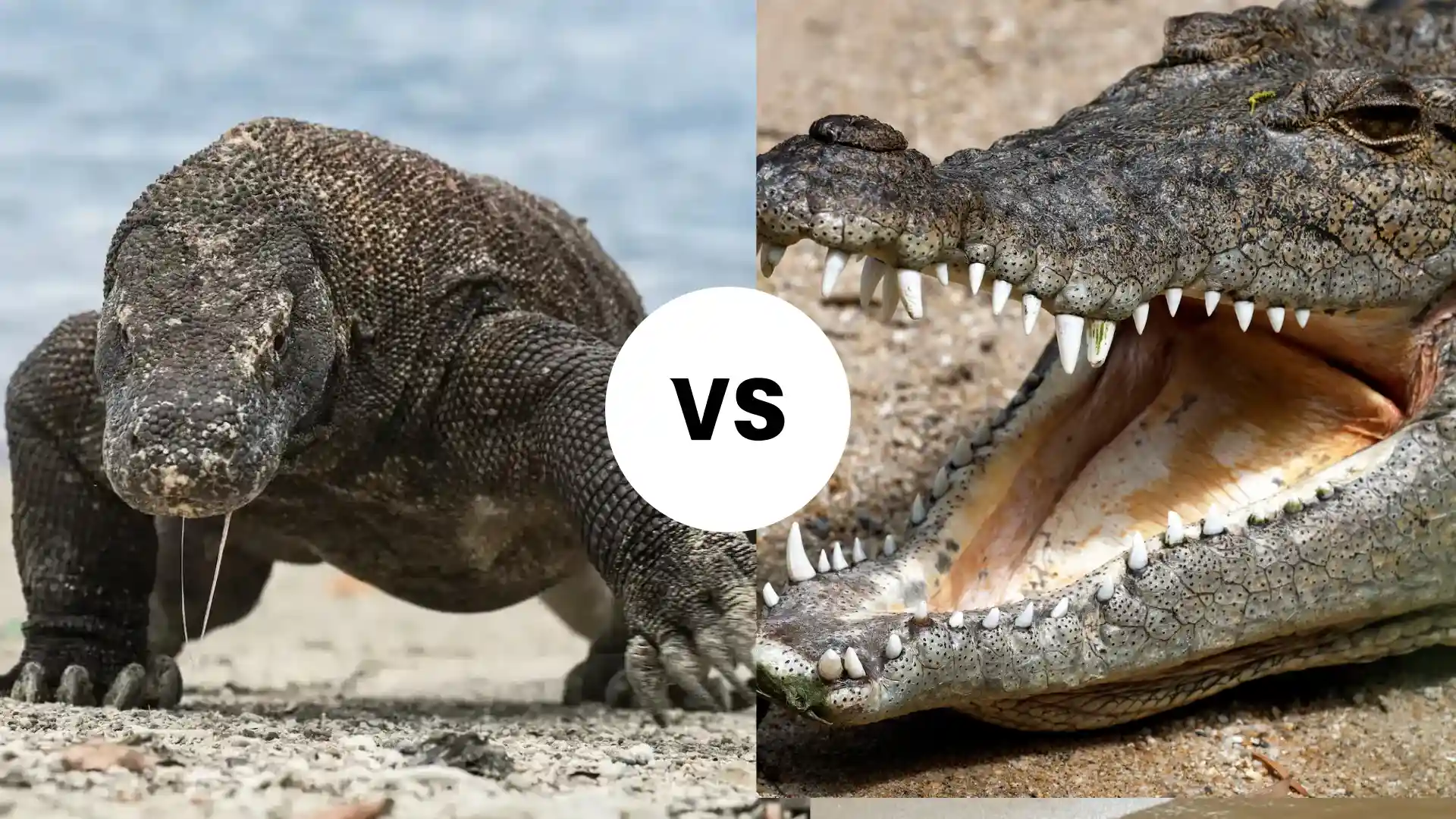
In a head-to-head fight, the Saltwater Crocodile would beat the Komodo Dragon. The crocodile’s sheer size (up to 6 meters and over 1,000 kg) and record bite force of roughly 3,700 psi overwhelm the Komodo Dragon’s 3-meter frame, comparatively weak bite, and slow-acting venom in almost any direct confrontation.
코모도 드래곤 바다악어 코모도 드래곤 누가 싸움에서 이길지 궁금해 본 적이 있나요? 두 생물 모두 각자의 서식지에서 먹이사슬의 최상위에 위치하지만, 크기, 힘, 사냥 방식에서는 큰 차이를 보입니다. 이 두 무시무시한 파충류는 모두 타고난 사냥꾼이지만, 만약 서로 맞붙게 된다면 어떤 일이 벌어질까요? 과연 누가 승리할까요?
이 글에서는 코모도 드래곤 바다악어에 대해 알아야 할 모든 것을 자세히 살펴보겠습니다. 두 동물의 크기, 속도, 강점, 심지어 약점까지 비교해 보죠. 이 거대한 두 거인의 대결에서 과연 누가 승리할지 함께 확인해 봅시다.
코모도 드래곤: 도마뱀의 왕
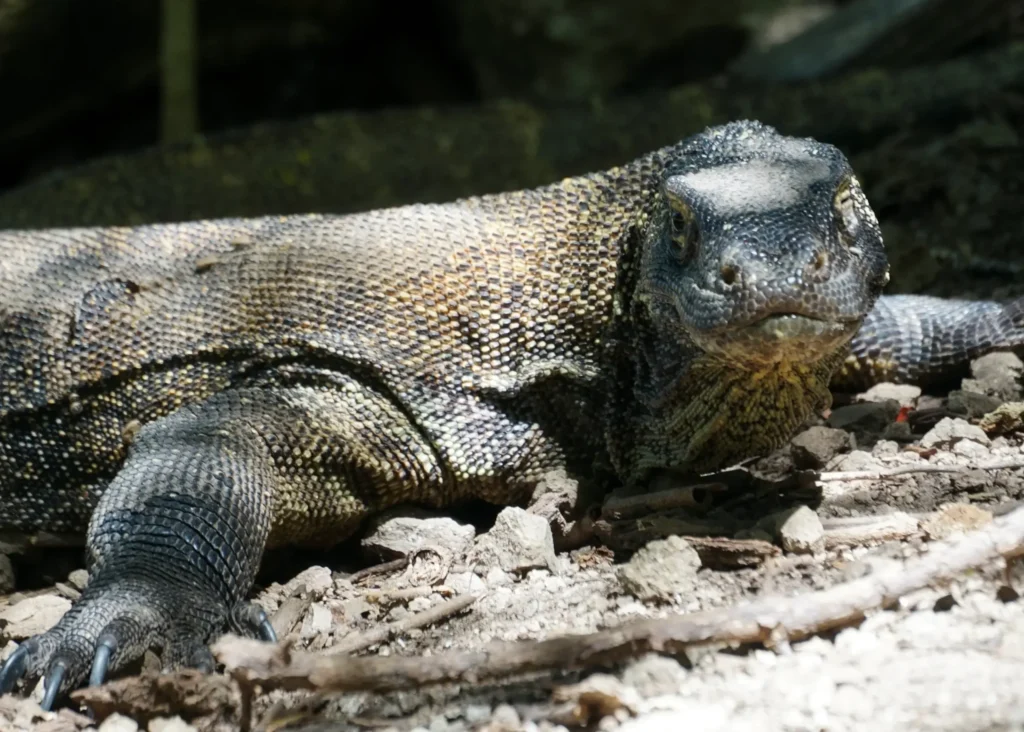
코모도 섬 코모도 드래곤
The Komodo Dragon (Varanus komodoensis) is the largest living lizard in the world, native to a few Indonesian islands, including Komodo, Rinca, and Flores. These impressive creatures can grow to an average length of 2-3 meters (6-10 feet) and weigh around 70-90 kilograms (150-200 pounds). What makes them deadly isn’t just their size, though—it’s their venomous bite. A Komodo Dragon’s saliva contains deadly bacteria and venom that can cause massive blood loss, shock, and eventually, death. Komodo Dragons are ambush predators, attacking prey at high speeds with lacerating bites, but they do not inject venom like snakes.
코모도왕도마뱀 단독으로 사냥을 코모도왕도마뱀 , 은밀함과 인내심을 발휘해 먹이를 추적합니다. 이들은 짧은 순간에 시속 20km(12mph)까지 달릴 수 있는데, 이는 사슴, 돼지, 심지어 물소 같은 동물들을 기습해 제압하기에 충분한 속도입니다. 장시간 추격에는 적합하지 않지만, 일단 물고 나면 먹이가 감염이나 독에 굴복하는 것은 시간문제일 뿐입니다. 코모도왕도마뱀 일반적으로 바다악어에 비해 육상에서 더 빠르고 코모도왕도마뱀 .
The science behind that bite is remarkable. In 2009, a research team led by Dr. Bryan Fry confirmed that Komodo Dragons possess genuine venom glands in the lower jaw, with ducts opening between the teeth. Rather than being injected like snake venom, the toxins seep into open wounds, where they prevent blood from clotting and cause a sharp drop in blood pressure—hastening shock and blood loss. This discovery largely overturned the older “dirty mouth” theory that credited only bacteria for the kill. Their roughly 60 curved, serrated teeth act like steak knives, slicing deep gashes that let the venom do its work.
Komodo Dragons are also equipped with an extraordinary sense of smell. Flicking a long, forked tongue and reading the air with a vomeronasal (Jacobson’s) organ on the roof of the mouth, they can detect carrion from several kilometers downwind. This lets them locate a wounded animal—or their own escaped prey—long after the initial ambush, a patient tracking strategy that suits their land-based hunting perfectly.
서식지
코모도왕도마뱀 인도네시아 섬들에 있는 건조한 사바나, 초원, 그리고 관목이 우거진 숲에서 코모도왕도마뱀 .
주요 강점
- 시간이 지남에 따라 먹이를 무력화시킬 수 있는 독이 있는 물기.
- 살을 찢을 수 있는 강력한 턱.
- 순간적으로 속도를 내어, 매복 사냥에 능합니다.
단점
- 장시간 추격 시 체력이 제한적입니다.
- 물에 잘 적응하지 못해 사냥 범위를 육지로만 제한한다.
바닷물 악어: 물속의 최상위 포식자
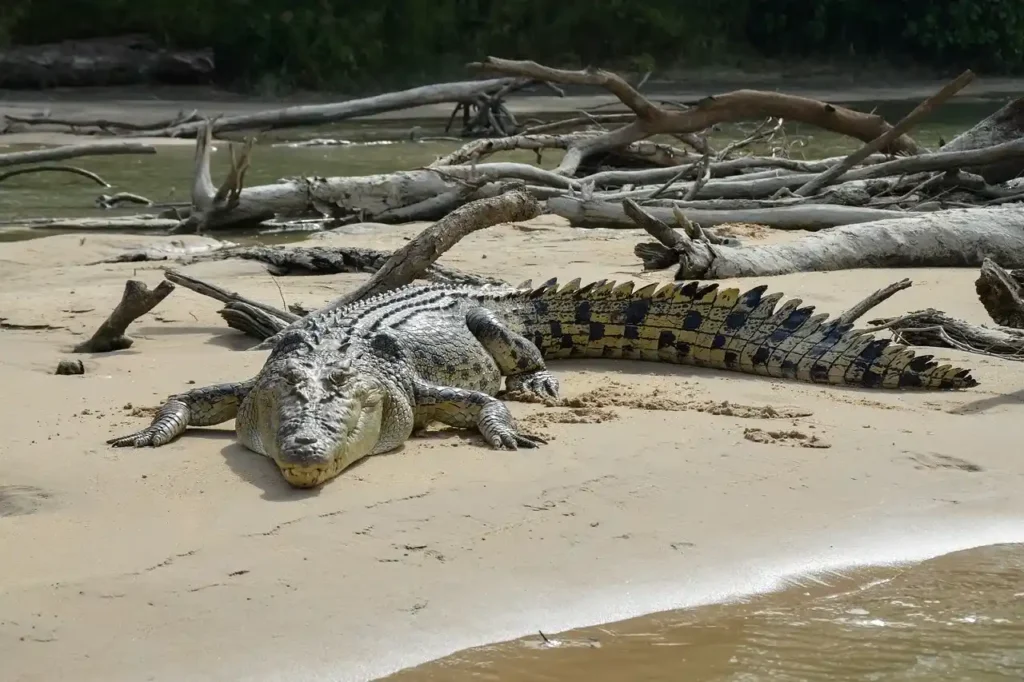
악어 (출처: unsplash.com)
바닷물 악어(Crocodylus porosus)는 현존하는 파충류 중 가장 큰 종일 뿐만 아니라, 지구상 모든 동물 중 가장 강력한 턱 힘을 자랑합니다. 바닷물 악어는 몸길이 6미터(20피트) 이상, 몸무게 1,000킬로그램(2,200파운드)이 넘는 동물계의 진정한 거인입니다. 이들의 물기 압력은 3,500psi를 넘으며, 이는 뼈를 부수고 두꺼운 가죽도 쉽게 뚫을 수 있을 만큼 강력합니다.
바닷물 악어는 매복 사냥꾼으로, 주로 물속에서 민첩하고 빠르게 움직이며 사냥을 합니다. 이들은 수면 바로 아래에 숨어 있다가 먹이를 기습할 절호의 기회를 노립니다. 물속에서는 시속 24~29km(시속 15~18마일)의 속도로 헤엄칠 수 있으며, 물고기와 새는 물론 소를 포함한 대형 포유류에 이르기까지 무엇이든 공격하는 것으로 알려져 있습니다.
Once a saltwater crocodile clamps down, escape is nearly impossible. To subdue and dismember larger prey, it performs the infamous “death roll”—spinning its entire body with explosive force to tear off chunks of flesh or drown a struggling animal. That grip is backed by the strongest bite ever directly measured in a living creature: in Gregory Erickson’s landmark 2012 study, a large Crocodylus porosus bit down at roughly 3,700 psi (about 16,460 newtons), enough to shatter bone.
Their range is vast for a reason. Special salt glands on the tongue let saltwater crocodiles tolerate seawater, so they patrol estuaries, mangroves, and open coastlines from eastern India through Southeast Asia to northern Australia—occasionally riding ocean currents between islands. They are also remarkably long-lived, with many individuals surviving well past 70 years in the wild, giving the biggest bulls decades to reach their record-breaking size.
서식지
이 악어들은 동남아시아, 호주 북부 및 인근 지역의 강, 늪, 하구, 연안 해역을 포함한 바닷물과 기수 환경에서 서식합니다.
주요 강점
- 엄청나게 강력한 이빨로 뼈를 부술 수 있다.
- 거대한 크기와 강력한 힘 덕분에 물속에서는 거의 무적에 가깝다.
- 물속에서의 민첩성 덕분에 그들은 번개처럼 빠른 속도로 공격할 수 있다.
단점
- 육상에서는 느리고 서툴다.
- 효과적인 사냥을 위해 물에 크게 의존한다.
코모도 드래곤 바다악어: 직접 비교
주요 기능 | 코모도 드래곤 | 바닷물 악어 |
크기 | 2~3미터 (6~10피트) | 5~6미터 (16~20피트) |
무게 | 70~90kg (150~200파운드) | 500~1,000kg (1,100~2,200파운드) |
속도 | 육상에서 시속 20km (시속 12마일) | 물속에서 시속 24~29km (시속 15~18마일) |
주요 강점 | 독이 있는 이빨, 날카로운 턱 | 동물계에서 가장 강력한 이빨 |
약점 | 물에 약하다 | 육상에서의 이동이 제한적 |
수명 | 30년 | 70년 |
서식지 | 사바나, 건조한 초원 | 강, 늪, 하구 |
다이어트 | 육식동물 (사슴, 돼지, 물소) | 육식동물 (물고기, 새, 포유류) |
재생산 | 1년에 약 20개의 알을 낳는다 | 연간 40~50개의 알을 낳는다 |
코모도 드래곤 바다악어: 비교 표 | Komodo Luxury
코모도왕도마뱀과 바다악 코모도왕도마뱀 주요 차이점
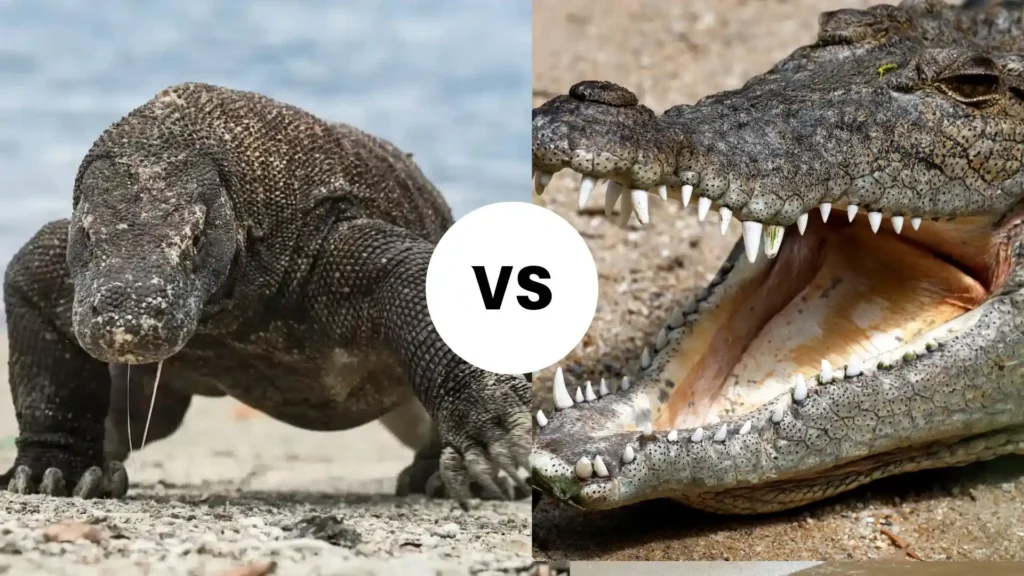
코모도 드래곤 악어 | Komodo Luxury
두 종 모두 강력한 포식자이지만, 여러 면에서 뚜렷한 차이가 있습니다. 다음은 이 둘의 주요 차이점 몇 가지입니다:
1. 체형
코모도 드래곤 육지에서 민첩하게 움직일 수 있도록 더 유선형이고 날렵한 몸매를 코모도 드래곤 . 반면, 바다악어는 더 덩치가 크며, 물속에서 헤엄치고 움직일 수 있도록 설계된 강력한 꼬리를 가지고 있습니다.
2. 치아
코모도왕도마뱀 살을 찢어내는 데 도움이 되는 날카로운 이빨을 코모도왕도마뱀 . 반면, 바다악어는 뼈를 움켜쥐고 부러뜨리도록 진화한 크고 굵은 이빨을 자랑합니다.
3. 크기
바닷물 악어는 코모도왕도마뱀 훨씬 크며, 체중과 몸길이가 종종 두 배 이상에 달해 상당한 크기 면에서 우위를 점하고 있다.
4. 착색
코모도왕도마뱀 대개 짙고 흙빛이 도는 갈색이나 회색을 코모도왕도마뱀 반면, 바다악어는 녹색을 띤 갈색 계열에 검은 줄무늬가 섞여 있어 물속에서 뛰어난 위장 효과를 발휘합니다.
5. 피부 결
바닷물 악어는 두껍고 갑옷 같은 피부를 가지고 있으며, 이 피부는 단단한 비늘로 덮여 있어 물리적 공격으로부터 몸을 보호해 줍니다. 코모도왕도마뱀 피부가 단단하기는 하지만, 이에 비하면 갑옷 같은 보호 기능이 훨씬 떨어집니다.
6. 머리 모양
코모도왕도마뱀 머리가 가늘고 길쭉한 반면, 바다악어는 넓고 뭉툭한 주둥이를 코모도왕도마뱀 , 강력한 물기력을 발휘할 수 있도록 발달된 거대한 턱 근육을 갖추고 코모도왕도마뱀 .
코모도 드래곤 악어: 인간에게 위험한가?
두 생물 모두 인간에게 매우 위험할 수 있지만, 실제로 마주치는 경우는 비교적 드뭅니다.코모도왕도마뱀 인간을 자주 공격하는 것으로코모도왕도마뱀 않지만, 일단 공격하면 타액에 포함된 독과 박테리아로 인해 물린 상처가 치명적일 수 있습니다. 작은 상처라도 치료하지 않으면 심각한 감염으로 이어지거나 더 나쁜 결과를 초래할 수 있습니다. 반면, 바다악어는 특히 인간과 악어가 물가에서 가까운 거리를 두고 공존하는 지역에서 인간을 공격하는 것으로 악명 높습니다. 매복 전술을 구사하는 이 악어는 세계에서 가장 치명적인 파충류 중 하나로 꼽히며, 치명적인 악어 공격 사례가 다수 기록되어 있습니다.
In short, both animals should be approached with extreme caution, though Saltwater Crocodiles have a much higher track record for attacking humans. Both Komodo Dragons and Saltwater Crocodiles can be dangerous to humans, but Saltwater Crocodiles have a higher track record of fatal attacks. While both predators can be dangerous in the wild, encounters with Komodo dragons are carefully managed in their natural habitat. When you explore the area with proper guidance, the experience becomes both safe and unforgettable.
Who Would Win? Komodo Dragon vs Crocodile Head-to-Head
Strip the fight down to the factors that actually decide a life-or-death clash, and the Saltwater Crocodile wins on almost every one. The table below scores each combat trait head-to-head:
Combat Factor | 코모도 드래곤 | 바닷물 악어 | Edge |
Max Size | 3 m (10 ft) | 6+ m (20 ft) | 악어 |
Max Weight | ~90 kg (200 lbs) | 1,000+ kg (2,200 lbs) | 악어 |
Bite Force | Weak for its size; kills via laceration + venom | ~3,700 psi (16,460 N) — strongest ever measured | 악어 |
Primary Weapon | Venom & serrated teeth | Crushing bite & death roll | 악어 |
On Land | Agile, 20 km/h | Slow, awkward | 코모도 드래곤 |
In Water | Poor swimmer | Dominant, 24-29 km/h | 악어 |
Armor | Moderately tough skin | Thick, bony-plated hide | 악어 |
Overall Verdict | Challenger | Winner | 악어 |
Terrain is the one variable that gives the Komodo Dragon any hope. In water, the contest isn’t close—the crocodile is faster, heavier, and armored, and a single clamp-and-roll would end things in seconds. On land, the Komodo Dragon’s agility lets it dart around a sluggish crocodile and land slashing, venom-laced bites, but it still has to overcome an opponent that outweighs it more than ten times over. Its realistic path to victory isn’t a knockout; it’s a hit-and-retreat, then waiting hours or days for venom and blood loss to take hold.
In practice, this matchup is almost entirely hypothetical. Komodo Dragons are endemic to a handful of Indonesian islands, while saltwater crocodiles rule coastal estuaries and mangroves, so their paths rarely cross in a way that would trigger a genuine fight. When we weigh raw combat ability, though, the crocodile’s overwhelming size, armor, and bite make it the clear favorite in any direct confrontation.
결론: 실제로 싸우면 누가 이길까?
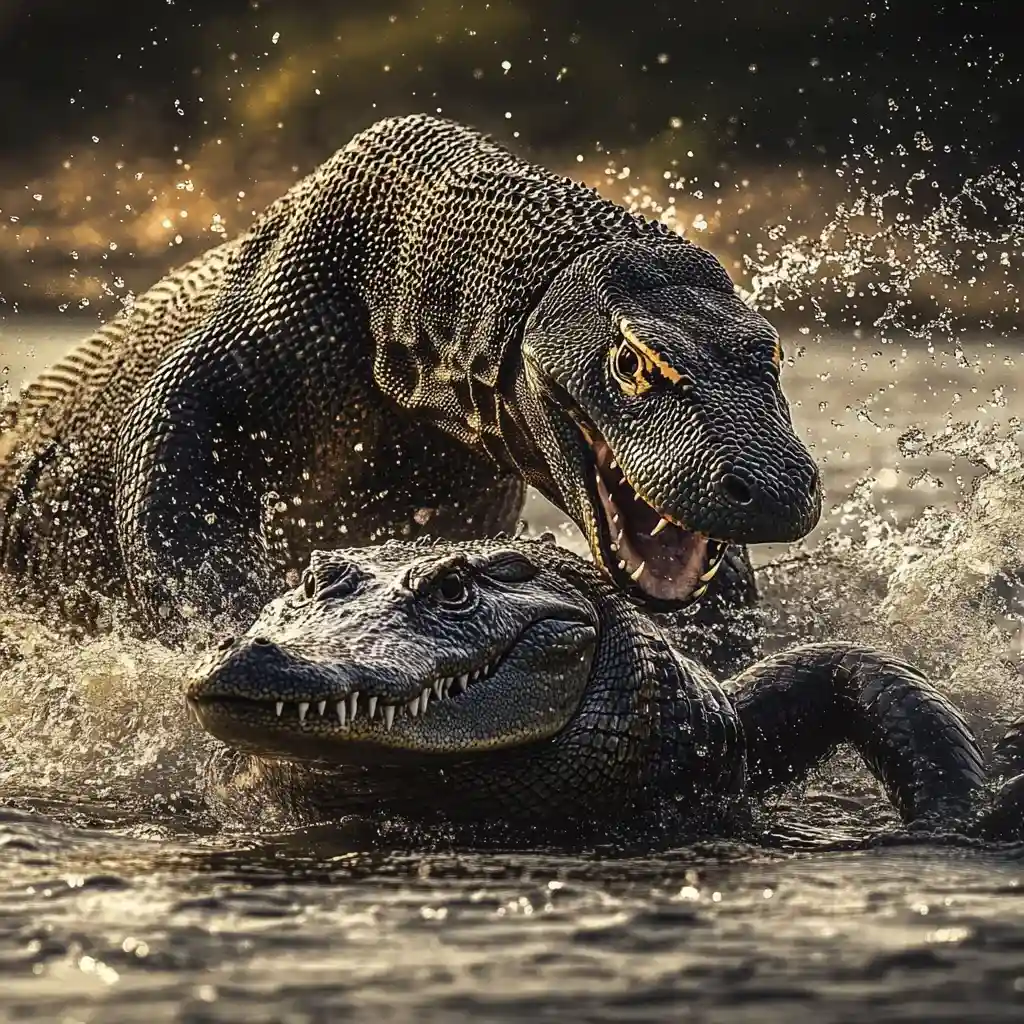
코모도 드래곤 악어 일러스트 – Komodo Luxury
If a Komodo Dragon were to face off against a Saltwater Crocodile, the Saltwater Crocodile would likely come out on top. Its immense size, brute strength, and bone-crushing bite give it a significant advantage in a direct confrontation. However, the Komodo Dragon isn’t without its deadly assets, especially its venomous bite, which could eventually prove fatal—but in a drawn-out battle, the Crocodile would likely win before that venom takes effect. If you are interested in seeing the Komodo Dragon live in its natural habitat, visit Komodo Island and enjoy an extraordinary experience through the Komodo Island Tour Package offered by Komodo Luxury. It is a rare opportunity to see one of the world’s most iconic predators in its natural habitat. Many travelers choose a Labuan Bajo yacht rental to enjoy a more controlled and comfortable journey, allowing you to explore Komodo National Park while observing wildlife from a safe distance. Don’t let space run out! Book now!